Bay Area
The best biryani in the Bay Area is not in a restaurant with a wine list. It is in a strip mall in Fremont, a lunch counter in Sunnyvale, and a family-run room in the Tenderloin that has been sealing its pots since 2008. We tested 23 preparations across 8 spots. Here is the order they finished in.
What Biryani Is and What It Is Not
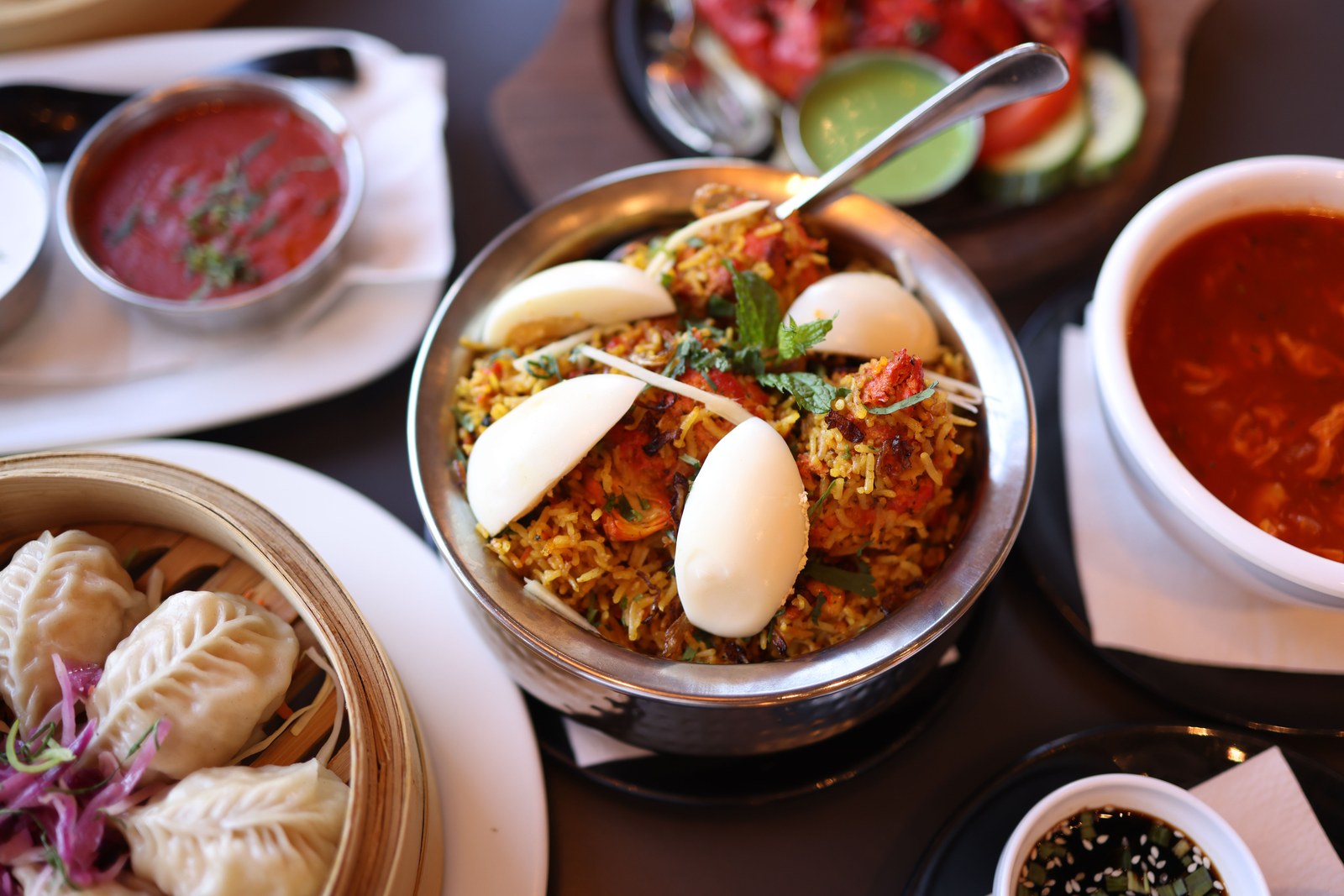
Biryani is a sealed-pot rice dish, cooked in layers, finished over low heat in its own steam. It is not a stir-fry. It is not flavored rice. The distinction matters because the Bay Area's biryani market has at least three categories running in parallel: the restaurant that does it correctly, the restaurant that does something adjacent and calls it biryani, and the restaurant that has been doing the real thing for twenty years and has no interest in explaining itself to anyone. The scoring separated them fast.
Across 8 restaurants and 23 tested preparations, the gap between the top tier and the middle was significant. Execution scores tracked tightly with one variable: whether the kitchen was sealing its pot and finishing over low heat, or rushing the process. The kitchens that seal their pots score in the high eighties and above. The ones that don't cluster in the mid-seventies, regardless of how good the base spice blend is. Dum pukht technique is not a style preference. It is the whole game.
Three Corridors, Three Different Answers
Fremont's Decoto Road and the surrounding blocks absorbed significant South Indian and Hyderabadi immigration through the 1980s and 1990s, much of it routed through the tech corridor. The storefronts that opened then are still the ones that matter. Dum Pukht House has been on Mowry Avenue since 2004. The dining room seats forty, the parking lot is always half full by noon on a Saturday, and the Hyderabadi dum biryani is the highest-scoring single preparation in this dataset. The rice is long-grain basmati, the meat layer is properly marinated, and the pot arrives sealed at the table. This is not presentation. It is how the dish is finished.
Sunnyvale is the other pole. The lunch counters on Murphy Avenue and El Camino Real cater to the engineering campuses; the economics run on volume. Biryani Bowl operates on that model and manages to score consistently despite it. The chicken biryani scores in the high eighties on flavor and above ninety on value. The room is plain. The thali option alongside it, which includes a small cup of sambar and a piece of papad, adds context to the meal without padding the price. Value scoring here is competitive with anything in the dataset. Meanwhile, the dosa counter two doors down at Udupi Palace is its own argument, but that is a separate article.
The Tenderloin is the third answer, and it is the most surprising one. The South Asian corridor on Larkin Street and the blocks just off it has been consistent since the 1970s. Lahore Karahi is the room that the algorithm flagged: a Pakistan-origin kitchen with a biryani preparation closer to Karachi-style, cooked separately and then layered, which is a valid technique and produces a distinct result. The rice is drier, the spice profile runs toward whole spices rather than ground, and the portion is built for sharing. It scores slightly below the Hyderabadi preparations on execution but above most of the field on value and context. The regulars there are not confused about what they are eating.
The Mid-Tier and What Breaks Them
Four restaurants in this dataset score in the mid-seventies. They are not bad restaurants. They are restaurants where the biryani preparation is a menu item rather than a kitchen commitment. Amber India in Mountain View is the clearest example: the overall restaurant is competent, the service is polished, the wine list exists, and the biryani scores twelve points below Dum Pukht House. The rice is cooked separately from the protein. The layering is cosmetic. This is a common shortcut in restaurants that treat biryani as one item among many rather than the point of the kitchen.
The same pattern shows up at Saffron in San Jose, where the butter chicken is the kitchen's actual focus and the biryani reflects that priority. The flavor baseline is there. The technique is not. Scoring penalizes technique gaps at the same rate regardless of how much the room costs. This is the useful thing about the data: a $14 biryani in Fremont and a $28 biryani in Mountain View get the same rubric. The $14 one won.
There is one exception in the mid-tier worth naming. Dosa on Fillmore Street is a South Indian restaurant whose menu is built around the dosa and its relatives: idli, uttapam, rasam, filter coffee delivered in the traditional stainless tumbler and davara. The biryani is a secondary item and it scores accordingly. But the restaurant earns a mention here because the overall quality level is high enough that even the secondary preparations are careful. The uttapam in particular is a better argument for the kitchen than the biryani. If you want to understand what South Indian food does before it became Americanized, the chettinad preparations at Dosa are the starting point.
Value and Where the Math Lands
The value math in this dataset is direct. Biryani Bowl in Sunnyvale: chicken biryani at $13, high eighties on flavor, above ninety on value. Dum Pukht House in Fremont: Hyderabadi dum biryani at $17 for a full portion, high eighties on flavor, high eighties on value. Lahore Karahi in the Tenderloin: Karachi-style biryani at $15 for a shareable portion, mid-eighties on flavor, high eighties on value. These three restaurants are not trying to compete with each other. They are running different techniques, different regional traditions, and different service models. The data puts them in the same tier because the output is similar in quality and the price is similar in range.
The restaurants that charge more than $22 for a biryani preparation in this dataset are uniformly in the mid-tier on execution. The price premium is the room, not the pot. This is not a criticism of those restaurants. It is a description of the trade-off. If the trade-off works for you, Amber India is a competent restaurant. If the trade-off does not work for you, Dum Pukht House is forty minutes south on 880 and scores higher on the dish you are there for. The algorithm noticed this spread before any food press did. It is still true.
One structural note on the Bay Area biryani market that the scoring makes visible: the highest-value preparations are almost entirely in cities outside San Francisco proper. Fremont. Sunnyvale. Milpitas. The Tenderloin cluster is the exception, and the Tenderloin's South Asian corridor has been running on thin margins since the 1970s. The pattern is the same one that shows up across Bay Area food data, including in [best birria tacos Bay Area](/carte/bay-area/birria-tacos/): the city's best plates are in the suburbs, and the suburbs are not embarrassed about it.
The Order They Finished
The data produces a clear ranking. Dum Pukht House in Fremont finishes first on flavor. Biryani Bowl in Sunnyvale finishes first on value. Lahore Karahi in the Tenderloin finishes first on context: the room, the regulars, the Karachi-style preparation that does not try to be Hyderabadi and is better for it. Below those three, the field drops, and the drop is primarily a technique story.
The restaurants that know what they are doing seal their pots. The restaurants that don't, don't. The scoring reflects that. The price of the room does not change it. This is what the data is for.
The Bay Area's best biryani is in strip malls. The algorithm knew before the press did.
The pot is either sealed or it is not, and the scoring can tell the difference from the first bite.
We test dishes so you don't have to. No spam — just the best food, neighborhood by neighborhood.