Why we built this
Five-star ratings are lies we all agree to tell. A restaurant earns 4.6 stars because the patio is nice, because the owner waves at regulars, because one reviewer was having a bad day and took it out on their entrée. The number tells you the place exists. It tells you the room was fine. It does not tell you whether the braised short rib is any good.
Pull that thread and you notice something strange. Every food app ever built ranks venues. Yelp, Google Maps, OpenTable, TripAdvisor, Michelin — all of them assume you want to know about the restaurant. But you don't eat a restaurant. You eat a plate. That plate is what you remember. That plate is what you tell your friends about. And that plate is where every food app currently falls silent.
We built ForkFox because we kept getting burned. A 4.7-star sushi place where the hamachi tasted freezer-forward. A Michelin-starred tasting menu where the bread course was the only thing worth ordering. A Mission taquería with 400 reviews whose carnitas earned a 92 and whose al pastor earned a 67 — and the reviews never told us which was which.
So we started scoring dishes. One plate at a time. Thousands of reviews distilled into five attributes — several sensory and contextual attributes — combined into a score out of 100 that's personalized to your taste. A 92 for you might be an 87 for someone who prefers their spice level at a cruise-ship Tabasco.
This is the part we've been waiting to write. ForkFox is in beta. iOS, free, TestFlight invite within 24 hours. Live in San Francisco and Philadelphia today, two more cities over the summer, national by next year. No sponsored placements. No venue reviews. Just dishes, scored the way you'd score them yourself if you had the patience to read 400 reviews of the same restaurant before ordering.
How it works
Scoring a plate is harder than scoring a restaurant. A restaurant is a fuzzy average of everything — ambiance, service, price, the one time the waiter was rude, the one time the dessert surprised you. A dish is specific. A dish is either good or it's not. Our algorithm does four things.
First, it reads. ForkFox ingests public reviews across Yelp, Google, Reddit, OpenTable, and a few dozen enthusiast forums. We filter for reviews that mention specific dishes — the phrase "order the branzino" is worth more than "great place" — and we discard reviews that are only about the venue. What's left is signal about plates.
Second, it weighs. Each mention gets scored against five attributes. Flavor is the obvious one: does the plate taste like it should? Texture covers mouthfeel and technical execution — the snap of a dumpling skin, the sear on a steak, the ratio of rice to protein in a burrito. Value is what the plate costs relative to its attribute scores; a $3 taco scoring 92 outperforms a $38 entrée scoring 85 on this axis. Execution measures consistency across visits. Context is the hardest: how does this plate compare to the canonical version of its cuisine?
Third, it personalizes. Our model learns your taste. Tell it you prefer broths heavy on umami, rate three bowls of ramen, and it starts pulling you toward the tonkotsu heavy-hitters and away from the shio chicken end of the spectrum. Your 94 won't match your cousin's 94. That's the point.
Fourth — and this is the part we're patenting — it contextualizes across cuisines. A 92 on a Neapolitan pizza is not the same creature as a 92 on a pho. The algorithm tunes itself to each cuisine — a great pizza and a great pho are scored against very different yardsticks.
We've been working on this model since 2024. It is not done. Beta users will find edges — plates that score higher than they should, plates that score lower. Every correction you submit trains the model. The app is built to learn in public.
Now in beta: SF + Philly
Our beta is two cities. Sixteen neighborhoods. Ten cuisines. Thousands of dishes and growing.
We chose San Francisco and Philadelphia on purpose. Not because they're the obvious markets — they're not, really. Los Angeles has more restaurants. New York has more food media. Chicago has a deeper fine-dining scene on paper. But SF and Philly share something the other cities don't, and that something is the reason ForkFox exists.
They both have neighborhood food cultures that don't show up on food maps.
San Francisco's Tenderloin has South Indian dosas that score 93. Its Chinatown has dim sum counters that out-score half the city's Michelin-starred dinners. Its Mission has taquerías that invented a category. Its Sunset has izakayas that local chefs eat at on their night off. None of those places lead with a tasting menu. Few have a national press mention. They are the heart of how actual San Franciscans actually eat.
Philadelphia is the same story, different accent. The Italian Market's Vietnamese corner. Baltimore Avenue's Ethiopian stretch. Fishtown's post-2020 wine-forward BYOB wave. Reading Terminal's DiNic's counter, which has been making the sandwich the city should be famous for since 1954. The food that makes Philly an actual food city is almost never the food that makes it to tourist maps.
The ForkFox rollout
Live in San Francisco and Philadelphia. Ten more cities rolling out across the country.
We built ForkFox for the version of eating where the plate matters and the venue is just the address where you pick it up. That version of eating thrives in cities with dense neighborhoods, deep immigrant kitchens, and locals who argue about whose rendition of a specific dish is correct. SF and Philly were the natural beta because both cities have that argument going at all times.
What we're scoring
Ten cuisines to start. The ones we got to first aren't the ones with the most restaurants — they're the ones with the most dish-level variance. Cuisines where one restaurant might nail three plates and blow two. Those variances are where dish-level scoring earns its keep.
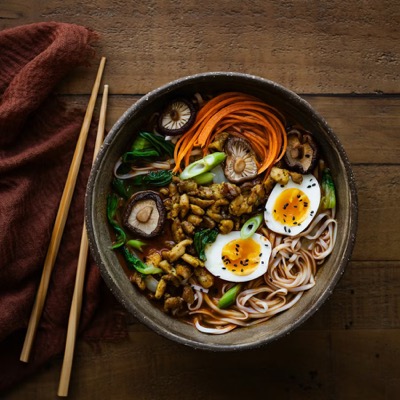 Japanese
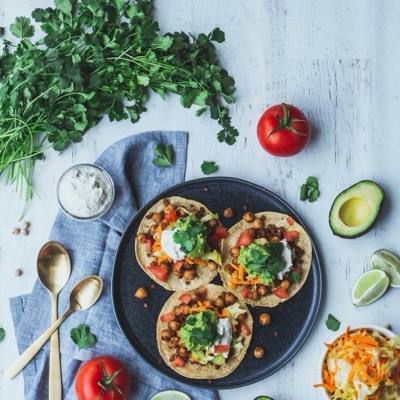 Mexican
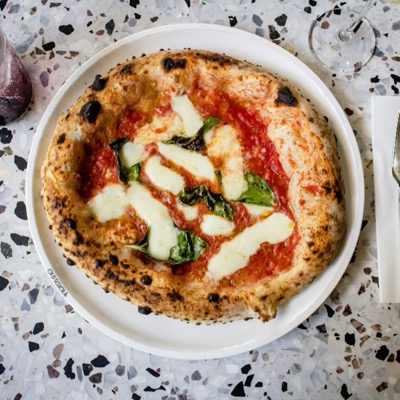 Italian
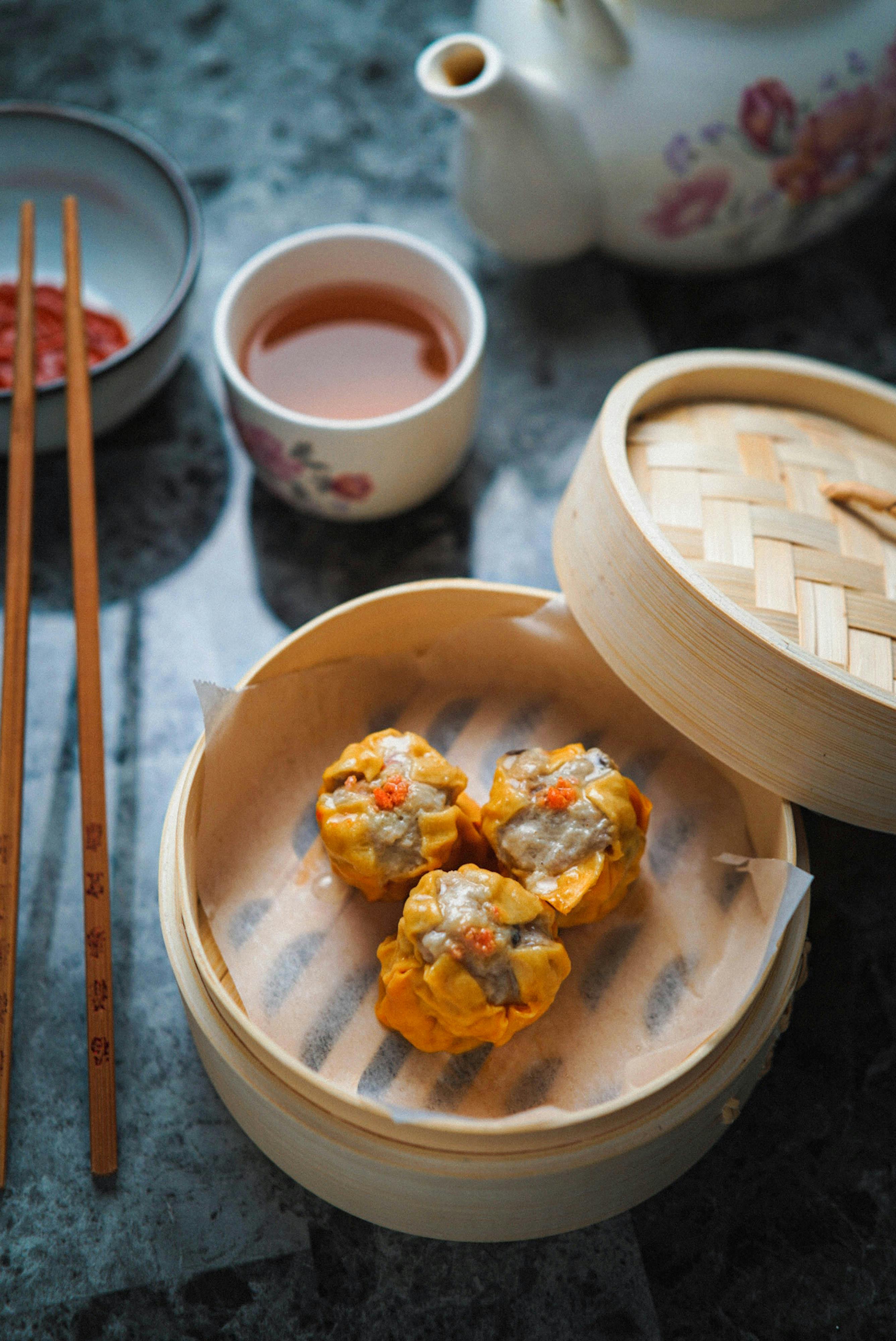 Chinese
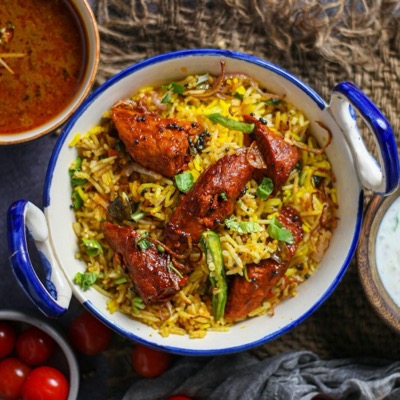 Indian
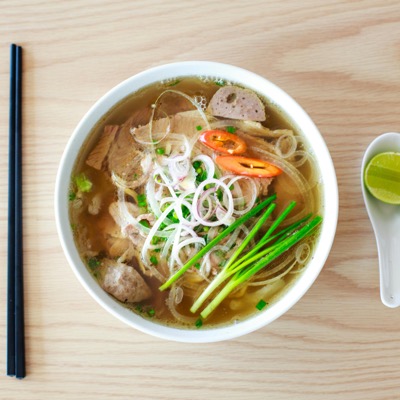 Vietnamese
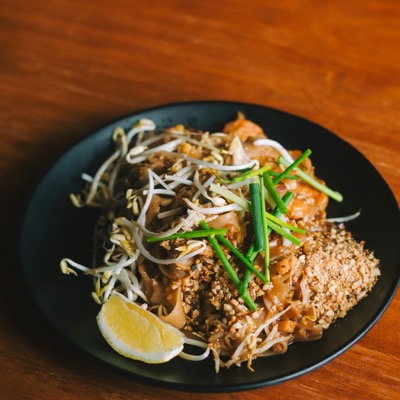 Thai
Thai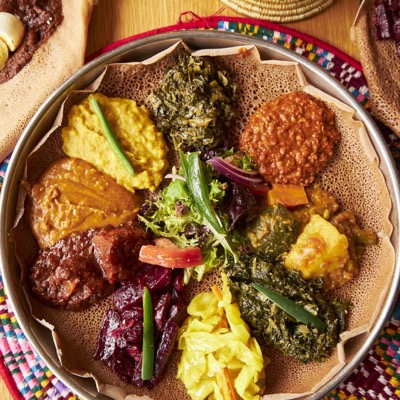 Ethiopian
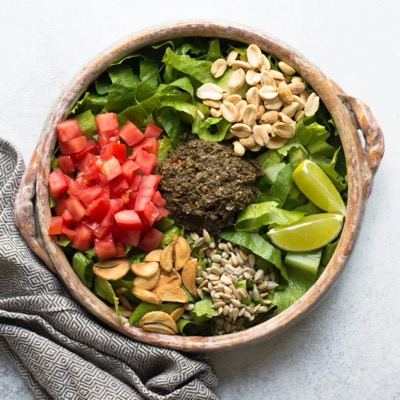 Burmese
A short tour of what's live:
- Japanese. Ramen, sushi, izakaya plates. Technical-floor cuisine where execution scores hit hardest. SF leads on volume; Philly is closing fast on quality.
- Mexican. Taquería and Oaxacan. The Mission vs. South-Philly-via-Fishtown is a quieter debate than you'd think.
- Italian. Pizza, pasta, BYOB tasting menus. Philly's BYOB scene produces some of the highest value scores in our database.
- Chinese. Dim sum, Sichuan, Cantonese seafood. Yank Sing and Philly's Old City Chinatown both clock in high.
- Indian. South Indian dosas and North Indian curry. Tenderloin and Penn's campus both out-score expectations.
- Vietnamese. Pho, banh mi, bun. Saigon Sandwich in SF and the Italian Market corner in Philly are our two ground zeros.
- Thai, Ethiopian, Pizza, Burmese. The last four are where the asymmetries live. SF has eleven Burmese restaurants in scoring range; Philly has two. That asymmetry teaches us something about immigration patterns. More on that in the Dish archive.
Named spots on our radar
We are in intro mode. That means we are not ranking restaurants yet. It means we are mentioning them — because these are the rooms whose plates we're scoring, and you deserve to know who we're looking at.
San Francisco. The beta radar includes State Bird Provisions, Nopa, Foreign Cinema, Swan Oyster Depot, Zuni Café, La Taqueria, The Slanted Door, Mission Chinese, Tartine, and House of Prime Rib. Beyond the named rooms, we're deep inside the Tenderloin's Indian corridor, the Sunset's izakaya row, and Chinatown's dim sum parlors. You will see some of those plates score higher than you expect. You will see some of the famous names score lower than you expect. We'll say more when we leave intro mode.
Philadelphia. Zahav, Vetri, Pizzeria Beddia, Royal Boucherie, Parc, Vernick, Fork, Morimoto, and the Reading Terminal counters — including DiNic's and the Amish pretzel stand. Plus the Italian Market's Vietnamese row, Fishtown's wine-forward post-2020 wave, and Baltimore Avenue's Ethiopian stretch.
And yes, we're scoring cheesesteaks at Pat's and Geno's. The scores will be what they are. We are not in the business of punishing a place for being famous or rewarding one for being scrappy. We score what the plate is.
A small note on what we will not be doing. We are not sending anonymous reviewers to these restaurants. We are not paying for reviews. We are not accepting money from any of the rooms we score. The algorithm ingests what is publicly written — it doesn't take private payments, and it doesn't accept corrections from the restaurants themselves. That constraint is load-bearing. Once you let a restaurant edit its own score, you've rebuilt Yelp with extra steps.
What makes ForkFox different
One: we score plates, not places. Every other food app you've ever used ranks restaurants. That ranking is an average of unrelated things, which is the same as no information. We rank the dish. If a restaurant has ten menu items, you get ten scores. The sashimi doesn't cover for the miso cod.
Two: the score is personal. Your 92 is not your neighbor's 92. The model learns what you like — the cuisines you lean toward, the attributes you value, the price tier where your value-scoring kicks in. A 92 is a 92 for you, not for an abstract generalized eater. This is the part we think will surprise people. It shouldn't; every serious recommendation system since Spotify has worked this way. Food apps just never caught up.
Three: it's free for everyone during beta. It's free for everyone during beta.
That's the pitch. We'd rather you try it than read about it.