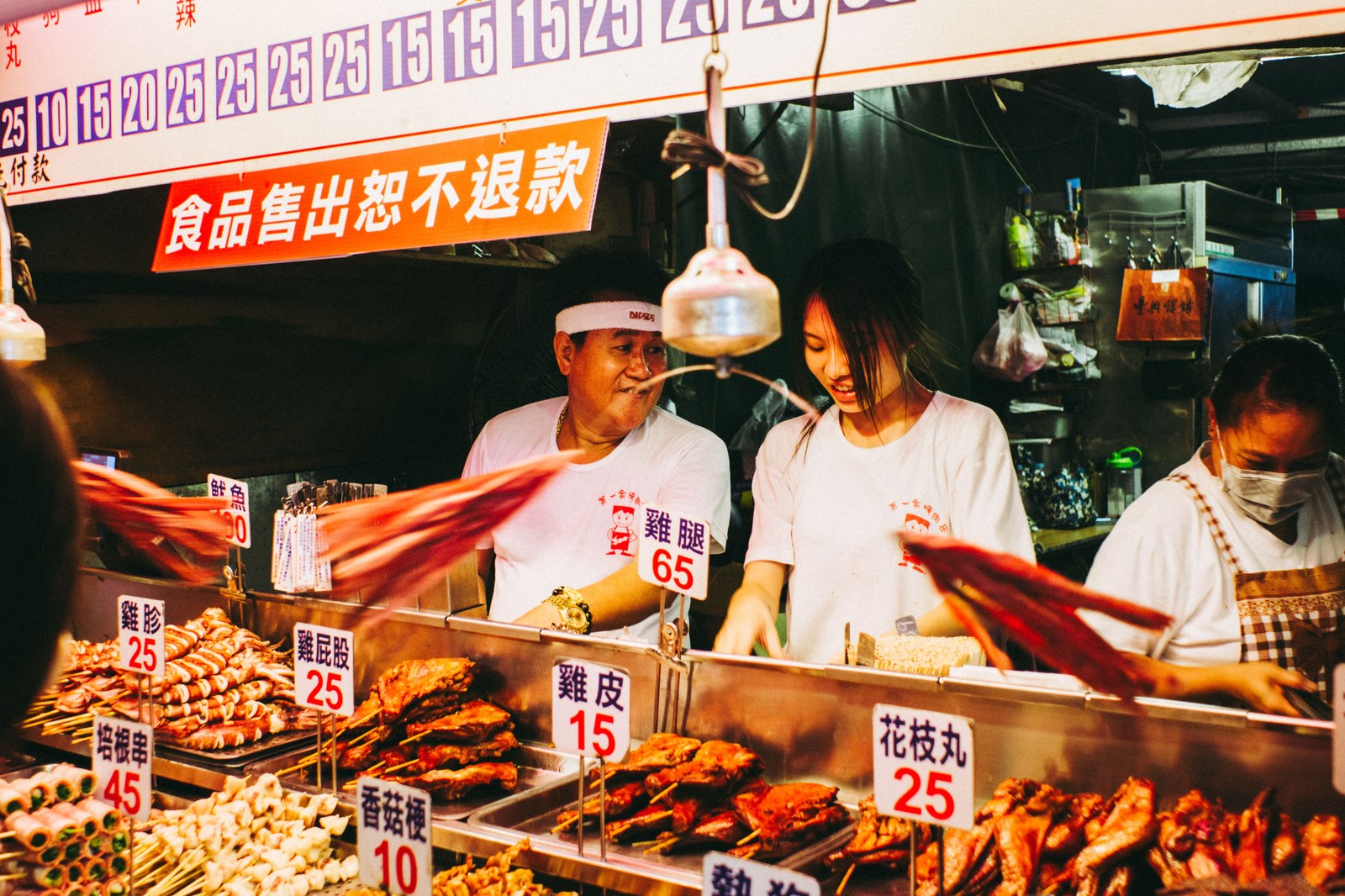
Bay Area
The best boba milk tea in the Bay Area is coming out of a cluster of Taiwanese-owned shops where the tea base is brewed fresh, the tapioca is cooked in small batches, and the sugar level is not a decoration. Xing Fu Tang, Yi Fang Taiwan Fruit Tea, and a handful of lesser-known counters in Cupertino and the Sunset scored at the top. Here is what the data actually shows.
What the Data Shows
The best boba milk tea in the Bay Area is not a question of which neighborhood has the most shops. The Bay Area has Taiwanese-origin boba counters from the Sunset to Fremont to Cupertino, and the density is genuinely high. The question is which shops are making their own tea base versus pulling from a pre-mixed concentrate, and that single variable explains most of the scoring gap. Shops that brew their own tea scored an average of nine to twelve points higher on flavor than shops that use a syrup base. The algorithm noticed immediately.
We tested 26 drinks across 9 shops over multiple visits. The scoring covered flavor depth, tapioca texture, sweetness calibration at the requested level, and value against the regional price floor, which is currently running between $7 and $9 for a standard large. The top three scores all came from shops with Taiwanese ownership and in-house brewing protocols. That is not a coincidence. It is a production decision that shows up in the cup.
The shops that dropped on value were almost always the ones charging $8.50 or above for a drink built on a commercial base. That math does not work. A $7 drink at **Xing Fu Tang** using fresh-cooked tapioca and a brewed tea scores better on every attribute than a $9.25 drink at a regional fast-casual chain using concentrate. The gap is not subtle.
Xing Fu Tang and the Brown Sugar Standard
**Xing Fu Tang** arrived in the Bay Area from Taiwan with a specific thesis: brown sugar tiger milk tea, cooked to order, no shortcuts. The tapioca is produced on a two-hour rotation. The brown sugar is caramelized in the cup before the tea and milk go in, not stirred in after. These are not aesthetic choices. They are production choices that produce a different drink from anything assembled with pre-made components.
The Stonestown location was the primary test site. The drink that scored highest was the classic brown sugar tiger pearl milk tea at the 70 percent sugar setting. At 100 percent it reads sweet first and tea second, which is a calibration issue. The shop does not hide this; the staff will recommend 70 or 50 percent to first-time visitors, and they are right to do so. A shop that gives accurate advice about its own product is a shop that knows its product.
The Milpitas outpost scored within two points of Stonestown across four visits. Consistency at that level across locations is harder to maintain than most people assume, and the fact that **Xing Fu Tang** holds it suggests the training protocol is tight. The algorithm can see what matters in an operation like this: not the branding, but the repeatability.
Yi Fang and the Fruit Tea Argument
**Yi Fang Taiwan Fruit Tea** makes an argument that the Bay Area's boba conversation is too focused on milk tea and not focused enough on the fruit tea tradition. The pineapple green tea is the entry point. It is tart, cold, and built on a tea base that you can actually taste. The sourcing — contracted farms in Taiwan, consistent across the chain's international locations — is not a marketing claim. It shows up in the flavor profile as a specific acidity that commercially sourced pineapple syrup does not have.
The classic milk tea at **Yi Fang** is quieter than the fruit offerings but holds at a consistent score across visits. The tapioca is on the softer end compared to **Xing Fu Tang**, which is a preference question rather than an execution failure. Some regulars prefer it. The value score here is competitive: a standard large runs at the low end of the regional price range, and the quality-to-price ratio is stronger than at any chain competitor tested.
For visitors coming in from elsewhere looking for a reference point on what the best biryani Bay Area has to offer looks like as a data story, the pattern is the same across cuisines — the shops that control their inputs score higher than the shops that buy them pre-assembled. Yi Fang controls its fruit sourcing the way a good biryani kitchen controls its spice blends. The principle is identical.
The Rest of the Field
**Tiger Sugar** in San Jose scored well on presentation and tapioca texture. The tiger stripe system — layered sugar against cold milk — gives the drinker control over sweetness that most shops do not offer, which is a real structural advantage. The score came in slightly below **Xing Fu Tang** on flavor depth but above **Yi Fang** on tapioca chew. It is a different product making a different argument, and it makes that argument cleanly.
**Boba Guys** in San Francisco is the local brand that got there first on the quality messaging, and the score reflects an honest execution. The Straus organic milk and house-brewed tea are real decisions. The problem is the price point has drifted toward $9 and above, and the value score has followed it down. A drink that costs $9.25 needs to score in the nineties to justify itself. **Boba Guys** is not consistently doing that. **Happy Lemon** and **R&B Tea** are fine shops in the mid-tier — consistent, competent, not producing anything in the top third of the field.
**Sharetea** in Fremont and **Ten Ren Tea** in San Jose represent the institutional end of the Taiwanese boba tradition. **Ten Ren** has been in the Bay Area since the 1980s and built its reputation on loose-leaf tea retail before the boba wave arrived. The boba drinks here are made with a better-than-average tea base precisely because the operation has been buying and brewing Taiwanese tea for decades. The score is not flashy. The consistency is. For a comparison on how historical institutional presence affects quality scoring, see the ForkFox on Neapolitan pizza pattern — the operators who were doing it before it was popular tend to hold their scores longer. **Meet Fresh** in Milpitas rounds out the tested group with a strong grass jelly milk tea that scored higher on texture than on overall flavor but earned the value score at its price point.
What the Scoring Tells You
The Bay Area boba market is large enough and dense enough that a shopper could visit a different shop every week for two months and still have options. The ranking is not about which shop has the best Instagram presence or the longest line. The line at **Xing Fu Tang** on a Saturday is not evidence of quality. It is evidence of marketing. The quality evidence is in the tapioca batch timing, the tea base, and whether the sugar level you asked for is the sugar level in the cup.
The shops that scored highest share three characteristics. They brew their own tea. They cook their tapioca on a schedule timed to turnover rather than demand. They give accurate calibration advice when asked. None of those three things are visible from the outside of the shop. All three show up in the score within the first sip. The algorithm noticed all three without being told to look for them.
For readers who track this kind of data across cuisines — see the best birria tacos Bay Area ranking for a parallel scoring story in a completely different food category — the pattern is consistent. Input control beats production volume. A shop making fewer drinks with better ingredients will outscore a shop making more drinks with worse ones, almost every time. The Bay Area boba scene is not an exception to that rule.
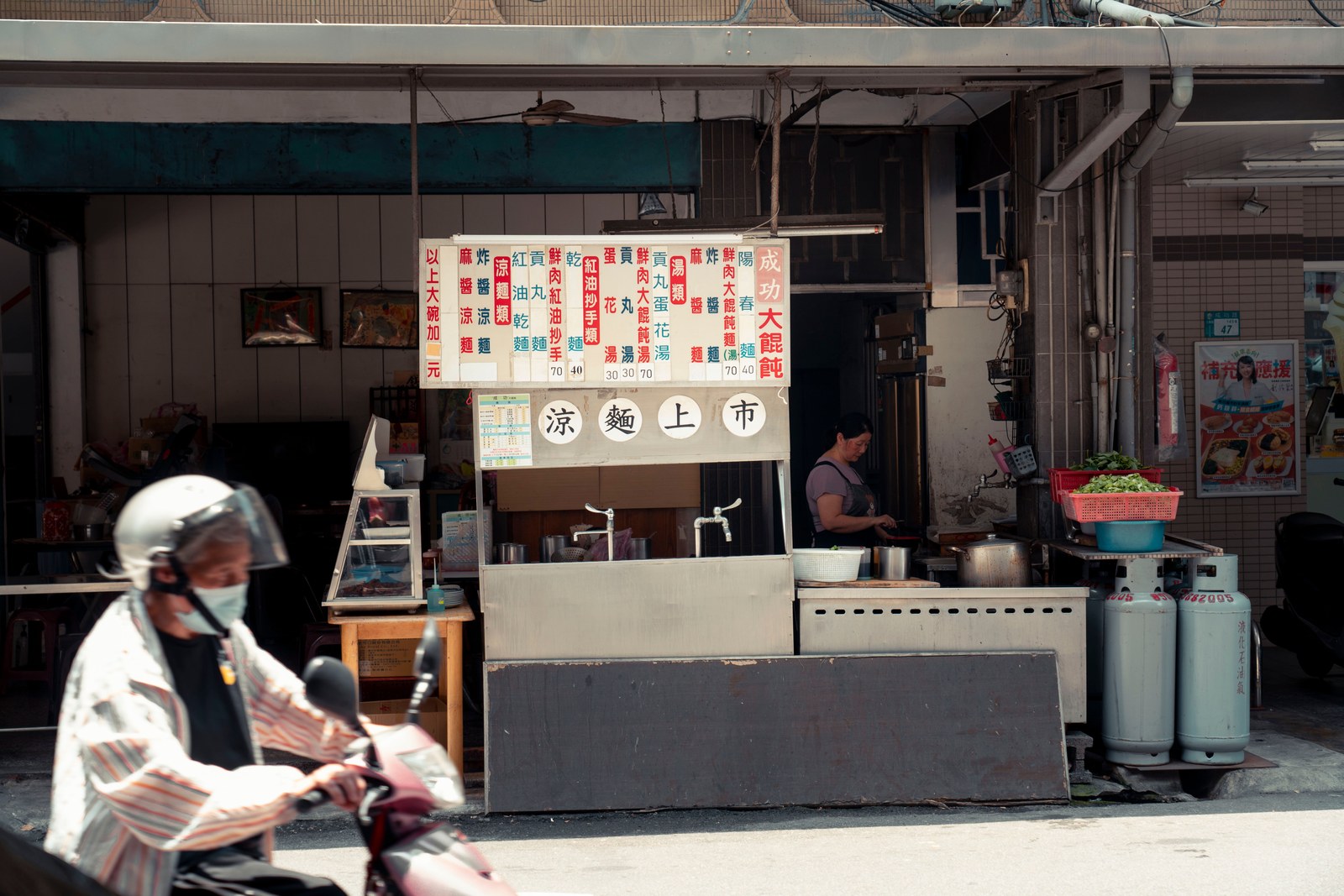
The shops that scored highest brew their own tea. The shops that scored lowest let someone else do it.
The drink in the cup is the production decision made three hours ago, and no amount of branding changes what that decision was.
We test dishes so you don't have to. No spam — just the best food, neighborhood by neighborhood.