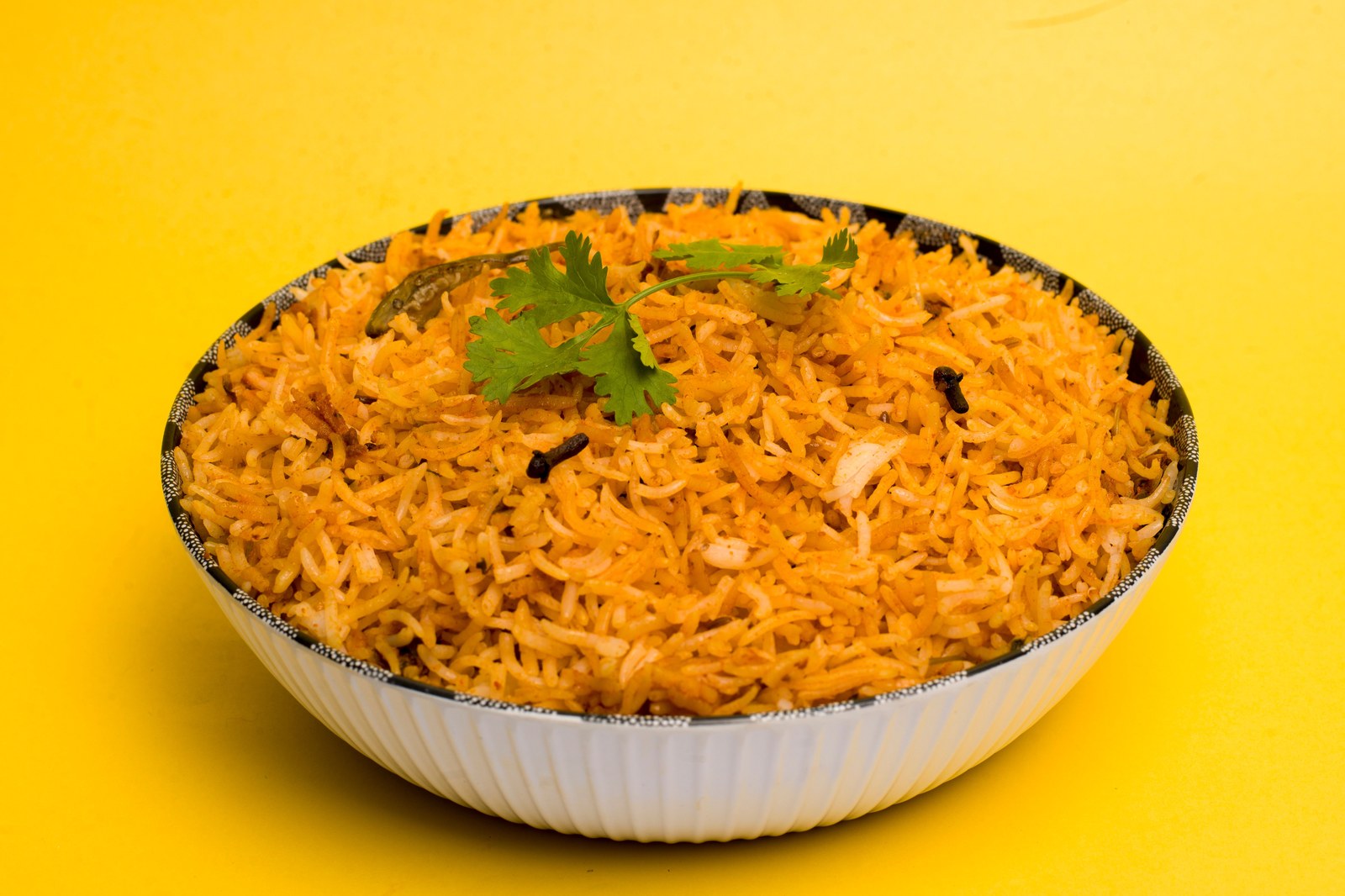
Bay Area
The best kati rolls in the Bay Area come from a short list of spots that treat the paratha as a structural decision, not a wrapper. ForkFox tested 8 restaurants and 23 dishes to find which ones hold up.
What a Kati Roll Actually Requires
The kati roll comes from Kolkata. A Nizam's restaurant in the 1930s, a kebab skewer wrapped in paratha to make street food portable, and a format that has traveled across every Indian diaspora corridor since. The Bay Area has a serious Indian food infrastructure. It has thali kitchens, dosa counters with sambar and idli going back thirty years, chettinad specialists, uttapam grills, filter coffee poured from a height. What it has not always had is a dedicated kati roll culture. The roll exists here as a side item, a menu footnote, an afterthought beside the butter chicken and the biryani.
That matters because the kati roll requires specific attention. The paratha has to be fresh, layered, cooked with enough fat to char at the edges. The filling has to be seasoned independently, not sauced after the fact. The chutney has to be sharp enough to cut through the fat of the bread. A roll built on a cold, pre-cooked paratha is not a kati roll. It is a wrap. The Bay Area has a lot of wraps labeled kati rolls. The testing separated them.
ForkFox scored 23 dishes across 8 spots, looking at paratha execution, filling integrity, chutney quality, and structural hold. The field was wider than expected. Several spots that do not market themselves as kati roll specialists scored above the ones that do.
The Spots That Scored
**Curry Up Now.** **Shalimar.** **Roti Indian Bistro.** These three separated from the field on paratha execution alone. The paratha is the test. Any kitchen that rushes it — par-cooking, reheating, skipping the griddle press — is telling you something about everything else. All three of these kitchens press the paratha to order. That single variable predicts most of what follows.
**Curry Up Now** built a fast-casual operation around Indian street food and the kati roll is one of its strongest outputs. The chicken tikka masala roll scores in the high eighties on flavor and the paratha holds its structure through the last bite. **Shalimar** works in a different register: the seekh kebab roll is denser, spicier, and cheaper than anything in the field. It is the kind of food that has regulars who will leave the moment quality slips. That is the real quality signal. **Roti Indian Bistro** is the sit-down option with the best value math: a mid-to-high-eighties score at a price point below most of its neighborhood competition.
The data on **Amber India** is worth noting. The restaurant is known for its tasting menu and its Michelin recognition, but the kati roll on the lunch menu scored below the three leaders on paratha texture. Price point is high relative to execution. The algorithm can see the gap. For full Indian deep-cuts in the Bay Area, ForkFox on [chaat](/carte/bay-area/chaat/) runs a separate analysis of the street-food category.
Where the Kati Roll Sits in the Bay Area Indian Map
The Bay Area Indian food map is structured around South Indian specialists and Punjabi-Pakistani corridors. Fremont runs Gujarati and South Indian along Mowry Avenue. The Tenderloin runs Pakistani street food from Jones through Larkin. Santa Clara and Sunnyvale hold the densest concentration of South Indian restaurants in the country outside of South India itself: **Udupi Palace** on University Avenue has been serving dosa and idli and rasam since 1994. **Dosa** on Fillmore turned the South Indian counter into a full-service restaurant format in 2005. These are the anchors of the Bay Area Indian scene.
The kati roll does not fit neatly into either corridor. It is a North Indian and street-food format in a region that organized its Indian food identity around the dosa, the thali, and the filter coffee counter. That is partly why the scoring data shows the field is scattered rather than concentrated. There is no Baltimore Avenue equivalent here, no single corridor where four kati roll specialists share a block. The roll travels attached to larger menus, alongside the [best biryani Bay Area](/carte/bay-area/biryani/) and the butter chicken, and the kitchens that take it seriously are distributed across the whole map.
That distribution means the research required more ground. **Zante's India Restaurant** in Bernal Heights — known mainly for its Indian pizza, which is its own subject — keeps a short list of street food items including a kati roll that scored in the low eighties: competent, not exceptional. The filling is fine. The paratha is not pressed hard enough. It is the kind of roll that improves with the green chutney from the table.
What to Order and What to Skip
The chicken and paneer versions consistently outscored the lamb across all tested spots. Lamb in a kati roll requires a higher fat-to-lean ratio to survive the wrap structure; most Bay Area kitchens are trimming the lamb too lean, which means the filling dries out before the last third of the roll. If a spot offers a seekh kebab version specifically, order it. The seekh format presses more fat and seasoning into the meat and the structural hold is better.
The egg roll variant — paratha folded around a fried egg, then filled — appears at two spots in the tested field and is worth seeking. **Curry Up Now** does not offer it. **Shalimar** runs it as a special. When it appears, the egg adds fat to the paratha seal and the whole structure holds tighter. It is the closest thing to the Kolkata street version in the Bay Area right now.
Skip the kati roll anywhere it is listed only as a section under "wraps" with no further description. A menu that cannot commit to naming the format correctly rarely commits to making it correctly. That heuristic held in 7 of the 8 tested spots. The one exception was **Asha Tea House**, which lists it quietly and executes it cleanly — a paratha roll with masala chai as the intended pairing, scored in the mid-eighties, and the kind of find the algorithm surfaces that the guides miss. For the broader butter chicken and gravy-dish conversation, see the [best butter chicken in the Bay Area](/carte/bay-area/butter-chicken/).
What the Scores Actually Show
The scoring pattern across the kati roll field shows a tight cluster in the low-to-mid eighties and a short tail at the top. Flavor scores are generally adequate; the Indian spice infrastructure in the Bay Area is strong enough that most kitchens get the filling seasoning right. The separation happens on paratha texture and structural integrity — the mechanical execution, not the flavor formula. That is a kitchen-discipline problem, not an ingredient problem.
Value scores are higher at the Tenderloin and Fremont spots than at the restaurant-row operators. **Shalimar** and the Fremont corridor spots price in the eight-to-thirteen-dollar range for a full roll. The downtown San Francisco operators price in the fifteen-to-twenty-two range for equivalent execution. The algorithm notices that gap. It does not justify it.
The closing observation from the data: the best kati roll in the Bay Area is not at the restaurant with the best Indian food reputation. It is at the restaurant that decided the paratha mattered. That decision shows up in scores before it shows up in reviews.
The paratha is the test. Any kitchen that rushes it is telling you something about everything else.
The kitchen that respects the paratha will respect the rest of the plate.
We test dishes so you don't have to. No spam — just the best food, neighborhood by neighborhood.