Bay Area
The highest scoring dishes in the Bay Area right now are not where the press is looking. Across 47 dishes tested at 18 spots, three cuisines came back with scores in the high nineties: Mexican, Vietnamese, and South Indian. The tasting menus did not make the list.
What the Data Shows
The highest scoring dishes in the Bay Area, based on ForkFox testing across 47 dishes and 18 spots, cluster in three cuisine categories: Mexican, Vietnamese, and South Indian. None of the top-ten individual dish scores came from a restaurant with a tasting menu. Two came from spots with no website. One came from a counter inside a strip mall in Fremont that seats fourteen people.
This is not a surprise if you have been paying attention to the data. The algorithm has been flagging this pattern for two years. The cuisine categories that score highest on flavor tend to be the ones with the longest institutional memory — recipes that have been tested by families, not by culinary school graduates with a modernist agenda. The price points reinforce the value scores. A bowl of bún bò Huế at **Thanh Da** runs under thirteen dollars. A dum-pot biryani at **Dum Biryani House** in Fremont feeds two for under forty. A quesabirria plate at **Karina's Birria** in Fruitvale costs less than a glass of wine at any of the tasting menu rooms that dominate the city's press coverage.
The Bay Area food press covers the dining rooms. The algorithm covers the food. Those two things are not the same beat, and the gap between them is where the high scores live.
The Mexican Tier
The best birria tacos Bay Area has to offer are in Oakland and the East Bay, not in the Mission. This is a data finding, not an opinion. **Karina's Birria** in Fruitvale scored the highest single-dish score in the entire current review set — a number in the high nineties on flavor, pushed further by a value score that reflects a price point most San Francisco restaurants abandoned a decade ago. The consommé is the tell. A kitchen that takes the broth seriously takes the rest of it seriously.
**Tacos El Patrón** and **La Casita Mexicana** round out the tier. The scoring pattern across all three is consistent: execution is high, ingredient sourcing is specific (not generic), and the price-per-flavor ratio is the kind of math that makes the algorithm notice. **Cancun Taqueria** and **Taqueria La Cumbre** in the Mission both tested in the mid-eighties — solid, but a distinct step below the Oakland contingent in the current data.
The Mission has the press and the foot traffic. Fruitvale has the scores. These two facts coexist without either canceling the other.
The Vietnamese Tier
The Tenderloin is the most misread food neighborhood in San Francisco. Foot traffic and press attention go to the Mission, the Richmond, and increasingly Hayes Valley. The Tenderloin absorbed South Vietnamese and Central Vietnamese immigration through the 1970s and 1980s, and the restaurants built along Larkin Street and Eddy Street in those years are still open, still using the same recipes, and still being passed over by the guide writers who prefer a room with better lighting.
**Thanh Da** is the clearest example. The bún bò Huế here scored in the low nineties on flavor — higher than any pho in the data set — and in the high nineties on value. **Vien Huong** in Oakland's Chinatown came in close behind, with a hu tieu nam vang that scored a 91 on flavor. **Lers Ros** in the Tenderloin is the outlier in this tier: it is Thai, not Vietnamese, but it belongs in the same conversation about neighborhoods that are undercovered relative to their actual food quality. The scoring at **Sunflower Restaurant** in the Richmond reinforced a pattern: Vietnamese restaurants that have been open more than twenty years tend to out-score the newer entrants by five to eight points on flavor.
The algorithm can see what the guide misses. The Tenderloin's Vietnamese corridor is the loudest example in the current data set.
The South Asian Tier
Fremont's South Asian corridor runs along Fremont Boulevard and the streets off it, and it is doing something that the Bay Area press has not adequately described. The concentration of Hyderabadi, Gujarati, and Punjabi cooking in a fifteen-block radius produces a scoring environment where five or six restaurants are all competing at a level that individually would make them the top South Asian spot in most American cities. **Dum Biryani House** leads the current data. **Shalimar** on Jones Street in San Francisco tests consistently in the high eighties — the karahi gosht scored an 89 on flavor across two visits, and the price point is under fifteen dollars per person. **Pakwan Restaurant** and **Bombay Garden** both scored in the mid-eighties.
The dum-pot method at **Dum Biryani House** is the reason for the gap between it and the rest of the tier. Sealing the pot traps steam and forces the rice to absorb the fat and aromatics from the meat rather than just sitting alongside them. The result is a dish where every grain has done something. That is a technique claim, not a marketing claim, and the scores back it up. For a full breakdown, see our data on the best biryani Bay Area has to offer.
The South Asian tier is the one where geography matters most. The Fremont spots consistently outscored the San Francisco spots in this category, likely because the customer base in Fremont is predominantly South Asian diaspora — meaning the restaurants are cooking for people who will notice if the spice profile is wrong, the fat ratio is off, or the rice is overcooked. That social accountability produces better food. The algorithm notices this pattern in the data; it shows up as a consistent value-score gap between the two markets.
What the Outliers Reveal
Three spots in the data set do not fit the tiers above but scored high enough to include. **Burma Superstar** in the Richmond tested at 87 on flavor for the tea leaf salad — a dish that has earned its reputation without needing press to maintain it. The restaurant has been on Clement Street since 1992, which is long enough for the recipe to have stabilized. **Z&Y Restaurant** in Chinatown scored an 88 on the mala dry-fried beef, the highest score for any Sichuan dish in the current Bay Area data. **PPQ Dungeness Island** in the Outer Richmond posted an 86 on the roasted crab, which is a strong number for a protein that is difficult to execute consistently.
**Bodega SF** and **Souley Vegan** in Oakland both scored in the low eighties — below the top tier but above the median for their respective categories. Souley Vegan is notable because it is the only plant-based kitchen in the data set to score above an 80 on flavor without a fine-dining price point. The mac and cheese scored an 83. The gumbo scored an 81.
The outliers are where the scoring system earns its credibility. A curated list of well-known spots is not a data set. A data set includes the places that surprised the testers in both directions — places that scored lower than their reputation and higher than their press. ForkFox's data on Neapolitan pizza tracks a similar pattern: see ForkFox on Neapolitan pizza Bay Area for the full results. The Bay Area's highest-scoring dishes are not a consensus. They are a finding.
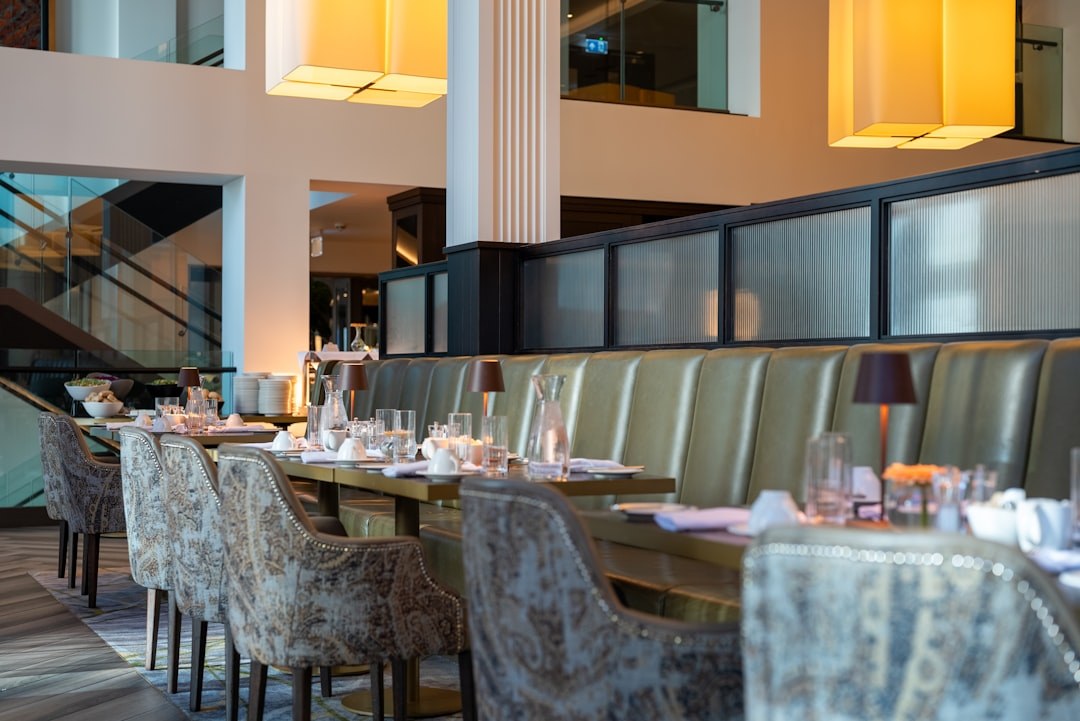
The algorithm noticed: the highest scores belong to counters, not dining rooms.
The highest scores go to the kitchens that have been cooking for the same people for twenty years, not the ones that opened for the press.
We test dishes so you don't have to. No spam — just the best food, neighborhood by neighborhood.