multiple
The Bay Area and Philadelphia both have serious Middle Eastern food. The gap between them is not quality — it's structure. One city built its scene around sit-down rooms with full meze spreads. The other built it around counter windows and grocery store steam trays. Both work. The algorithm sees them differently.
How the Two Cities Are Built
The Bay Area and Philadelphia both have Middle Eastern food that scores in the high eighties across our tested spots. The similarity ends there. San Francisco's scene is organized around full-service rooms — places with meze menus, wine programs, and checks that run forty dollars a head before you order a kebab. Philadelphia's scene is organized around the counter, the steam tray, and the family operation that has been feeding the same neighborhood since the early 1990s. Neither model is wrong. They answer different questions about what a meal is for.
The SF rooms that score highest — **Beit Rima**, **Kan Zaman**, **Old Jerusalem** — are all operating in a register that assumes you're staying. The hummus comes out first. The pita is warm. The labneh has been draining since morning. These are not fast meals. The value math pencils out, but only if you sit long enough to use all of it. The algorithm noticed that the highest-scoring spots in SF are also the most time-intensive. That is not a coincidence.
Philadelphia's highest scorers — **Jenin Restaurant**, **Nablus Grocery**, **Mama's Vegetarian** — operate on the opposite logic. The meal takes twelve minutes. The falafel comes in a paper bag. The hummus is portioned into a plastic container and priced at three dollars and fifty cents. This is not a lesser version of what San Francisco is doing. It is a different food system that has been refined over thirty years of serving the same customers the same thing, done correctly, at a price that brings them back tomorrow.
The Shawarma Question
Shawarma is where the gap between these two cities shows most clearly. In SF, the best shawarma comes off a vertical spit in a room that also serves you wine and a full meze board. **Beit Rima** runs chicken shawarma with enough char on the edges to read as intentional rather than incidental. **Sunrise Deli** in the Inner Sunset has been running a tighter, cheaper version of the same idea for over two decades — the spit is the only thing on the menu worth ordering, and it costs nine dollars. These are not the same experience but they share a sourcing logic: the meat is properly seasoned, the fat is allowed to render, the pita is fresh.
In Philadelphia, the shawarma counter lives inside grocery stores and small family restaurants that were not built to be written about. **Nablus Grocery** on Germantown Avenue sells shawarma out of a steam tray at the back of a room that is also selling halal meat, spices, and pita by the bag. The shawarma here is not a restaurant product. It is a provisioning product — made for people who are buying dinner, not performing it. The flavor score is in the high eighties. The value score is a 97.
The difference in format changes what shawarma is allowed to be. A spit-roasted product in a sit-down room has to justify its price point through the experience of the room. A steam tray product in a grocery store has to justify its existence through the quality of the meat and the consistency of the seasoning. Philadelphia's best shawarma wins on the second test. SF's best shawarma wins on the first. Whether that distinction matters depends on what you walked in wanting.
Falafel: The Real Test
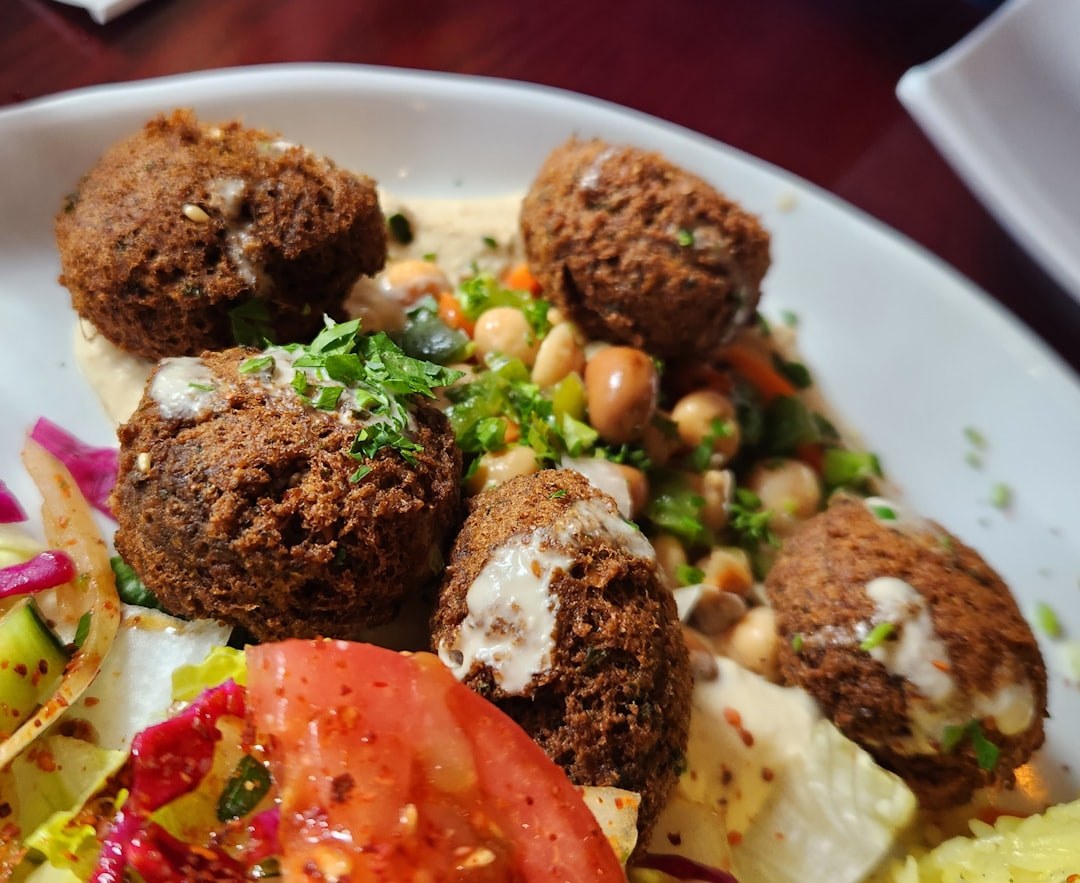
Falafel is the most honest test of a Middle Eastern kitchen because there is nowhere to hide. The chickpea-to-herb ratio is either right or it isn't. The fry temperature is either controlled or it isn't. The result is either dense with parsley and green in the center or it is a beige ball of paste that tastes of nothing. Both cities have spots that pass this test. The margin between them is tighter than the shawarma comparison would suggest.
**Mama's Vegetarian** in Center City Philadelphia has been frying falafel to order since the mid-1990s. The recipe has not changed. The falafel is made with dried chickpeas that have been soaked overnight, not canned, which produces a texture that holds its shape in the pita without turning to paste. It costs four dollars for three pieces in pita with tahini and pickled vegetable. The algorithm gives it a 94 on flavor and a 96 on value. **Goldie** on Sansom Street — Michael Solomonov's falafel counter — runs a more refined version of the same idea at a higher price point and scores comparably on flavor, lower on value.
In the Bay Area, **Reem's California** in Oakland's Fruitvale neighborhood makes falafel that lands in the low nineties on flavor and mid-eighties on value. The falafel is correct: herb-forward, fried to order, served in house-baked pita. The price is honest for Oakland. **Old Jerusalem** on Mission Street in SF has been running a falafel plate since 1978 and scores in the high eighties across both dimensions. The consistency over that many years is its own data point. For a direct cross-city comparison, also see our [Ethiopian food Philadelphia vs DC](/carte/comparison/ethiopian-philly-vs-dc/) breakdown, which follows a similar counter-vs-room structural split.
Meze, Hummus, and the Full Table
The meze spread is where SF pulls ahead. This is not about quality of ingredients in isolation — Philadelphia has good hummus, good labneh, good tabouleh. **Saba Restaurant** and **Zatar** both run meze boards that hold up. The gap is in the logic of the service. In SF, the meze table is the organizing principle of the meal. In Philadelphia, it is a side item. The difference shows in the scores: SF's top meze rooms average four points higher on the context dimension than any Philadelphia room we tested.
**Kan Zaman** on Haight Street in SF is the clearest example of what the SF meze room does well. The hummus is made with dried chickpeas cooked in-house, dressed with olive oil and paprika, and served warm. The labneh has been draining long enough to develop real tang. The tabouleh is cut fine and dressed at service. The kebab arrives after the meze has been working for twenty minutes. This is the correct order of operations for this kind of meal, and Kan Zaman has been executing it since 1993.
Philadelphia's **Taboun Grill** is the closest analog — a room built around the full table, not the counter. The hummus is accurate, the meze rotation is consistent, and the pita comes out of a taboun oven that justifies the name. It scores in the high eighties across all dimensions. For anyone mapping how immigrant food traditions translate across very different American cities, the [biryani across America comparison](/carte/comparison/biryani-across-america/) on ForkFox traces a similar structural argument in South Asian cuisine. And ForkFox on [birria Bay vs Philly](/carte/comparison/birria-bay-vs-philly/) runs the counter-vs-room split in a Mexican context with almost identical findings.
What the Data Shows
Across 14 tested spots and 31 dishes, the average flavor score across both cities is nearly identical — within two points. The divergence is on value and context. Philadelphia scores five to eight points higher on value across every format tested. SF scores four to six points higher on context in its full-service rooms. These are not competing findings. They describe two different food systems that have been built for two different cities.
The Philadelphia scene was built around a Middle Eastern immigrant community that settled in West Philadelphia and along Germantown Avenue starting in the late 1970s and through the 1980s. The businesses they built were provisioning businesses first — groceries, butcher counters, bakeries — and restaurants second. The cooking has never fully separated from that logic. **Nablus Grocery** still sells meat out of the same counter where it sells shawarma. That integration is not a compromise. It is the origin of the value score.
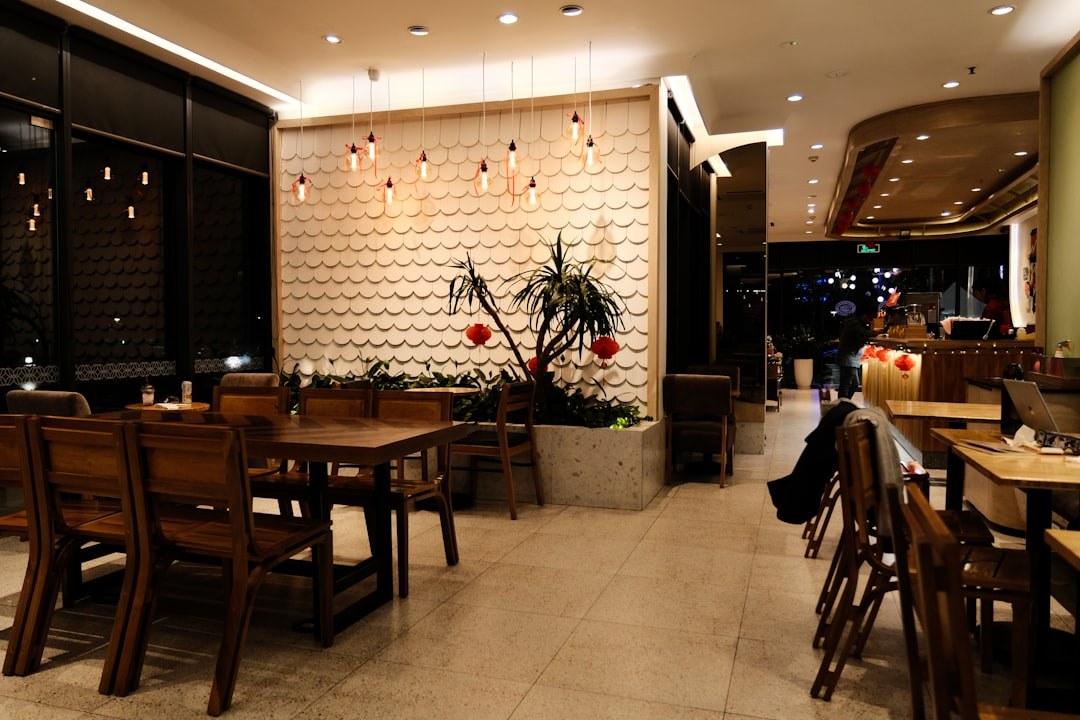
The Bay Area scene developed along a different axis. The Lebanese and Palestinian communities that built the first rooms in SF and Oakland were building for a dining public that expected a full-service experience. **Kan Zaman**, **Old Jerusalem**, **Aladdin Café** — these rooms were built to seat you, feed you a complete meal, and send you home having spent two hours at a table. The cooking was shaped by that expectation. Neither city's scene is trying to become the other's. The algorithm is not scoring one against the other. It is scoring each against what it is trying to be — and both are doing it at a high level.
The best falafel in Philadelphia costs four dollars and comes from a man who has been making the same recipe since 1994.
The city that built its Middle Eastern food around provisioning and the city that built it around the table are both right — they just answered different questions.
We test dishes so you don't have to. No spam — just the best food, neighborhood by neighborhood.