Philadelphia · Bella Vista
Bella Vista's 8th Street corridor has quietly become one of Philadelphia's densest Italian neighborhoods. Not the tourist version. The actual version.
8th Street: The corridor nobody talks about
South 8th Street runs from Washington Avenue south toward South Street, a fifteen-block stretch that has been Italian for longer than most Americans have been alive. It is not the Italian Market. It is not Fishtown. It is Bella Vista, which means "beautiful view," and the view, if you look past the street-level signage, is four decades of uninterrupted Italian cooking by people who learned to cook in Italy and saw no reason to change once they got here.
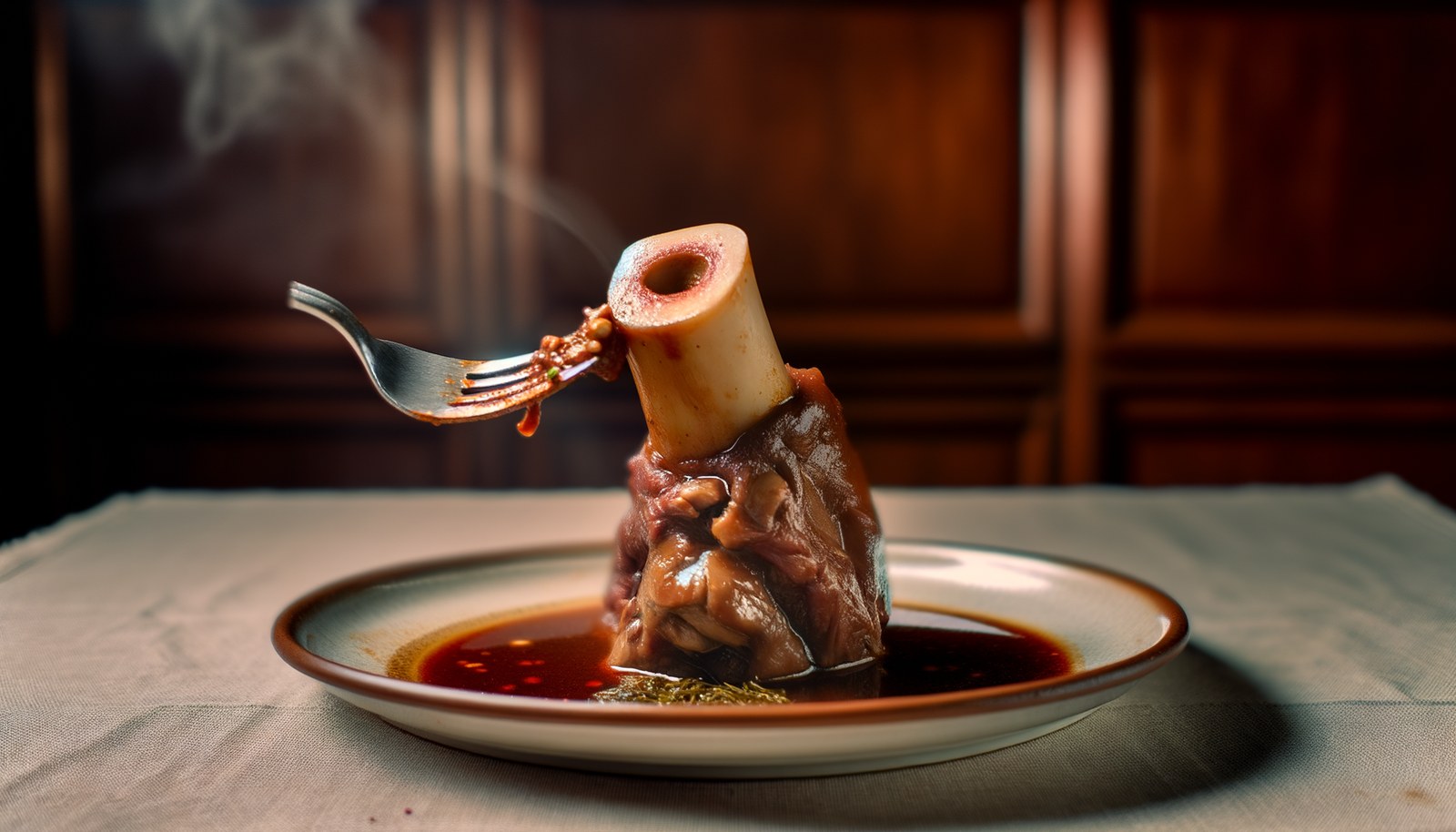
The algorithm noticed something about this corridor that the guidebooks have missed. The execution scores are consistently high, not because the restaurants are fancy—most are not—but because consistency outlasts trends. A kitchen that has made the same osso buco for thirty years knows exactly how long the braise takes. It knows the exact temperature at which the meat stops resisting the fork. It knows that selling frozen pasta to tourists is not a business; understanding your regulars is. **Zavino.** **Tre Scalini.** **La Famiglia.** These are not names on a list. These are addresses where the same families have been eating dinner for generations.
Pasta and the language of red sauce
The most dangerous assumption about Italian food in America is that it got worse when it got old. The opposite is true in Bella Vista. The restaurants that opened in the 1980s and 1990s are the ones still pulling crowds on Tuesday nights because the Sunday sauce—what some call red gravy, what the neighborhood just calls sauce—has been tasted and adjusted ten thousand times. It tastes like muscle memory. It tastes like someone's grandmother standing over a pot for six hours, adjusting salt and acid the way a musician adjusts pitch.
Risotto appears on menus here not as a seasonal special or a tasting-menu flexing but as a standard course. The difference matters. When risotto is a standard course, the kitchen has to execute it perfectly every night. The stock has to be ready. The arborio rice has to be the right age. The stirring—and there is no shortcut to this part—requires attention that cannot be faked. At **Tre Scalini**, the risotto arrives before the pasta. At **Marcellos**, it arrives as part of the mid-course momentum. The positioning changes, but the skill does not. These restaurants have learned something that tasting menus are still trying to prove: consistency is a harder skill than innovation.
How a neighborhood eats
The restaurants on 8th Street do not exist in isolation. They exist as part of a neighborhood ecosystem where people walk to dinner, where the bartender at the corner store knows what wine you drink, where the Italian bakery next to the pasta shop sources flour the way the pasta shop sources tomatoes—by knowing the person who made it. This is not nostalgia. This is how food systems work when they have been allowed to settle. A block where rent is stable and the landlord does not evict you because a chain restaurant will pay more is a block where people can afford to cook the same way their parents cooked.
Other neighborhoods in Philadelphia have tried to replicate this. South Philadelphia has the Italian Market, which is touristy. Northeast Philly has Italian-American restaurants, which are corporate. Bella Vista has **Farina** and **Alla Spina** and **Amis** and **Valanni**—restaurants that cook like Italian neighborhoods cook because the people running them learned it in Italian neighborhoods. The scoring pattern is consistent: execution in the high eighties and nineties, value that pencils out because rent is not a Manhattan number, context that the algorithm cannot fully capture because it requires understanding what a neighborhood actually is.
What happens when a neighborhood stops performing
The reason Bella Vista Italian food is underrated is simple: it stopped trying to be rated. The restaurants here are not on Instagram because the people eating at them do not post. They are not reviewed in the major press because the major press stopped coming to neighborhoods that do not serve as destinations. They are just open, Tuesday through Sunday, serving the same people who have been coming for twenty years, adding new people slowly, not chasing volume or visibility. A city block that has been cooking the same way for forty years does not change for Instagram.
This is precisely why it works. The menu at **Vetri Cucina** changes because Vetri chases stars. The menu at **Tinto** changes because Tinto is reading what the market wants. The menu at Tre Scalini does not change because the market—the neighborhood—has already decided what it wants. The algorithm sees this and marks it accordingly. Execution consistency. Value consistency. Context consistency. The scoring does not require innovation. It requires showing up.
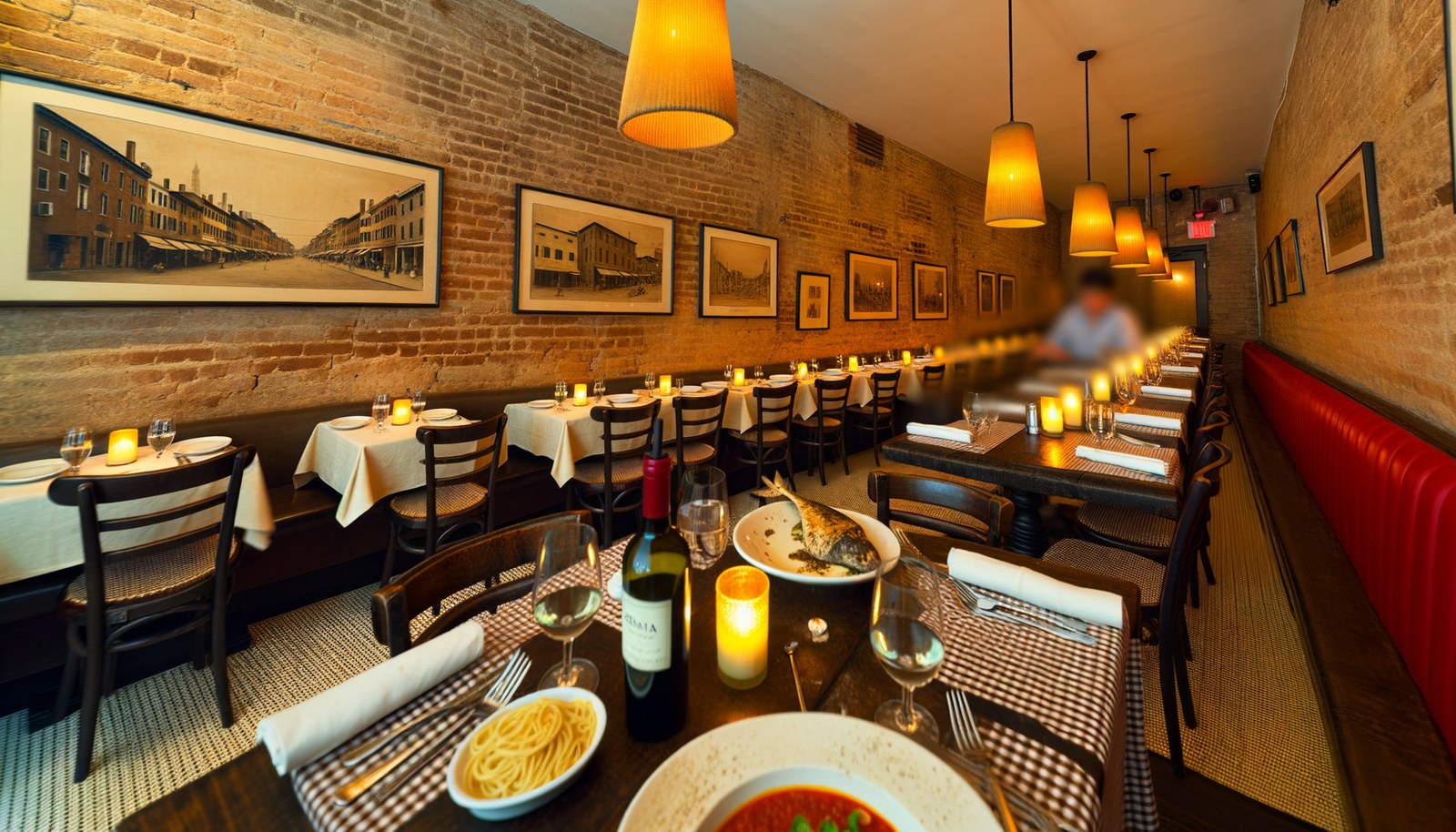
A city block that has been cooking the same way for forty years does not change for Instagram.
Neighborhoods survive when they stop trying to become what tourists want and start serving what residents actually eat.
We test dishes so you don't have to. No spam — just the best food, neighborhood by neighborhood.