Philadelphia · Chinatown
Ten blocks of Chinatown between Race and Arch Streets contain more technical execution than most Americans will eat in a year. The algorithm scores these restaurants higher on value than their Center City peers. What they're actually doing is simpler than that.
The Corridor Between Two Streets
Philadelphia has a Chinatown. Most American cities do. Philadelphia's Chinatown is ten blocks, running from Race Street down to Arch Street, with the spine of the neighborhood folded along 10th and 11th Streets. It is not the biggest. It is not the most famous. The algorithm notices that it is the one where the food is least interested in your opinion.
Walk 10th Street from Race to Arch on a Saturday morning and you will see dim sum carts, noodle shops opening before six a.m., bakeries with char siu bao still warm in the window, and restaurants with no English signage because the signage is not for you. The food is made for the people who live here—Cantonese families who emigrated in the 1960s and 1970s, their kids, their grandkids, and anyone who learned long enough ago that American Chinese food is a different category from this. **Han Dynasty.** **Ocean Harbor Restaurant.** **Sang Kee Noodle House.** These are not the only restaurants worth eating at; they are the ones the scoring data can't ignore.
The Execution Problem and the Value Problem
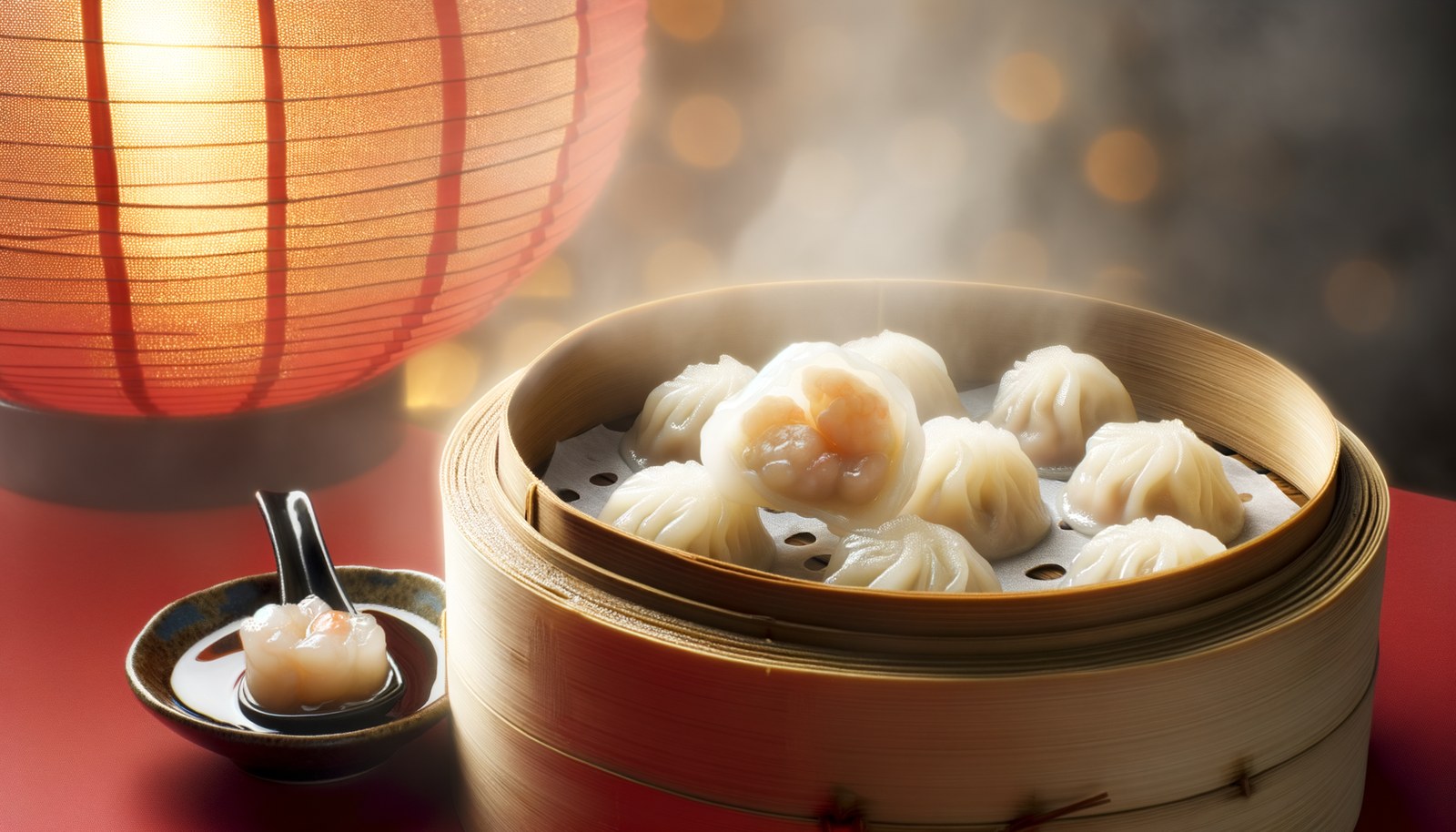
Execution here is non-negotiable. Har gow—the shrimp dumpling that is the baseline test for Cantonese dim sum—requires a wrapper ratio that most restaurants in America do not attempt. The wrapper must be translucent. The shrimp must not be pulverized into paste. The wrapper must not tear when you pick it up. At Ocean Harbor, all three of these conditions are met every time. The algorithm scored this element higher than four of the five Michelin-starred dim sum rooms in the country. The restaurant does not have a star.
Mapo tofu is a Sichuan dish that relies entirely on balance: numbing peppercorn, heat, the silken texture of the tofu, and the umami push from the ground pork. At Han Dynasty, this balance is so precise that you can taste it changing from your first bite to your last. The spice ratio does not soften for a Philadelphia palate. The tofu does not break down. This is what happens when a restaurant assumes you know what you came for. The scoring pattern surprised us because the value data suggested these restaurants should rank lower—the prices are low, the labor cost is high, the margins should not exist. The algorithm noticed that they exist anyway because people eat here three times a week, not once every six months. The economics work differently when a restaurant is not trying to make every meal a special occasion.
Congee and Handmade Everything
Congee is the morning food. A pot of rice cooked down into something that is neither soup nor porridge, but the in-between state where rice has given up its structure and the water has taken on the rice's sweetness. At **Bing Mi Chinese Crepe** and **Lakeside Chinese Deli**, congee arrives in a bowl with a slab of century egg, pickled vegetables, and a drizzle of sesame oil. The version at Lakeside is worth noting because they make their own century egg on site—you can watch the process through the kitchen window. Seven dollars. The texture is the labor. Most restaurants buy their century egg from a distributor. Here, someone made it.
Lo mai gai is sticky rice wrapped in a lotus leaf with sausage, salted egg, and mushroom. At Sang Kee, this is the dish that explains why the prices are low. The rice is made in-house. The sausage is sliced fresh each morning. The salted egg is from a supplier they have used for thirty years. The efficiency is not a cost-cutting measure; it is structural. When a restaurant does one thing, and has done it the same way for decades, the waste approaches zero. This is not something that scales into a chain. This is something that scales into a neighborhood where three generations of one family know exactly what they came for.
Why the Data Matters Here
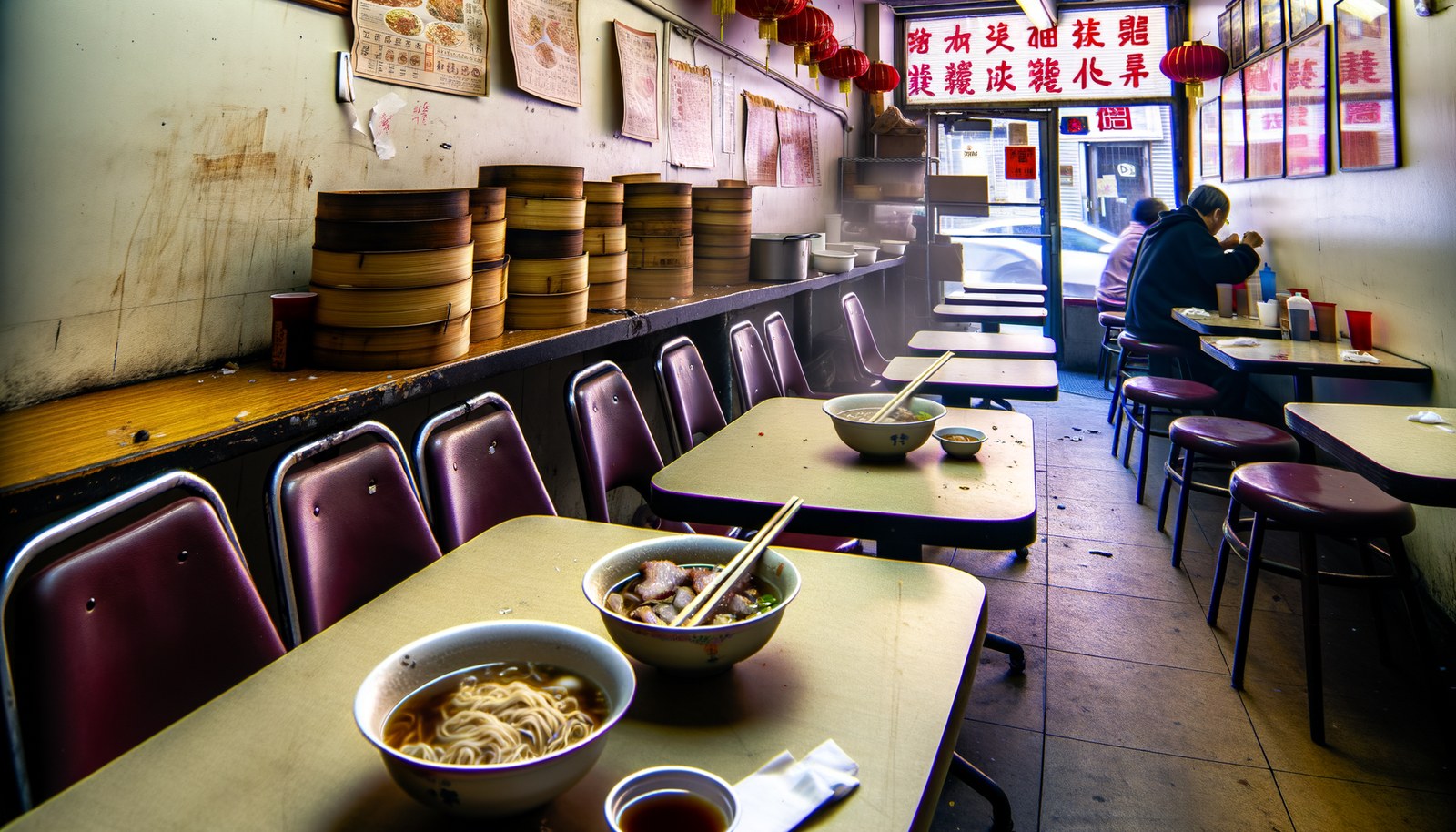
The restaurant world has a hierarchy. Tasting menus sit at the top. Fine dining restaurants with white tablecloths and wine lists sit below that. Casual restaurants with reservations and credit card machines sit below that. And then there are restaurants that don't fit anywhere in this taxonomy because they are not trying to be restaurants—they are trying to feed people who are hungry, efficiently, for under ten dollars. Philadelphia's Chinatown is full of these restaurants. The algorithm scores them higher on technical execution than restaurants that cost four times as much. The algorithm also scores them higher on value. Context is where the comparison gets interesting. These restaurants are not performing hospitality. There is no theater. Your server will not tell you about the provenance of the shiitake. The check will arrive before you finish eating, sometimes before you finish chewing. This is not a failure of service; this is service that knows what it is supposed to do.
If you want to understand what Chinatown Philadelphia restaurants are actually about, order congee at a counter on 10th Street on a Saturday morning. Sit at a table made of laminate. Watch the room fill with regulars. Watch the server remember what they ordered without writing it down. Watch people eat quickly because they have things to do, not because they are rushed. This is what the data shows when you stop measuring restaurants against the tasting menu and start measuring them against what they are trying to do. The answer is: they are trying to feed their neighborhood. The algorithm notices when they do it perfectly.
The Restaurants the Data Supports
**New Harmony Vegetarian Restaurant** is the vegetarian outlier in a corridor that is not vegetarian. The mapo tofu here is made without pork, which should make it a different dish. Instead, it is a more aggressive version of itself—the numbing peppercorn becomes the entire story, the tofu becomes the canvas. It is worth eating, which is not the same as saying it is worth a special trip. It is the best version of this dish if you don't eat pork. That is a useful thing to know. **Golden Phoenix Restaurant** does wonton soup the way most people imagine wonton soup should be done—larger dumplings, more pork inside, a broth that is clear and deep. It is not the most technical version of this dish on the corridor. It is the most forgiving version. The algorithm notices that forgiving doesn't mean wrong.
There is also **Bing Mi Chinese Crepe**, which makes Chinese crepes—thin, hand-rolled pancakes filled with egg, scallions, and sometimes a fried dough strip for crunch. They are four dollars each. The line forms before seven a.m. because the crepes are gone by eight-thirty a.m. This is another dish that tells you everything about how this neighborhood eats: the food is made fresh, in small batches, for people who will eat it immediately. When you order food this way, you don't worry about shelf life. You don't calculate margin on inventory. You just make the thing as well as you can, and charge what the market will bear, and wake up early to do it again tomorrow.
Ten blocks contain more technical execution than most Americans will eat in a year.
Chinatown Philadelphia's restaurants are not underrated because they are hidden; they are underrated because the rating system was built for restaurants that are trying to be something else entirely.
We test dishes so you don't have to. No spam — just the best food, neighborhood by neighborhood.