Philadelphia · Fishtown
Fishtown's BYOB scene isn't trying to outrun Center City. It's running in the opposite direction—toward smaller checks, longer wine lists brought from home, and the kind of food that gets better every time you come back. Frankford Avenue is where that math works.
Frankford Avenue's BYOB Arithmetic
Fishtown's restaurant economics run on a principle that Center City abandoned years ago: margins work better when you let the customer control the wine. A bottle that costs eighteen dollars at a wine shop stays eighteen dollars. The same bottle on a restaurant list moves to fifty-two. Remove the markup, cut the front-of-house labor, and suddenly a chef can afford to source better fish, braise longer, taste more often. Frankford Avenue learned this early. The street now runs on BYOB logic—not as a novelty, but as structural fact.
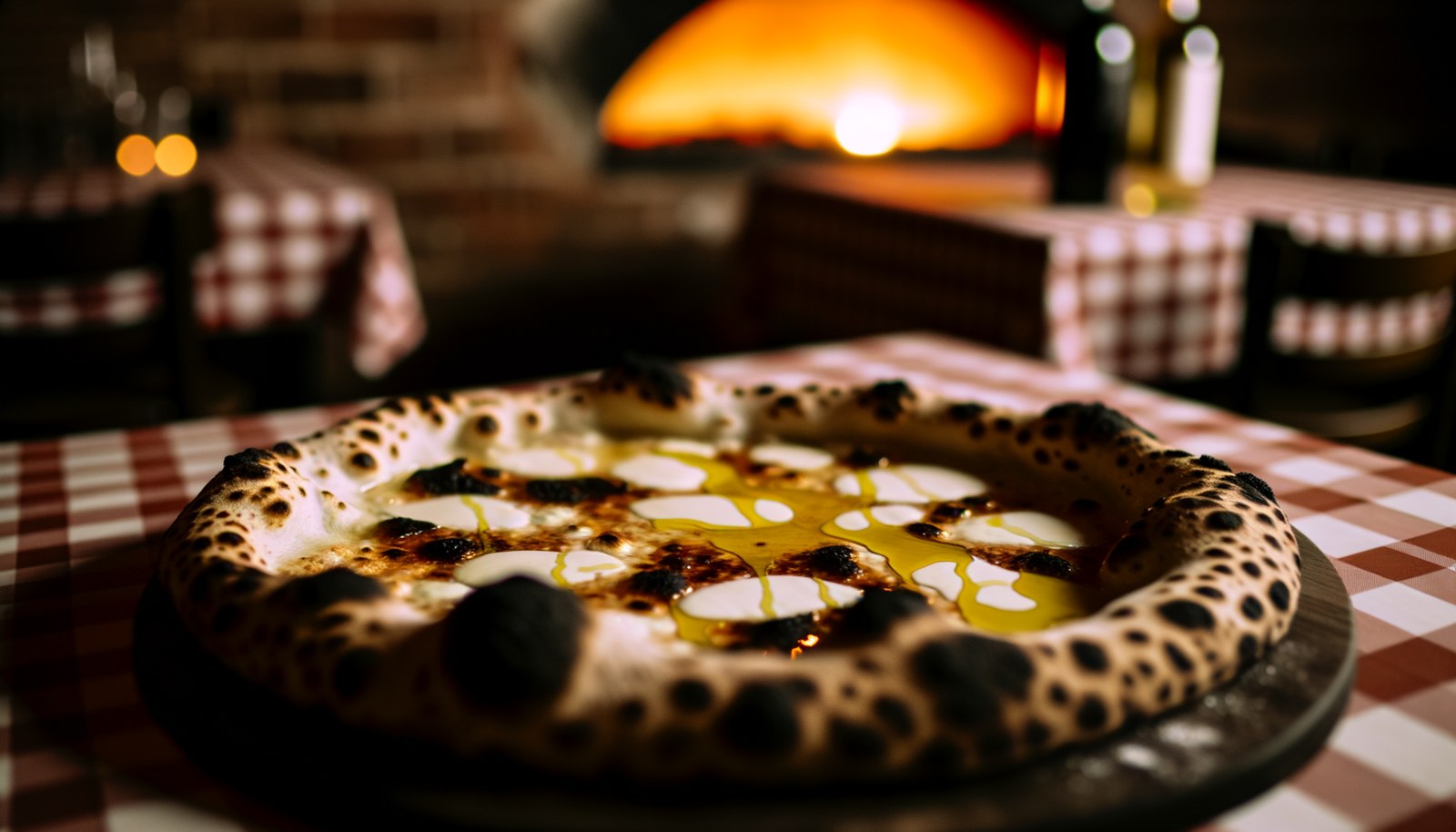
The corridor between Front Street and Girard Avenue holds restaurants that have watched Center City's tasting-menu obsession with polite skepticism. **Laurel**, **Pizzeria Beddia**, **Frankford Hall**—these aren't the restaurants that made Fishtown famous, but they represent what Fishtown has become. A neighborhood that builds food around the idea that a great meal doesn't require a sommelier to explain it. The algorithm notices neighborhoods where the average check is lowest and the regulars are deepest. Frankford Avenue checks both boxes.
Small Plates as a Philosophy
Fishtown's restaurants don't do tasting menus because they can't afford the front-of-house labor. They do small plates because small plates ask a different question than large ones. A large plate demands that every component be perfect and separate. A small plate asks if the components talk to each other. If they do, the plate works. If they don't, it's 3 ounces of failure instead of 10. Seasonal menus follow the same logic. A chef who changes the menu four times a year is a chef who's tasting the market, not working from a document.
This is where Fishtown's BYOB restaurants separate from gastropub culture. The gastropub brought the idea that bar food could be good. It didn't bring the idea that bar food should change. **Laser Wolf**, **Nester's Market**, and **Lilia** (in nearby Kensington, but operating on Fishtown principle) rotate ingredients with the season. A charcuterie board in November is different from a charcuterie board in May because the cheese, the cured meat, and the context are all different. The seasonal menu isn't marketing. It's the only honest way to write a menu.
Farm to Table Without the Marketing
Fishtown avoids the phrase "farm to table" the way it avoids Michelin reviews. The phrase has been used to justify price increases in every city in America. It has become cover for restaurants that source from the same distributor everyone else uses, then mention the farmer's name on the menu. Frankford Avenue's BYOB restaurants don't use the phrase because they don't need to. They're too small to lie. If the produce is good, the cook will use it. If it's not, the cook will tell you. The regulars will know by the third week.
Walk into **Nester's Market**, **Res Ipsa**, or **Kalaya** on a Tuesday night and you'll see five tables and a counter. The chef can taste every plate before it leaves the kitchen. That structural fact matters more than any sourcing statement. Fishtown's restaurants are small enough that consistency is personal, not policy. That is what farm-to-table actually means, and Frankford Avenue stopped saying it out loud years ago.
Craft Beer and the BYOB Economy
Craft beer changed Fishtown twice. First, it gentrified it. Second, it proved that neighborhood restaurants didn't need wine lists to attract serious drinkers. A Fishtown bar with twenty taps and a beer list that changes weekly offers more pairing variation than a Center City wine list with three hundred bottles. The BYOB model accelerated this. If the restaurant doesn't sell wine, the customer brings what they want. If they want to pair a twenty-dollar bottle of Riesling with small plates, they can. If they want craft beer, they can walk three blocks to **Frankford Hall** or **Evil Genius** and grab a can. The economics separate. The experience doesn't.
This is why Frankford Avenue's BYOB corridor works where it shouldn't. By every metric—rent, foot traffic, size—these restaurants are operating on margins that should fail. They don't fail because they've outsourced the most expensive part of the business: the alcohol markup. The customer brings the good wine. The restaurant brings the good cooking. Craft beer exists in the middle, and everyone wins.
Why Fishtown Stayed Fishtown
Del Frisco's Row—the stretch of Frankford Avenue where the dive bars and corner stores held on longer than anywhere else in the neighborhood—never had the real estate pressure to become something else. The buildings are solid but unremarkable. The foot traffic is regular but not spectacular. The rents never spiked high enough to force compromise. A restaurant that can't afford Center City rent but also can't afford to fail moves to a neighborhood like this. It keeps hours that work, builds a menu it can afford to execute, and lets the regulars find it. **Nester's Market** and **Res Ipsa** exist because Frankford Avenue's rents allowed them to exist.
The restaurants that came after them understood the principle: build for the neighborhood first, for the algorithm second, for the tourist never. This is why Fishtown's BYOB restaurants have aged better than the city's fine-dining establishments. They aren't chasing trends. They're executing a simple idea—good small plates, seasonal cooking, customer-controlled wine, deep bench of regulars—with precision. The neighborhood stayed Fishtown because the restaurants chose to as well. That choice is structural fact, not marketing.
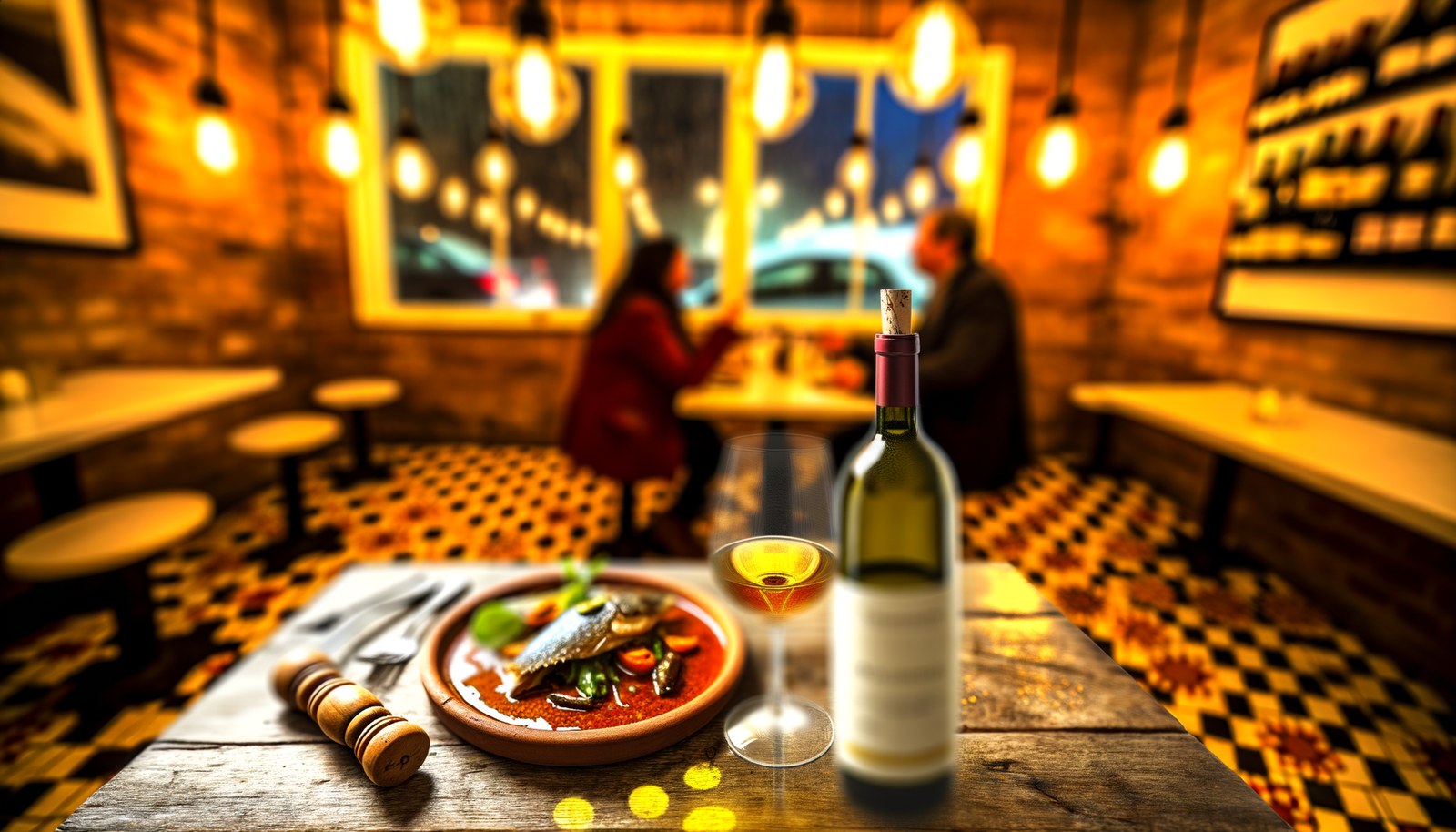
A city that lets you bring your own bottle is a city that trusts the food to stand alone.
A neighborhood's food culture is determined by the restaurants it keeps, not the ones it attracts.
We test dishes so you don't have to. No spam — just the best food, neighborhood by neighborhood.