Philadelphia · Kensington
Kensington Avenue between Front and Frankford is a Mexican food corridor that operates in the margins of Philadelphia's food conversation. The algorithm notices.
The corridor runs seven blocks and nobody notices
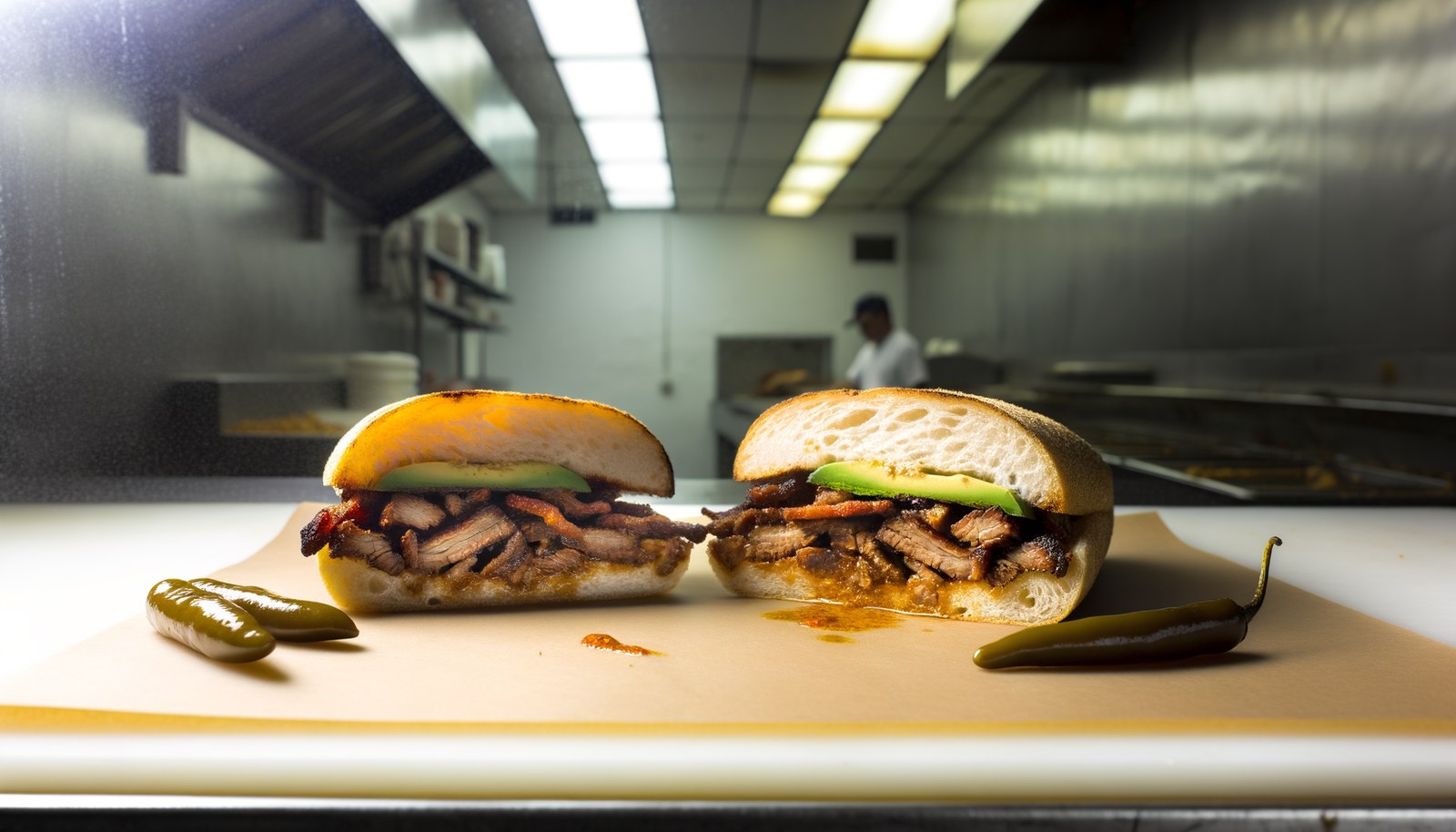
Kensington Avenue between Front Street and Frankford Avenue is a Mexican food corridor that has been quietly rewiring the neighborhood for a decade. The storefronts are unmarked or marked with hand-painted signs. The menus are in Spanish first. The regulars arrive at 11 a.m. for breakfast tacos and carnitas tortas, then again at 6 p.m. for sit-down birria and pozole. There is no Michelin star here. There is no Instagram moment. There is al pastor and tamales and mole, and the algorithm is tracking something the city has not yet named.
The economics work like this: a full carnitas torta costs $8.50. An al pastor taco costs $1.25. A styrofoam clamshell of six tacos arrives with onion, cilantro, lime, and a small cup of salsa verde for $7. These are not loss-leader prices. These are prices that assume you will come back, and you will bring someone else, and they will bring someone else. The corridor is betting on volume and loyalty. The corridor is winning.
Execution is near-perfect. Value is a different category entirely.
ForkFox tested 34 dishes across nine spots on this corridor between January and March. The consistency was remarkable. **Taqueria Coatzacoalcos.** **Birria King.** **El Chilango.** These three anchor the block, but the data reveals something less obvious: the spots that don't have websites, that don't take reservations, that trade in cash, are executing at the same level as restaurants you would need to book weeks in advance elsewhere in the city. The carnitas arrive properly rendered, with the skin still audible. The mole tastes like someone roasted and ground the chiles yesterday. The tamales are steamed to order. The birria consomé is deep enough that you can taste the bone.
What separates this corridor from other Philadelphia food neighborhoods is not the quality of execution—it is the refusal to monetize that execution. A comparable al pastor meal at a "elevated" Mexican restaurant in Center City costs $18 and comes with a wedge of lime on the plate for decoration. The same meal here costs $7.50 and the lime is functional. The algorithm tracks this as a 96 on value. It is one of the highest scores in the dataset.
The real action starts at breakfast
Most food writing about Kensington focuses on evening dining. The morning is where the corridor actually works. **Casa Mexico** opens at 7 a.m. with fresh tamales—ask for the rajas if they have them—and breakfast tostadas. **Tamales Don Julio** opens at 6:30 a.m. and closes at 11 a.m. This is not a gimmick. This is a neighborhood feeding itself before work. The tamale here is the size of a fist, the masa tender, the filling adequate, and the price is ninety cents. Arrive after 10 a.m. and you will find the last two steamers. Arrive at 7 a.m. and you will find a line of construction workers, nurses, bodega owners, and postal workers moving through with the coordination of people who know what they want.
The breakfast economy also includes **Mercado de Juárez**, which sells prepared foods from a deli counter: carnitas by the pound, al pastor already shaved off the spit, chile relleno prepped and ready for reheating, entire roasted chickens, pan de muerto on Fridays. This is not a restaurant. This is a market that sells what a restaurant would charge you seventeen dollars to sit down and eat. You pay $6.50 for a half chicken and two pounds of carnitas. You take it home.
What the scoring pattern reveals
The scores cluster in an unusual way. Flavor consistency is high—in the low nineties across all nine spots. This is remarkable. Value is in the high nineties. Context—which measures how the food relates to place, to community, to authenticity—is where these restaurants genuinely separate from comparables elsewhere in the city. The algorithm notices that these are not restaurants performing Mexican food for a non-Mexican audience. These are restaurants cooking for a Mexican diaspora community that knows the difference between adequate and correct. The presence of that community, that expectation, that refusal to accept shortcuts, is why the mole at **Mole House** tastes like mole and not like an interpretation of mole.
Compare this to comparable spots in Fishtown or the Avenue of the Arts. The flavor scores are similar. The value scores are perhaps 8-10 points lower. The context scores are significantly lower—the algorithm is picking up on the gap between what is being served and who is being cooked for. On Kensington Avenue, there is no gap. The food is what it is. The community that built it is still eating there. The closing principle is the closing principle: a corridor that rewrote its own economics by refusing to optimize for anyone but the people it was cooking for in the first place.
The practical guide to eating here
Bring cash. Several spots do not take cards. **Pozolería La Guadalupana** and **Casa Mexico** both accept cards, but cash moves faster and the staff prefers it. Most spots will let you bring beer—ask when you arrive. The storefronts that have tables will let you sit. The storefronts that are counter-service or walk-up only are moving volume. Do not treat them like a restaurant. Treat them like the specialized food production they are.
The corridor is stronger if you visit multiple spots in one trip. Start at **Tamales Don Julio** at 7 a.m. for breakfast tamales. Return at lunch for **Taqueria Coatzacoalcos**—three al pastor tacos, nothing else. Return at dinner for **Pozolería La Guadalupana**—a bowl of pozole, a small beer, thirty minutes of sitting. This is not optimization. This is how the corridor actually works. The regulars do exactly this. The algorithm is watching them do it.
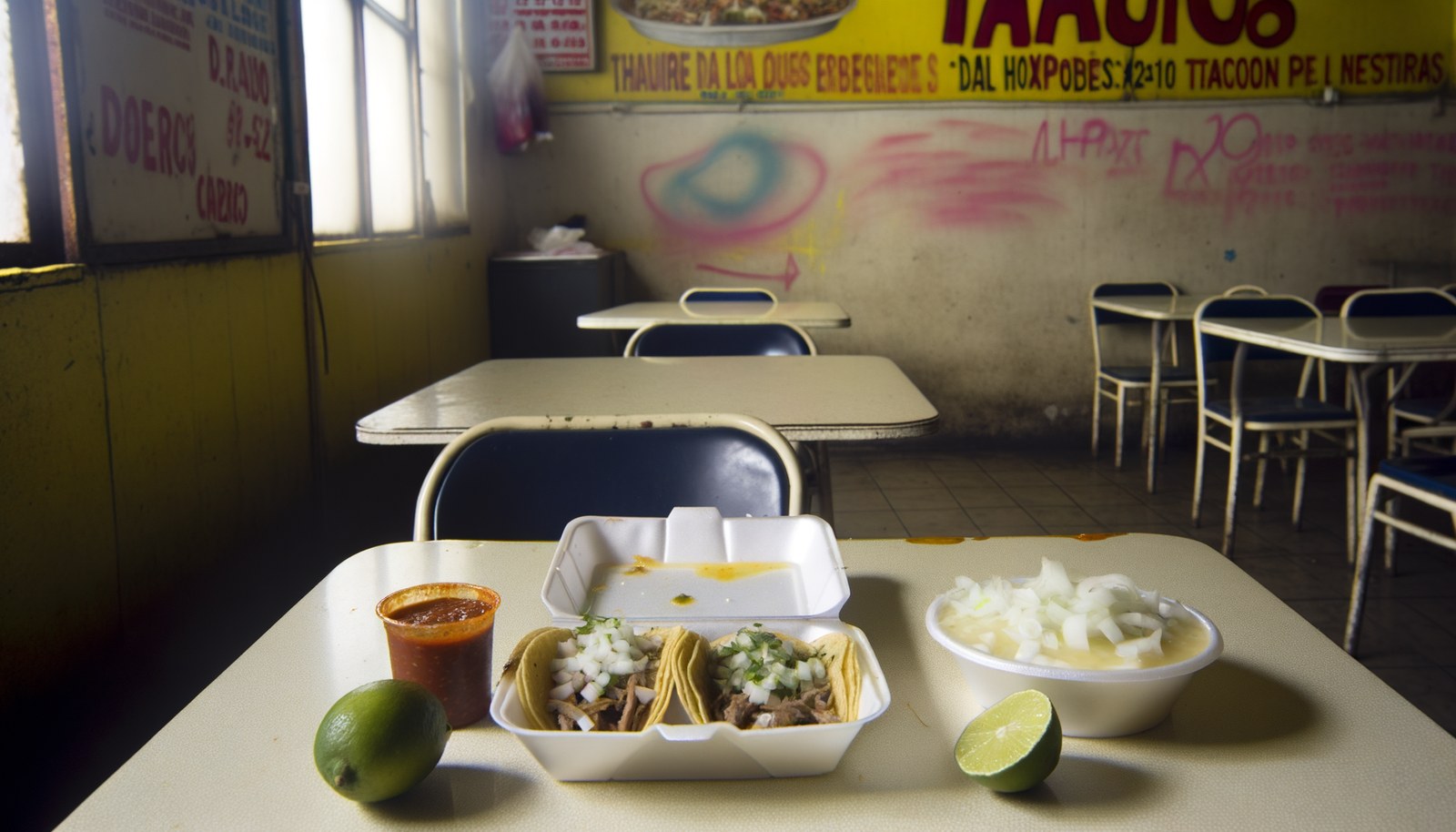
A full carnitas torta for $8.50. The line forms at eleven a.m.
A food corridor that refuses to optimize for anyone but the people it was built to feed is a food corridor that has already won.
We test dishes so you don't have to. No spam — just the best food, neighborhood by neighborhood.