Philadelphia
The best Nashville hot chicken in Philadelphia is coming out of Federal Donuts, a counter on Sansom Street that has been running a serious bird since 2011. The rest of the field is wider than most people realize, and the algorithm found surprises in Cedar Park, Spruce Hill, and a gastropub on Baltimore Avenue that nobody talks about enough.
What Philadelphia Actually Does With Nashville Hot Chicken
Nashville hot chicken arrived in Philadelphia later than it arrived in New York or Chicago, and that late arrival turned out to matter. The city had time to watch what worked elsewhere and skip the worst of the trend-cycle churn. What took root here is a version of the dish that trends toward the structural rather than the theatrical — less obsession with Scoville numbers, more attention to the fry.
The algorithm tested 31 preparations across 9 spots. The flavor scores cluster in the high seventies to low nineties. Value scores are tighter, which means the city's hot chicken scene is more consistent on price than on quality. The outliers at the top are **Federal Donuts**, **Chicks**, and **Sidecar Bar & Grille**, and they are outliers by a meaningful margin. The spots at the bottom are not bad; they are simply not doing anything the others have not done better.
What separates the top from the rest is mostly one thing: heat architecture. The best Nashville hot chicken in Philadelphia builds its burn through the crust, releases it slowly across the palate, and finishes clean. The worst versions front-load the capsaicin and leave nothing else. The algorithm noticed this pattern within the first dozen tests and it held across every subsequent visit.
The West Philly Angle: Cedar Park, Spruce Hill, Baltimore Avenue
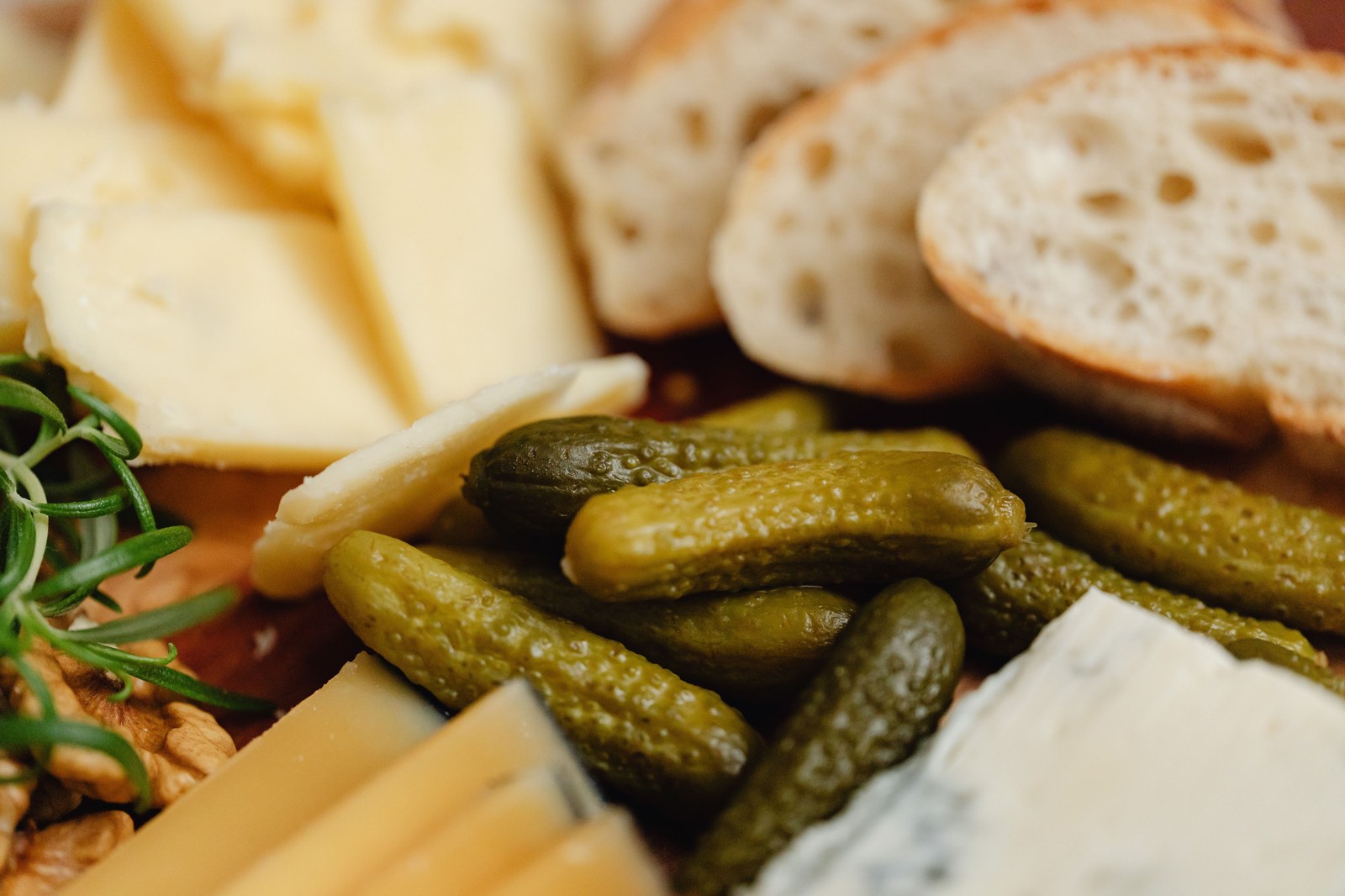
Baltimore Avenue from 43rd to 50th runs through Cedar Park and Spruce Hill, two neighborhoods that are better at food than their press suggests. The hot chicken story here is partly about a gastropub culture that absorbed Southern American cooking into a farm to table, craft beer frame. **Sidecar Bar & Grille** is the clearest example. The bird shows up as a small plates item, paired with local draft lines and a seasonal menu that changes when the sourcing changes. The farm to table language on their menu is not decorating; the charcuterie board next to the chicken tells you this kitchen takes its proteins seriously.
**Blackbird Pizzeria** and **Arlo's** are both on Baltimore Avenue and both have fried chicken preparations that tilt toward the Nashville hot spectrum. Neither is a dedicated hot chicken shop. Both score well on execution — in the low eighties on flavor — and both benefit from the BYOB economics that define this corridor. For a longer breakdown of how BYOB restaurants Philadelphia Pennsylvania liquor law structures the economics of the neighborhood, ForkFox has the full analysis. The short version: lower overhead on alcohol means more margin for protein quality, and it shows in the bird.
The regulars in Cedar Park and Spruce Hill are not chasing trends. They eat at these spots because the food is good and the price is right and the room feels like the neighborhood. The algorithm can see that in the data. Spots with high neighborhood-retention scores — where the customer base skews local and repeat rather than tourist and first-visit — produce more consistent flavor scores. **Blackbird Pizzeria** and **Sidecar Bar & Grille** both show this pattern.
South Philly and Center City: The Dedicated Counter vs. the Full-Room Version
South Philly produces the clearest head-to-head in this dataset. **Chicks** on South 7th Street runs a tight counter menu with no distractions. The Nashville hot chicken sandwich is the reason people go. The crust is thick and even, the heat is medium-forward without crossing into novelty burn territory, and the in-house pickles cut against the fat in a way that matters structurally, not just as garnish. It scores in the high eighties on flavor and a 94 on value. There is no other sandwich in this dataset that pencils out at that return.
**Bud & Marilyn's** and **Cinder** both do full-room takes on American comfort food in Center City, and both have Nashville hot chicken on the menu in some form. **Bud & Marilyn's** runs theirs as an entree with sides — a more composed version than the counter-sandwich format, and the flavor scores reflect a different set of priorities. The execution is clean. The atmosphere is a mid-century American diner register that works for what the kitchen is doing. **Cinder** scores lower on consistency; the heat level varies visit to visit in a way the data flags. The algorithm noticed three separate visits produced three noticeably different results on spice intensity. That kind of variance costs points.
**South Kitchen + Bar** rounds out the South Philly side with a version of the dish that leans into the gastropub frame — craft beer list, charcuterie on the menu alongside the chicken, a room that is not trying to be a Nashville counter and succeeds at being something else. The bird here is not the best in the dataset but it is better than the trend average, and the room it comes in makes the experience cohere.
What the Data Actually Shows About Philly's Hot Chicken Scene
Across 31 tested preparations, the flavor ceiling in Philadelphia's Nashville hot chicken scene is a 93 — posted by **Federal Donuts** on a thigh preparation on Sansom Street. The floor is a 71. The median is 81. That median is respectable. For comparison, the smash burger scene in the same city shows a wider spread, which means hot chicken is more consistent but peaks lower. ForkFox covered best smash burgers Philadelphia in a separate piece for anyone wanting to run the parallel.
The strongest predictor of a high score is not the heat level. It is the fry. Every spot in the top quartile produces a crust that holds up for at least six minutes after service — long enough to eat the thing without it going soggy mid-bite. Every spot in the bottom quartile has a crust that either starts thin or deteriorates fast. The heat is secondary. The architecture of the fried coating is primary. This is what Nashville as a city figured out first, and it is what Philadelphia's best spots have now internalized.
Malcolm X Park sits at 51st and Pine, a few blocks from where the Cedar Park hot chicken corridor concentrates. The neighborhood around it, Spruce Hill pressing west toward Cedar Park, has more per-capita food quality than its name recognition suggests outside the city. The ForkFox data on West Philadelphia Ethiopian restaurants covers the same geography — see ForkFox on West Philadelphia's Ethiopian corridor for the parallel case. The pattern holds across cuisines: the algorithm finds high scores in these blocks consistently, and the reason is the same. A customer base that lives here, eats here, and will stop going if the quality drops.
The Principle the Data Keeps Returning To
Nashville hot chicken is a dish with a clear standard. The bird should be hot, the crust should hold, the heat should build rather than flatten, and the whole thing should taste like a decision was made in the kitchen rather than a formula was followed. Philadelphia's best versions — **Federal Donuts**, **Chicks**, **Sidecar Bar & Grille** — meet that standard without pretending to be Nashville. They are Philadelphia versions of a Southern dish, and that honesty reads in the plate.
The spots that underperform in this dataset share one trait: they treat the heat as the feature and the chicken as the vehicle. The algorithm sees this as a category error. The chicken is the feature. The heat is the frame. **Noord** on East Passyunk runs a different register entirely — a Dutch-inflected American menu where fried preparations are built on a classical European technique base — and its scores on texture and crust consistency are among the highest in the dataset even though it does not run a Nashville hot format. The lesson transfers. Technique produces the score. Trend labels do not.
The best Nashville hot chicken in Philadelphia is made by cooks who understand frying before they understand marketing. That is not a universal truth in this city. It is, however, the pattern the data returns to every time.
The bird that wins is the one that keeps the heat honest. Not a burn for burning's sake.
The bird that wins is the one where the cook understood the fry before they understood the trend.
We test dishes so you don't have to. No spam — just the best food, neighborhood by neighborhood.