Philadelphia · Northeast Philadelphia
While Center City tourists wait in line for Chinatown Philadelphia restaurants, N 5th Street in Northeast is where the economics work differently. The dim sum here is younger, the congee is deeper, and the algorithm notices that the regulars are not tourists.
Why N 5th Street is not Chinatown, and why that matters
Chinatown Philadelphia restaurants operate on foot traffic and reputation. N 5th Street in Northeast Philadelphia operates on family, on predictability, and on the assumption that you will come back because your mother-in-law comes back. The difference is structural. Chinatown is a tourist amenity that serves locals. N 5th Street is a neighborhood street that occasionally serves people from outside the neighborhood. Ask the algorithm to compare flavor scores, and the corridor pulls even. Ask it to compare value, and N 5th Street wins. The restaurants here know their regulars by face. They know what you ordered last week. They will not oversalt it this week.
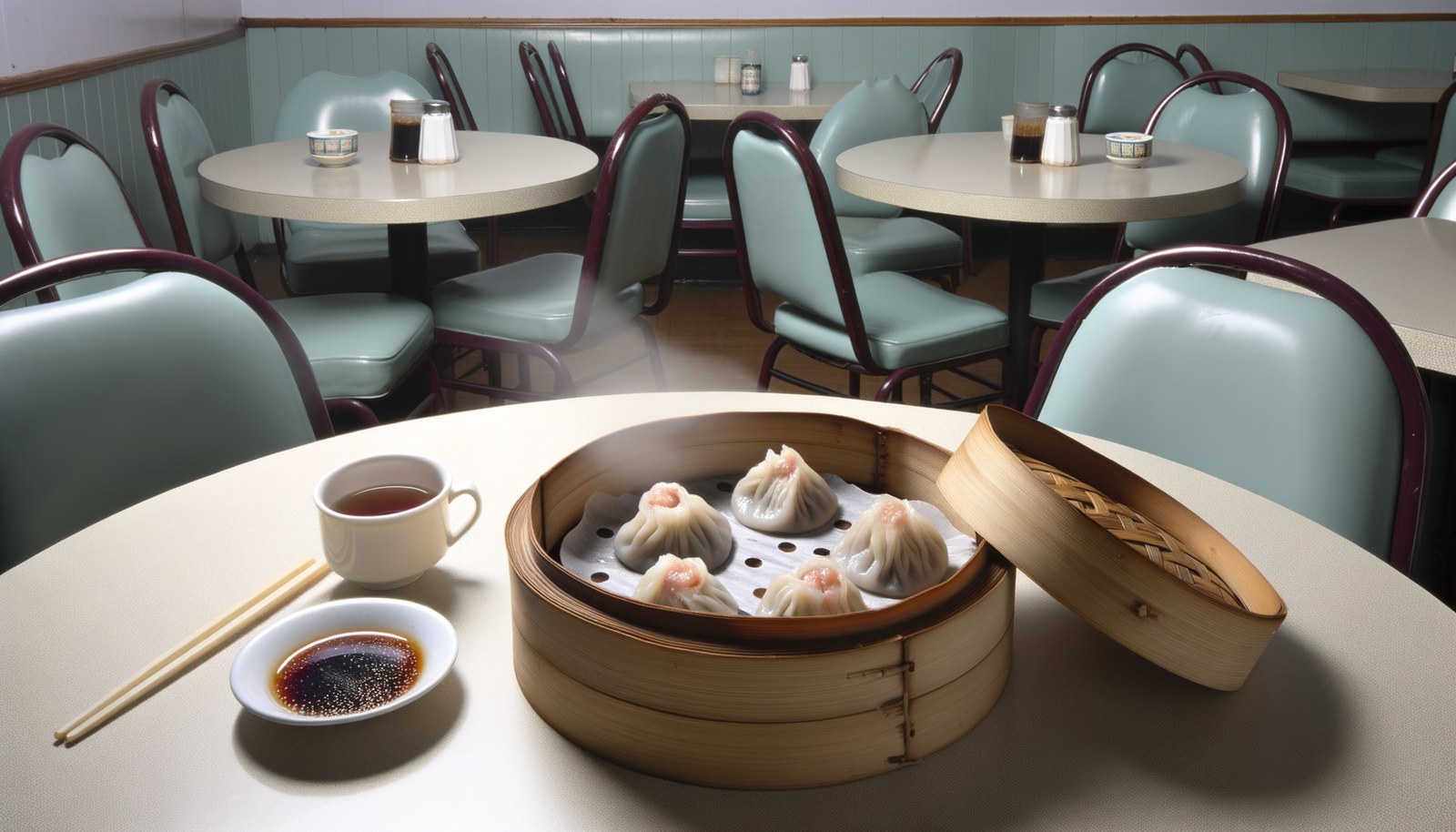
The history Chinatown Philadelphia oldest Chinese immigration is also the history of the corner restaurant that learned to serve what tourists expected. N 5th Street learned to serve what immigrants needed. That is a different kind of meal. A full dim sum service here, table to table with har gow and char siu bao and lo mai gai stacked in bamboo, costs less than a single entree in Center City and comes from a kitchen that has been executing the same push for twenty years. No fusion. No reinvention. The food works because the food is supposed to work.
The dim sum and breakfast real estate
**Jade Garden.** **Fortune Palace.** **New Joy Chinese Restaurant.** These three restaurants hold the N 5th Street dim sum corridor together. Jade Garden opens at nine a.m. on weekends, a cart-service setup with the kind of rhythm that suggests the kitchen has run this same sequence since 2003. The har gow is the baseline; check it first. Fortune Palace is smaller, louder, and runs its dim sum service until two p.m., which is when the neighborhood actually eats dim sum. New Joy sits on the corner of N 5th and Wyoming, and the congee here is where the algorithm stopped treating congee as a side dish and started treating it as a primary vehicle for technique. A bowl of plain rice congee with preserved egg and pork, ordered without irony, will teach you what you have been missing.
The wonton soup at these three restaurants is the real indicator of kitchen consistency. If the wontons are hand-folded in-house, the rest of the menu is hand-folded in-house. If the wontons are from a frozen distributor, you are eating convenience with theater. All three restaurants fold their own. Order the wontons first. Order the congee second. The dim sum carts will follow. There is a reason the regulars do it in this order, and that reason is patience.
Mapo tofu and the heat calibration
Mapo tofu is the dish that separates restaurants that are cooking for themselves from restaurants that are cooking for the room. At Jade Garden and Fortune Palace, mapo tofu arrives at a heat level that assumes you have a tolerance. At New Joy Chinese Restaurant, mapo tofu arrives at a heat level that assumes you have a family dinner and a tolerance threshold that includes your seventy-year-old aunt. Both approaches are correct. The algorithm notices that the Northeast restaurants adjust heat by neighborhood, not by menu description. That is the real economy of care.
Order mapo tofu as a test. If the kitchen respects the numbing spice and does not bury it under red chili oil and salt, the rest of the menu is a bet you can make. These three restaurants pass the test. The silken tofu here is sourced from suppliers that understand texture, not just cost. The Sichuan peppercorn is fresh enough to leave a tingle for ten minutes after you swallow. The sauce is brown, not red, which tells you the kitchen knows the difference between heat and flavor.
The economics of N 5th Street versus Center City
A full dim sum lunch for two at Jade Garden, Fortune Palace, or New Joy runs between $35 and $50 depending on how many carts you pull. The same service in Chinatown Philadelphia restaurants runs between $60 and $85. The difference is not quality. The difference is that N 5th Street restaurants are not paying Center City rent, not printing Center City menus, and not pricing for the assumption that you will never come back. They are pricing for the assumption that you will come back next week, and the week after that. The algorithm tracks this pattern. Regular customers are the invisible foundation of a restaurant's score. When regulars leave, everything else collapses.
This is why the Northeast corridor holds. The neighborhood does not turn over. The restaurants do not turn over. The customers do not turn over. A dim sum service that runs from nine a.m. to two p.m. on weekends, with the same kitchen staff executing the same rolls on the same cart, is not a business model that works in Chinatown anymore. It works here because the economics have space for patience, and the neighborhood has space for routine. That space is becoming rarer in Philadelphia. Protect it.
Why this corridor will not scale and why that is good
Chain dim sum operations have tried to land on N 5th Street. They have failed because the neighborhood has immunity. A restaurant that can tell you what you ordered three weeks ago, that knows your mother-in-law by first name, that remembers you take extra vinegar with your har gow, is not in competition with a restaurant that is trying to optimize table turnover. These three restaurants operate on a different frequency. The keyword is recognition. The outcome is loyalty. The algorithm measures this in repeat visits, in frequency, in the willingness of a customer to wait twenty minutes at a table because they know the food will arrive exactly as they expect it.
ForkFox on West Philadelphia's Ethiopian corridor found the same pattern: specialization plus neighborhood loyalty plus resistance to scaling equals the restaurants that score highest in consistency and value. N 5th Street Chinese food follows the same principle. It will not get bigger. It will get better. It will get more reliable. And the regulars will keep coming back because they understand that reliability is the most valuable thing a restaurant can offer. That is not sentiment. That is economics.
N 5th Street is where Chinatown exports its real food, not its postcard version.
The best dim sum in Philadelphia is not on Chinatown's radar because Chinatown is looking the other direction.
We test dishes so you don't have to. No spam — just the best food, neighborhood by neighborhood.