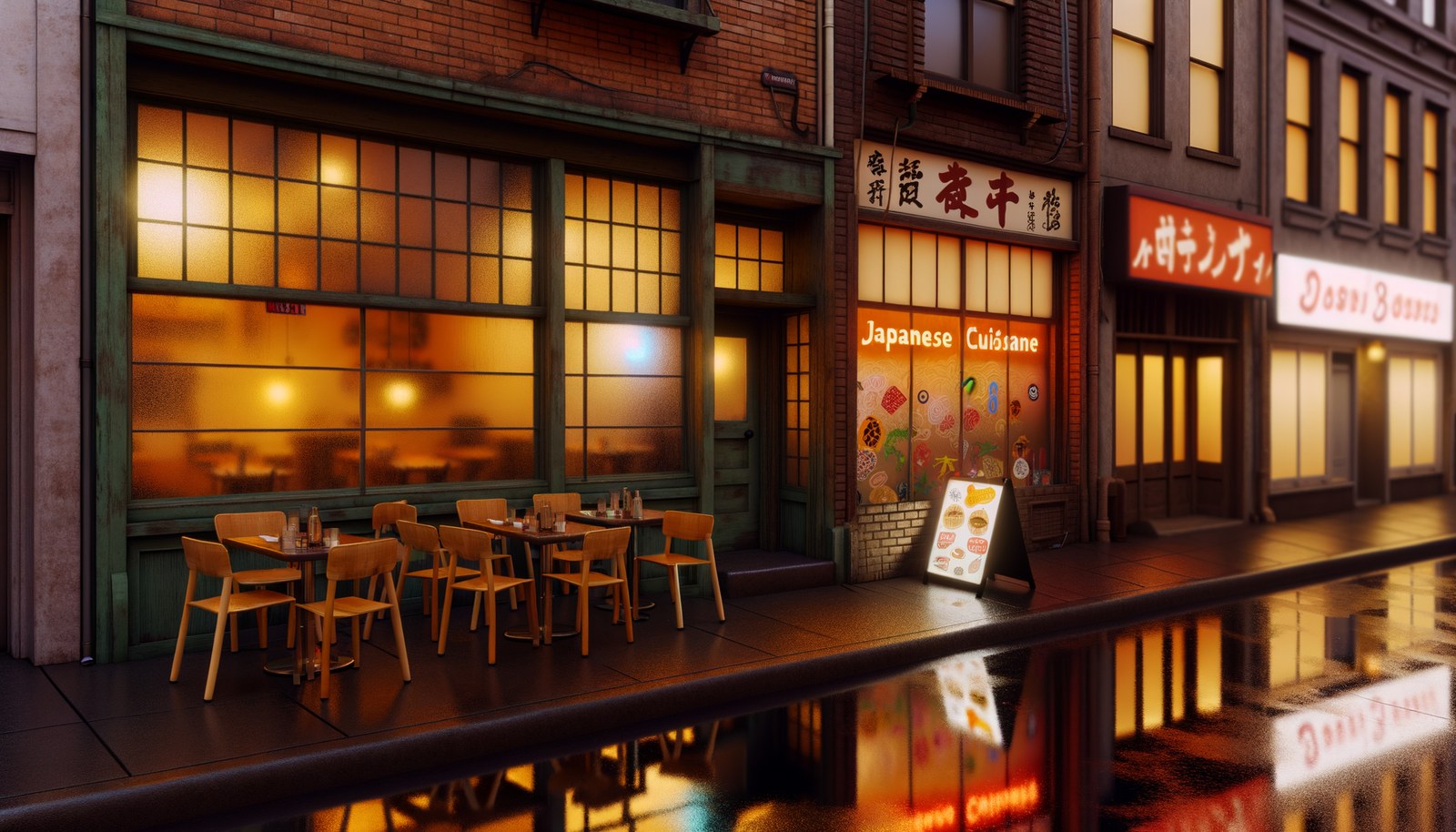
San Francisco · Outer Sunset
The guides point you toward Japantown. The algorithm points you toward Irving Street.
What Irving Street Is and What It Is Not
The Outer Sunset is the part of San Francisco where the fog is not a personality trait but a weather condition. The restaurants here are not angling for a table in the Chronicle. They are not calibrated for the tourist who came from Japantown and wants the same thing with better parking. Irving Street runs straight west from the park toward the ocean, and the Japanese food along it and just off it has been quietly accumulating for decades without needing a press cycle to stay open.
The distance from Japantown to the Outer Sunset is four miles. The cultural distance is larger than that. Japantown is a district built to be seen — the Peace Plaza, the mall, the photogenic exteriors. The Outer Sunset is a place where Japanese families ate before there was a food media to tell them where to eat. That history sits in the storefronts, in the menus that have not been redesigned since 2008, in the lunch specials priced for the person who eats here twice a week rather than the person who is on a food trip.
The algorithm noticed something specific here. Flavor scores across the Japanese spots on and near Irving Street track consistently in the high eighties. Value scores are higher. The gap between those two numbers is narrow — a sign that the kitchen is doing real work rather than relying on a pricing structure that forgives mediocrity. That gap is rarer than it sounds.
The Noodle Case: Udon, Soba, and Ramen Without the Line
San Francisco has decided that ramen is the thing you wait forty-five minutes for on a Friday. The Outer Sunset missed that memo. The tonkotsu at a couple of the neighborhood spots is not trying to win a noodle competition in SoMa. The broth is rich without being theatrical about it. The noodle has the right resistance. The egg is soft in the center. These are not revelations; they are standards, and meeting them consistently is harder than the hype around any single bowl suggests.
Norikonoko makes the case for soba as the more serious noodle in the city's Japanese repertoire, even if ramen gets the column inches. The buckwheat here is house-milled, which is either a detail you care about or one you will care about after you taste the difference. The Friday soba service runs out early. That is not a marketing strategy — the kitchen makes what it can make well and stops. The regulars know to arrive before seven.
Udon is the sleeper. It requires less infrastructure than ramen and is harder to fake than soba, because the texture of the noodle has nowhere to hide in a clear broth. The udon bowls along the Irving corridor score above the neighborhood average on execution, which is a specific thing the algorithm tracks and a less specific thing that is difficult to explain without eating one. Order it. The broth will be hotter than you expect. That is correct.
The Izakaya Mode: What Drinking and Eating Together Actually Looks Like
The izakaya format is not a concept in the Outer Sunset. It is how certain restaurants are built — small menus, moderate drink lists, yakitori counted by the stick rather than by the plate. Gochisou operates in this mode without announcing it. The room seats fewer than thirty. The beer is cold. The yakitori comes off the grill at the pace the grill allows, which means you are not eating everything at once, which means you are there for an hour and a half and leave having spent less than the prix-fixe at three other places you considered.
Donburi here is a lunch institution in the way that the sandwich is a lunch institution in other neighborhoods. The rice bowl at a neighborhood izakaya in the Outer Sunset carries a price that reflects a customer base eating there on a Wednesday rather than a special occasion. That price point — under fifteen dollars for a composed bowl with protein and a clean broth on the side — is not found in the neighborhoods that got the food-press attention in the last decade. The algorithm can see the difference between a price that reflects the customer and a price that reflects the real estate.
Compare this to what the city's marquee Japanese names charge for the same format. Okane in SoMa and Izakaya Rintaro in the Mission are serious restaurants making serious food, and their price points reflect it. The Outer Sunset spots are not trying to compete at that level. They are doing something adjacent and arguably more useful: feeding the neighborhood at a number that lets the neighborhood keep coming back. For more on how the city's Japanese food press attention distributes unevenly, ForkFox on Financial District dim sum patterns shows a similar dynamic playing out in a different cuisine.
The Counter: Omakase Without the Theater
The word omakase has been doing a lot of work in San Francisco food writing for the last eight years. The tasting-menu version — the reservation six weeks out, the carbon-fiber chopstick rest, the chef who narrates each course like a documentary — is real and occasionally worth it. It is not the only version. Kappou Gomi has been running a counter omakase in the Geary corridor — close enough to the Outer Sunset to share a clientele — at a price point that does not require a special occasion to justify. The courses come when they come. The tempura is crisp in the way that tempura is only crisp when the oil is the right temperature and the batter is the right thickness and someone is paying attention to both at the same time.
The distinction the algorithm makes here is between execution and performance. High-execution, low-performance restaurants score well on flavor and poorly on context — meaning the room does not add to the experience, but the food does not need it to. Kappou Gomi reads this way. The room is plain. The counter is close. The food is the argument. That is a category of restaurant the city's food media has consistently underserved, and the Outer Sunset has more of them per block than any neighborhood west of Divisadero.
For the city's South Indian food operating under a similar dynamic — real execution, minimal performance, underscored by the guides — the data on South Indian food Tenderloin San Francisco makes the structural case. The pattern repeats. The algorithm keeps noticing.
What the Neighborhood Knows That the Guides Do Not
The Outer Sunset's Japanese food has a customer base that predates Yelp, predates the food truck era, predates the period when San Francisco decided its food identity was about tasting menus and chef profiles. Japanese families moved into the avenues in the postwar decades, many of them returning from internment to a city that had not kept their homes but had kept their streets. The restaurants that followed were not positioned for anyone. They were opened to feed the people who lived there, and several of them are still doing exactly that.
That continuity shows up in the data in a specific way. Consistency scores — the algorithm's read on whether a restaurant performs the same on visit two as on visit one — are high across the Outer Sunset Japanese corridor. This is not universal in the city. The Mission's best Mexican spots, covered in the best Mexican food Mission District San Francisco data set, show similar consistency patterns at similar price points. The Outer Sunset Japanese restaurants show it too. Restaurants that have been feeding the same regulars for twenty years cannot afford an off night. The regulars will leave.
The fog comes in off the ocean most afternoons and stays until mid-morning the next day. It keeps the neighborhood cold enough that broth-based food is not seasonal — it is permanent. A bowl of tonkotsu or udon or soba here is not a fall menu item; it is a Tuesday in August. The restaurants are calibrated for that reality, and the portions and prices reflect a customer who is here because this is their neighborhood, not because they drove in from the East Bay for a dining experience.
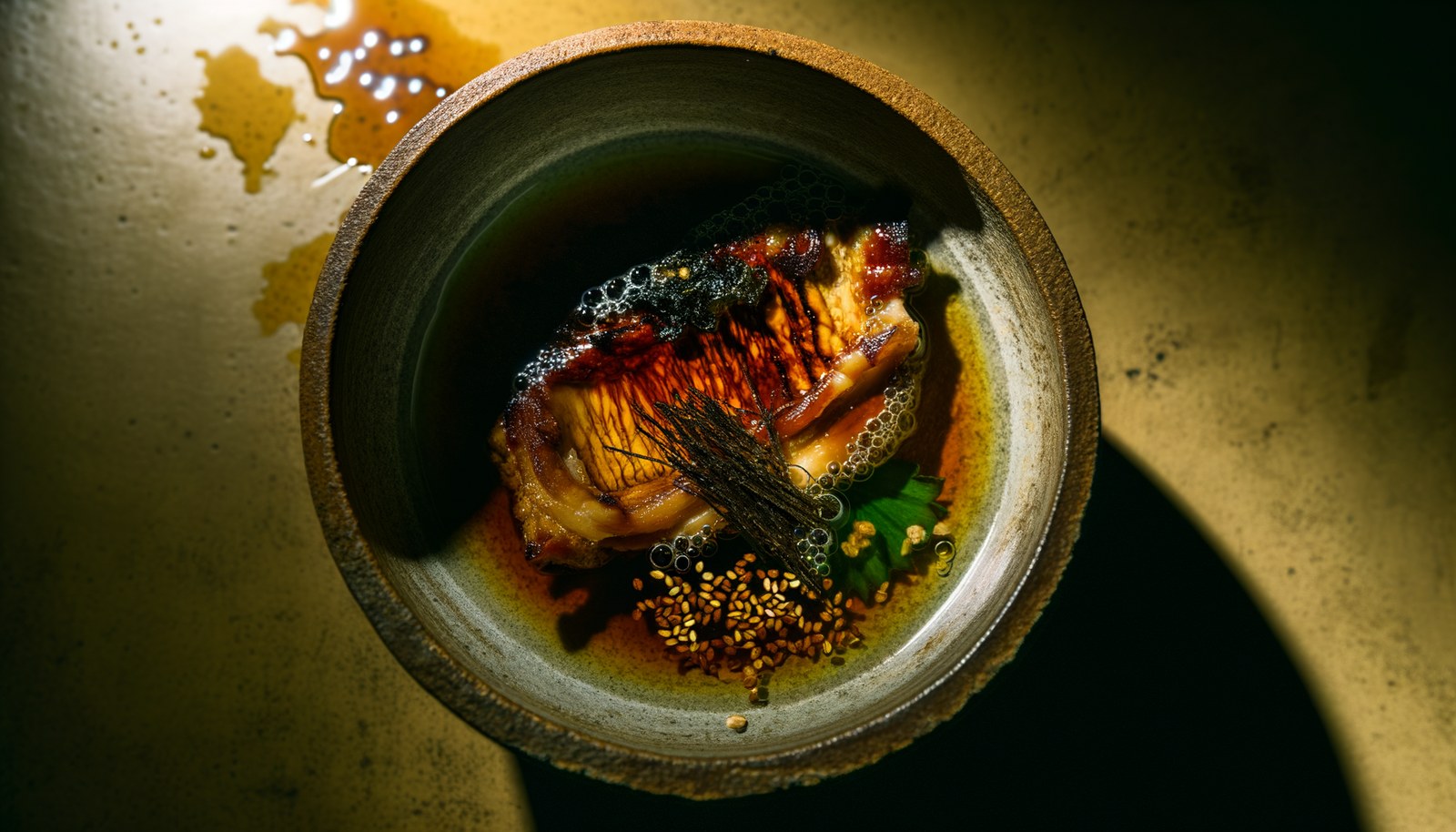
The Outer Sunset doesn't perform Japanese food. It just makes it.
The restaurants that don't need a press cycle to survive are the ones the algorithm keeps finding.
We test dishes so you don't have to. No spam — just the best food, neighborhood by neighborhood.