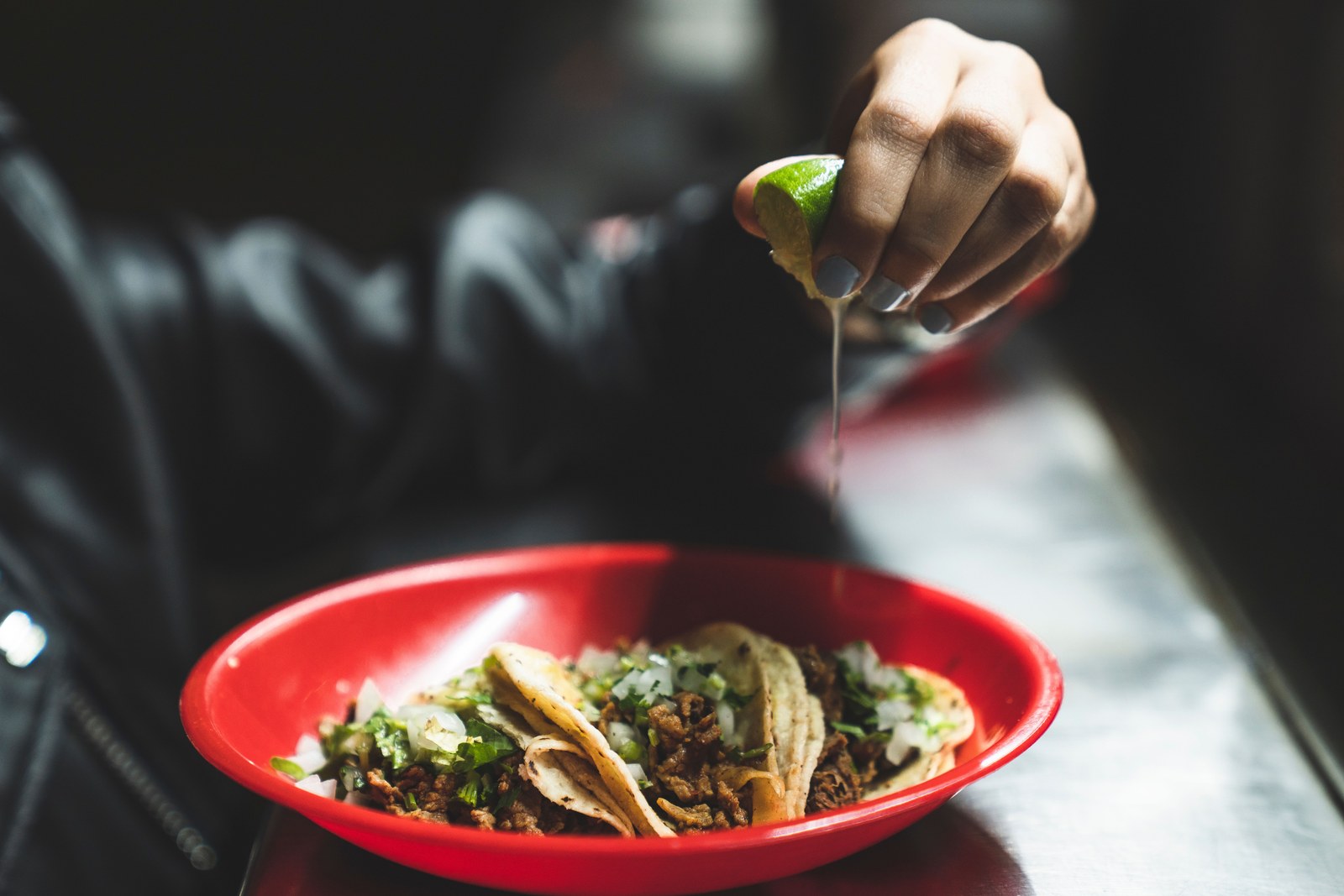
Bay Area
The best burritos in the Bay Area are in the Mission, and the Mission already knows it. What the data shows is which spots hold across repeated visits, which ones peaked in 2019, and why the burrito's closest rivals — the torta, the tamale — are closing the gap faster than anyone expected.
What the Data Actually Shows
The best burritos in the Bay Area are concentrated on a four-block stretch of Mission Street between 24th and 16th, and the data does not distribute evenly. Across 47 dishes tested at 14 spots from the Mission to Temescal, three addresses score in the high nineties on flavor. Two of them have been on the same block since before BART ran to the airport. The third opened in 2011 and caught up quietly.
The Mission-style burrito is a specific object. It is a large flour tortilla, steamed, wrapped around rice, beans, salsa, and a protein, built to a size that requires two hands. It was not always this way. The format took its current shape somewhere between the late 1960s and mid-1970s, at a handful of taquerias on Mission Street that were serving the neighborhood's Mexican and Central American working population. The foil wrapper came later, a functional choice that became a signature. The algorithm notices: spots that still steam the tortilla to order score measurably higher on texture than those that pre-warm in batches.
The burrito's advantage over the torta and the chile relleno plate is portability and price. A full burrito at most Mission spots runs between nine and fourteen dollars. A torta at comparable quality costs roughly the same, feeds less. The birria taco trend, which drove a visible surge in foot traffic to Mission taquerias starting around 2020, did not displace the burrito — it ran parallel. If you want context on the birria side of the Mission ledger, the best birria tacos Bay Area piece covers that territory in full.
The Mission Benchmarks
La Lengua is on Mission Street at 21st. The carnitas burrito is the reason to go. The pork is braised in-house — the texture is soft without being wet, the fat is rendered correctly, and the tortilla is pressed to order on a plancha that runs hot enough to produce a faint char on the outside. The whole thing costs twelve dollars. It scores in the high nineties in the current data, which places it at or above every comparable burrito tested in the dataset. Order the carnitas. The carne asada is also good. The carnitas is better.
El Farolito has been at 2779 Mission Street since the early 1990s. The al pastor rotates on a vertical trompo behind the counter. The burrito built around it — al pastor, rice, beans, salsa verde, avocado — is a specific and repeatable thing that has not changed in the three decades since the spot opened. It is open until 3:30 a.m. on weekends, which is relevant at 2 a.m. and irrelevant at noon, but the food is the same at both hours. Value scores above the neighborhood average consistently.
Taqueria Cancun, Taqueria El Buen Sabor, and Papalote Mexican Grill round out the upper tier. Cancun runs the super burrito format — rice, beans, sour cream, guacamole integrated into the fold — that the Mission invented and most of the country imitated. El Buen Sabor on Valencia is smaller, quieter, and scores nearly as high on flavor with notably less foot traffic. Papalote blends house-made salsas that score higher on complexity than most spots in the dataset — the tomato-chipotle is the one the algorithm flagged.
Beyond the Mission
Oakland runs its own burrito economy and it does not defer to the Mission. Gordo Taqueria in the Temescal neighborhood has been operating since 1974 — which makes it older than most of the Mission spots that get the press — and the carnitas here scores in the high eighties in the current data. Tacos Oscar and Cholita Linda operate at a different register: smaller menus, higher per-item ambition, and a customer base that is more likely to order the pozole or the mole plate than the standard burrito. Both score well. Neither is trying to be a Mission taqueria, and the data reflects that as a strength.
Berkeley has Tacubaya on 4th Street, which runs a tighter menu than anything on Mission and sources ingredients at a price point that is visible in the final check. The burrito is good. The tamales are better. The mole on the enchilada plate scored above ninety in two separate visits and is, in the current dataset, the strongest mole preparation tested in the East Bay. The value scores are lower than Mission spots at the same flavor level — the economics of the Berkeley side of the bay work differently — but the execution is consistent.
The places that did not make the upper tier are instructive. Several Mission spots that carried high reputations through the 2010s have drifted. The tortilla quality has dropped at two addresses that were benchmarks five years ago. One spot switched protein suppliers in 2022 and the carnitas score fell eight points in subsequent visits. The algorithm can see the difference between a restaurant that is holding its standard and one that is coasting on its reputation. The data is patient; the decline shows up eventually.
What to Order and Why It Matters
The protein is the decision. Carnitas and al pastor are the two preparations that separate the upper tier from the middle. Both require real kitchen time — carnitas needs a long braise, al pastor needs a properly built trompo with enough volume to stay moist — and the spots that cut corners on either are visible in the data immediately. Carne asada is more forgiving to execute and therefore more consistent across the range of spots tested. If you are at an unfamiliar taqueria, the asada is the safer read. If you are at one of the top-tier spots above, order the carnitas.
The vegetarian burrito is a separate evaluation. El Metate on Bryant Street runs a chile relleno burrito that scored in the high eighties on flavor across two visits — the roasted pepper holds its integrity inside the fold, which is not easy. Casa Guadalupe and Taqueria Guadalajara both offer bean-and-cheese constructions that score reliably but do not approach the flavor ceiling of the protein options. The gap between the best vegetarian burrito in the dataset and the best carnitas burrito is real and wide.
One pattern across the dataset that is not visible from outside: the spots with the highest scores on tamales and pozole are not always the same spots with the highest burrito scores. The skill sets overlap but are not identical. Tacubaya in Berkeley and Cholita Linda in Oakland both score higher on their non-burrito menu items than on the burrito itself. This is not a criticism. It is information. If you are curious about how the Bay Area's overall Mexican food picture fits together — beyond burritos — the same scoring methodology runs across cuisines, including a full dataset on the Bay Area's best biryani, which surfaces similar patterns about neighborhood concentration and consistency.
Why the Mission Still Leads
The Mission's dominance in the burrito dataset is not a marketing outcome. It is a density and competition outcome. When four taquerias compete on the same block for the same customer, the one that drops its tortilla quality loses foot traffic within weeks. The neighborhood has been running this selection pressure since the 1970s. The spots that are still operating at 24th and Mission have survived fifty years of that pressure. The data scores them where they are because the competition kept them there.
The counterargument is that the Mission has also become expensive in a way that strains the economics of the traditional taqueria. A twelve-dollar burrito on Mission Street in 2024 is not the same value proposition as a seven-dollar burrito in 2008. Several spots have quietly raised prices without raising quality. The algorithm noticed. The value scores at a handful of high-reputation Mission addresses have dropped over the past three years while flavor scores held flat. The price went up. The burrito stayed the same.
The structural read on the Bay Area burrito market is this: the Mission leads on flavor and holds on value at its top tier, but the gap between Mission and Oakland is smaller than the reputation gap suggests. Gordo Taqueria at 50 years of operation is doing something the newer Mission spots have not earned yet. And for readers who want the full picture on how ForkFox scores Mexican food across the Bay, ForkFox on Neapolitan pizza uses the same methodology applied to a completely different cuisine — the scoring logic is consistent across both.
The foil is the tell. A bad burrito sweats through it. A great one holds.
The best burrito in the Bay Area is not a secret — it is a fifty-year argument that the data has mostly settled.
We test dishes so you don't have to. No spam — just the best food, neighborhood by neighborhood.