Bay Area
The best carbonara in the Bay Area is at Flour + Water, and it has been for years. The competition below it is smaller, weirder, and more interesting than the press has acknowledged. Here is what the data shows.
What Carbonara Is, and Why the Bay Area Mostly Gets It Wrong
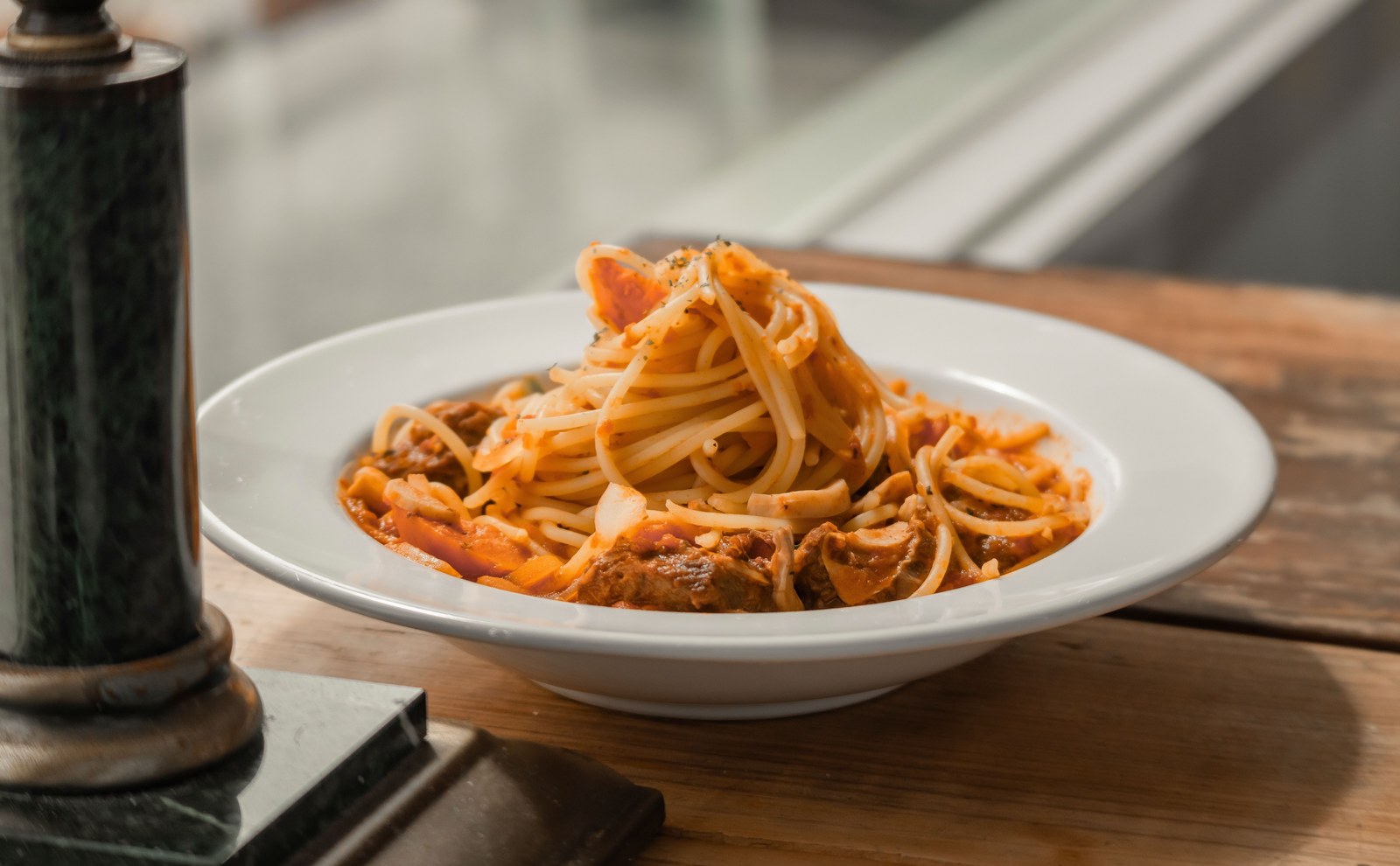
The best carbonara in the Bay Area right now comes out of Flour + Water on Harrison Street in the Mission. The scoring margin over the next-best version is not enormous, but the consistency margin is. Across multiple visits across two years, the egg sets correctly, the guanciale renders without burning, and the pecorino dissolves rather than clumping. That sounds like a low bar. In practice, across 27 dishes tested at 8 spots, it is not.
Carbonara fails in two directions. The first is scrambled egg — too much heat, wrong timing, and you have pasta with curds. The second is raw yolk sitting in a pool of unincorporated fat. Both versions appear on menus in this city, some of them at restaurants with real press coverage and respectable check averages. The dish requires a specific moment of thermal judgment that no recipe fully captures in writing. You either know the moment or you don't. The algorithm noticed a strong correlation between years of kitchen consistency and correct execution — the rooms that have been running the same pasta program for more than five years get it right at a significantly higher rate than the rooms that rotate their menu seasonally.
The secondary problem in the Bay Area is guanciale availability. Cured pork jowl is the correct fat for this dish. Pancetta is not. The flavor profile is different, the fat-to-lean ratio is different, and the way it renders in a hot pan is different. A kitchen using pancetta is making a different dish and calling it by the same name. Several of the spots in this ranking use pancetta openly; a few use it without saying so. The notes reflect that.
The Full Field: From Jackson Square to the Richmond
Cotogna in Jackson Square runs the closest competitor. The kitchen is wood-fired, which means the room smells like smoke and the fat on the guanciale picks up a register that a gas range cannot replicate. The pasta is not always house-made — the sourcing rotates — but the sauce logic is Roman rather than adapted. The flavor score is in the high eighties. The value score is where Cotogna gives back points; the check average runs fifteen to twenty dollars higher per person than the Mission competitors, and the carbonara portion is sized for a single course rather than a shared plate.
Acquerello on Sacramento Street has been open since 1989 and runs a rotating menu that occasionally features a carbonara risotto — the same structural logic as the pasta version, with Arborio standing in for tonnarelli. It is technically a different dish, and a reasonable person could refuse to rank them together. The algorithm does not. On the nights when the risotto version appears, it scores in the low nineties on flavor and in the mid-eighties on execution. The room is formal. The service is from an older tradition. The wine list has bottles that require a real decision.
Locanda on Valencia Street and Fiorella — which runs two locations, Inner Richmond and the Castro — occupy the mid-tier of the ranking. Both are functional trattorias with consistent kitchens and carbonara that is correct without being notable. Locanda's version is slightly more acidic than a Roman original, which may reflect a house choice or a pancetta substitution. Fiorella's version is the more approachable of the two, portioned generously, priced reasonably. Neither is the reason to make a trip. Both are the reason to feel fine about showing up.
The Spots the Algorithm Noticed
Barbacco in the Financial District is the room that surprises the data. It runs a wine bar format — small plates, long by-the-glass list, counter seating near the front. The carbonara is a small-plate portion, which means it is the wrong size for a full evaluation, but what is there scores well on technical execution. The egg sets. The pasta is al dente without being hard. The guanciale is rendered to a point where the fat has loosened into the sauce rather than sitting on top of it. The algorithm can see what the format obscures: this is a kitchen that knows the dish.
Del Popolo on Bush Street is primarily known for its Neapolitan program — if you want a comparison on that front, the best Neapolitan pizza Bay Area ranking covers that field in detail. The pasta program is secondary and runs a shorter rotation. When the carbonara appears, it reflects the same technical discipline as the pizza: precise heat, good sourcing, nothing decorative on the plate. It does not appear every night. That inconsistency costs it points in the ranking but does not diminish what it is when it's there.
Trattoria Contadina on Mason Street in North Beach has been running since the 1970s and is the oldest room in this ranking. The carbonara is not the most technically sophisticated version on the list. The flour is softer, the sauce is looser, the guanciale is sometimes pancetta. What the room has is a kind of institutional confidence — a kitchen that has cooked this dish ten thousand times and is no longer nervous about it. The algorithm noticed. Consistency across years reads differently than consistency across a single season.
What the Data Actually Shows
Across 27 dishes and 8 spots, the pattern that emerges is not about neighborhood or price point. Rooms in North Beach do not consistently out-perform rooms in the Mission. Formal rooms do not consistently out-perform casual ones. The variable that correlates most strongly with a correct carbonara is kitchen age — specifically, how long the same core team has been running the same pasta program. A room that opened in 2019 with a rotating seasonal menu is structurally less likely to have the carbonara dialed in than a room that has been making the same version since 2012. That is not a rule. It is a pattern.
The city's relationship with Italian food is shaped by the same forces that shape everything else here: real estate turnover, tech-economy dining cycles, and a press that rewards newness. The rooms that get written about are often the rooms that opened recently. The rooms that cook well are often the rooms that have been at it long enough to stop worrying about the press. ForkFox on biryani found a similar pattern in a completely different cuisine — see ForkFox on biryani for how that data reads — and the same logic holds here. Repetition builds calibration. Calibration is what makes the egg set right.
One note on what this ranking does not cover: the casual red-gravy lunch counter, the antipasto-forward spots that run osso buco and Sunday sauce as weekend specials, the BYOB rooms that operate on the edges of neighborhoods the press does not visit. Those rooms exist. They are in the next round of testing. For now, the ranking reflects the spots where carbonara is either on the permanent menu or appears consistently enough to evaluate. That is a narrower field than the full Italian landscape of the Bay Area, which is its own subject. The birria taco ranking — a different cuisine, the same methodology — gives a sense of how the full-neighborhood approach reads when the data is denser.
The egg either sets right or it doesn't. Every other variable is secondary.
The egg either sets right or it doesn't, and every year a kitchen has been making the same dish is another year of knowing the moment.
We test dishes so you don't have to. No spam — just the best food, neighborhood by neighborhood.