Bay Area
The best chaat in the Bay Area is not at a restaurant with a reservation list. It is at a counter, a steam table, or a folding-table setup where the tamarind chutney is made the same morning. We tested 23 preparations across 16 spots. Here is where the scores land.
What the Scores Actually Measure
Chaat is not a single dish. It is a category that runs from pani puri to bhel puri to papdi chaat to dahi vada, and the execution standards for each are different enough that a kitchen strong on one can be mediocre on another. Our testing covered 23 distinct preparations across 16 Bay Area spots, with flavor, value, and consistency tracked separately. The range was wide. The gap between the top five and the bottom five was not subtle.
The core variable, across nearly every high-scoring preparation, was chutney quality. Tamarind chutney made the same day has a brightness that pre-batched chutney loses by the second day, and the algorithm picks up the difference in how tasters score the finish of a dish. Green chutney — cilantro and mint, usually — degrades faster. The spots at the top of this list make both fresh. The spots in the middle do not always.
Value tracking mattered here more than in most cuisine categories because chaat prices vary less than the quality does. A plate of pani puri runs five to eight dollars almost everywhere in the Bay Area. The value score separates the places charging eight for a preparation that warrants twelve from the places charging eight for something that should cost less.
Berkeley, Fremont, and the South Bay Corridor
Vik's Chaat in Berkeley is the anchor reference point for this survey. It has operated out of a warehouse space on Fourth Street since 1989, when the surrounding block was industrial and the customer base was almost entirely the South Asian academic community from UC Berkeley. The warehouse format is not aesthetic nostalgia. It is structural: the volume justifies fresh batching several times a day. The pani puri water is seasoned aggressively — more black salt and cumin than most Bay Area versions. That is the correct call.
Fremont runs a different logic. The South Asian population density in Fremont, particularly around the Centerville and Irvington districts, means that the customer base for chaat shops is primarily South Asian families, not curious outsiders. That changes what a kitchen can get away with. Surati Farsan Mart operates in this environment, and the farsan shop model — Gujarati snack retail plus a small counter — keeps the fried preparations turning fast enough that nothing sits. The kachori here scored higher than any version tested in San Francisco proper.
The South Bay, specifically Sunnyvale and Santa Clara, has the highest concentration of chaat-focused counters in the region. Chaat Corner is the score leader in that corridor. What separates it from comparable operations is menu discipline: the kitchen does not try to run a full Indian menu alongside the chaat. Narrowness produces consistency. The bhel puri is the test case — it should be dry, with the puffed rice still carrying some crunch, and the tomato cut small enough that it does not release liquid into the base. Chaat Corner gets this right more consistently than any other tested spot.
San Francisco: Dosa, Idli, and Where Chaat Fits
San Francisco's South Indian restaurant landscape is built around dosa, idli, sambar, rasam, and filter coffee — the Udupi tradition, not the North Indian street-food tradition that chaat comes from. That is not a criticism. It is a mapping problem. Visitors searching for chaat in San Francisco are often pointed toward restaurants where chaat is a small section at the top of a menu designed around uttapam and thali service. The chaat at those spots is not bad. It is not the point of the kitchen.
Udupi Palace in Berkeley and Dosa by Dosa in San Francisco both run chaat as a secondary offering behind their South Indian programs. The scores reflect that. Flavor is solid — both kitchens know acid and spice balance — but the chaat lacks the focused repetition that produces the top scores. A kitchen that makes five hundred dosas a day and forty plates of bhel puri is calibrated to the dosa. The bhel puri is made correctly but not obsessively.
The places in San Francisco proper that score highest on chaat are the ones doing it inside a larger snack and sweets operation. Bombay Ice Creamery on Valencia Street runs a small savory counter alongside its ice cream service, and the pani puri there scored well above expectation — the chutney balance was precise, the puri shells were not stale. Asha Tea House scores higher on the tea program than on chaat, but the samosas are made in-house and the accompanying mint chutney is among the freshest tested. For full chaat programs in San Francisco, the honest answer is that the scores point toward Berkeley and Fremont.
The Rest of the Field: Where the Middle Lands
Below the top five, the scores cluster in the mid-seventies to low eighties on flavor. This is not a failure range — a plate of papdi chaat scoring in the mid-seventies is a good plate of papdi chaat. What puts a kitchen in this range rather than the high eighties is usually one of two things: pre-batched chutney, or sev that comes out of a bag rather than a house fryer. Both are detectable. Shalimar in the Tenderloin, Kasa Indian Eatery, and Agra Indian Restaurant all land here. Solid. Not the top of the survey.
Hyderabad House in Sunnyvale runs a biryani program that scores very high — if you are cross-referencing against our data on best biryani Bay Area, it appears there too. The chaat is a different story. The kitchen's attention goes to the dum process, and the chaat preparation is competent but secondary. Little Delhi in Fremont and Pasand Lounge in Sunnyvale both run chaat sections that score in the same mid-tier range. Thakar's Sweets in Sunnyvale is worth noting specifically for the mithai side of the operation; the chaat is not the reason to go.
Saffron Indian Bistro and Shiva's round out the tested field. Both run full Indian menus with chaat as an appetizer section. The scores are consistent with that positioning — the chaat is prepared with care but does not reflect the same repetition-driven calibration as a chaat-focused counter. For visitors who want to understand the range from best to median, the gap between Vik's Chaat and a mid-tier full-service restaurant is measurable and not small. If the question is where to go for chaat specifically, the counter format wins every time.
What the Data Shows About Format and Focus
The pattern across 23 tested preparations is consistent enough to state as a rule: counter format outscores full-service restaurant format when the dish is chaat. This is not because restaurants cannot make good chaat. It is because the economics of a full Indian menu do not incentivize the obsessive repetition that produces the highest scores. A counter making three hundred plates of pani puri a day is calibrating constantly. A restaurant making forty is not.
The Bay Area Indian food ecosystem is large enough and varied enough that the same logic applies differently to different sub-cuisines. The chettinad preparations at some South Bay full-service restaurants score very high precisely because those kitchens treat the spice blends as a primary focus. A thali program built around sambar and rasam at a serious Udupi operation scores high for the same reason. Specialization produces scores. Breadth dilutes them. Chaat is not the exception to this rule — it is the clearest example of it.
Two things are worth tracking as this category evolves. First, the Gujarati farsan shop model — where retail snack production funds and calibrates a small counter — is underrepresented in current food coverage and overrepresented in the high score range. Surati Farsan Mart is the proof case. Second, if you are building a Bay Area Indian food picture that goes beyond chaat, the best butter chicken spots in the Bay Area and the biryani data tell a different story about which kitchens lead across multiple preparations — and the ForkFox birria taco survey is a useful parallel for understanding how street-food scoring works in a regional context.
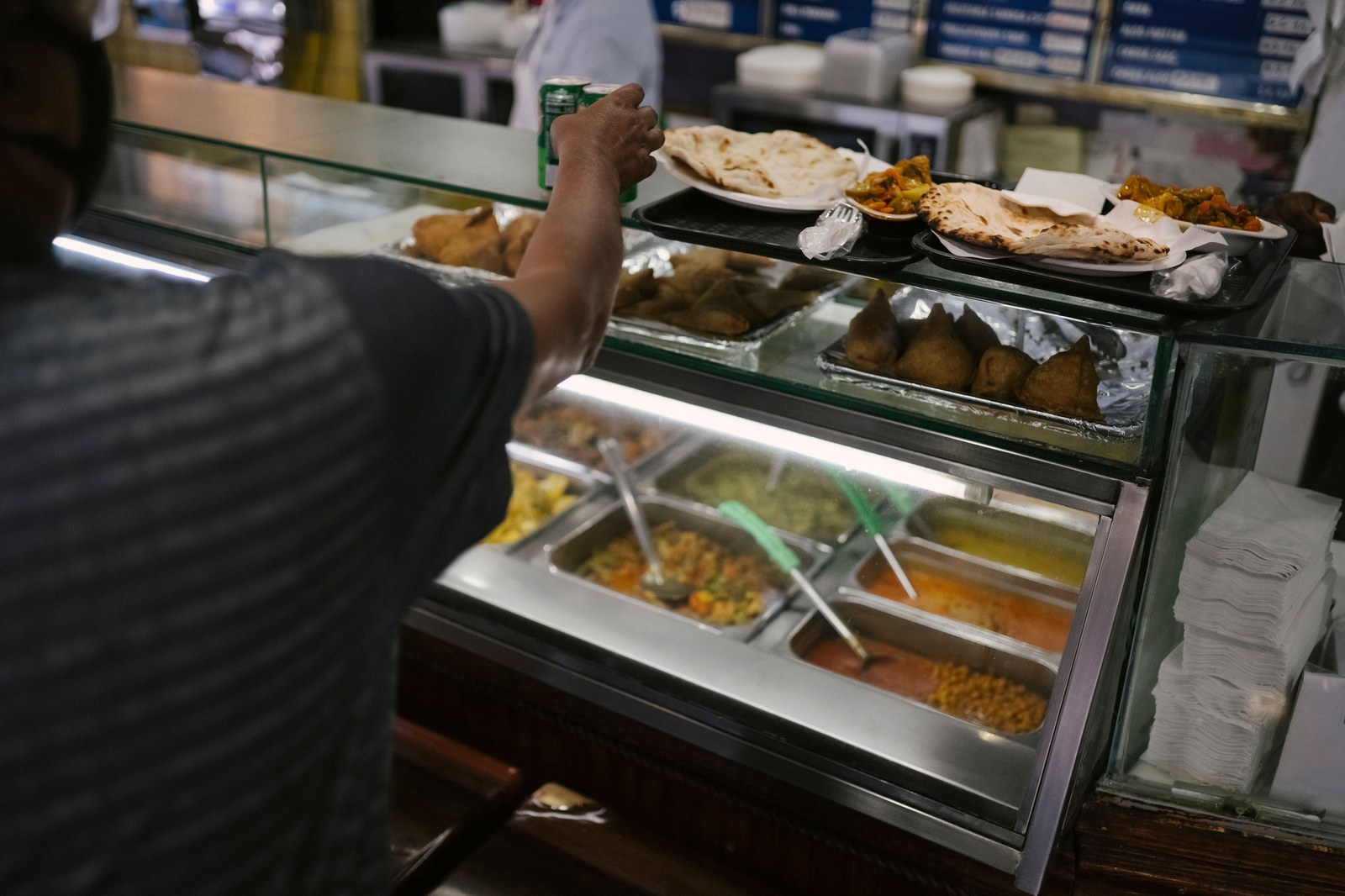
The tamarind chutney is made the same morning. The algorithm notices the difference.
The counter that makes one thing forty thousand times scores higher than the restaurant that makes it once a day.
We test dishes so you don't have to. No spam — just the best food, neighborhood by neighborhood.