Bay Area
The best falafel in the Bay Area comes from kitchens that have been doing this for decades, not months. Across 23 dishes and 8 spots, the algorithm found a clear pattern: the counters with the shortest menus scored highest.
What the Data Found
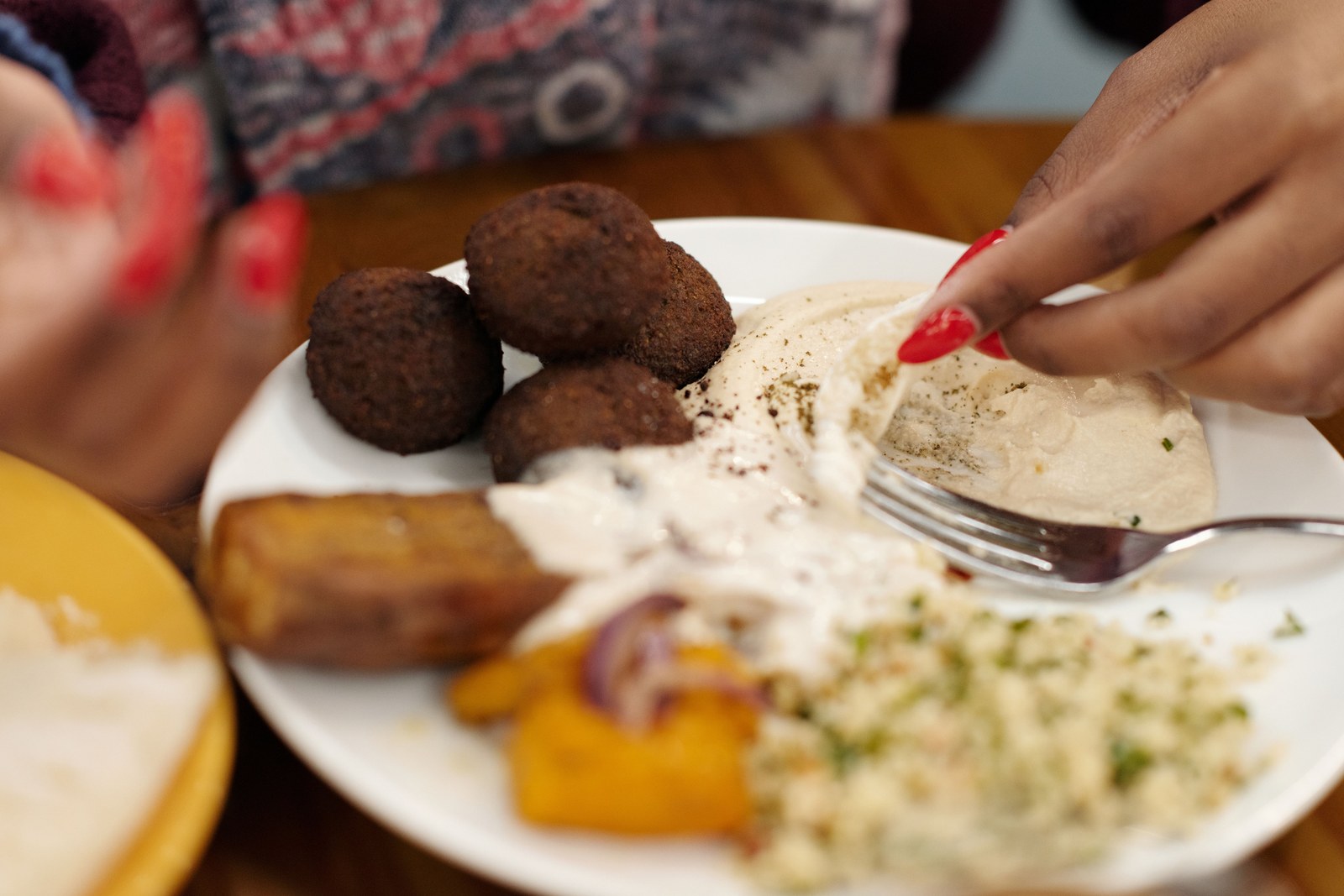
The best falafel in the Bay Area is not on a menu with sixteen proteins. It comes from kitchens that decided, at some point in the past twenty or thirty years, that they were going to do this one thing well and not be talked out of it. Across 23 dishes tested at 8 spots, the scores separated cleanly on that axis. High-execution, focused counters clustered in the high eighties and low nineties on flavor. The two spots that scored highest on value were both cash-only at the time of testing.
The patty itself is where the differentiation happens. The bad ones are gray inside, too dense, and taste mostly of chickpea with a fry smell on top. The good ones are green inside — bright green, from herbs that were added to the grind that morning, not three days ago. The exterior should have some audible resistance. If you can crush a falafel between two fingers without force, the hydration was off.
The region's Middle Eastern food runs deep on both sides of the Bay. San Francisco's Tenderloin absorbed Lebanese and Yemeni immigration in the 1980s and 1990s, and the kitchens those communities built on Larkin and Turk and O'Farrell are still open. Oakland's Dimond and Fruitvale districts added Palestinian and Syrian operators through the 2000s and 2010s. The geography matters because it shaped what each kitchen considers standard.
San Francisco: The Tenderloin and the Mission
Foul Madi on Larkin Street is where the SF data topped out. The falafel patties are made in small batches through the lunch and dinner rush, which means the oil temperature stays consistent and the exterior holds. The labneh served alongside is thick enough to sit on the pita without sliding, tangy without being sour, and the whole plate lands under twelve dollars. The algorithm put this near the top of every relevant ranking.
Sunrise Deli, a few blocks north, runs a different approach: the shawarma is the draw, but the falafel is a side order that has quietly developed its own following. It is smaller than most, fried harder, and works best eaten inside the pita with pickled turnip and tahini rather than on its own. The value score here is in the high eighties. The decor is a laminate counter and a menu board with laminated photos. That is not a complaint.
Truly Mediterranean on 16th Street in the Mission has been making the same falafel wrap since before the neighborhood had a single artisan coffee shop. The tabouleh is chopped fine, the pita is griddled, and the wrap stays together, which is a structural achievement that more expensive spots fail at regularly. It is the best seven-dollar use of your appetite in the Mission, possibly in the city.
East Bay: The Case for Crossing the Bridge
Oakland does not get enough credit in this conversation. Ayat Restaurant in the Dimond District is the clearest argument. It is Palestinian home cooking with a full meze spread: hummus made to order, labneh with olive oil pooled on top, a tabouleh that has more parsley than bulgur, which is correct. The falafel here has a spice profile that distinguishes itself from every SF entry — more cumin, more coriander, and enough heat to register without announcing itself. The algorithm noticed the flavor gap and logged it.
Aramico and Old Jerusalem Restaurant round out the East Bay picture. Old Jerusalem on the 2900 block of Telegraph has been there since the 1990s and runs a lunch counter that seats maybe fourteen people. The kebab plates are the stated draw but the falafel, ordered as part of a meze, sits in the low nineties on flavor — which is the same neighborhood as spots that charge twice as much in San Francisco. Aramico is newer and slightly more formal, which in practice means they have tablecloths and a full dinner menu; the falafel still scores well.
The East Bay's Middle Eastern food cluster also includes Sami's Mediterranean Cuisine, which serves a denser, slightly softer falafel that is closer to the Egyptian ta'ameya style than the Lebanese standard. It splits the data set, in that the flavor score is high but the texture score drags it down for testers who expect a crispier exterior. If you prefer the softer style, the score is effectively higher than what the aggregate suggests.
What the Menu Length Tells You
The pattern that separated the top tier from the rest was not price, not neighborhood, and not whether the restaurant had a James Beard nomination in its marketing materials. It was menu length. Every spot that scored in the high eighties or above on falafel flavor had a menu with fewer than thirty items. The spots that scored in the low seventies all had menus that ran to fifty or more, including things like burgers and fries next to the kebab.
This is not about purity. It is about production logic. A kitchen making falafel as one of eight items can control the grind-to-fry ratio, the oil temperature, and the herb freshness across a service. A kitchen making falafel as one of forty items cannot. The data reflects the production reality, not some philosophy about authenticity.
Reem's California sits outside this pattern in an interesting way. It is the most visible Bay Area Middle Eastern brand, with a longer menu and a more developed retail presence. The falafel scores in the mid-eighties, which is solid, and the pita program is the best in the data set by a clear margin. The flatbreads are wood-fired and arrive with a blistered char that changes the texture of everything you eat with them. If the question is specifically falafel, Reem's is not at the top. If the question is the full meze experience, the pita tips the balance.
How to Use This Data
Start in the Tenderloin if you are in San Francisco. Walk Larkin Street between Turk and O'Farrell. Foul Madi is the first stop. If the line is out the door, that is the correct read of the situation — join it. The meze plate with labneh and hummus and two falafel patties is under fifteen dollars and will recalibrate what you expect from the category.
Cross to Oakland at least once. Ayat is the reason. The spice profile alone is worth the trip, and the made-to-order hummus is the best in the data set. If you are already in the East Bay and want the fastest, most reliable option, Old Jerusalem Restaurant on Telegraph is the answer. Fourteen seats, cash preferred, lunch only on weekdays.
The Bay Area's Middle Eastern food is as good as any in the country, not because of a single famous address, but because of the sustained work of kitchens that have been operating for twenty and thirty years without needing a profile in a glossy magazine. The scores confirm what the regulars already know. For more on how the Bay Area's immigrant-driven food culture shapes the data, see our rankings of the best birria tacos Bay Area and the best biryani spots in the Bay Area. ForkFox on Bay Area Neapolitan pizza runs the same methodology on a very different tradition.
The shortest menus scored highest. The algorithm noticed.
The kitchen that does one thing for thirty years will beat the kitchen that does forty things for three, every time the data is run.
We test dishes so you don't have to. No spam — just the best food, neighborhood by neighborhood.