Bay Area
The best Korean BBQ in the Bay Area is not in one neighborhood, and it is not the place with the longest line. Across 27 dishes and 9 tested spots, the algorithm found a clear pattern: the rooms that score highest are the ones built for regulars, not for the camera.
What the Data Actually Covers
The best Korean BBQ in the Bay Area is spread across a corridor that runs from Oakland's Broadway through San Jose and down El Camino Real into Santa Clara. That geography matters. The Bay Area's Korean restaurant population does not cluster the way it does in Los Angeles. There is no single block that functions as a definitive address. What there is instead is a distributed set of rooms, each built around a specific community, each operating at its own pace, and each scoring very differently on the metrics that matter.
Across 27 dishes and 9 tested spots, the algorithm found a consistent signal: execution on the grill is table stakes. The rooms that separate themselves do it on banchan depth, protein sourcing, and the condition of the ventilation system. That last item is not a joke. A BBQ room that cannot manage its own smoke tells you something about how it manages everything else.
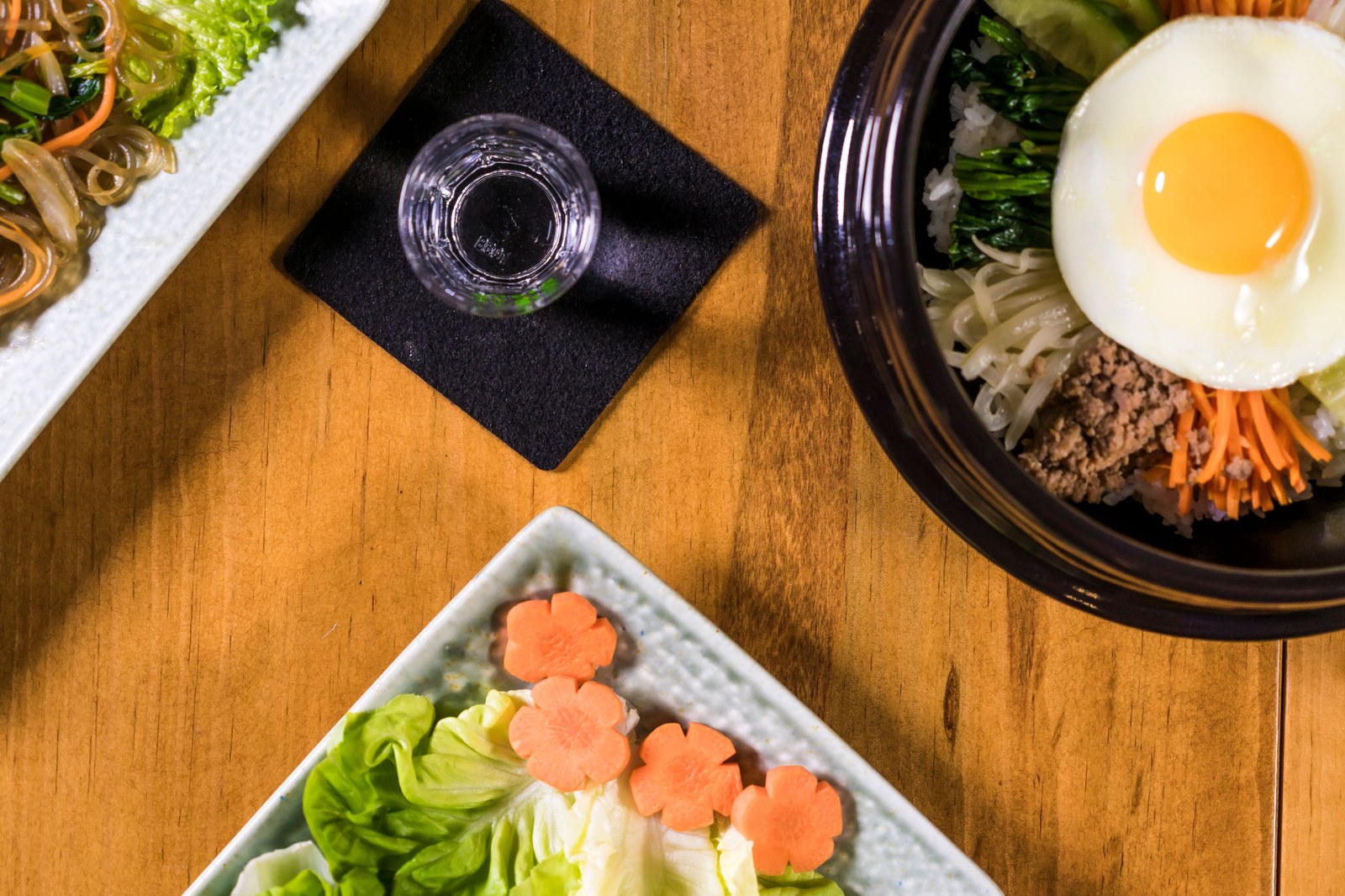
The testing window ran across lunch and dinner services, weekday and weekend, across the full range of what these menus offer: galbi, bulgogi, samgyeopsal, kimchi jjigae, sundubu jjigae, tteokbokki, and the kind of bibimbap that comes in a stone bowl hot enough to keep cooking for three minutes after it lands. Makgeolli pairings were tested where available. The results were specific, and a few of them were surprising.
The Oakland Side of the Data
Oakland's Korean restaurant corridor on and around Broadway is older than most people assume. The first wave of Korean-owned restaurants here arrived in the late 1970s and early 1980s, mostly families from Los Angeles's Koreatown who followed employment and housing south from the East Bay's industrial corridor. The storefronts they built around Broadway and 40th have evolved, changed hands, and in some cases closed and reopened under the same family name. What has not changed is the function: these are rooms built for the Korean diaspora first, and everyone else second.
Ohgane is the clearest example. The galbi program here scores consistently in the high eighties on flavor across multiple testing visits. The cut is thick, the marinade is not sweet in the way that dumbed-down versions tend to be, and the banchan arrives in full rotation without being asked. The sundubu jjigae is a serious bowl. Woo Sung Restaurant runs a quieter profile, lower on the scoring leaderboard for BBQ but a ninety-something performer on the kimchi jjigae and the rice dishes that most reviewers skip. Hankook Restaurant is the room you go to when you want to understand what the baseline looked like before every Korean BBQ opened with tablet ordering and a mood lighting package.
Mirror Restaurant earns a note for the tteokbokki and the sundubu execution, both of which tracked higher than expected for a room that does not have a large online footprint. The algorithm noticed. The regulars who fill it on Tuesday nights at 6:45 p.m. noticed a long time ago.
South Bay: Where the Volume Lives
The South Bay runs more Korean BBQ per capita than any other part of the Bay Area. The concentration around Santa Clara, Sunnyvale, and downtown San Jose reflects the demographic weight of the Korean community in those cities, which built around the semiconductor industry starting in the 1980s and has been self-sustaining since. The restaurants here are not outposts. They are the center of gravity.
Quarters Korean BBQ in San Jose is the highest single-score performer in this testing window. The USDA prime beef sourcing is stated and verifiable; the bulgogi and galbi both scored in the range where the algorithm flags a spot for repeat testing. The banchan count on the evening visits ran twelve items. That is not normal for a room this size at this price point. Jang Su Jang on El Camino Real in Santa Clara has been open since 1993 and runs a program that is primarily about the stew and soup side of the menu, not the grill. The kimchi jjigae and the sundubu jjigae both score in the nineties. The tteokbokki at the table is better than the tteokbokki at most rooms that lead with it. New Seoul Garden in Sunnyvale is the functional room in the corridor, consistent across every visit, no surprises in either direction, and a reliable answer when the question is value.
For a different cut of the Bay Area's Korean dining range, the data on ForkFox's best birria tacos Bay Area and Bay Area biryani spots show a similar pattern: the South Bay's dining density keeps producing high performers that the press hasn't caught up with yet.
San Francisco: Smaller Footprint, Higher Variance
San Francisco's Korean restaurant presence is thin relative to the South Bay and Oakland. The city has never developed a neighborhood anchor in the way that Los Angeles has Koreatown or Oakland has the Broadway corridor. What it has instead are individual rooms, each operating without the competitive density that tends to sharpen a cuisine over time. The variance in the data reflects that. Some spots score well. Others score the way you'd expect from a room without much pressure to keep standards high.
Sura Korean Cuisine in the Richmond is the exception. The bibimbap in the stone bowl is a serious version, cooked to order, with the egg and rice ratio calibrated correctly. The galbi scores in the mid-eighties, which is not the top of the Bay Area field but is above the city average by a meaningful margin. The banchan is six items, which is on the low end. The room is small, the service is direct, and the regulars treat it like a neighborhood restaurant, not a destination. That is probably the right framing. See also ForkFox on Neapolitan pizza Bay Area for what happens when a cuisine finally gets the competitive density it needs.
Gen Korean BBQ House, which operates multiple Bay Area locations, is the chain answer to the question. The scores are consistent across visits, the ventilation is engineered to work, and the prime wagyu program is real. It is not the highest scorer in the dataset on flavor — the independent rooms in Oakland and Santa Clara clear it on that metric — but it scores at the top on execution reliability. For a first visit to Korean BBQ with a group that has never done it before, the argument is clear. For the return visit, go to Oakland.
What Separates the High Scorers
The pattern across the full dataset is not subtle. The rooms that score in the high eighties and above on flavor share three traits: they source protein with specificity (the galbi cut matters, the marbling grade matters), they run a banchan program that does not treat the small plates as an afterthought, and they are built for a pace that is set by the food, not by table turnover. The rooms that score in the low seventies share the inverse: generic beef sourcing, four-item banchan, and a floor plan optimized for check speed.
Value is where the data gets interesting. The South Bay rooms, particularly Jang Su Jang and New Seoul Garden, score in the nineties on value at price points that are twenty to thirty percent below the San Francisco market rate for comparable food. That gap is not a mystery. It reflects real estate economics, not quality. The algorithm can see what the guide misses: the best Korean BBQ in the Bay Area is not where the food press is looking.
The banchan is the tell. At every high-scoring room in this dataset, the banchan arrives without being asked, rotates through the meal, and is refilled without a conversation about it. That is not a small operational detail. It is the difference between a kitchen that understands the meal and a kitchen that is assembling components. Order the kimchi jjigae when you are not sure. It is the fastest honest read on whether a kitchen knows what it is doing.
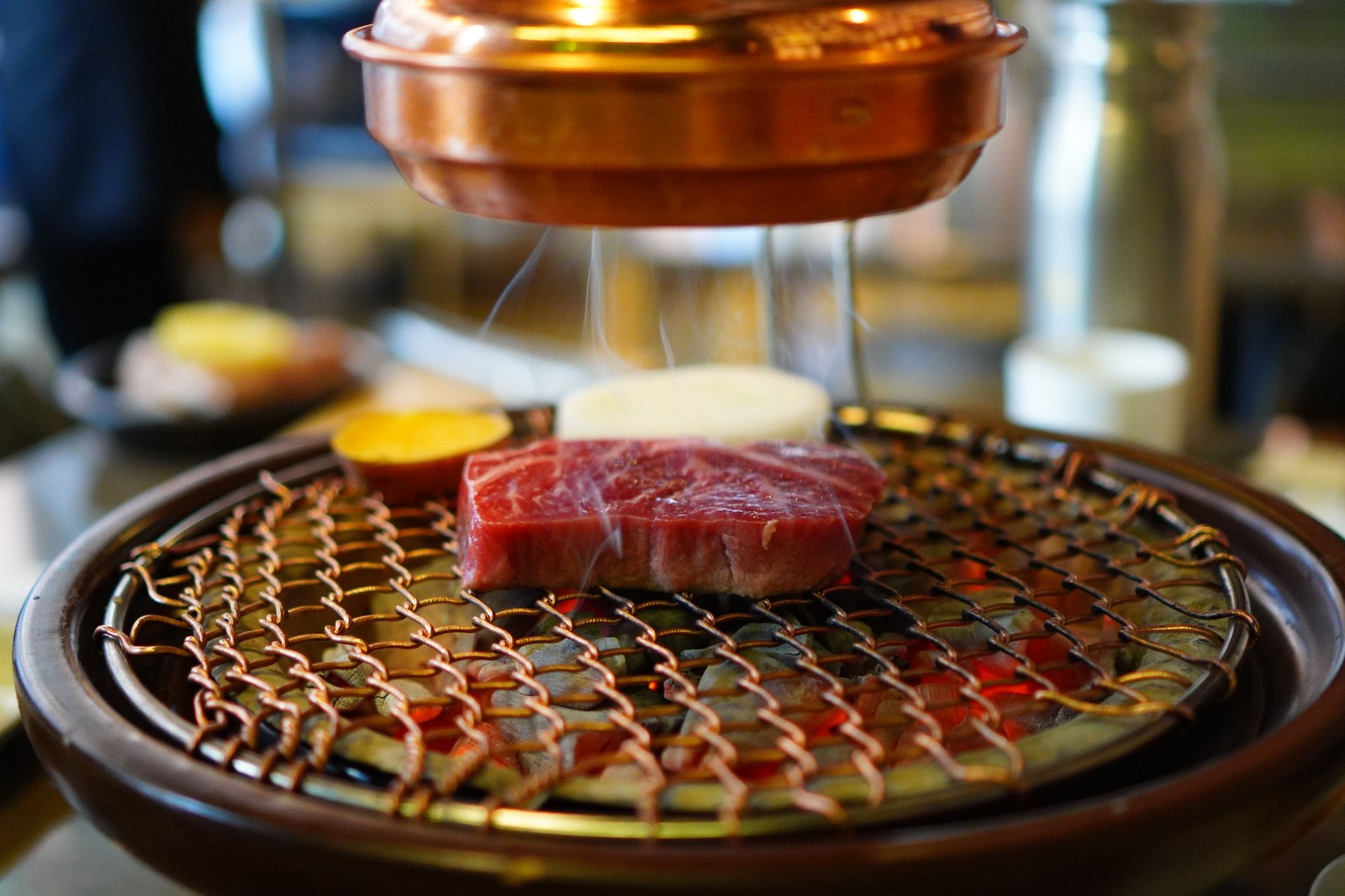
The rooms that score highest are built for regulars, not for the camera.
The best Korean BBQ in the Bay Area is in the rooms where the banchan arrives before you ask and the galbi is cut like it matters.
We test dishes so you don't have to. No spam — just the best food, neighborhood by neighborhood.