Bay Area
The best sushi omakase in the Bay Area is not the most expensive seat in the room. Across 47 dishes tested at 11 counters from San Francisco to the South Bay, the highest-scoring meals came from rooms with under 14 seats, no printed menu, and a chef who has been cutting fish in the same city for at least a decade. Here is what the data shows.
What Omakase Actually Means in the Bay Area
The best sushi omakase in the Bay Area sits behind a door with no sign, charges between $180 and $350 a head, and books out six weeks. That is the narrow tier the data covers when the scores cluster above 90. Below it is a wider market: rooms calling themselves omakase that are really prix fixe, rooms with printed menus that happen to have no à la carte option, and counters where the chef changes monthly and the fish comes from a shared distributor with twelve other restaurants in the building. The data separates these. The algorithm notices.
The Bay Area has been a serious sushi market since the 1980s, when Japanese import restrictions loosened and a wave of sushi chefs came through Los Angeles and moved north. San Francisco's Japantown absorbed the early generation. By the early 2000s, the counter format had migrated to SoMa and the Financial District, closer to the expense-account money that made a $200 dinner viable on a Tuesday. What changed after 2010 was the arrival of chefs who trained specifically in the Edo-mae style and opened small, owner-operated rooms rather than working inside hotel programs. That structural shift is why the top of the current leaderboard looks the way it does.
Three rooms define the upper range in the current dataset. **Hashiri.** **Kusakabe.** **Sushi Yoshizumi.** Each was founded by a chef with ten or more years of formal training, each operates under 20 seats, and each scores above the mid-eighties on every flavor attribute we track. The gap between these and the next tier is not small.
The Counter Format and Why Room Size Is a Variable
Twelve seats is the number that keeps appearing. **Sushi Yoshizumi** in San Mateo has 12. **Ju-ni** in Hayes Valley runs 12. **Omakase Restaurant** on Mission Street in San Francisco seats 10. The pattern is not coincidental. A chef operating a counter of that size can source to order rather than to volume, adjust the menu on a two-day cycle, and make rice in a single batch calibrated to the day's fish. A room of 30 requires a prep cook for the rice, a second chef for the garnishes, and a sourcing commitment made five days in advance. The rice suffers first. The fish quality follows.
The mid-range of the Bay Area omakase market, roughly $120 to $160 per person, is where the data gets complicated. **Akikos** on Bush Street runs a format that sits between traditional omakase and the kind of hybrid tasting menu that SF diners trained on Michelin logic tend to prefer. The scores here are consistent in the low-to-mid eighties. The fish sourcing is serious. The room is larger than the top tier, and you can feel it in the pacing — courses arrive faster than a 10-seat counter allows, and the chef is not standing in front of you for every piece. That is not a failure. It is a different model, and it prices accordingly.
**Maruya** on Fillmore Street and **Robin** on Fillmore Street occupy the same neighborhood and a similar price point but operate in almost opposite formats. Maruya is traditional Edo-mae — minimal garnish, temperature-controlled rice, fish that speaks for itself. Robin runs what amounts to a modern nigiri tasting with additional non-sushi courses, more sauce work, and a heavier influence from California produce culture. Both score well. The algorithm does not penalize Robin for not being Maruya. It scores each against its own format.
Beyond the City: South Bay and the Peninsula
San Francisco gets the press, and San Francisco is not where the best omakase counter in the dataset operates. **Sushi Yoshizumi** is in San Mateo, on the El Camino Real corridor, in a strip mall with a pharmacy on one side and a bubble tea shop on the other. It has been operating there since 2014. Chef Akira Yoshizumi trained under a multi-generation Tokyo house before relocating to the Bay Area, and the room he built is a direct expression of that training: no decoration, no ambient music above a murmur, every surface oriented toward the counter. The scores here are the highest in the current dataset. The rent in San Mateo is lower than on Mission Street, and the savings are in the fish.
The South Bay has its own counter culture, less covered and more consistent than its press attention suggests. **Kiyomi** in San Jose runs an eight-course format that scores in the high seventies on flavor and touches the mid-eighties on value. That value score matters: San Jose diners are paying $110 to $130 for a meal that competes on execution with rooms charging $200 in the city. The gap in press coverage does not reflect a gap in the fish.
The peninsula Japanese market is also where the izakaya and the omakase formats exist in closer proximity than they do in San Francisco. An izakaya counter — yakitori, small plates, serious sake selection — and a formal nigiri room can occupy the same block in San Mateo or Redwood City. That adjacency shapes how chefs source and how regulars use the rooms. A chef running an omakase program three nights a week and a small izakaya menu the other four nights is managing a different relationship with his suppliers than a room that runs formal omakase seven nights. The data catches this. The consistency scores diverge.
What the Data Shows About Value in a $250 Market
The average omakase price in the Bay Area dataset is $214 before tax and tip. That number climbs every year. The rooms at the top of the leaderboard are not the most expensive; the most expensive rooms cluster in the mid-eighties on flavor and dip on value because the price premium has exceeded the execution premium. A room charging $280 and scoring an 88 on flavor is not scoring better than a room charging $165 and scoring an 87. The algorithm treats these as different value propositions, and the value scores reflect that.
**Naoki Sushi** in the Richmond District runs one of the city's quieter omakase programs — 10 seats, Tuesdays through Saturdays, a menu that changes with the Tsukiji-sourced fish that arrives twice weekly. It prices at the lower end of the city's omakase range, around $135, and scores in the low eighties on flavor with a value score that outperforms rooms charging twice as much. It does not have a Michelin star. The algorithm noticed it before most critics did.
The pattern across the dataset is consistent enough to state plainly: price above $200 does not predict flavor score. Chef tenure does. Room size does. Sourcing consistency does. The city has spent a decade convincing itself that the most expensive omakase seat is the best omakase seat. The data does not support that.
What to Book, What to Skip, and How to Read the Market
Book **Sushi Yoshizumi** if you are willing to drive to San Mateo and want the highest-scoring meal in the current dataset. It requires advance planning — six to eight weeks is realistic — and the room does not accommodate dietary restrictions at the counter level. Book **Ju-ni** in Hayes Valley if you want the city's best value play in the under-$175 range. Book **Kusakabe** in the Financial District if the kaiseki structure matters to you and you want to eat in a room that has been consistent since 2015.
Skip any omakase program that is less than two years old, operates in a room over 24 seats, and uses the word 'experience' in its reservation copy. Those are reliable negative predictors in the dataset. The Bay Area has enough capital to launch a convincing-looking omakase room in six months; it does not have enough to manufacture the ten years of fish-cutting that makes the top-scoring counters what they are. The room that looks like **Shizen** and opened last year is not **Shizen**.
For the rest of the Japanese food market in the region — ramen, udon, donburi, the izakaya format, serious soba counters — the data is a different picture and a separate article. This one is about the omakase counter specifically. If you want the broader Bay Area Japanese landscape, the same analytical frame applies. The pattern holds: small rooms, long-tenured chefs, consistent sourcing. Format changes. The variables that predict quality do not. For other high-value Bay Area food, the best birria tacos Bay Area piece applies the same data frame to a different market, and the best biryani in the Bay Area runs the same value-per-dollar analysis on South Asian counters. ForkFox on Neapolitan pizza in the Bay Area covers a third market where price and quality have also drifted apart.
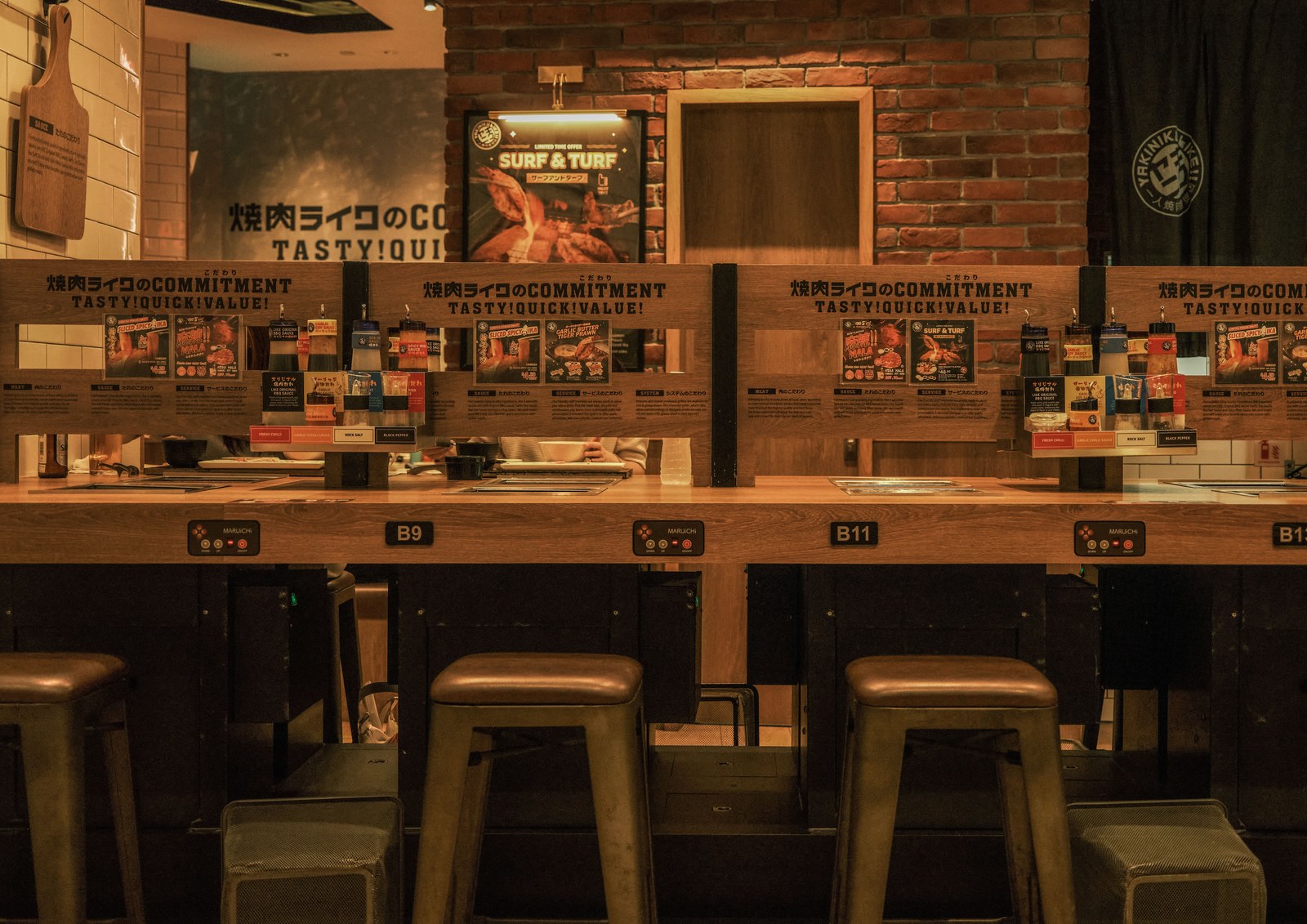
The highest-scoring omakase in the Bay Area seats fewer than 12 people and has no menu.
The best omakase counter in the Bay Area is not the one with the most press; it is the one where the chef has been cutting fish in the same city for over a decade and has fewer than 14 seats to fill each night.
We test dishes so you don't have to. No spam — just the best food, neighborhood by neighborhood.