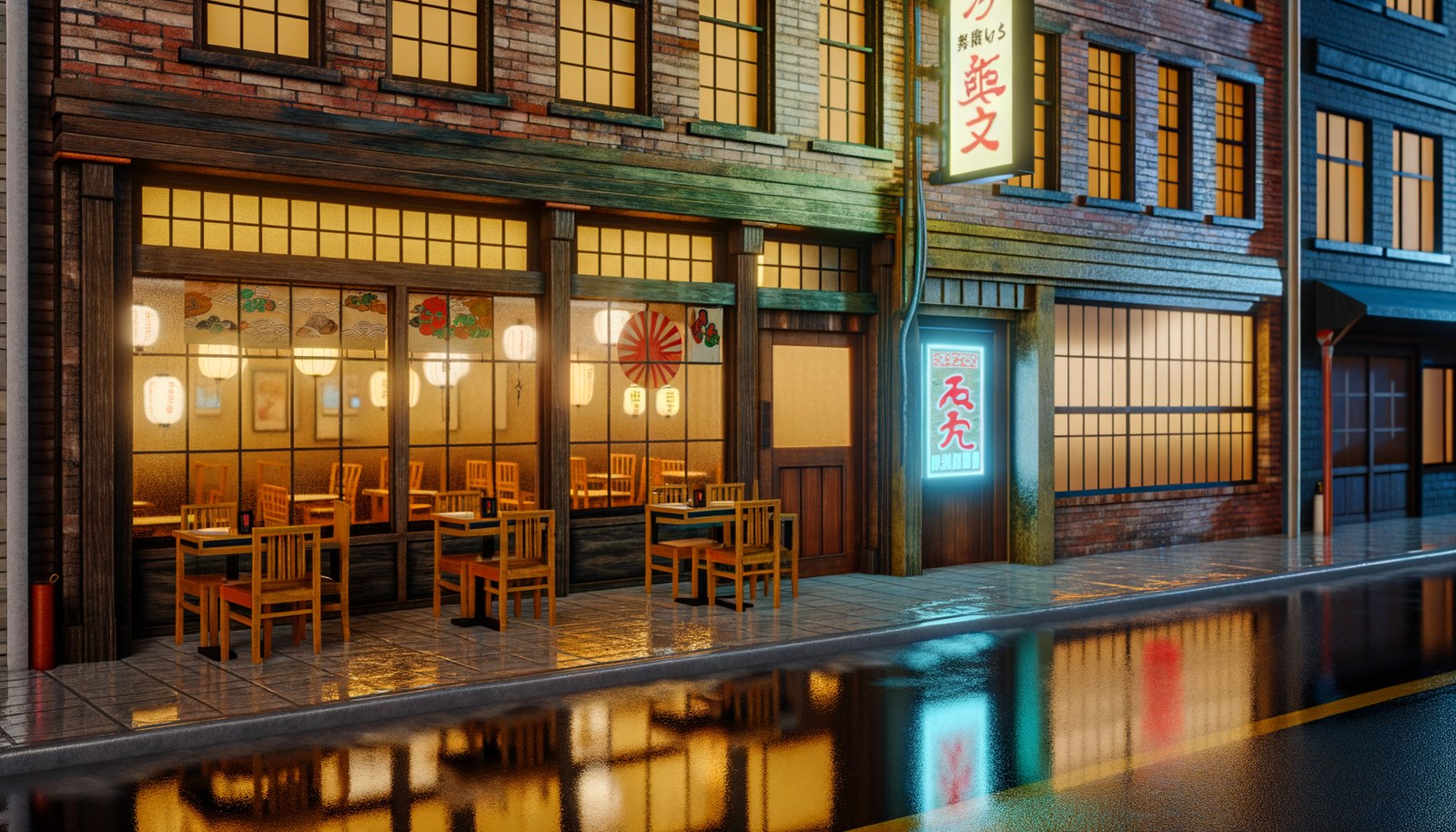
Oakland · Grand Lake
Grand Avenue is not a Japanese food destination in the way Japantown is a Japanese food destination. It is something more useful: a working neighborhood corridor where the food is for the people who live there.
What the Corridor Is Actually Doing
Grand Avenue runs from Lake Merritt northwest toward Piedmont, and the stretch that matters for Japanese food is the ten-block run between the lake and the 580 overpass. It is not a Japanese food corridor in the formal sense — there is no Japantown designation, no lantern-strung festival block, no marketing infrastructure telling you this is where to go. The Japanese food here exists because the neighborhood needed it to exist, and the neighborhood has been adding to it quietly for twenty years.
The corridor's food logic is East Oakland pragmatism grafted onto a mixed residential block. The same stretch that has a Yemeni bakery and a Salvadoran carnicería also has a ramen counter and a yakitori grill. None of them are performing for a food tour. The prices reflect this. A bowl of tonkotsu ramen tracks under sixteen dollars at most spots on the corridor. A full yakitori set with two skewers and rice runs under twenty. This is not San Francisco pricing, and the food is not apologizing for that.
The algorithm noticed something specific about the Grand Lake Japanese corridor: the consistency scores are higher than the press coverage suggests. Spots that have no food magazine mentions, no influencer coverage, no tasting menu to photograph — they are executing at a level that the data keeps flagging. The reason is simple. They are cooking for regulars. Regulars leave if quality drops. The algorithm can see what the guide misses.
The Ramen Question
Ramen in Oakland has a different character than ramen in San Francisco. The San Francisco version has been formalized — there are queues, there are ticket machines, there are prix fixe add-ons. Oakland ramen is still closer to the original izakaya premise: a bowl of something hot and serious that you eat at a counter without making a reservation. Ramen Hiroshi operates on this logic. The counter seats twelve. There is no valet. The broth is tonkotsu, cooked overnight, and the chashu is sliced thick enough to matter.
The udon situation on Grand Ave is handled by Udon Mugizo, which runs a short menu and makes its noodles in-house. Cold udon in summer, hot udon through the rest of the year. The dashi is clean — you can taste it as a thing distinct from the salt. This is the metric that separates a serious udon from a serviceable one, and Mugizo is on the right side of it. Scores in the high eighties on flavor, higher on value.
Soba is the underrepresented format on Grand Ave. There are two spots that do it well, and neither of them leads with it — it appears as a secondary item on menus that are primarily ramen or donburi-focused. Koreana, just off the corridor toward Telegraph, runs cold soba as a lunch special that the regulars know about and the walk-ins rarely order. That ratio will not last. The algorithm noticed the dish before the press did.
The Grill Side of the Corridor
Yakitori is the format that Oakland's Grand Lake does quietly well and never gets credit for. Ohgane has been operating a charcoal grill long enough that the smell of binchotan smoke is structural to the dining room — it is in the walls, in the chairs, in the way the room feels before the food arrives. The skewers are not precious. Chicken thigh over thigh breast, tare over salt, everything cooked to a char that is deliberate rather than accidental. There is no omakase option. There is no need for one.
The izakaya format on Grand Ave is best understood as a delivery mechanism for the kind of food that works better with a beer than with a wine list. Sura runs a hybrid menu — Japanese and Korean influences split roughly evenly — and the izakaya logic holds for both halves of it. Small plates, rice, a rotating special that depends on what came in. The portions are not California small. The prices are not California high. These two facts together explain the regulars.
Tempura on the corridor is done correctly at Takahashi, which has been open on Grand Ave since the early 2000s and has not needed to change the batter recipe. The tempura is thin, not thick. The shrimp is not butterflied out to look large; it is served as it is. The dipping sauce has been the same since the restaurant opened. That kind of consistency is harder to find than the food press tends to acknowledge, and the scoring reflects it.
Where Grand Lake Fits in Oakland's Food Map
Oakland is a city where every food corridor has a specific identity and a specific logic, and Grand Lake's Japanese corridor makes sense within that structure. The city built its food reputation on Mexican food Fruitvale Oakland and on the Ethiopian food Temescal Oakland has developed along Telegraph — a stretch that now runs six or seven spots deep and scores as high as anything in the city on both execution and value. The Japanese food on Grand Ave is not as concentrated as either of those corridors, but the per-spot quality is comparable.
The dining room that anchors the wider East Bay Japanese food conversation is Yoshi's, which has operated at its Jack London Square location since 1997 and carries a weight in the community that exceeds its food scores. It is a jazz club that serves Japanese food, and both halves of that equation are taken seriously. It is not on Grand Ave. It matters because it establishes the cultural context: Japanese food in Oakland has always been food that exists in dialogue with the rest of the city's cultures, not in isolation from them.
ForkFox on Chinatown dim sum shows the same pattern: the best food in Oakland's neighborhood corridors is not in the spots with the highest profiles. It is in the spots that have been cooking for the same fifty tables for fifteen years. The Sushi Ko counter on Grand Ave fits this description. Twelve seats. No delivery platform. A sushi counter that has been running a sub-thirty-dollar omakase option since before omakase became a marketing word. The algorithm noticed. The guide missed it.
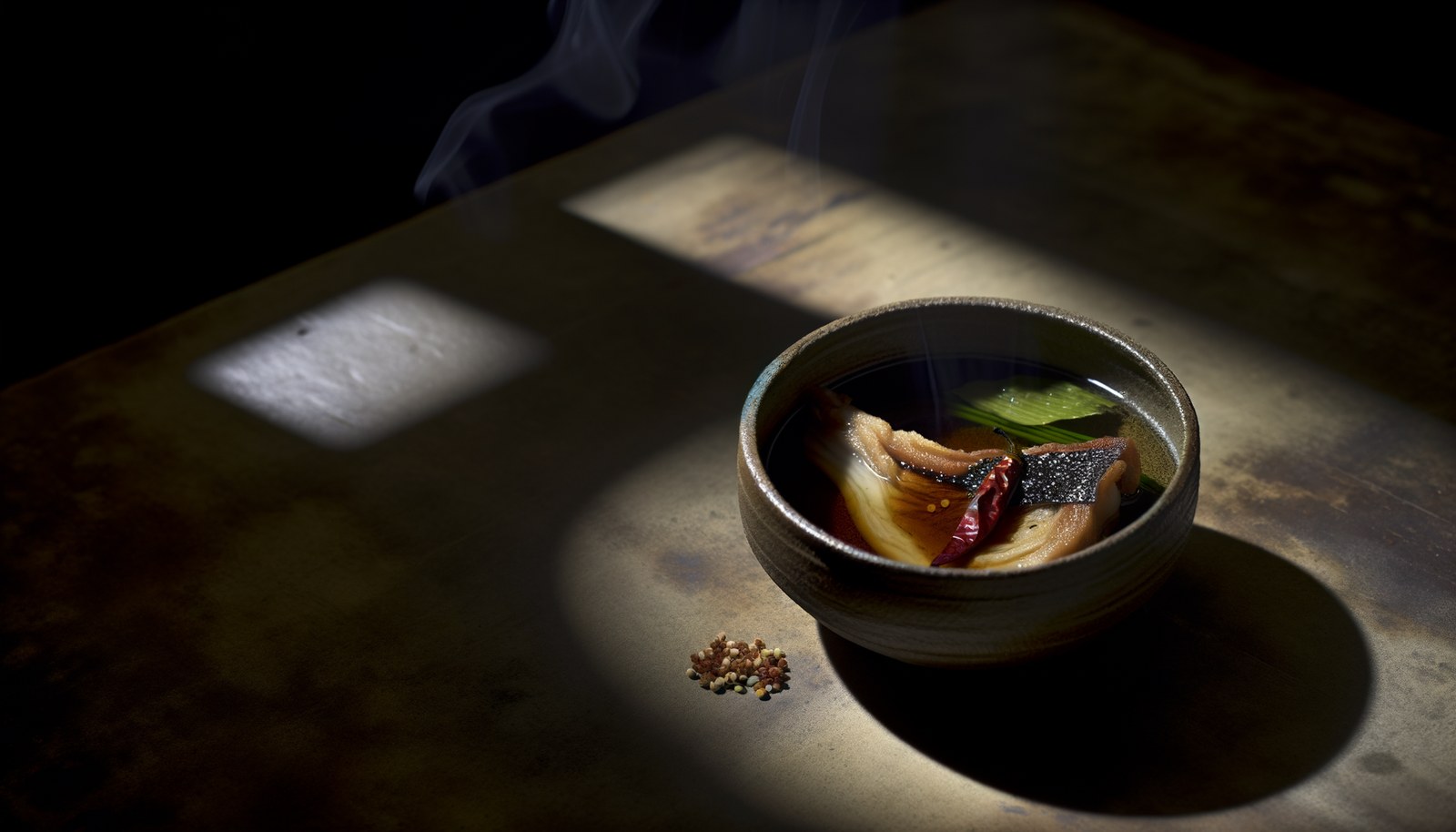
The algorithm noticed what the food press missed: the best Japanese food on Grand Ave has no Yelp photo strategy.
The best food on a working neighborhood corridor is not invisible because it is bad; it is invisible because it was never made for you.
We test dishes so you don't have to. No spam — just the best food, neighborhood by neighborhood.