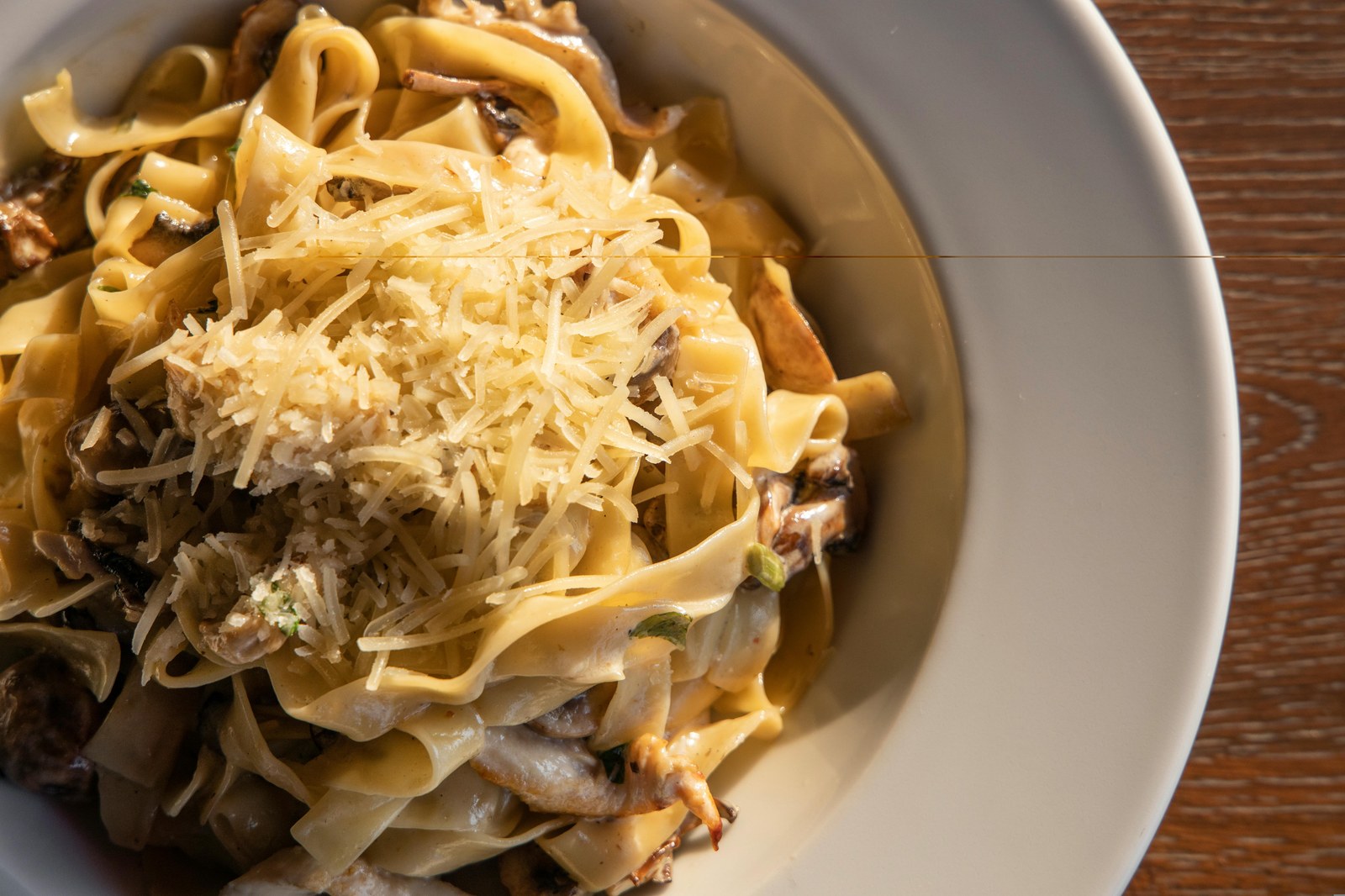
Philadelphia · Pennsport
The tourist map ends at Passyunk. The real Italian South Philly starts where 2nd Street crosses Moyamensing and the restaurants stop trying to explain themselves.
What Pennsport Is, and What It Is Not
Pennsport does not appear on most Italian food maps of Philadelphia. The press sends you to East Passyunk, to Bella Vista, to the Italian Market corridor. Those are real. See Italian restaurants Bella Vista Philadelphia and restaurants along East Passyunk for what that coverage looks like. Pennsport is the neighborhood that sits just below it, bordered by Washington Avenue to the north and Snyder to the south, running from the waterfront back through 2nd Street to Moyamensing Avenue. It is a working neighborhood. It does not have a marketing campaign.
The Italian presence in Pennsport is not decorative. It is structural. Sicilian and Neapolitan families moved into these blocks in the late nineteenth and early twentieth centuries — into the rowhouses along 2nd Street, around Moyamensing, through the streets that run parallel to the river. They built churches, social clubs, and restaurants. The restaurants that are still operating today are not trading on nostalgia. They are operating because the neighborhood uses them.
That context matters for how you read the food. A trattoria in Pennsport that has been open since the 1980s has survived not because of Yelp reviews but because the block it sits on kept coming back. The red gravy, the antipasto, the Sunday sauce — these are not menu decisions in the marketing sense. They are the result of decades of the same families ordering the same things and the kitchen learning what the neighborhood wants.
The Economics of BYOB and Why They Work Here
Pennsport Italian runs on BYOB. This is not a novelty and it is not a workaround. It is a structural fact about how South Philly Italian works, and it has been true for decades longer than the concept became fashionable in other neighborhoods. A restaurant on 2nd Street or Moyamensing that doesn't take a liquor license is keeping its overhead down, keeping its prices down, and staying in front of the neighborhood it serves. The math is not complicated.
The practical result is that a full dinner for two — pasta, a shared second course, maybe an osso buco to split — lands in a price range that would be impossible on East Passyunk with a full bar program. La Porta. Two Cats Kitchen. Stogie Joe's. These are rooms where you show up with a bottle from the wine shop two blocks north and the check at the end of the night still surprises you with how reasonable it is. The algorithm scores value in this corridor consistently high. The scoring makes sense.
BYOB also shapes the room. There are no cocktail programs to distract from the table. There is no bar crowd bleeding into the dining room. The focus is the food and the people you came with. In a neighborhood that has been eating Italian food at these tables for three generations, that is not an accident. It is what the neighborhood asked for.
Red Gravy: The Ingredient the Critics Keep Misreading
The food press has a complicated relationship with red gravy. For about fifteen years, the critical consensus was that Sunday sauce — the long-cooked tomato, the braised meat, the pork fat rendering into the base for three hours on a Sunday morning — was a relic. The restaurants that were worth covering were doing something else. Pennsport Italian never got that memo, and the neighborhood never wanted it to.
The red gravy at the rooms along 2nd Street is a technical product. It requires time, it requires fat, and it requires someone in the kitchen who has made it enough times to know when it has gone far enough and when it hasn't. Marra's has been doing this since 1927. The recipe has not changed because there is no reason to change a recipe that works. Criniti keeps the same logic: the sauce is the foundation, not the feature, and the pasta that goes into it is the variable. This is the correct hierarchy.
The scores for red gravy execution in this corridor run high — consistently in the high eighties on flavor, with value scores that reflect the price point. What the algorithm notices is the gap between the press attention these rooms receive and the scores they are generating. That gap is large. It is the kind of gap that exists when critical attention has been pointed in the wrong direction for a long time. See ForkFox on South Philadelphia's Italian food history for how this pattern runs back further than most people expect.
The Dishes That Explain the Neighborhood
Osso buco at Tre Scalini is the clearest single argument for why Pennsport Italian deserves more coverage than it gets. The veal shank braises until the collagen has fully surrendered and the marrow in the bone is loose and ready. The risotto underneath is not an afterthought — it is where the dish actually lives, absorbing the braising liquid and the fat from the shank until the two things are one thing. This is a dish that takes a full kitchen shift to produce and costs what a pasta entree costs at a Passyunk room with better lighting.
The antipasto at Criniti runs traditional: sliced cured meats, roasted peppers, marinated olives, provolone. There are restaurants in this city charging four times as much for a charcuterie board that contains fewer things and less craft. The antipasto here is not a rethought version of itself. It is the version that has existed for decades, produced by a kitchen that has made it thousands of times and knows exactly when the pepper is marinated long enough.
Paradiso runs a more contemporary format — housemade pasta, a menu that changes by season, a room that feels like someone designed it in the last ten years. The pasta execution is high. The algorithm noticed the consistency: weeknight service and Saturday service are running at the same level, which is rarer than it should be. Order the pasta and ask what the kitchen is using for the sauce base that week. The answer is almost always worth knowing.
Where Pennsport Sits in the Larger South Philly Italian Picture
South Philly Italian is not a single thing. The Italian Market corridor on 9th Street is a daytime produce and import operation that turns into a different neighborhood after dark. East Passyunk is a dining destination with national press and reservation lists that fill weeks out. Bella Vista runs a mix of old-guard red-sauce rooms and newer Italian-adjacent places that are harder to categorize. Pennsport is the version of this that has the least foot traffic from people who drove in from the suburbs.
That insularity is not a flaw. The rooms on 2nd Street and Moyamensing are not calibrated for the tourist appetite. They are calibrated for the neighbor who walks over on a Tuesday night with a bottle of Montepulciano and wants the pasta to taste the way it tasted last time. That calibration produces food that is consistent in a way that destination restaurants rarely achieve, because the audience for it holds the kitchen accountable in a way that a rotating tourist clientele cannot.
The neighborhood is changing — the rowhouses are selling at prices that would have been unimaginable fifteen years ago, and the demographic is shifting along the northern edge toward Washington Avenue. The restaurants have not changed yet. The kitchens are still running the same menus, the same sauce bases, the same osso buco. The algorithm can see the window. The rooms that hold their standard through the transition will be the ones worth finding in five years. The ones that pivot toward the incoming demographic at the cost of the food will not.
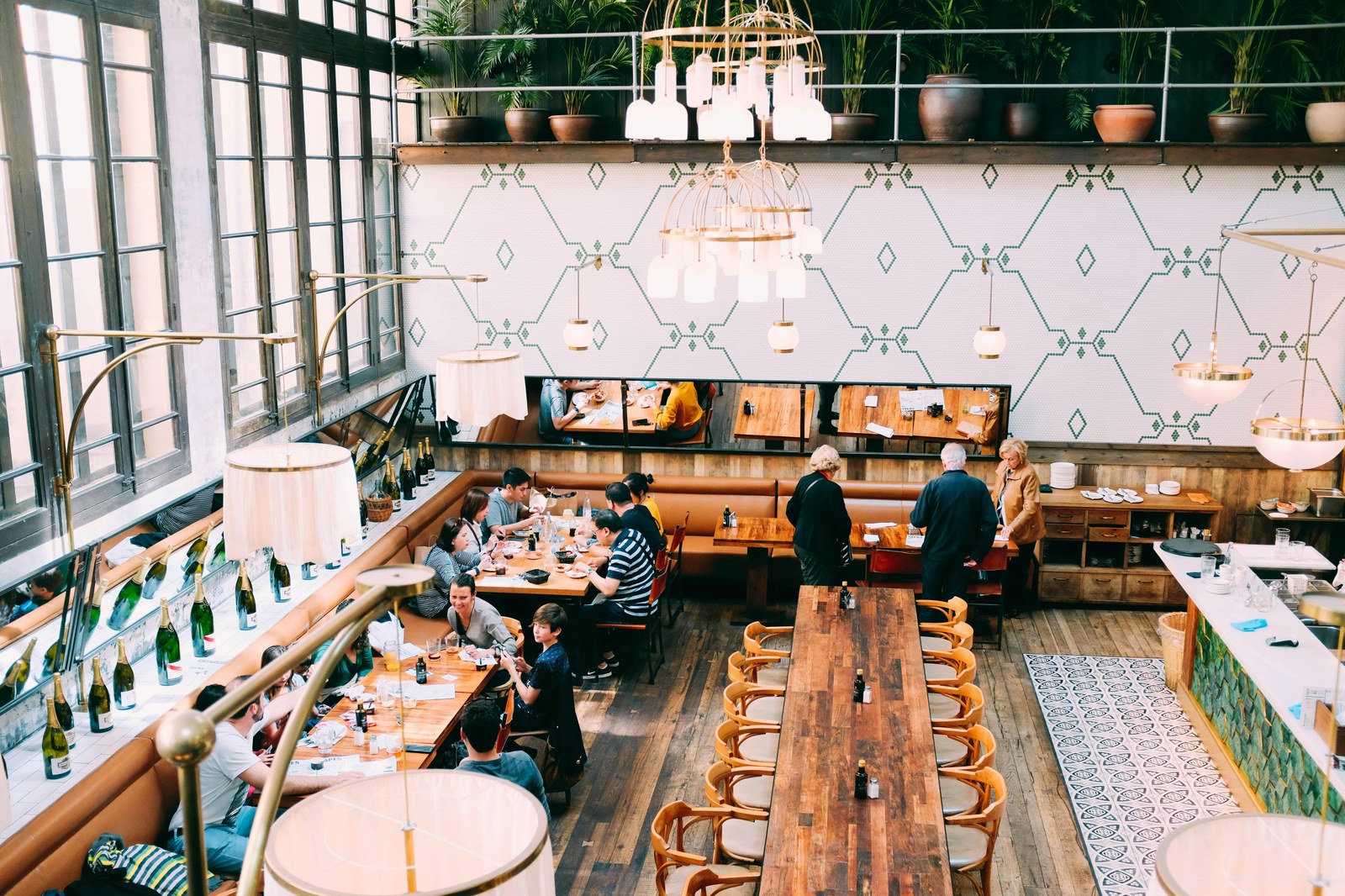
The red gravy here is not a reference to the past. It is the present tense.
The neighborhood that doesn't need to explain itself to you is usually the one getting the food right.
We test dishes so you don't have to. No spam — just the best food, neighborhood by neighborhood.