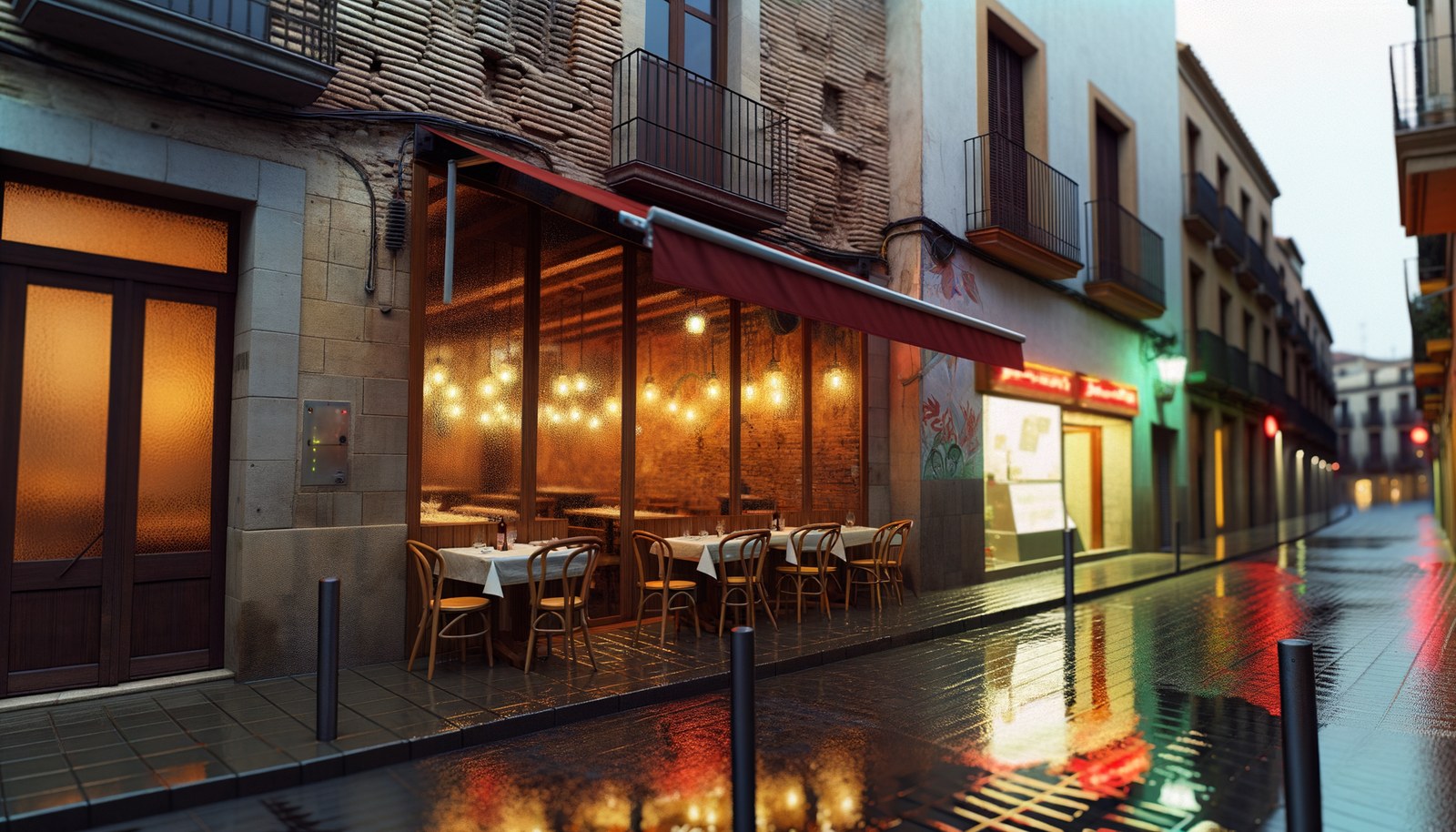
San Francisco · Marina
The Marina runs on yoga studios and morning coffee. The Mediterranean food on Chestnut St runs on something older and harder to fake.
What the Marina Actually Is
The Marina is a neighborhood that has been successfully typecast. The typecast is: young professionals, brunch, athleisure, Equinox, weekend trips to Tahoe. The food press has reinforced this read for fifteen years. The typecast is not wrong. The typecast is also not the whole picture, and the part it misses is the part that scores highest.
Chestnut Street is the Marina's main corridor. It runs from Divisadero west to the edge of the Presidio and carries, across those fifteen or so blocks, enough variation in cuisine and price point to make the neighborhood guide version of it — happy hour cocktails and oyster specials — feel like a deliberate omission. The Mediterranean restaurants on and near Chestnut St are not hidden. They are simply not loud. The Marina rewards its loudest spots with lines on Saturday morning. The quieter rooms get their rewards in repeat customers who have been coming back since the nineties.
The economics work like this: rent in the Marina is among the highest in the city. That pressure does two things. It eliminates the marginal operator quickly, and it raises the floor. What survives on Chestnut St is not always extraordinary, but it is almost never sloppy. The Mediterranean spots that have survived do so on execution, not on concept. That is a data point the algorithm can work with.
Persian as Mediterranean: The Scoring Gap
The category label "Mediterranean" in San Francisco has been colonized by Italian-adjacent and Greek-adjacent restaurants. Persian food is Mediterranean food — the olive oil, the herbs, the slow braise, the charcoal grill — but the guides almost never treat it that way. That omission creates a scoring gap. The rooms that get filed under Persian rather than Mediterranean are under-reviewed, under-crowded on weekdays, and over-performing on value. The algorithm noticed this before the food press did.
Shalizaar sits on Chestnut St and does not announce itself. The sign is modest. The room inside is calm, which in the Marina is an unusual proposition. The lamb koobideh is mixed by hand, packed onto flat skewers, and grilled over charcoal that is not approximated by a gas flame underneath a grate. Saffron rice. Charred tomato. Bread that arrives first, warm, because the kitchen assumes you haven't eaten since lunch. The flavor scores here are in the high eighties. The value scores are close behind. For Chestnut St, that combination is unusual.
The comparison that matters is internal. Shalizaar scores above several Italian rooms in the neighborhood on flavor and at or above them on value. The Italian rooms have better press. They are reviewed more frequently and more enthusiastically. The Persian room is doing the quieter work of actually feeding people well, and the regulars — who are many, and who are not tourists — know this. The regulars are always the real data set.
Spanish and the Thirty-Year Room
Zarzuela opened in 1994. It is not on Chestnut St proper but sits close enough to the Marina border that Marina residents treat it as their own. The tapas format has not changed in thirty years, and this is the correct decision. The gambas al ajillo arrives in a pan that is still spitting olive oil and garlic when it reaches the table. The tortilla española is thick, correctly eggy, and set without drying out, which is a technical achievement that most SF restaurants serving tortilla do not manage. The croquetas are not clever. They are just right.
Thirty years of the same format in San Francisco is not nostalgia. The city closes restaurants faster than almost anywhere in the country, and the restaurants that survive without reinventing themselves do so because the execution has stayed tight. Zarzuela is that argument made physical. The room is small, the reservation list fills early, and the check is fair for what arrives on the table. The algorithm can see what the city's dining press misses by chasing the new opening: a ninety-something on consistency over time is a harder number to earn than a ninety-something on debut night.
The Spanish tapas format also does something structurally useful for the neighborhood: it fits how Marina residents want to eat. Small plates, shared, across a long table, with a bottle of wine. That format has been sold to the city as a modern innovation since roughly 2015. Zarzuela was doing it in 1994. The neighborhood found the format before the format found the neighborhood.
The Italian Question
The Marina has Italian restaurants the way the Mission has Mexican restaurants — in volume, across price points, with varying degrees of seriousness. Sociale is the one that scores highest on experience as a structural fact rather than as a feeling. The courtyard works. Not in a designed-experience way; in the way that a room built correctly for its climate and its foot traffic simply functions across seasons. July fog. October sun. The courtyard handles both.
The pasta at Sociale changes. The pasta is consistently correct, which is a different thing from being consistently adventurous. The kitchen is not trying to publish a point of view with every menu cycle. It is trying to cook pasta well in a room that people return to. That is a narrower ambition and a more achievable one, and the scores reflect it. Flavor lands in the high eighties. Value trails — this is Fillmore-adjacent, and the neighborhood costs what it costs — but not by a margin that makes the math insulting.
A16 sits further south but draws the Marina crowd reliably. It has been the city's reference point for southern Italian — specifically Neapolitan and Campanian — since 2004. The wood-fired oven is the fact that matters most; the crust it produces is not replicable by a deck oven, and the restaurant does not try to pretend otherwise. The wine list has always been the serious half of the operation. That seriousness is priced accordingly.
What the Data Says About the Marina
The Marina's Mediterranean food does not cluster at the extreme ends of the scoring range. There are no catastrophic scores here; the rent and the customer base have eliminated the truly careless operator. There are also fewer outlier highs than the Mission delivers on Mexican or the Tenderloin delivers on South Indian food Tenderloin San Francisco. What the Marina delivers is a sustained mid-to-high band across a real range of cuisines — Persian, Spanish, Italian, Greek — with the Persian room currently doing the best work and the Spanish room doing the most consistent work over time.
The city's food press is focused further south and further east. The best Mexican food Mission District San Francisco gets the coverage it deserves, and ForkFox on Financial District dim sum shows a different kind of concentration. The Marina doesn't generate that kind of focused attention, and that is precisely why the value math works the way it does. Less coverage means less crowding means the regular can still get a table at Zarzuela on a Thursday without a two-week lead time.
The principle the data keeps returning to: the neighborhoods the press ignores are the neighborhoods where the regulars eat. The regulars are eating well on Chestnut St. The scores say so, and the empty tables on weeknights confirm the opportunity.
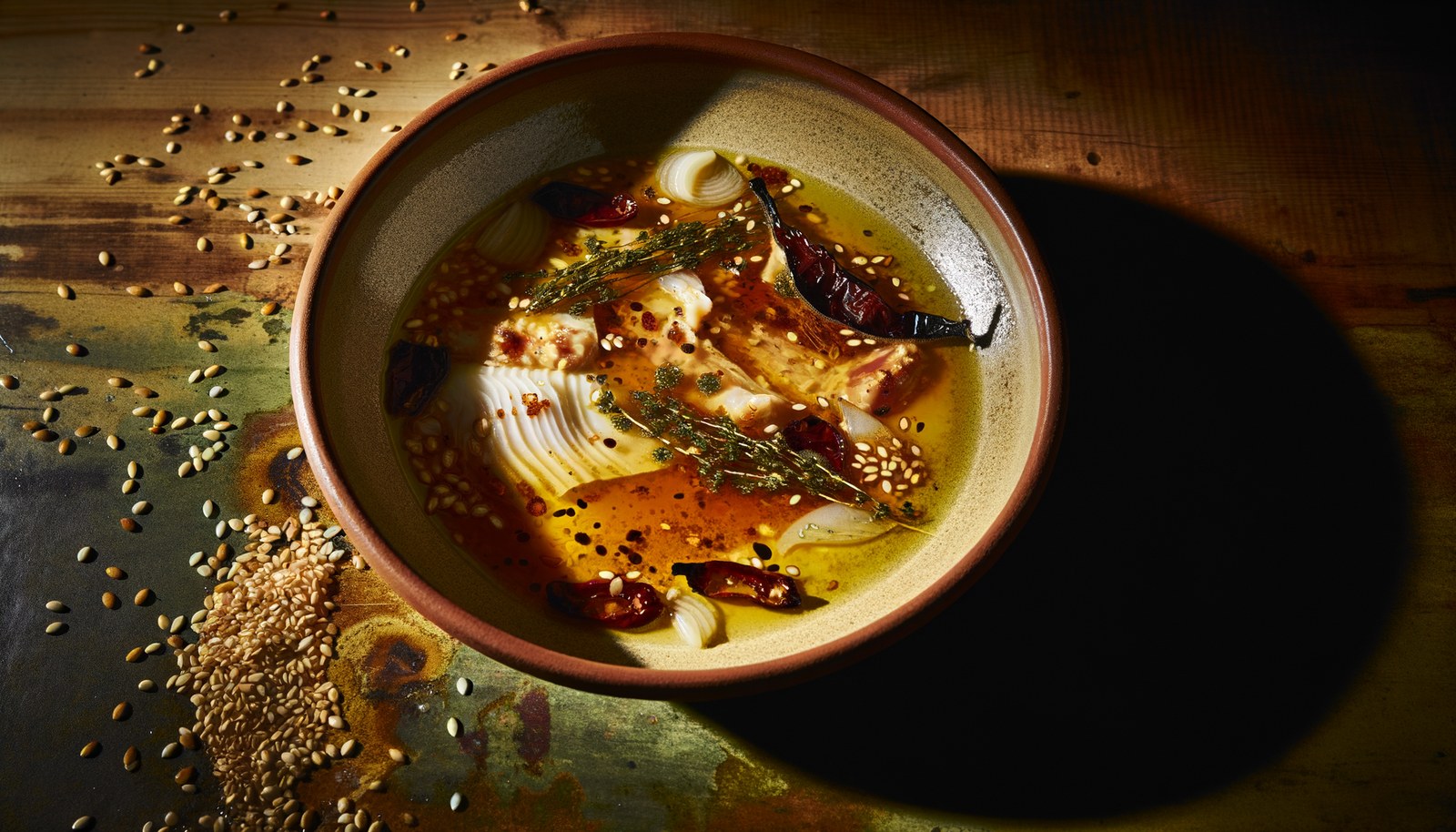
The algorithm noticed: the highest flavor scores here belong to rooms that don't care about your Instagram.
The room that doesn't care about its press tends to score better than the room that does.
We test dishes so you don't have to. No spam — just the best food, neighborhood by neighborhood.