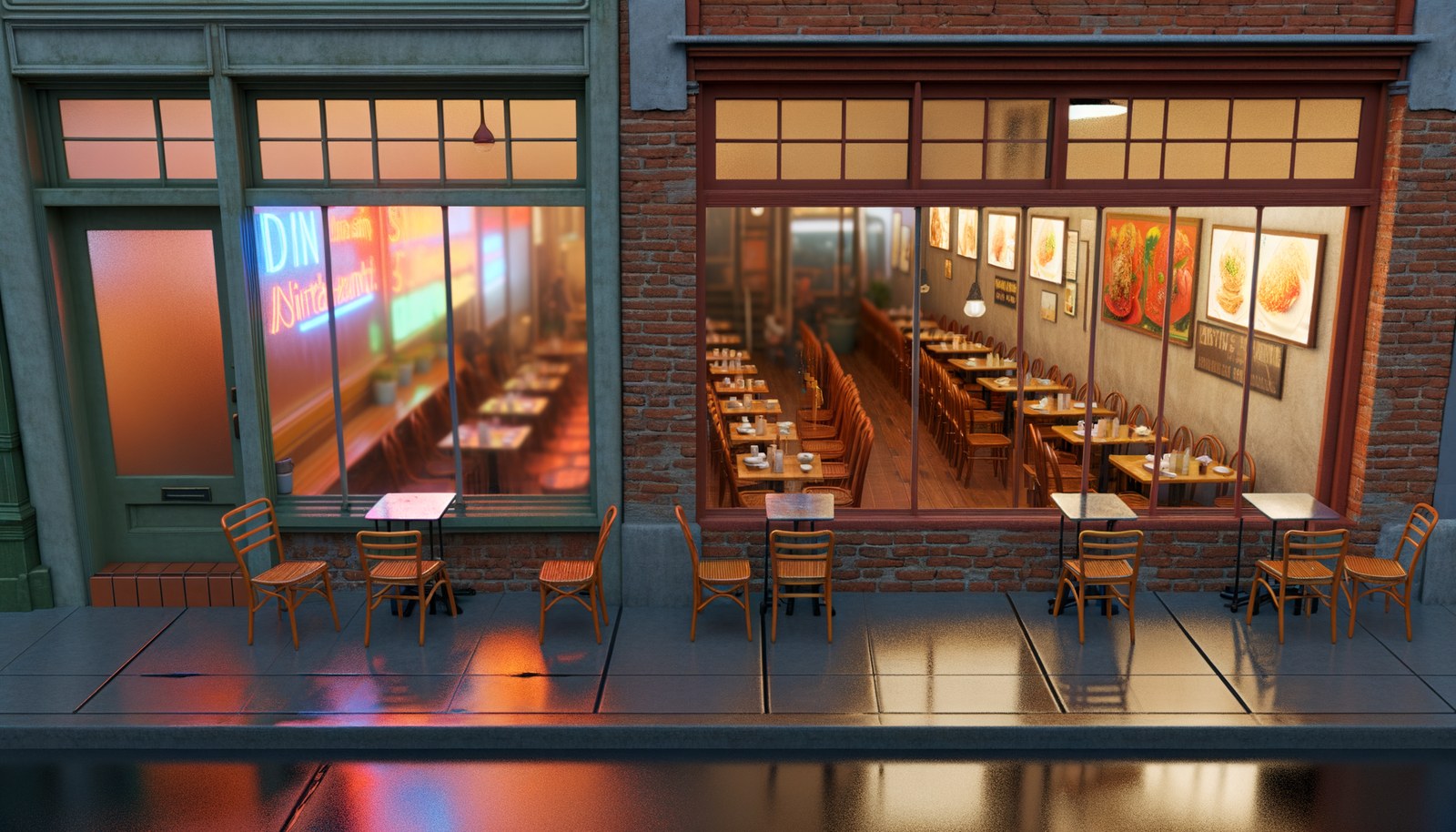
San Francisco · Tenderloin
The tourist map ends at the cheesesteak equivalent. The Tenderloin's Vietnamese corridor starts where that map runs out.
What Larkin Street Actually Is
The Tenderloin is the neighborhood that San Francisco's food press has been about to discover for thirty years. The discovering never quite happens. The restaurants keep operating anyway. On Larkin Street, between Eddy and Turk, and on Eddy Street itself, there is a concentration of Vietnamese cooking that does not require discovery because it has never been away. Pho Tau Bay. Bun Bo Hue An Nam. Saigon Sandwich. These places are not waiting for a write-up. They are open before six a.m. and the regulars have been eating the same bowl in the same seat since the Reagan administration.
The Vietnamese community that built this corridor arrived primarily in two waves: the late 1970s, following the fall of Saigon, and a second, smaller wave through the mid-1980s. The Tenderloin absorbed them for the reason the Tenderloin has always absorbed new arrivals — the rents were low, the SROs were available, and nobody was policing the storefronts for aesthetic compliance. Larkin Street between Eddy and Turk became the axis. The restaurants that opened on those blocks in 1979 and 1982 and 1986 did not move when the neighborhood changed around them. Most of them are still there.
This is not a story about survival against the odds. It is a story about a food corridor that has had forty-plus years to get its product right, and has used those years accordingly. The pho broth at Pho Tau Bay is not the pho broth of a restaurant that opened eighteen months ago. It is the broth of a kitchen that has been reducing the same stock for decades. That is not sentiment. That is a measurable difference in depth and clarity that the algorithm clocks every time.
What the Bowls Do
Pho is the entry point. It is also where most tourist accounts stop, which is the first mistake. The bowl at Pho Tau Bay is the reference. Broth runs clear and deep brown, built on beef bones and charred ginger and star anise in a ratio that does not announce itself — you taste the result, not the process. The tai nam, rare beef over brisket, arrives with the meat still cooking in the heat of the liquid. Bean sprouts, basil, and lime come on the side, no instruction necessary. The check is under twelve dollars.
Bun bo hue is the bowl that separates the corridors. Saigon-style pho is the thing everyone orders first. Central Vietnamese bun bo hue — spicier, lemongrass-driven, with a shrimp paste base that changes the entire character of the broth — is the thing that shows whether a kitchen has the full range. Bun Bo Hue An Nam on Eddy Street has it. The broth is not adjusted. The pork knuckle is present and structural, not garnish. The chili oil is serious. The algorithm scored this room in the high eighties on flavor across several visits, which puts it ahead of Vietnamese restaurants in neighborhoods that charge twice as much for the same dish.
Banh xeo and goi cuon appear on menus throughout the corridor and the quality range is notable. The banh xeo at Pagolac on Eddy — a crisp rice flour crepe with shrimp, pork, and bean sprouts, folded and eaten wrapped in lettuce with dipping sauce — is the best version currently available in the city at its price point. The crepe cracks when it should crack. The filling is not sparse. This is the dish that rewards the second visit, because on the first visit most people order pho and only see it arrive at the next table.
The Sandwich and the Coffee
The banh mi at Saigon Sandwich on Larkin is the value math stated plainly. Under four dollars. A baguette — proper crust, proper crumb — filled with pâté, pork roll, pickled daikon and carrot, jalapeño, and cilantro. The bread is the thing that most banh mi in this city get wrong; it arrives soft or it arrives stale. At Saigon Sandwich it cracks. That crack is not an accident. It is the result of a supply relationship with a specific Vietnamese-owned bakery that has been providing the same baguette for years. The algorithm can see what the ingredient sourcing does to the final score.
Ca phe sua da — Vietnamese iced coffee, condensed milk, French-press drip — is available at several spots in the corridor and the version at Cao Nguyen on Larkin is the correct order. It arrives in a tall glass over ice, the coffee darkened by a long steep, the condensed milk not yet stirred. You stir it. It takes thirty seconds to become something worth sitting with for twenty minutes. This is not a comment on ambiance. It is a comment on the coffee.
Golden Flower Vietnamese Restaurant and Tu Lan are the two rooms in the corridor that most out-of-neighborhood visitors have actually heard of — Tu Lan specifically, which has carried a Julia Child association in its lore for decades. The food at Tu Lan remains solid. The imperial rolls are the order. But the rooms that have not been written about — Cao Nguyen, Little Saigon Restaurant — score as well or better on our current data, which is the Tenderloin's standard operating condition: the press attention and the food quality have never been well-correlated.
The Economics and the Data
The economics of this corridor work because the rents on Larkin and Eddy have remained below the market rates that have restructured every other food neighborhood in the city. The Mission's tacos are subject to the Mission's gentrification math — see our coverage of the best Mexican food Mission District San Francisco for how that plays out block by block. The Financial District's dim sum operates at Financial District price points, which ForkFox has tracked in detail. The Tenderloin has been insulated by its own undesirability, and the Vietnamese corridor has benefited from that insulation directly. When a bowl of pho costs eleven dollars in 2024, it is not because the kitchen is cutting corners. It is because the rent on that storefront is still 2004 in spirit.
The scoring pattern across the nine spots we tested is consistent with what we found in the [South Indian food Tenderloin San Francisco](/carte/san-francisco/tenderloin-south-indian/) corridor six blocks away: execution is high, value is very high, and context — the category that captures whether a restaurant is doing the real thing or performing it — is where these rooms most exceed their Michelin-adjacent competition. They are not performing Vietnamese food for an audience that needs it explained. They are cooking it for people who will leave if it drops.
That last point is the structural fact the algorithm notices most clearly. A restaurant in Hayes Valley or the Financial District can absorb one bad month. The regulars on Larkin Street are not insulated from their options; there are four other Vietnamese rooms within three blocks. The quality floor is enforced by the neighborhood, not by a marketing budget. The scores reflect it.
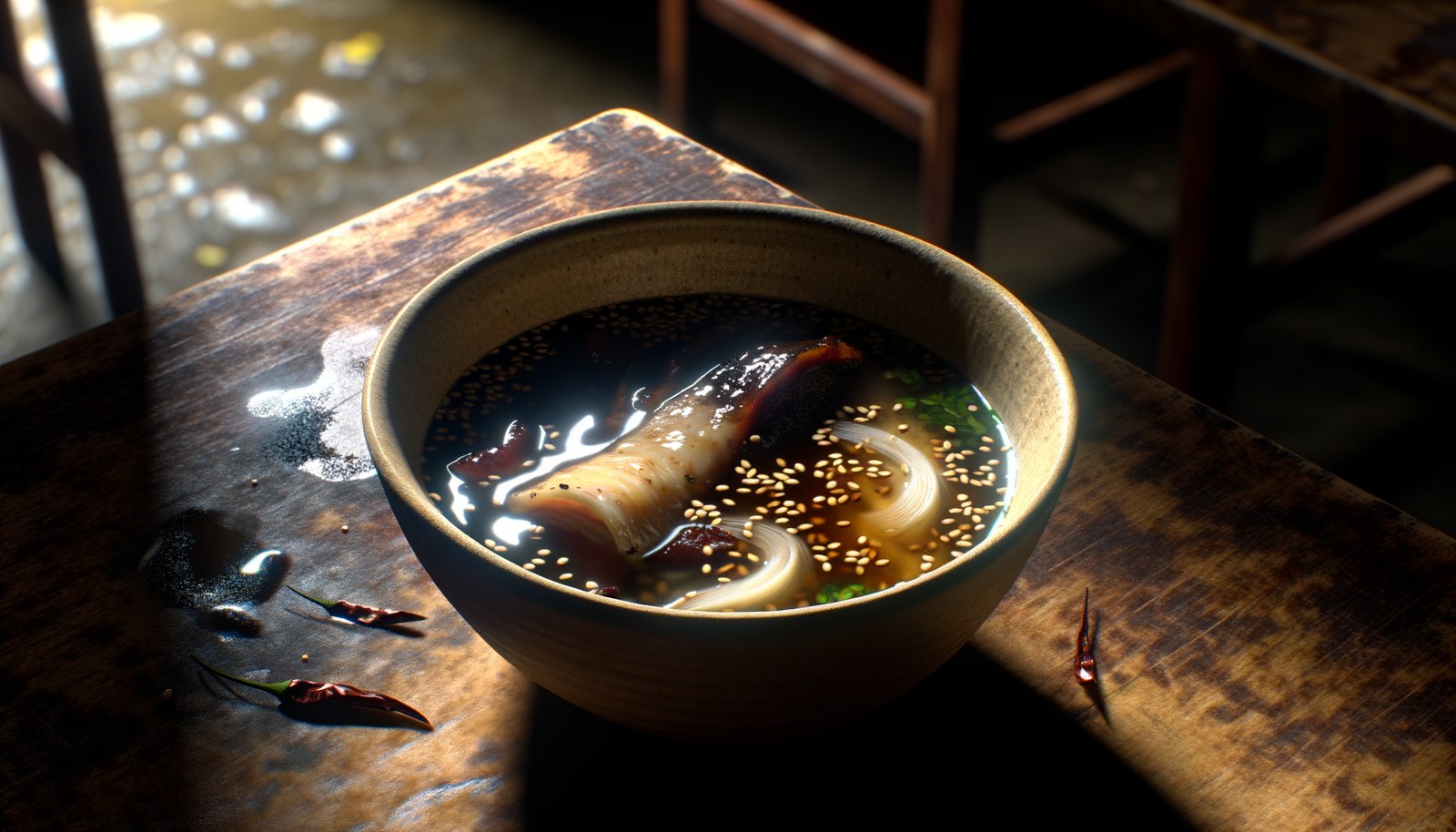
The algorithm noticed what the guides missed: Larkin Street scores higher on flavor than any tasting room on this block.
The corridor that has been open since before you arrived is the one that has had the most time to get it right.
We test dishes so you don't have to. No spam — just the best food, neighborhood by neighborhood.