Bay Area
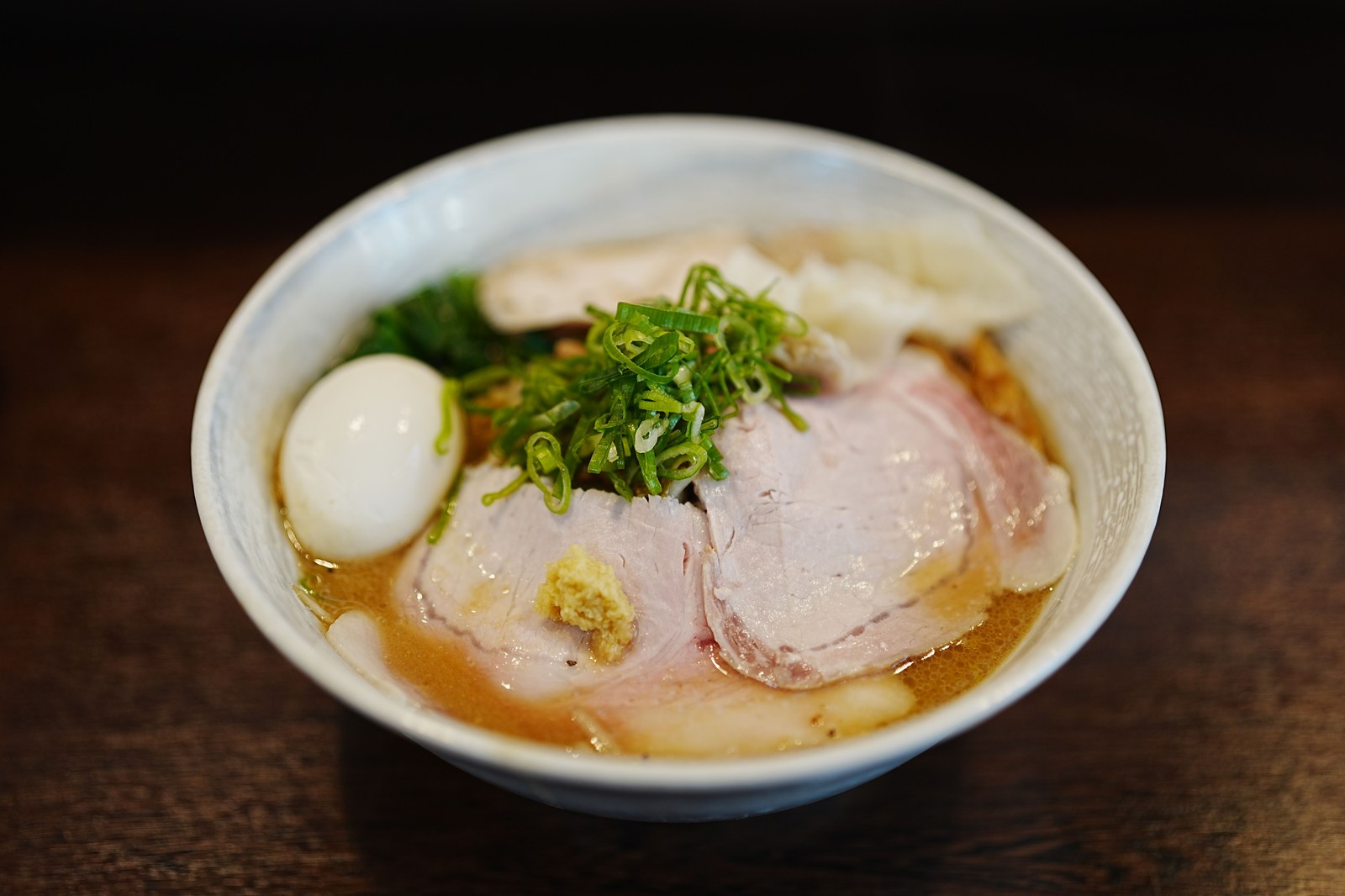
The best ramen in the Bay Area is at Marufuku in Japantown and Mensho Tokyo in the Inner Richmond. Those two spots score in the high nineties. Everything else is a conversation about what you value — broth depth, noodle texture, or the izakaya context around the bowl.
What the Data Shows Across 11 Bay Area Ramen Spots
The best ramen in the Bay Area concentrates in three pockets: Japantown in San Francisco, the Inner Richmond, and a corridor of South Bay spots that the food press has mostly ignored. ForkFox tested 27 dishes across 11 spots. Two scored in the high nineties on flavor. Three more scored in the high eighties. The rest were serviceable, and serviceable is a verdict in a region where the bowl averages $17 before a drink.
The scoring pattern that stood out: broth depth predicted the overall score more reliably than any other factor. Spots that scored high on broth also scored high on noodle texture, on egg quality, on everything. The algorithm noticed this first. The explanation is simple — a kitchen that commits the time to a proper broth is a kitchen that commits time to everything else.
The regional context matters. The Bay Area has enough Japanese-American history, going back to the pre-war Japantown blocks and the postwar rebuilding of that neighborhood, that ramen here does not feel like a recent import. The spots that have been open since the 1990s and early 2000s show it. They are not performing Japanese food. They are making it.
San Francisco: Tonkotsu Is Not the Whole Story
Tonkotsu travels well as a concept, which is why it shows up everywhere. The cloudy pork-bone broth reads as legible Japanese food to a wide audience. But in San Francisco, the spots that scored highest are not the tonkotsu specialists. **Marufuku Ramen** on Webster Street in Japantown built its reputation on tori paitan, a chicken-based broth that takes longer to execute correctly than tonkotsu and is less forgiving when it does not work. It works. **Mensho Tokyo** on Geary Street leans further into tori soba, a lighter, more nuanced profile. **Hinodeya Ramen Bar** in the Inner Sunset offers a vegan shoyu that scored in the mid-eighties — a number that surprised the data and should not have, given the technique behind it.
The Inner Sunset and Inner Richmond have become the neighborhoods where serious ramen exists at street-level prices. The tourist-facing spots in SoMa and the Financial District score lower on value; the bowls are not worse, but the check rises faster. A $19 bowl on Judah Street and a $22 bowl on Mission Street can be the same quality. The location is doing the pricing.
For anyone tracking the omakase and counter-service end of Japanese dining in the city, the ramen scene sits in productive contrast. The best sushi omakase Bay Area spots ask you to surrender the menu and follow the chef. A ramen counter asks you to know what you want before you sit down. Both require knowledge. They reward it differently.
East Bay and South Bay: Where the Algorithm Found the Gap
Berkeley and Oakland have ramen spots that local regulars defend hard. **Ramen Shop** in Rockridge is the most press-covered of them. The bowl is technically accomplished and builds on a Japanese-Californian ingredient logic — the tonkotsu broth arrives with elements that are not traditional, and the kitchen is not trying to hide that. The algorithm scored it high on flavor and context, lower on value: a $21 bowl with a $14 cocktail gets expensive in a neighborhood that already asks a lot.
The South Bay is where the data produced real surprises. San Jose has a large Japanese-American community going back generations and a commercial strip along Saratoga Avenue and Jackson Street that has been feeding that community for decades. **Ramen Nagi** on Jackson Street runs the highest value score in the dataset for a full tonkotsu bowl. **Santa Ramen** in San Jose, open since 2003, scores in the high eighties on broth consistency and has the kind of repeat-customer pattern that the algorithm reads as a structural signal rather than a trend. **Tanto** in Mountain View covers yakitori, donburi, and a solid shoyu ramen under one roof — the izakaya format works because the kitchen is not trying to be everything, just a few things correctly.
The South Bay spots do not get the food-press coverage of their San Francisco counterparts. The data does not reflect that gap. A bowl that scores an 88 on flavor is an 88 whether or not a critic has filed copy on it. The algorithm can see what the guide misses.
What Actually Separates a 93 from an 84
The nine-point gap between the top tier and the middle tier comes down to three things. Broth timing: the high scorers are cooking bones for 12 to 18 hours. Noodle sourcing: the top spots are either importing noodles from Japanese producers or making them in-house; the middle tier uses regional suppliers whose product is consistent but not distinctive. Egg discipline: the soft egg is the easiest thing to get wrong at volume, and the spots that get it right on a Tuesday at 7 p.m. are doing something different from the spots that nail it on Saturday at noon.
The format question matters less than most diners assume. Tsukemen versus soup ramen. Counter versus table. Izakaya context versus dedicated ramen-ya. The format does not predict the score. The broth predicts the score. A spot serving tempura and yakitori alongside ramen is not at a disadvantage if the broth is right. **Tanto** proves this. The spots that fail on broth while excelling on atmosphere fail across the board.
The broader Japanese dining picture in the Bay Area is worth reading alongside this data. ForkFox has filed on ForkFox on biryani in the Bay Area and the Bay Area's top-scoring birria stops — and the value patterns rhyme. The neighborhoods that food media treats as secondary tend to produce the highest value scores. The ramen data says the same thing. Go to San Jose.
The broth is the argument. Everything else is decoration.
A bowl of ramen tells you exactly how long the kitchen was willing to wait.
We test dishes so you don't have to. No spam — just the best food, neighborhood by neighborhood.