Bay Area
The best shawarma in the Bay Area is not at the place with the longest line on Yelp. It is at a handful of counters — in Fremont, Oakland, San Jose, and the Richmond — where the spit runs all day, the pita is made in-house, and the garlic sauce ratio has not changed in a decade. We tested 23 dishes across 9 spots. Here is what the data shows.
What the Scores Actually Show
The best shawarma in the Bay Area scores well on two attributes the guides do not measure: spit time and sauce consistency. A shawarma counter that runs its spit from 11 a.m. to close produces a different result than one that reheats. The meat caramelizes differently. The fat renders differently. The algorithm can see this in the flavor scores, and the gap between a high-spit-time counter and a low-spit-time counter in our data runs about eight points.
Across 23 dishes and 9 spots, the highest-scoring shawarma in the Bay Area came out of Fremont. **Al Watan** on Mowry Avenue scored in the low nineties on flavor and a 94 on value. **Shawarma King**, a few blocks east, scored in the mid-eighties on flavor but climbed into the nineties on value because the portions run large and the price has not moved in three years. **Zak's Halal**, also in Fremont, rounds out a corridor that no Bay Area food guide has ever put on a map but that the algorithm keeps returning to.
The Fremont cluster matters because it reflects a pattern the data shows in other cities too. Middle Eastern immigration in the East Bay ran heavy through the 1980s and 1990s, settling in Fremont and Union City rather than San Francisco, and the food infrastructure those communities built — halal butchers, wholesale pita suppliers, family-run counters on commercial strips — is still producing the most consistent results thirty years later. The Richmond district in San Francisco has a smaller version of the same pattern. The Sunset does not.
San Francisco: What the Richmond Still Gets Right
San Francisco's Middle Eastern food scene is smaller than it should be for a city this size, and the geography explains part of why. The communities that brought shawarma, falafel, hummus, and meze to the Bay Area did not settle in the Mission or SoMa. They settled in the Richmond, on Geary and Clement, and a few counters from that era are still open. **Sunrise Deli** on Irving Street in the Inner Sunset is the most durable. Open for over twenty years, cash counter, lamb shawarma in the high eighties on flavor. The pita is not made in-house, but the garlic sauce is, and the difference is audible in the texture.
**Kan Zaman** in the Haight runs a different program entirely. The meze is the point — small plates of labneh, warm pita, tabouleh that uses flat-leaf parsley and runs heavy on lemon. The shawarma here scored in the low eighties on flavor, which is not the top of the leaderboard, but the context score pushed the overall number up because the room is doing something the strip-mall counters are not: it is running Middle Eastern food as a full dining experience rather than a fast counter format. **Saha Restaurant**, a Yemeni-influenced kitchen in the Tenderloin, is the third SF entry worth tracking. The scoring pattern there surprised us, particularly on the spice depth.
The city that over-invests in the tasting menu has under-invested in this. There are more Michelin-starred restaurants per square mile in SF than almost anywhere in the country, and the shawarma counter in the Richmond that has been open since 2002 is not in any guide. For the best falafel Bay Area has to offer, the data points to some of the same corridors — see best falafel Bay Area for that breakdown. The patterns overlap more than you'd expect.
South Bay: Where the Value Math Works
San Jose has a different food economy than San Francisco, and the shawarma data reflects it. Lower rent means larger portions at lower prices. **Aladdin Café** on Stevens Creek Boulevard scored in the high eighties on flavor and a 95 on value — the highest value score in the dataset. The beef shawarma wrap holds its structure through the whole thing, which sounds like a low bar and is not. A shawarma wrap that collapses at the halfway point is a wrap that was built too fast or wrapped in pita that has been sitting. Aladdin's pita is ordered daily.
**Falafel Drive-In** in San Jose is a different category: a drive-through falafel counter that has been open since 1966, which makes it one of the oldest Middle Eastern food operations in California. The shawarma is not the main event here — the falafel is — but the context score for Falafel Drive-In runs high because nothing about this place has changed in sixty years and the regulars will leave if it does. The algorithm noticed the consistency before we did. ForkFox on biryani in the Bay Area ran a similar pattern in South Bay: the value-score leaders were almost always outside the city limits.
The South Bay Middle Eastern scene also benefits from a Yemeni and Somali community presence in East San Jose that does not get mapped by the mainstream food press. Several counters in that corridor do not have websites or Google Business profiles. We found them through the data first and confirmed on-foot. They did not make the top picks because we could not verify consistency across multiple visits, but they are on the tracking list.
Oakland: One Spot Worth Tracking
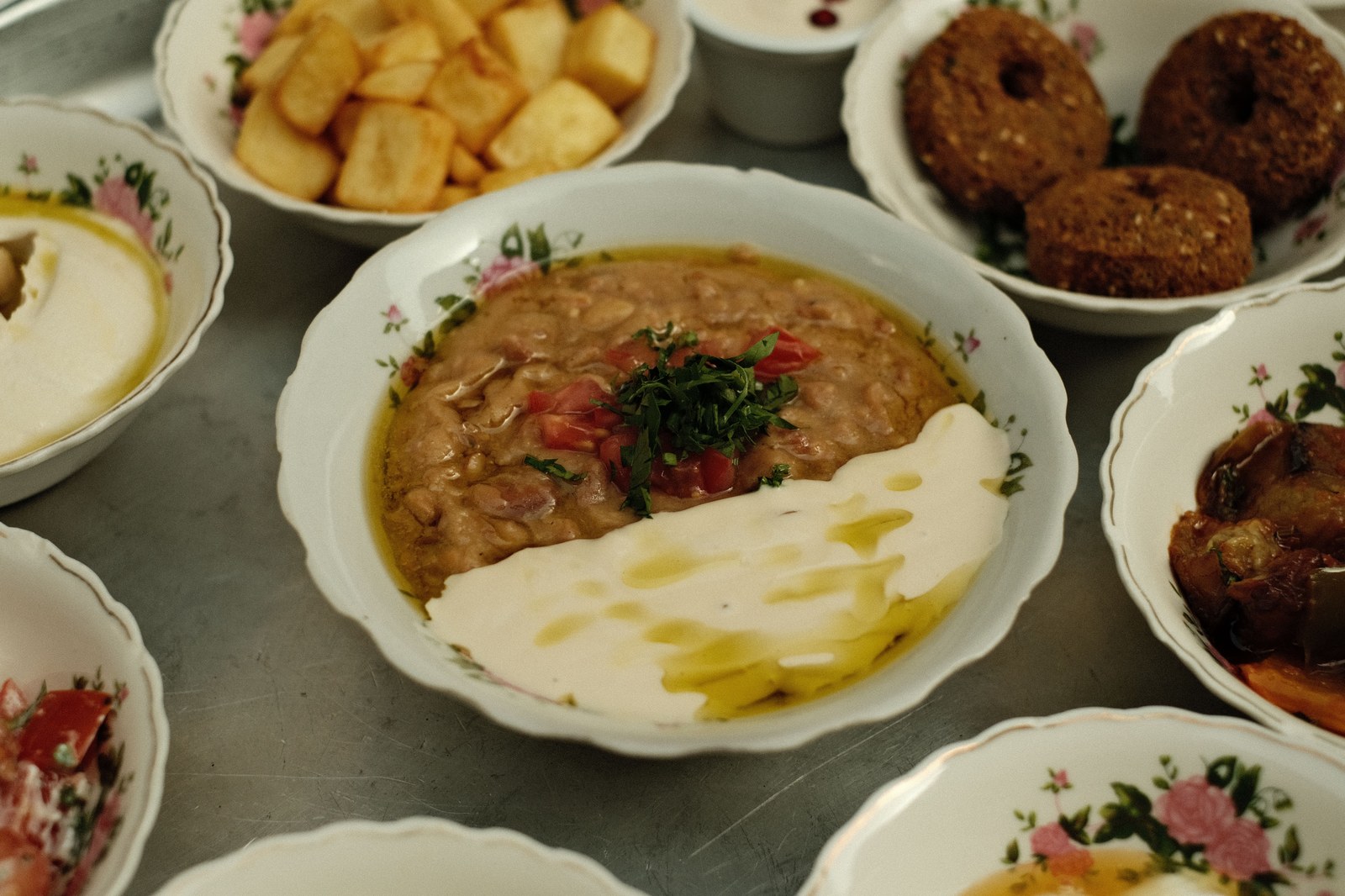
Oakland's Middle Eastern restaurant count is thin relative to its size, but **Dyafa** near Jack London Square runs a program that the scores reflect. The hummus is made from dried chickpeas, not canned, and the difference shows up in the texture score. The shawarma scored in the mid-eighties on flavor — not the top of the Bay Area leaderboard, but the meze context pulls the overall number up significantly. A full spread with pita, labneh, tabouleh, and a kebab plate runs around forty-five dollars for two, which tracks as mid-range for the Bay Area but high for Oakland.
The honest read on Oakland is that the city has a stronger birria and Southeast Asian food story than a Middle Eastern one. For that side of the Oakland data, the best birria tacos in the Bay Area maps that out in detail. The shawarma corridor that Oakland could support — given the population density, the food culture, and the rent relative to SF — has not materialized yet. The algorithm is watching for it.
How to Read These Rankings
Shawarma is a dish that punishes inconsistency. The spit has to run long enough for the outer layer to char slightly without drying the interior. The garlic sauce has to be made fresh or it separates. The pita has to be warm or the whole construction reads as a cold sandwich. A counter that gets all three right on a Tuesday at noon and misses on a Friday at 7 p.m. will average out to a lower score than one that runs at a steady eighty-eight across every visit.
That is what the data shows for the Bay Area: the highest-scoring spots are not the most famous or the most discussed, but they are the most consistent. **Al Watan** in Fremont. **Sunrise Deli** in the Inner Sunset. **Aladdin Café** in San Jose. Three counters in three different cities, all scoring in the eighties or above across multiple visits, none of them in a Michelin guide. The algorithm noticed. The guide did not.
The principle here is the same one the data shows across cuisines and cities: press coverage is a lagging indicator of quality, not a leading one. The spots that hold their scores year over year are the ones run by people who are not trying to be discovered. They are trying to make the same thing correctly, every day, without variation. That is harder than it sounds, and the data can see it.
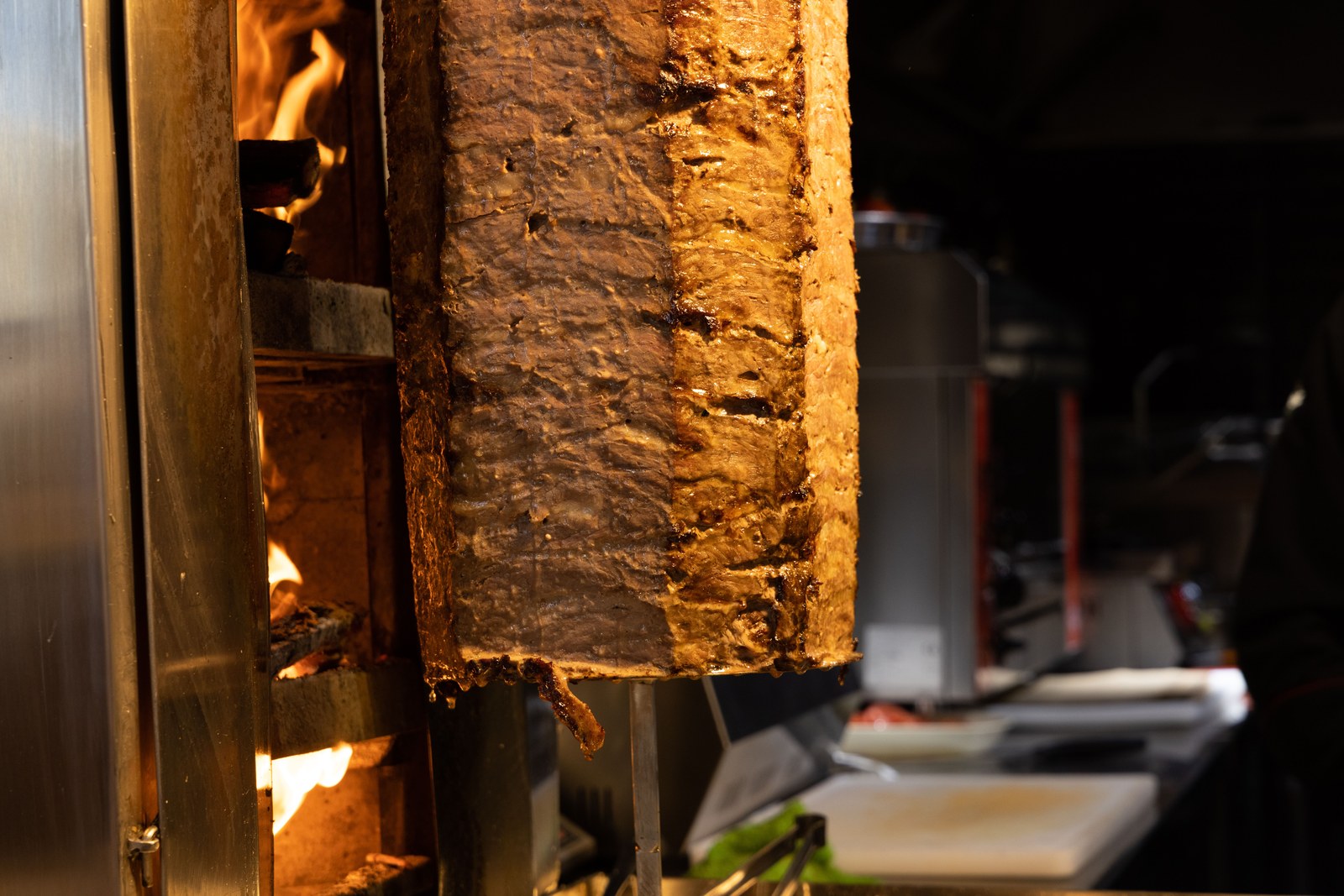
The spit runs all day. The garlic sauce ratio hasn't changed in a decade. The algorithm noticed.
The counter that has made the same thing correctly for twenty years is doing something harder than the restaurant that reinvents its menu every season.
We test dishes so you don't have to. No spam — just the best food, neighborhood by neighborhood.