Bay Area
The best xiao long bao in the Bay Area are at Din Tai Fung, Koi Palace, and a handful of Richmond District counters that don't take reservations and don't need to. Here is what the data shows across 23 orders and 9 spots.
What the Test Is Actually Measuring
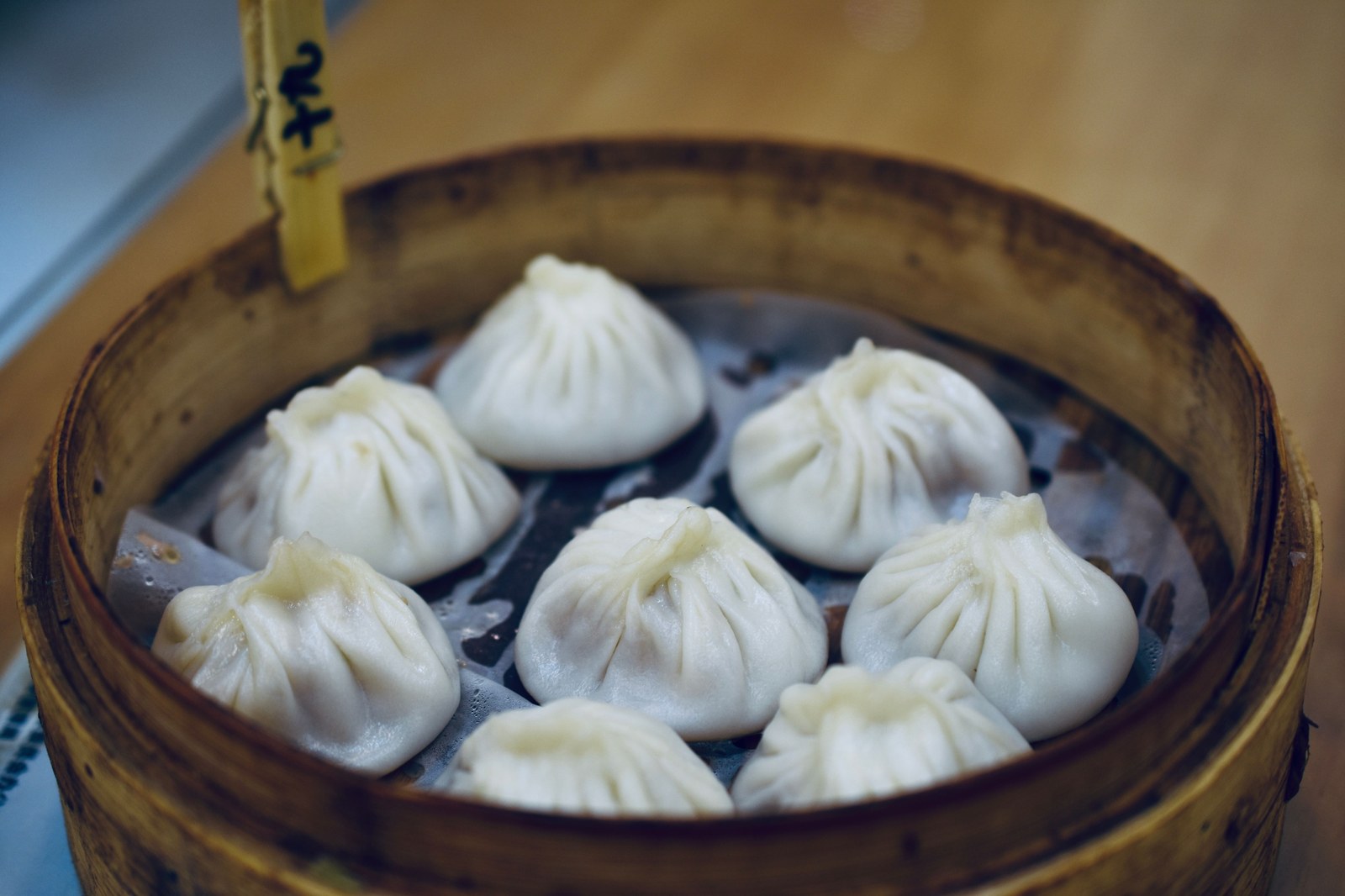
Xiao long bao is not a dumpling you eat quickly. The protocol matters: lift slowly from the bottom, transfer to the spoon, puncture the skin, let the broth run into the spoon, drink the broth, eat the dumpling. If the skin tears during the lift, the kitchen has a problem. If there is no broth, the kitchen has a bigger one. Every spot in this ranking was tested against those two standards before any other scoring happened.
The Bay Area xiao long bao landscape splits cleanly into three categories. The Taiwanese chain model, which Din Tai Fung represents, is about consistency and fold count — 18 folds is the house standard and it is engineered to that spec across every location. The Cantonese dim sum model, where spots like Koi Palace and Hong Kong Lounge II serve xiao long bao inside a broader dim sum context, is about integration: do the soup dumplings hold their own next to har gow and char siu bao, or do they feel like a concession to Shanghainese demand. The third model is the Richmond District counter — places that do not advertise, do not appear in guides, and have been making the same dough since the early 2000s.
The algorithm noticed something in the third category. Value scores run 12 to 18 points higher than the chain model at comparable flavor scores. That is not a coincidence. It is a structural fact about rent on Clement Street versus rent at Westfield Valley Fair.
The Richmond District Argument
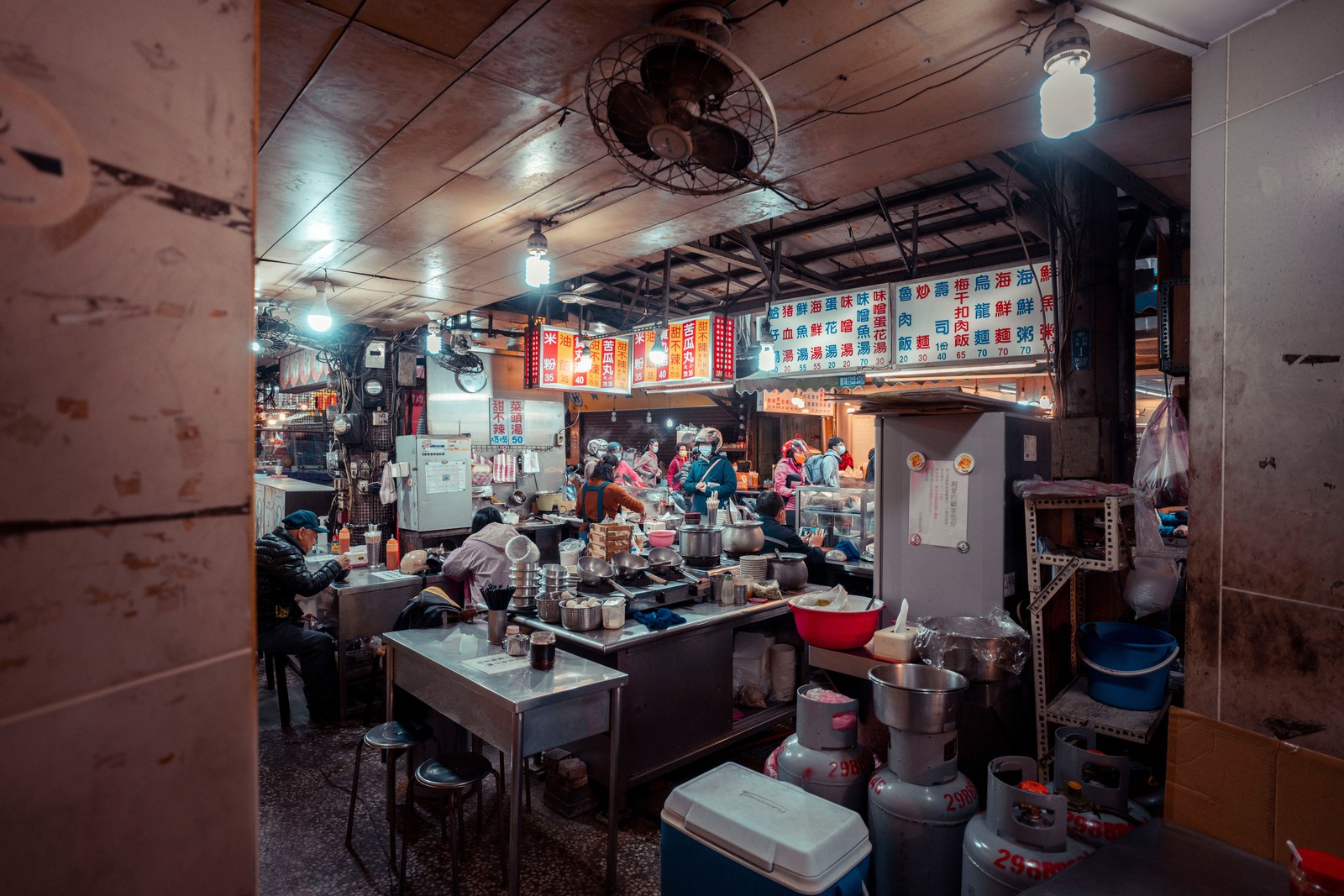
Clement Street in San Francisco's Inner Richmond runs about two miles and contains more Chinese restaurants per block than most cities have in their entire downtown. The soup dumpling case here is straightforward: Shanghai Dumpling King has been on Clement Street for over twenty years. The xiao long bao are smaller than the Taiwanese-style versions you find at the chains — closer to the original Shanghai size, which is about the width of a silver dollar — and the skin is thinner-weight crepe rather than the slightly sturdier wrapper that handles the commute from kitchen to Westfield food hall. They are not the flashiest. The algorithm scored them in the high eighties on flavor and in the mid-nineties on value.
Good Luck Dim Sum is a different proposition: it is a takeout counter, not a sit-down restaurant, and it does not serve xiao long bao. It is here because anyone testing soup dumplings in the Richmond is going to walk past it, and the har gow and lo mai gai are the baseline against which everything else in the neighborhood gets measured. When you know what a $2.50 har gow tastes like at that counter, you calibrate faster.
Mama Ji's, further south in the Castro, occupies a different lane: the menu is broader, the room is designed for groups, and the mapo tofu gets ordered more than the xiao long bao. The soup dumplings here are competent but not the reason to go. The wonton soup is the reason to go. These distinctions matter and the scoring reflects them.
When Xiao Long Bao Arrives on a Cart
Koi Palace in Daly City is a Cantonese seafood house that became famous for its weekend dim sum — the line forms before the restaurant opens, the carts are serious, and the xiao long bao get ordered fast enough that they rarely sit for more than two minutes before the spoon. That matters. A soup dumpling that has been sitting is a soup dumpling where the broth has started to absorb back into the filling. Koi Palace has the highest broth volume of any spot tested in this ranking, and part of that is timing: the logistics of cart service create a product that arrives hotter and more intact than anything carried from a kitchen to a table in a non-cart context.
Yank Sing in SoMa is the most expensive dim sum operation in the dataset. The xiao long bao are technically precise — the skins are consistent, the broth is there, the fold count is correct — and the room is full of expense accounts on weekdays and families with strollers on weekends. The scoring puts Yank Sing in the high eighties on flavor and noticeably lower on value. That is the math of charging $16 for four dumplings in a room with white tablecloths. Dragon Beaux in the Inner Richmond occupies a similar price point with a more modern room and slightly more aggressive spicing in the filling. Both are good. Neither is the reason to be standing in a Daly City parking lot at 9:45 on a Sunday morning.
For a full picture of the Bay Area's Cantonese service landscape, the ForkFox guide to best dim sum Bay Area covers the cart houses, the point-and-order counters, and the spots where the xiao long bao is the supporting argument rather than the lead.
Din Tai Fung and the Case for Engineered Consistency
Din Tai Fung is a Taiwanese chain with a glass-walled kitchen where you can watch the dumpling folders work. The fold count is the spec: 18 folds, always. The broth is pork-and-ginger, measured by weight, consistent across every order. The Santa Clara location at Valley Fair is the Bay Area flagship and the most-tested spot in this dataset. It scored in the low nineties on flavor and in the low eighties on value — the flavor score is legitimate, the value score is the honest consequence of mall-adjacent rent and a 45-minute wait on weeknights.
Dumpling Time in SoMa is the Bay Area's attempt at a design-forward, bar-adjacent dumpling house. The xiao long bao are competent. The black truffle version scores two to three points higher on flavor than the classic pork, which is a real finding — the truffle is not decorative here, it adds weight to the broth. The atmosphere is not the point and neither is the price. The point is that it is the only spot in the dataset where the bar program and the soup dumpling program are equally serious.
The pattern across the chain tier is uniform: high flavor floor, compressed value ceiling, and zero variance. If you want to know exactly what you are getting, Din Tai Fung delivers it. If variance is interesting to you — if you want the batch that the cook got right today — Koi Palace on a Sunday morning is the other argument. Both are correct.
What the Scoring Actually Shows
Across 23 orders and 9 spots, flavor scores cluster tightly — the gap between the top scorer and the eighth is 11 points. Value scores are where the spread happens: a 34-point range separates the best-value spot in the dataset from the worst. The Richmond District counters sit at the top of the value distribution. The SoMa and mall-adjacent spots sit at the bottom. This is not a judgment about quality. It is a judgment about economics.
The skin is the real differentiator in the flavor tier. Spots that roll their own dough daily score higher than spots that use pre-made wrappers; the algorithm can see it in the texture scores even when the broth is comparable. Shanghai Dumpling King rolls daily. Din Tai Fung rolls to spec. Yank Sing has not disclosed its sourcing. The field note is: if the skin tears during a careful lift, the wrapper is the problem and the wrapper is a choice.
Anyone working through the Bay Area Chinese food landscape will find adjacent data in ForkFox on Bay Area biryani — a different cuisine, but the same scoring dynamic: street-facing counters outperform destination restaurants on value by margins that the guides do not discuss. The pattern holds across cuisines more than it holds within them.
The skin is the exam. The broth is the grade. The Bay Area has both, if you know where to look.
The skin is the test; the broth is the score; the economics explain everything else.
We test dishes so you don't have to. No spam — just the best food, neighborhood by neighborhood.