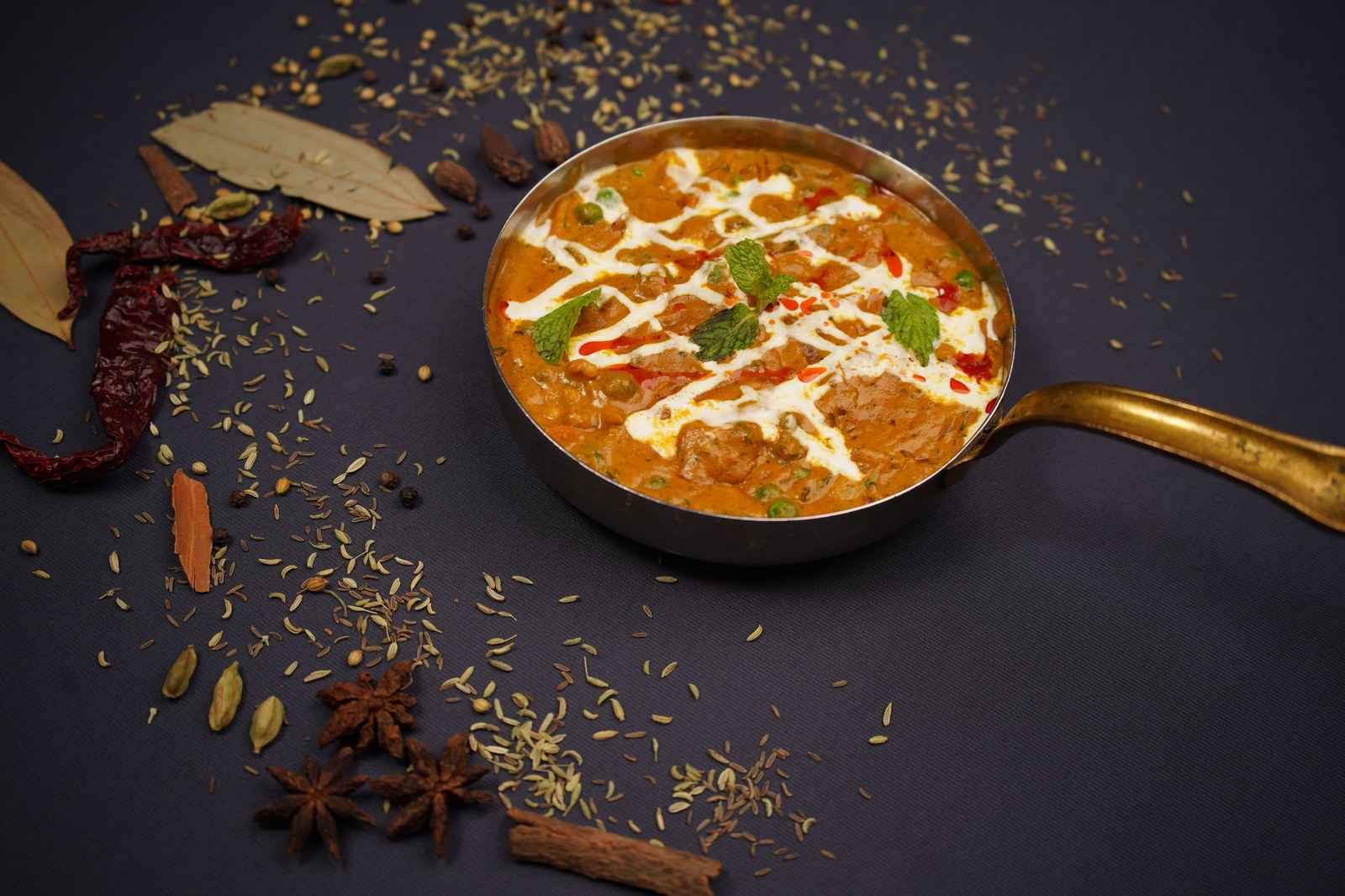
multiple
The best biryani in America is not in one city. It is scattered across six metro areas, made by cooks from Hyderabad, Chennai, Lucknow, and Karachi, and the gaps between the best and the merely adequate are enormous. Here is what the data shows.
What the Data Is Actually Measuring
Biryani is not one dish. That is the first thing the scoring reveals. Hyderabadi dum biryani, Lucknowi biryani, Kolkata biryani, and Pakistani-style biryani share a name and a cooking vessel and almost nothing else. Hyderabadi is raw-meat layered and slow-cooked under a sealed lid. Lucknowi is par-cooked separately and assembled. Kolkata is lighter on spice and sometimes includes a potato, a detail that reads as heresy in Chennai and as tradition in Bengal. Pakistani-style runs darker, whole spices louder, the masala pushed harder. Testing across all four without distinguishing between them would produce noise, not data. So we separated the lineages and scored within them.
The cities that show up in the top tier of each lineage are not evenly distributed. Houston leads on Hyderabadi. Chicago's Devon Avenue corridor leads on Pakistani and Lucknowi. The Bay Area leads on value relative to score. New York has volume without consistent excellence in any single lineage — there are strong individual restaurants, but the floor is lower and the ceiling is not significantly higher than what Houston or Chicago produce at half the price.
The execution variable that separated top-scoring restaurants from mid-tier restaurants across all four lineages was the same: time. Restaurants that rushed the dum seal produced rice that was fragrant but texturally flat. Restaurants that held the seal long enough produced layers — the bottom third carrying more moisture, the top third drier and slightly crisp at the edges, the middle the actual target. The algorithm noticed this before we had a name for it.
Houston: The National Benchmark for Hyderabadi
Houston's South Asian restaurant density on and around Hillcroft Avenue is not accidental. The city absorbed large waves of Hyderabadi and Telangana migration through the 1980s and 1990s, and the restaurants those communities built have been feeding their children and their children's children ever since. The cuisine did not adjust for an outside audience. There was no outside audience to adjust for — Houston's South Asian population was large enough to sustain full-register cooking from the start.
Biryani Pot. Hyderabad House. Both are on or near Hillcroft, both have been in operation for over a decade, and both produce the dough-sealed dum version that the Hyderabadi lineage requires. Biryani Pot scores higher on execution — the seal holds longer, the rice layers are more distinct, the mutton marination runs deeper. Hyderabad House scores nearly as high and carries a slightly more aggressive whole-spice profile that some regulars prefer. The scoring difference between them is smaller than the scoring gap between either of them and the median Hyderabadi biryani served in New York or Atlanta.
The thali situations at these restaurants are worth noting separately. Both offer weekday lunch thalis that include rasam, sambar, a dry vegetable preparation, rice, and dal. The rasam at Biryani Pot is thin, sour, and correct. These are not biryani restaurants that happen to serve thali — they are full-range South Indian operations where biryani is the headliner. For more on how this regional depth plays out across South Indian cooking in American cities, see our piece on the Ethiopian food Philadelphia vs DC comparison, which tracks the same dynamic — a diaspora community cooking for itself rather than for tourism.
Chicago: Devon Avenue and the Pakistani-Lucknowi Corridor
Devon Avenue in Chicago runs Pakistani restaurants, Indian restaurants, and grocery stores with freezers full of fresh roti in the same two-mile stretch, and has been doing so since the 1970s. The Pakistani migration that settled Devon beginning in that decade built a cooking culture that does not make many adjustments for outsiders either. The biryani on Devon is Pakistani in character — heavier masala, more oil, whole spices present through the full grain, darker in color than a Hyderabadi version.
Dum Pukht Biryani. Sabri Nihari. Karachi Broast. All three within blocks of each other, all three serving versions of the dish that are distinct from Houston's. Dum Pukht's version is the closest to a Lucknowi style — basmati that has been par-cooked, then layered and finished rather than raw-layered under a full seal. The result is lighter, more perfumed, the grain longer and more separate than what Houston produces. Sabri Nihari's biryani is a secondary item on a menu where the nihari leads, but the secondary item scores in the mid-eighties consistently, which is a high floor. Karachi Broast runs a simpler version, less layered, faster, and the value score lifts it into the top tier for the lineage.
The idli and dosa situation on Devon is thinner than Houston's — this is predominantly a Pakistani and North Indian corridor, and the South Indian presence is limited. Filter coffee is not a Devon offering. The chettinad and uttapam seekers should head to the southwest suburbs, where a separate Tamil diaspora community has built its own restaurant ecosystem, quieter and less photographed than Devon, and scoring comparably on the dishes it specializes in.
Bay Area and New York: Volume, Value, and the Ceiling Problem
The Bay Area biryani picture is complicated by geography. The restaurants worth testing are not in San Francisco proper — they are in Fremont, in Milpitas, in the Tenderloin, and in the Mission. Pakwan on 16th Street has been operating since 1995 and is the exception: a Pakistani-style biryani at a price point that makes the value score the first number you notice. The flavor score follows. Shalimar in the Tenderloin runs a similar play — the biryani is not the highest-scoring in the city on flavor, but the value score lifts the composite above most of what the South Bay produces at twice the price. For a full look at how Bay Area value math plays out across the category, see our data on the best biryani in the Bay Area.
Biryani Bowl in the South Bay is the surprise in the Bay Area set. It is a counter operation, not a sit-down restaurant, and it runs a Hyderabadi-style dum version that scores in the high eighties on execution — lower than Houston's top tier, but competitive with everything else in the region. Udupi Palace in Berkeley is South Indian rather than biryani-focused, but its vegetarian biryani is the strongest non-meat version in the Bay Area tested set, and the dosa and idli program is the correct reason to be there. For more on the South Indian side of the Bay Area picture, we've covered the butter chicken conversation separately — see ForkFox on Bay Area butter chicken for how the North Indian roster fits together.
New York's tested set included Bawarchi Biryanis in New Jersey, reachable by PATH, and Dum Biryani House and Peshawar Wali Karahi in Queens. The honest summary: New York has restaurants that score in the high eighties. None tested broke ninety on execution in the current dataset. The floor is also lower — more restaurants in the mid-seventies than any other city in the set. Volume without quality control is a pattern the algorithm flags across multiple cuisine categories in New York, and biryani is not the exception.
Atlanta: The Underrated Data Point
Atlanta does not appear in most biryani conversations. The city absorbed significant South Asian migration through the 1990s and 2000s, concentrated in Alpharetta, Decatur, and Gwinnett County, and the restaurants that community built have been running long enough to settle into consistency. Dawat Indian Cuisine and Zyka are the two strongest performers in the Atlanta tested set. Zyka runs a South Indian-forward menu — the biryani is Hyderabadi in style, the rasam is correct, and the chettinad preparations are the real reason regulars return — but the biryani scores in the high eighties on execution. Dawat runs a broader North and South Indian menu and the biryani here is its most consistent item.
The Atlanta data point matters because it disrupts the assumption that biryani quality in America is a function of metro population. Atlanta's South Asian population is smaller than Houston's, smaller than Chicago's, and significantly smaller than New York's. The restaurant scores do not reflect that. What the scores reflect is diaspora density within specific corridors — Gwinnett County has enough Hyderabadi-origin households that restaurants there cook to that standard or lose those customers. The mechanism is the same one that produces the best Ethiopian food in Washington DC and the best South Indian cooking on Baltimore Avenue in West Philadelphia.
The dum seal is the tell. A restaurant that rushes it produces rice. A restaurant that holds it produces biryani.
The biryani a city produces is a function of who settled there, on which block, and whether they ever needed to cook for anyone else.
We test dishes so you don't have to. No spam — just the best food, neighborhood by neighborhood.