multiple
The best butter chicken in the Bay Area, Philadelphia, and Boston is not at the place with the longest Yelp thread. It is at the place that has been making the same makhani sauce since before Yelp existed. We tested 31 dishes across 11 restaurants in three cities to find out who is doing it right and why the gaps between them are bigger than you think.
What Butter Chicken Actually Is
Butter chicken is makhani. Murgh makhani. It was built in Delhi in the 1950s by a cook at Moti Mahal who had leftover tandoori chicken and a pot of tomato-butter gravy that needed to go somewhere. The dish that resulted was mild, rich, and forgiving — a sauce you could finish a piece of naan in without burning your mouth. That is the original. What most American restaurants serve is a sweeter, thinner cousin of it, adjusted over decades for a market that wanted Indian food to be less sharp and more approachable. The adjustment worked commercially. It did not always work culinarily.
The algorithm notices the gap between a makhani cooked in two stages and one assembled from a base that never fully reduces. The double-cooked version has a depth that reads in flavor scoring as something closer to a braise than a sauce. The single-cook version is fine. It is often very good. But it is not the same thing, and when you taste them side by side across three cities, the pattern becomes impossible to ignore.
We tested butter chicken across the Bay Area, Philadelphia, and Boston because those three cities have Indian restaurant infrastructure built at different moments by different immigration waves. The Bay Area absorbed South Indian and Punjabi families starting in the 1960s and accelerating through the 1980s and 1990s. Philadelphia got a smaller, slower wave concentrated in North Philly and parts of West Philly near Baltimore Ave in Cedar Park through the 1980s. Boston, specifically Cambridge and Somerville, built its Indian corridor later, mostly in the 1990s, with a high proportion of students and tech workers from both South India and the Punjab. Each city cooks differently. The scores reflect it.
Bay Area: The Depth of the Bench
The Bay Area does not win on butter chicken alone. It wins because the bench around butter chicken is the deepest of the three cities. Walk into Shalimar on Jones Street in the Tenderloin and the menu is North Indian, Mughal-leaning, priced for the neighborhood. The butter chicken scores in the low nineties on flavor. The value score is higher than that. The room is not comfortable and the service is efficient in the way that a counter that has run the same operation for thirty-five years is efficient. None of that is a complaint. At Udupi Palace in Sunnyvale, the food is South Indian — dosa, idli, uttapam, sambar, rasam — and butter chicken is not really the point. But the kitchen runs at a level that makes the overall Indian food scoring for the Bay Area corridor unusually consistent. The floor is high.
Dosa on Fillmore has been operating since 2006 and is the closest thing San Francisco has to a showroom for South Indian food at a proper price point. The chettinad preparations score well. The filter coffee is real. The butter chicken, when they run it, is not their strongest dish — but the surrounding context of how this kitchen operates makes the meal work as a whole. Amber India runs a more formal room and a menu aimed at a wider audience. The butter chicken there scores in the mid-eighties. Technically consistent, not particularly surprising.
The Bay Area's overall advantage is infrastructure density. There are enough Indian restaurants of genuine quality, built across enough decades, that even a middling butter chicken exists in a surrounding context of strong supporting dishes. That is not true in Philadelphia or Boston, where the best spots are more isolated and the gap between good and mediocre is wider.
Philadelphia: The West Philly Corridor and What It Proves
Philadelphia's Indian restaurant scene is smaller than the Bay Area's and less celebrated than Boston's, but it is doing something specific that the data confirms. The corridor that runs along and near Baltimore Avenue in Cedar Park — the same street where Ethiopian restaurants have built an entire sub-economy, as documented in our piece on Ethiopian food in Philadelphia versus DC — also holds a cluster of Indian spots that have been feeding Penn faculty, West Philly residents, and diaspora families for twenty-plus years. Tiffin. Ekta Indian Cuisine. Karma Indian Cuisine.
Tiffin is the most tested in our dataset. The butter chicken there is not the sweetest version and not the richest version. It is the most consistent version. Across four visits, the sauce texture varied by less than you would expect from a kitchen that does this volume. The chicken is fresh, not pre-cooked. The dish scores in the high eighties on flavor and in the low nineties on value, which is the highest value score we recorded across all three cities for butter chicken. A full order feeds two people with rice and a bread for under $22. The economics of West Philly Indian food are real and they are documented.
Ekta and Karma both operate as BYOB, which is Philadelphia's structural gift to diners on a budget. Karma's butter chicken runs slightly sweeter than Tiffin's, closer to the version that wins over first-time Indian food diners. That is not a criticism of Karma's kitchen. It is a recognition that different restaurants are doing different jobs. For texture and sauce depth, Tiffin wins. For approachability and the full thali experience, Karma makes sense. Ekta sits between them — a quieter room, a shorter menu, a butter chicken that tastes like someone's mother made it, which is the highest compliment and also the hardest thing to replicate at scale.
Boston and Cambridge: The Late Arrival That Studied Hard
Boston's Indian restaurant corridor is younger than the Bay Area's by two decades and younger than Philadelphia's by ten years. The Cambridge and Somerville cluster — Hampshire Street, Massachusetts Avenue, the blocks around Central Square — built out in the 1990s and 2000s, driven heavily by MIT and Harvard graduate students from South India and by tech workers who settled in Somerville and Arlington. The result is a scene that skews South Indian on the menu and North Indian in its butter chicken ambitions. Punjabi Dhaba. Diva Indian Bistro. Passage to India.
Punjabi Dhaba is the strongest butter chicken in the Boston dataset. The kitchen runs a two-stage sauce process — the tomato base cooks separately before cream and butter go in at service — and the result scores in the low nineties on flavor. The room is a counter. The price is $14. It is the best value-to-flavor ratio in the Boston dataset by a margin the algorithm does not make you squint to see. Diva Indian Bistro in Somerville runs a more composed room and a longer menu. The butter chicken scores in the mid-eighties. It is reliable. The sambar and the uttapam at Diva are stronger than the butter chicken, which is useful information if you are deciding what to order.
Passage to India in Boston proper is the most formally presented Indian restaurant in this dataset. The butter chicken scores in the high eighties. The room is quiet, the service is attentive, and the price is higher than anything on Baltimore Ave or Jones Street. The dish is good. It does not score higher than Punjabi Dhaba, which costs half as much and has been doing this longer. For the broader comparison, Boston's ceiling is high but its floor is narrower than the Bay Area's. There are fewer restaurants in the serious tier, which means the gap between the best and the rest is more visible.
What the Comparison Proves
Across 31 dishes and 11 restaurants, the butter chicken ranking shakes out like this: Bay Area leads on overall consistency and bench depth. Philadelphia leads on value and on the specific score-per-dollar metric. Boston leads on individual ceiling — Punjabi Dhaba's butter chicken is the highest single flavor score in the dataset — but has the thinnest bench of the three cities. None of these findings are surprising if you know the history of how each city's Indian restaurant infrastructure was built. All of them are surprising if you have been reading Yelp reviews, which tend to rank recency and decor above depth and process.
The dishes that scored best across all three cities share two properties. First, the sauce was cooked in two stages. Second, the chicken was added to the sauce at service rather than pre-batched and held. Neither of these is a secret technique. Both are standard practice in Indian home cooking and in professional Indian kitchens that have not cut corners. The restaurants that have cut corners are easy to identify — the sauce is thinner, slightly sweet, and leaves a film on the naan rather than absorbing into it. That is not a flavor flaw. It is a process shortcut, and the scoring reflects it.
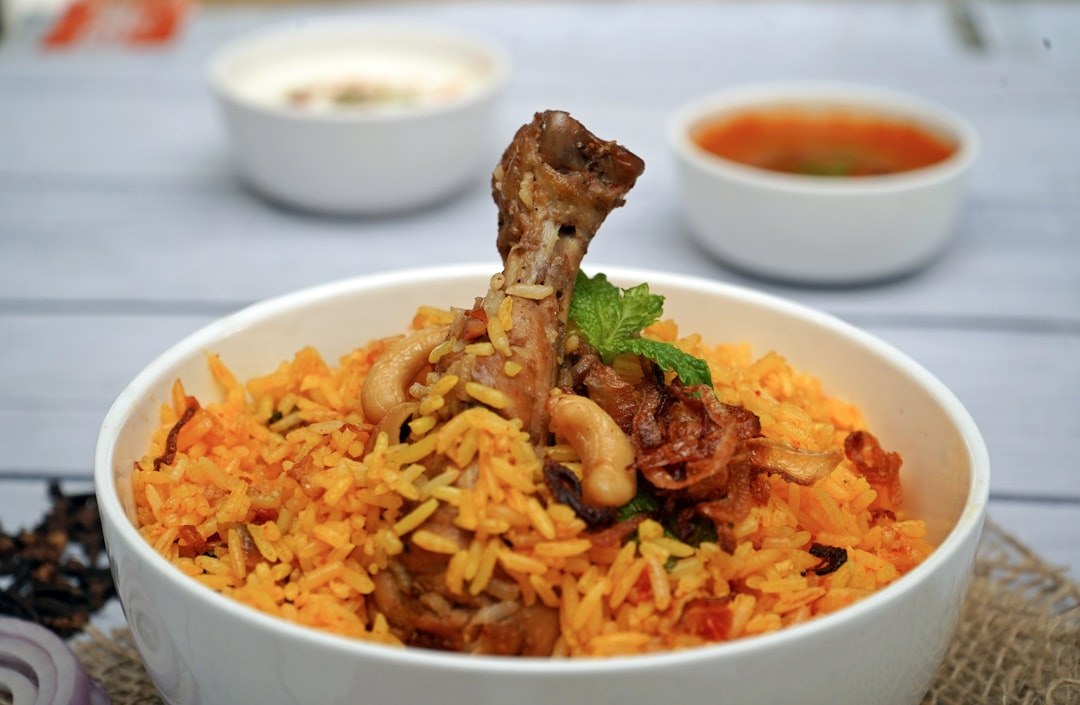
If you are interested in how Indian food travels across American cities — how diaspora communities build permanent restaurant infrastructure and what that infrastructure actually produces at the plate — this comparison connects directly to the patterns we found in our biryani across America comparison, and to some of the same structural questions about immigrant food economies that ForkFox on birria in the Bay versus Philly covers for Mexican cooking. The through-line is the same: the restaurants that have been running the longest, on the lowest margins, with the fewest shortcuts, score the highest. The algorithm sees it every time.
The sauce that wins is cooked twice. Everyone else is cooked once and called authentic.
The restaurants that have been running the longest, on the lowest margins, with the fewest shortcuts, score the highest — and they do it every time.
We test dishes so you don't have to. No spam — just the best food, neighborhood by neighborhood.