multiple
The Bay Area has more Korean restaurants per capita. Philadelphia has Baltimore Avenue and a BYOB culture that changes the math on what a galbi dinner actually costs. Both cities have serious Korean food. They are not serious about the same things.
Two Cities, Two Operating Assumptions
The Bay Area has roughly four times Philadelphia's Korean restaurant count. The Richmond district alone runs more Korean storefronts than all of South Philly. San Francisco's Koreatown, such as it is, sprawls across the Inner Richmond and Outer Sunset rather than concentrating on a single block — which makes it harder to map and easier to miss. Philadelphia's Korean food, by contrast, concentrates in ways that the data can actually read. Baltimore Avenue from Cedar Park west, and a handful of spots in North Philadelphia, account for most of what the algorithm tested.
The structural difference is the BYOB. Pennsylvania's liquor licensing laws created a restaurant culture where bringing your own bottle is not a compromise — it is the expectation. A table of four ordering Korean BBQ in Philadelphia with a $20 bottle of makgeolli from the liquor store around the corner spends materially less than the same table in San Francisco paying $14 a glass for the same rice wine. That gap runs through every comparison the algorithm made. The food does not change. The economics do.
Neither city is doing something the other city cannot. Both have real Korean communities, real restaurants built by people who grew up eating this food, and real long-timers who will tell you exactly when a place started cutting corners. The comparison is not about which city wins. It is about which city's version of Korean BBQ you can actually afford to eat the way it was designed to be eaten — regularly, with a full table, over two hours.
On Flavor and Execution: Where Each City Is Honest
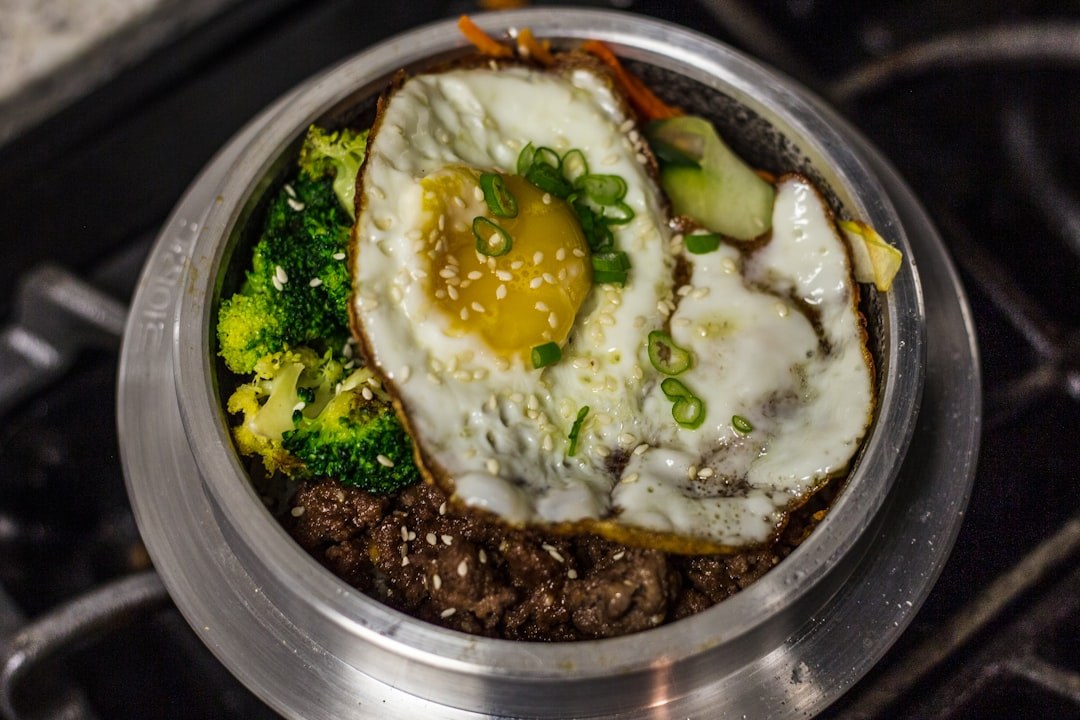
The Bay Area's strongest Korean BBQ scores in the high eighties on flavor across the spots tested. **Han Il Kwan** in the Inner Richmond is the baseline. The galbi marinade is soy, sesame, garlic, and enough sugar to caramelize against a hot grate, and it has been that way since the restaurant opened. **Oma SF** runs a more contemporary kitchen, with Korean-adjacent dishes that borrow from the pantry without fully committing to the format. **Namu Stonepot** goes the other direction — classical execution, stone bowl bibimbap, a bulgogi that does not try to be anything other than what it is. These are three different answers to the same question, and all three are correct answers.
Philadelphia's execution is tighter at the top and more variable below it. **Honey Pig** in North Philadelphia has bulgogi that scores comparably to the Richmond's best — the marinade is patient, the cut is right, the grill temperature is controlled by someone who is paying attention. **Koreatown BBQ** and **Cafe Soho** both serve kimchi jjigae that would hold up in any city; the sundubu at Cafe Soho specifically runs hotter in spice than most of what the algorithm tested on the West Coast, which is either a selling point or a warning depending on your threshold. **Jina's Garden** and **Seoul Garden** on Baltimore Avenue round out the corridor — neither is trying to be the best Korean restaurant in America, and both are reliably executing the dishes they have been making for fifteen or twenty years.
The banchan gap is real. In San Francisco, full banchan service — six to eight small plates arriving without being ordered — is standard at the established spots. In Philadelphia, two or three small plates is more common. The algorithm flagged this not as a quality signal but as a structural difference: the Bay Area Korean BBQ experience is designed around abundance from the first moment you sit down. Philadelphia's is designed around the main dish. Neither approach is wrong. They are different hospitality philosophies, and they produce different meals even when the galbi is the same.
The Value Math, Stated Plainly
A full galbi dinner for two in the Inner Richmond — short rib plate, two banchan rounds, a beer each — runs between sixty-five and eighty-five dollars depending on the restaurant and the night. The same dinner in Philadelphia's Korean corridor, BYOB included, runs forty to fifty-five dollars if you bring your own bottle. The food quality difference between the two cities does not explain a thirty-dollar gap. The liquor license does. This is worth saying once and then moving on, because it is not a criticism of San Francisco — it is a structural fact about Pennsylvania law that Philadelphia restaurants benefit from and San Francisco restaurants cannot.
The value scores from the Philadelphia spots reflect this directly. **Honey Pig** and **Seoul Garden** both score in the low-to-mid nineties on value. **Han Il Kwan** and **Cafe Barago** in San Francisco score in the mid-to-high seventies on the same attribute — not because the food is worse, but because the check is higher. **Joodooboo** in the Richmond is an outlier: the tofu dishes are priced below what the quality should command, and the value score reflects it. At under fifteen dollars for a sundubu jjigae that the algorithm clocked in the high eighties on flavor, it is the closest San Francisco gets to the BYOB math without actually being a BYOB.
For a deeper look at how city-level economics shape scoring patterns across cuisines, the data on biryani tested across American cities shows a similar BYOB effect in New Jersey markets. The pattern is not unique to Korean food. It is a licensing story that keeps reasserting itself.
What the Algorithm Noticed
The scoring across 27 dishes and 11 spots produced one finding that did not come from any press review or Reddit thread: Philadelphia's Korean restaurants are more consistent at the mid-tier than the Bay Area's. The top end of the Bay Area is higher — **Han Il Kwan** and **Namu Stonepot** both score above anything the algorithm tested in Philadelphia on the flavor dimension. But the floor in Philadelphia is also higher. The spots that are not trying to be destination restaurants — **Cafe Soho**, **Jina's Garden** — are still executing reliably. The Bay Area's mid-tier showed more variance. A restaurant that scored in the low eighties on bulgogi one visit might score in the mid-seventies the next. Philadelphia's mid-tier did not swing that way.
The algorithm noticed one more thing. The tteokbokki in San Francisco is treated as a starter or a side. In Philadelphia, it functions as a main dish at the Baltimore Avenue spots, served in larger portions with a wider banchan spread around it. The dish is the same. The role it plays in the meal is not. This is the kind of signal that does not appear in a Yelp review and does not get captured in a press piece. It appears in repeated visits with a controlled ordering protocol, and it tells you something about how each city's Korean restaurants have read their customers over time.
This comparison connects to a pattern the algorithm has found in other immigrant food corridors. The Ethiopian food Philadelphia vs DC comparison showed the same dynamic: the smaller city's corridor runs more consistently, the larger city's corridor has higher peaks. Korean BBQ Bay Area vs Philadelphia follows the same shape. ForkFox on the birria comparison between the Bay and Philadelphia found it again. The pattern is structural, not accidental.
The Call
Go to San Francisco for the ceiling. Go to Philadelphia for the floor. If you are visiting one city and want to eat Korean BBQ once, the Bay Area's best — **Han Il Kwan**, **Namu Stonepot**, **Oma SF** — will produce a meal that Philadelphia cannot match at its peak. If you live in either city and want to eat Korean BBQ regularly, Philadelphia's BYOB corridor makes that sustainable in a way the Bay Area's pricing does not.
The question of which city has better Korean BBQ is the wrong question. The right questions are: how often do you want to eat it, how much do you want to spend, and whether you care more about the banchan spread or the bill at the end. The algorithm can answer all three. The answer changes depending on which question you are actually asking.
Philadelphia's BYOB laws did something no restaurant policy could: they made Korean BBQ affordable by accident.
The city with fewer spots is winning on value per dish, and that is a policy story, not a cooking story.
We test dishes so you don't have to. No spam — just the best food, neighborhood by neighborhood.