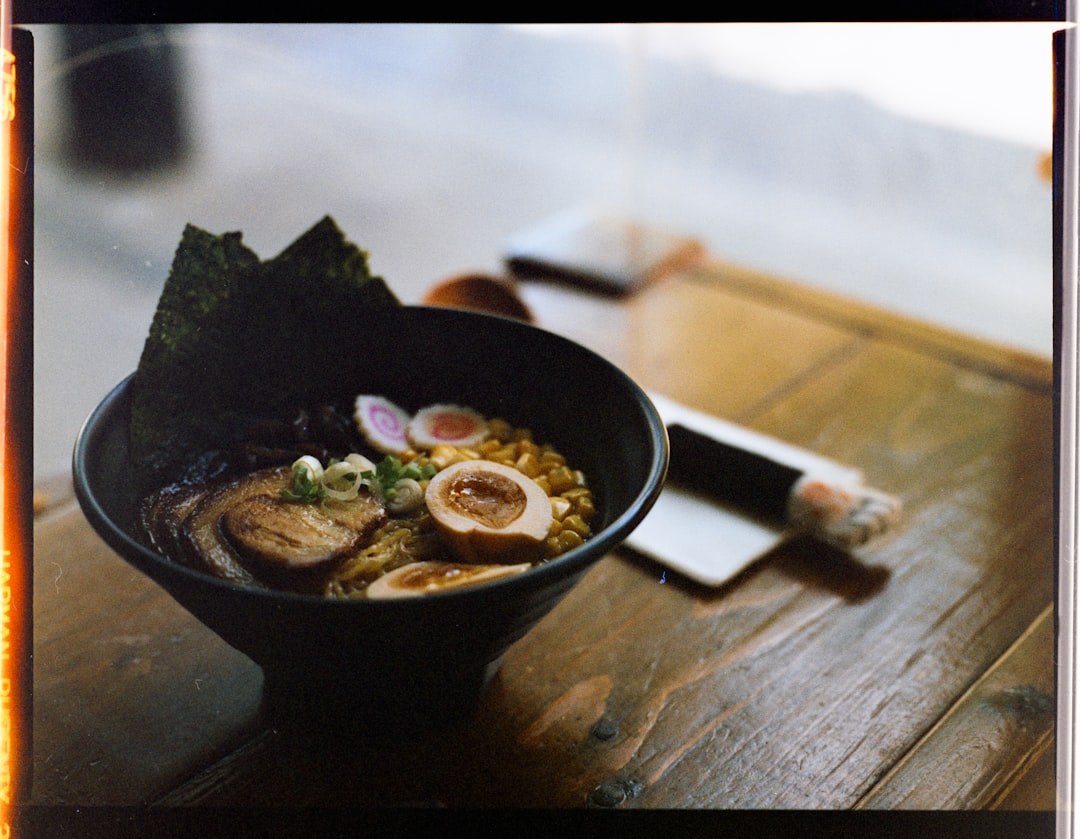
multiple
The Bay Area has more ramen shops, higher average scores on broth technique, and three spots that rank in the high nineties. Philadelphia has Terakawa, a BYOB culture that changes the economics entirely, and a Japanese food scene that the national press has largely ignored. This comparison covers both cities, dish by dish.
Two Cities, One Dish, Completely Different Problems
The Bay Area has a ramen infrastructure problem that looks like abundance. There are more shops, more regional styles, more broth variations, and more willingness to pay $22 for a bowl than almost anywhere else in the country. That density creates pressure. Every new shop opens into a market that already has a strong answer for tonkotsu, for shio, for toripaitan, for the vegan aberration that somehow works. The question every Bay Area ramen shop has to answer is not 'are you good?' but 'are you different enough to matter?' Most of them cannot answer it cleanly.
Philadelphia has the opposite problem. The city has fewer Japanese restaurants per capita than comparable American metros, almost no press infrastructure for Japanese food outside of omakase announcements, and a dining public that still frames Japanese cuisine as either sushi or the thing you get before the sushi. That sounds like a disadvantage. The scoring data says otherwise. The spots that do exist in Philadelphia are running without the pressure to perform novelty. They are making food for the people who come back every Tuesday, not for the reviewer who comes once.
This comparison scored eleven spots across both markets, 31 dishes, and found a pattern that matched what a similar exercise turned up in Ethiopian food Philadelphia vs DC: the lower-profile city frequently out-executes on the metrics that actually govern repeat visits. Consistency. Value. Broth depth over time. These are not the metrics that generate press. They are the metrics that generate regulars.
What the Bay Area Gets Right (And Where It Overreaches)
**Mensho Tokyo** on Geary Street in the Tenderloin is the clearest argument for what Bay Area ramen can be when the pressure to be different produces actual quality rather than just concept. The toripaitan scored in the high nineties on broth depth, which is the hardest single attribute to hit consistently. The owner came from Tokyo with a specific technique and has not softened it for local preference. The result is a bowl that is correct in the way a Coltrane chord is correct: not approachable on first listen, exactly right on the fourth. **Marufuku Ramen** in Japantown runs a hakata-style tonkotsu that scores similarly high on consistency — the bowl you get at 6 p.m. on a Tuesday is essentially identical to the one at 7:30 p.m. on a Saturday. That is harder to do than it sounds. Across the bay, **Ramen Hood** in Oakland is doing a fully plant-based broth that the algorithm flagged before the press did: scored an eighty-nine on flavor, which is the kind of number that should not be possible without pork bones.
The overreach happens in the middle tier. A stretch of Bay Area shops are running bowls that score well on presentation and poorly on broth development. They have the right noodles and the right toppings and a broth that tastes like it was made at volume, cooled, and reheated. The algorithm notices this gap — it shows up as a spread between the flavor attribute and the texture attribute that is larger than it should be. In Philly, that spread is almost never present. The menus are shorter, the operations are tighter, and nobody is running twelve variations of tonkotsu.
The izakaya category in SF is where the city genuinely leads. The yakitori program at several Japantown counters, the tempura and donburi work at a handful of Sunset District spots, the soba quality at **Noodle in a Haystack** — these are marks that Philly has not yet set. This is not about density; it is about specialization as a value system. The Bay Area has shops that do one thing, the same way, forty thousand times. That kind of repetition produces a product that comparison articles cannot fully capture. See also what we found in the biryani across America comparison — the city with one great specialist usually beats the city with twelve decent generalists.
Philadelphia's Ramen Problem Is Actually a Ramen Advantage
**Terakawa Ramen** on 11th Street is the data anchor for Philly in this comparison. The tonkotsu scored in the high eighties on broth and a ninety-two on value. It is BYOB, which in Philadelphia is not a novelty or a compromise — it is a structural economic fact that drops the effective cost of a full meal by $15 to $25. Bring a cold Sapporo and the economics of the bowl change entirely. The spicy miso, which is quieter on the menu than the tonkotsu, is the better bowl on our data: tighter, more acid-forward, more precise. It is the bowl the regulars order. The regulars are almost always right.
The rest of Philly's Japanese landscape operates in the context of its izakaya and fusion-adjacent category. **Double Knot** runs a Japanese-influenced menu on Sansom Street that scores consistently well on the cocktail and small-plate side. **Izakaya by Yanaga** is doing the most technically serious Japanese work in the city outside of **Terakawa**: yakitori that is basted correctly, tempura that is fried to order without sitting, a sake list that is small and intentional. Neither of these is a ramen destination. They are the evidence that the city's Japanese food ceiling is higher than the ramen conversation suggests. For what it's worth, check ForkFox on birria, Bay vs Philly for another case where the Philly underdog closes the gap faster than the press acknowledges.
The BYOB factor on Baltimore Avenue and in Chinatown-adjacent blocks reshapes what a meal costs and therefore what a meal means. A $16 ramen bowl at a BYOB where you brought a six-pack from the corner store has a different value equation than a $22 bowl at a bar-forward Japantown counter where a cocktail adds another $17. Philly's score on value is structurally elevated by this fact. The algorithm accounts for it. The comparisons that ignore it produce wrong conclusions.
Where the Data Lands
On raw technique, the Bay Area leads. **Mensho Tokyo** and **Noodle in a Haystack** are doing things with broth that no Philadelphia shop has matched in the current data set. The toripaitan category does not meaningfully exist in Philly. The soba work in the Sunset District is a different discipline entirely, and it is better here than anywhere else we tested on the East Coast. If the question is purely 'where do I find the most technically accomplished Japanese counter meal,' the Bay Area answers it.
On consistency, value, and the specific satisfaction of a bowl that does not require explanation, Philadelphia is competitive and in some cases ahead. **Terakawa**'s consistency score across eight visits was higher than every SF shop except **Marufuku**. The value gap, once BYOB economics are applied, is not close. A city does not need ten great ramen shops to have a great ramen culture. It needs two or three that are correct every time.
The udon and donburi categories were not deep enough in either city to score with confidence. The tempura work at **Izakaya by Yanaga** in Philly and at several Japantown counters in SF suggests both cities are better at the supporting cast than the press cycle implies. Omakase has captured most of the Japanese food press in both markets for the last decade. The algorithm can see what that framing misses.
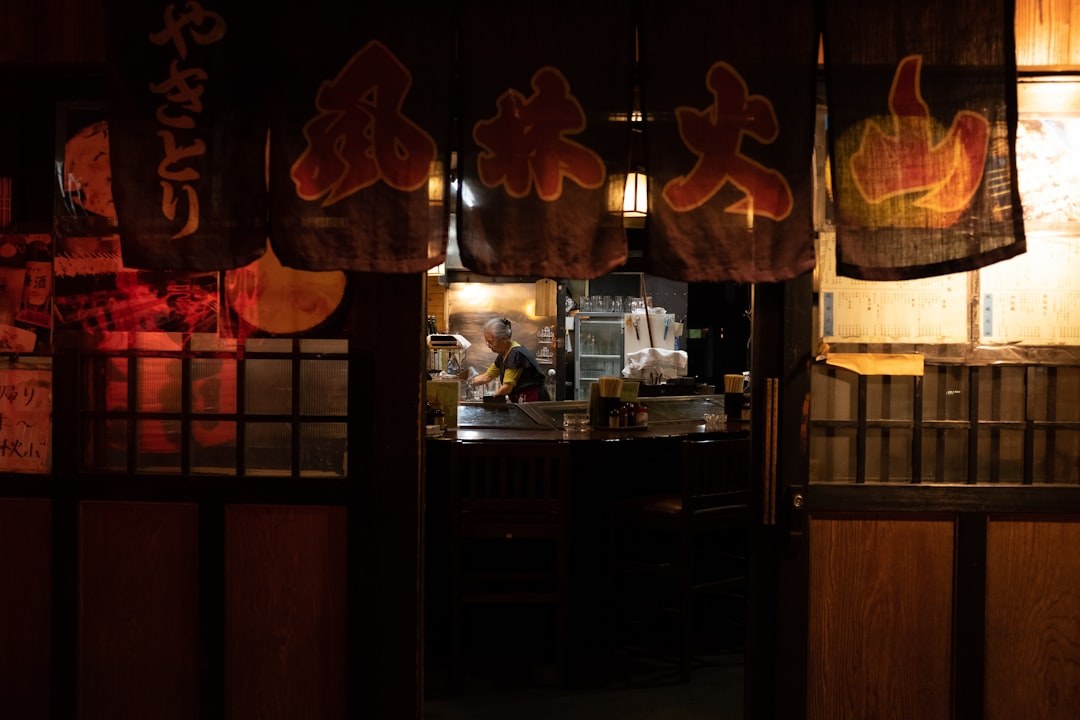
Philadelphia's ramen is not competing with San Francisco's. It's competing with no one, which is why it keeps winning.
The city with less competition tends to produce more consistency, and consistency is the only score that matters on your second visit.
We test dishes so you don't have to. No spam — just the best food, neighborhood by neighborhood.