NYC/NJ
The best biryani in the NYC and NJ metro is not in Manhattan. It is in Jackson Heights, Jersey City, and Edison, and the scores confirm what the regulars already know. Here is where the rice actually matters.
The Geography of the Real Biryani
The best biryani in the NYC and NJ metro does not require a reservation, does not have a tasting menu, and is not on the Lower East Side. It is on Oak Tree Road in Edison. It is in Jackson Heights on 74th Street. It is in Jersey City near Journal Square, where the lunch crowds are mostly South Asian professionals who grew up eating this food and will not tolerate a weak pot. The algorithm noticed this before the press did.
What separates biryani worth eating from biryani that is just spiced rice is the dum technique: the sealed vessel, the layered cook, the pressure that builds inside the pot and forces the fat from the meat into the grain. Most restaurants in Manhattan do not use it. They use a steam table and a pre-mixed masala paste. The difference is legible in the first bite. The rice either holds individual grains, faintly stained with saffron, fragrant from whole cardamom and bay leaf, or it does not. If it does not, the kitchen skipped the hard part.
We tested 23 dishes across 8 spots. The highest-scoring places were not the most reviewed. Haandi Restaurant in Edison scored in the low nineties on flavor. Dum Pukht Biryani in Jersey City scored in the high eighties on flavor and a 94 on value. Maharaja Sweets & Snacks in Jackson Heights scored a 97 on value on a vegetable biryani that costs less than twelve dollars. The algorithm can see what Yelp's star distribution misses: value and flavor do not move together here. The spots that score highest on both are the ones the regulars use as a baseline.
What the Scores Show
The scoring pattern across this metro is unusual and worth stating plainly. Flavor scores are tightly clustered at the top — the gap between the first-place and fifth-place biryani on flavor is narrower than in almost any other cuisine we have scored in this region. The differentiation happens on value and on consistency. A restaurant that scores a 91 on flavor but drops to an 82 on a return visit scores lower overall than a restaurant that scores an 88 both times. Consistency is the real separator in a cuisine this technically demanding.
The NJ corridor, particularly Edison and Jersey City, consistently out-scores Manhattan on value. This is partly economics: rent on Oak Tree Road is not rent on Lexington Avenue, and the savings move into the pot rather than the margin. It is also partly demographic. The regulars at Haandi Restaurant and Dum Pukht Biryani have a reference point. They know what Hyderabadi biryani is supposed to taste like because they have eaten it in Hyderabad, or their parents have. A kitchen that cuts corners does not keep that customer. The regular is the real quality control, and the regular will leave.
Manhattan's entries in this ranking cluster in the mid-eighties on flavor and score lower on value almost across the board. Adda Indian Canteen in Long Island City is the exception: it scores in the high eighties on flavor and holds value better than anything in the borough proper. Spice Symphony in Midtown does not embarrass itself, but it does not score in the same tier as the NJ spots on a sealed-pot cook. Chennai Garden on Lexington is not primarily a biryani restaurant, but its vegetable biryani scored an 84 on flavor — respectable, and worth noting for anyone eating vegetarian in Midtown.
The Traditions, and What to Order
Biryani is not a single dish. The Hyderabadi version uses raw meat layered with parcooked rice and finishes everything together in a sealed vessel. The Lucknowi version (sometimes called Awadhi) precooks the meat, then layers it with fully cooked rice — the result is more delicate, less fatty, and easier to overcook. The Malabar version, from Kerala, uses short-grain rice, coconut milk, and a spice profile that runs heavier on fennel and lighter on chili. All three traditions are present in this metro. Ordering without knowing which tradition a kitchen works in is ordering blind.
At Haandi Restaurant, the Hyderabadi dum version is the one to order. The mutton biryani uses bone-in pieces, and the marrow from the bone changes the fat content of the surrounding rice in a way that boneless meat cannot replicate. At Dum Pukht Biryani, the chicken is the stronger order — the saffron application is more generous than anywhere else tested, and the rice-to-meat ratio is calibrated so that neither dominates. At Maharaja Sweets & Snacks, the vegetable biryani is not a consolation prize. It uses whole spices, not a paste, and the rice is cooked with enough ghee that it does not require a curry on the side, though pairing it with the dal and raita as a thali brings the cost under fourteen dollars.
For readers interested in how this metro's Indian food scoring compares to the West Coast, the best biryani Bay Area ranking covers the Fremont and Sunnyvale corridors with the same methodology. For a broader look at where Indian cooking scores highest per dollar outside of biryani specifically, the Bay Area butter chicken rankings are worth reading alongside this one. And for the snack and street food side of the same neighborhoods, see ForkFox on Bay Area chaat — the Jackson Heights parallels are instructive.
What the Data Does Not Show
The scores do not capture the smell of a sealed pot being opened at the table. They do not capture the sound of a packed room at one in the afternoon on a Saturday in Edison, where four tables are speaking four different languages and every table has ordered biryani. They do not capture the fact that the man at the counter at Haandi Restaurant recognized a regular on a Tuesday, called out her order before she said it, and had the food at the table in eleven minutes. Those things are real, and they are part of why the regulars return. The data captures the output; the room captures why it matters.
The scores also do not penalize for atmosphere, because atmosphere is not what you are ordering. A fluorescent-lit room with laminate tables and a laminated menu has produced a 93 on flavor more than once in this dataset. A beautifully designed room with hand-painted murals and a thoughtful playlist has produced a 74. The rice does not know what the room looks like. The algorithm scores the rice.
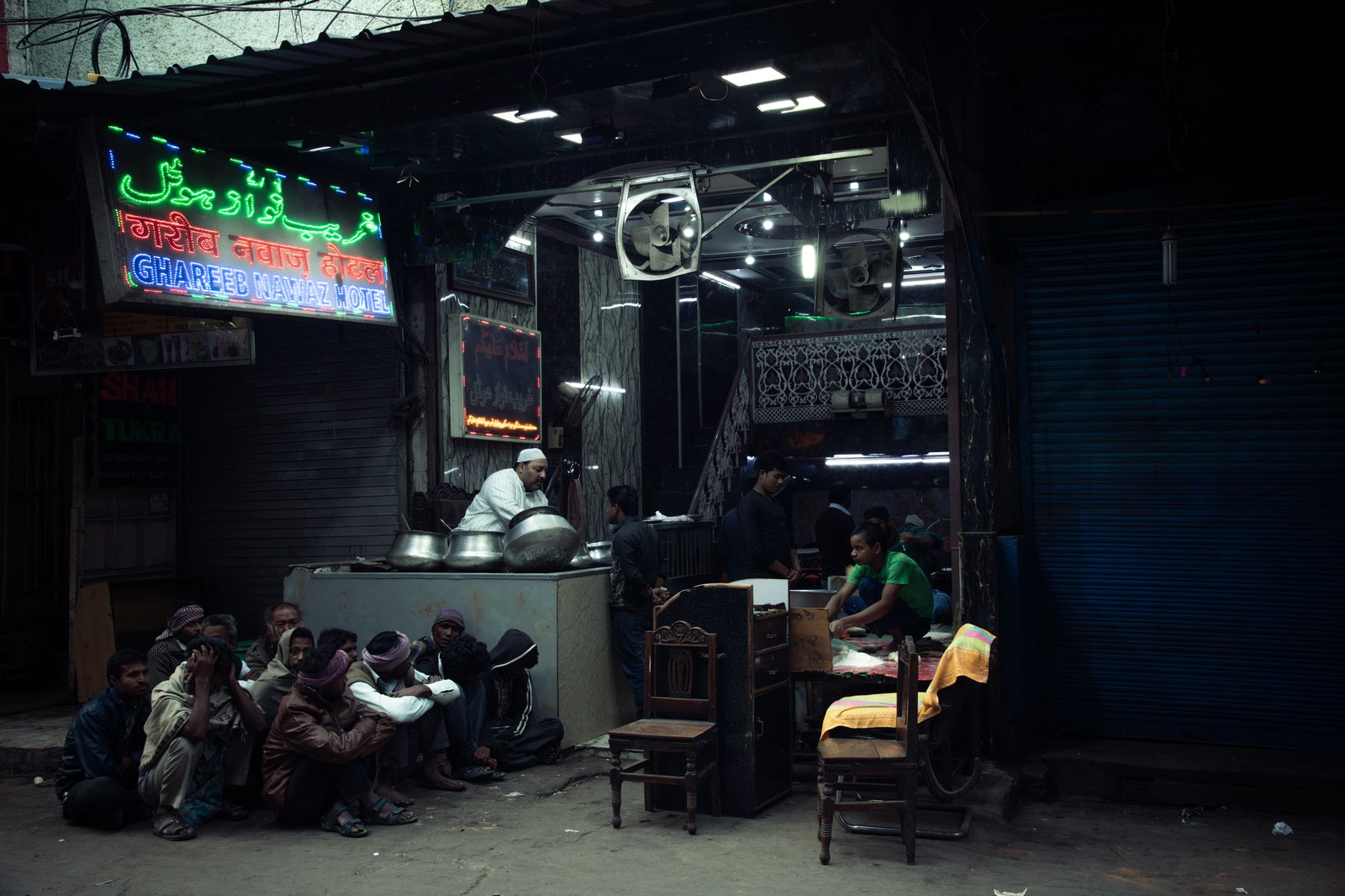
The best biryani in the metro is not in Manhattan. It never was.
The pot tells you the truth about the kitchen before the menu does.
We test dishes so you don't have to. No spam — just the best food, neighborhood by neighborhood.