Oakland · Montclair
Montclair sits above the flatlands and mostly ignores them. Its Italian restaurants operate on village logic — regulars, fixed menus, rooms that don't change — and the scoring pattern rewards exactly that.
Above the Flatlands
Montclair is not Oakland in the way that Temescal is Oakland or Fruitvale is Oakland. It sits in the hills, runs its own village strip, and operates at a pace that the flatlands below treat as slow and the residents above treat as correct. The Italian restaurants on Mountain Blvd and La Salle Ave are part of that logic. They are not trying to compete with downtown. They are trying to be open on Thursday when the neighborhood needs them.
The corridor runs maybe six blocks in useful density. Three Italian rooms are BYOB. Two have been open long enough that the staff knows the regulars by order, not by name. The scoring pattern across this stretch is consistent in a way that surprised us: execution scores are high, value scores are very high, and context scores — the category that captures whether a restaurant is actually embedded in the place it occupies — are the highest of the three. The algorithm notices. A room that has been feeding the same families for fifteen years scores differently from a room that opened eighteen months ago with a beverage program and a mood board.
This is not a neighborhood that gets written about seriously. The food press that covers Oakland tends to track the flatlands — Rockridge, Temescal, the Grand Lake stretch — and the hills operate in a quieter orbit. That gap between press attention and actual execution is exactly where the scoring data finds its most interesting work. See also what ForkFox found covering Italian restaurants Rockridge Oakland, where the press-to-quality ratio runs in a different direction.
The Rooms on Mountain and La Salle
The three rooms that anchor the corridor are built on different premises. **Montclair Bistro.** **La Piazza.** **Cena Restaurant.** Each occupies a different section of the village's Italian identity, and the gaps between them are instructive. Montclair Bistro is the red gravy institution — Sunday sauce, housemade pasta, a dining room that has not been redesigned since a decade before redesigning became mandatory. La Piazza operates on the BYOB trattoria model: bring wine, order the risotto, stay two hours. Cena is the most ambitious of the three, running seasonal specials, a serious antipasto program, and an osso buco that appears in winter and disappears when the braise no longer makes economic sense.
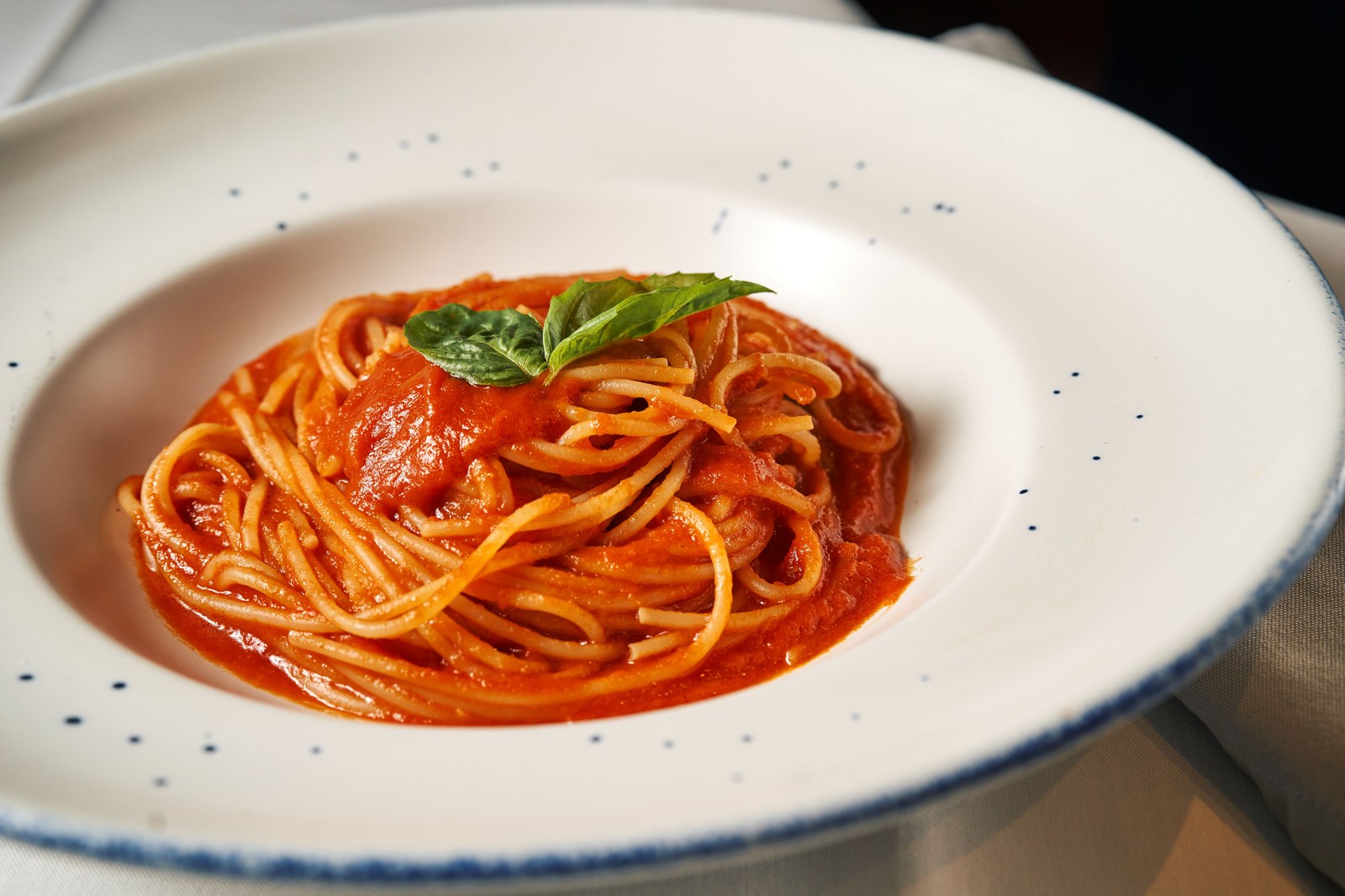
The pasta at Montclair Bistro is the data point that stands out first. Housemade pasta in a neighborhood trattoria at this price point tends to drift — the kitchen gets busy, the cook changes, the dough runs too thick. Here it hasn't. The al dente hold is consistent across multiple visits and across multiple shapes. That kind of consistency is operational, not inspirational. It requires a kitchen that values the same thing every Tuesday that it values on Saturday. The scoring reflects it: execution in the high eighties, with flavor tracking even higher on the dishes that come from the Sunday sauce tradition.
La Piazza's BYOB structure is worth a separate accounting. In Oakland's hill neighborhoods, BYOB functions as it does in West Philadelphia or parts of South Chicago — as a structural subsidy that lets the kitchen focus on food cost rather than alcohol margin. The economics work like this: the room keeps its prices honest, the customer brings a bottle from the wine shop two doors down, and the value math produces something that a full-bar room at the same quality level cannot match. The risotto is the proof. A risotto finished correctly — stirred to order, rested correctly, textured rather than soupy — costs the kitchen time. The BYOB model is what makes that time affordable to charge honestly for.
Antipasto and the Seasonal Question
Cena's antipasto program is the most specific argument in the corridor. Antipasto in a neighborhood trattoria is usually a category, not a commitment — cured meats from a distributor, olives from a can, cheeses arranged by size. At Cena it is a commitment. The boards arrive with house-cured meats, pickled vegetables that suggest someone made a decision about acidity rather than sourced a jar, and cheeses identified by region rather than type. This is not cooking that announces itself. It is cooking that requires sustained attention and does not receive credit for it on most visits.
The osso buco appears seasonally and operates as the room's clearest statement of intent. A braise that takes the better part of a day to develop correctly cannot be faked at volume. Cena does not pretend otherwise — the dish appears when it makes sense, disappears when it doesn't, and arrives at the table with the marrow loose and a small spoon. The restraint of that presentation is the argument. Rooms that plate osso buco with ceremony are rooms that don't trust the dish. Cena trusts the dish.
The seasonal logic here connects to a broader pattern in the scoring data. Italian restaurants that commit to seasonal menus — that actually remove dishes rather than adding seasonal specials to a permanent base — score higher on execution consistency than rooms that run the same menu year-round. The discipline required to take a dish off the menu is the same discipline required to make it correctly while it's on. **Montclair Bistro.** **Cena Restaurant.** **Il Garage**, which runs a shorter menu still, on the edge of the village strip. All three show the pattern. The algorithm notices.
Where Montclair Sits in the Oakland Data
Oakland's Italian restaurant data clusters in two bands. The first band is the flatland restaurants — Rockridge, Grand Lake, lower Temescal — where press attention is high, prices are high, and execution scores are variable in a way that suggests kitchens performing for critics rather than for Tuesday-night regulars. The second band is the hill neighborhoods, where press attention is low, prices are moderate, and execution scores are stable across visits. Montclair sits firmly in the second band, and the scoring gap between the two bands is larger than the geography suggests it should be.
The BYOB factor amplifies the value scores across the corridor. A pasta dish at La Piazza that scores in the low nineties on flavor, consumed with a bottle of wine from the shop two doors down at retail price, produces a per-person spend that a Rockridge room with the same flavor score cannot approach. This is not a novelty; it is the structural logic that has made BYOB corridors in working-class and hill neighborhoods the most efficient places to eat well in American cities. Oakland's version of this argument runs from the Mexican restaurants on Fruitvale to the Italian rooms on Mountain Blvd, and the common thread is rooms that do not need a beverage program to make the economics work.
The broader Oakland Italian picture — including what ForkFox found on Temescal, covered in ForkFox on Temescal's Ethiopian corridor — shows a city where neighborhood-embedded rooms outperform destination rooms at nearly every price point. Montclair's Italian corridor is the hill version of that argument. The rooms are small, the menus are fixed, the regulars are load-bearing. That is the whole architecture.
What the Data Shows
The scoring pattern across Mountain Blvd and La Salle Ave is consistent in a specific way: context scores lead, execution scores follow closely, and value scores are the highest of the three. This is the signature of a neighborhood restaurant ecosystem operating correctly — rooms embedded in their block, cooking for the people who live there, not performing for the people who might visit. The press does not cover it. The algorithm can see it.
The practical reading is this: the Italian restaurants in Montclair are not the most ambitious Italian restaurants in Oakland. They are not running twelve-course tasting menus or importing specialty grains. They are running housemade pasta, patient red gravy, seasonal osso buco, and honest antipasto in rooms that have been open long enough to know their regulars by table. That is a different kind of ambition, and it scores accordingly.
A neighborhood that builds its restaurant culture on consistency rather than novelty produces a different kind of data. **Montclair Bistro.** **La Piazza.** **Cena Restaurant.** Three rooms, three decades of combined operation, three kitchens that cook the same way on a Tuesday as they do on a Saturday. That is the data. The algorithm noticed.
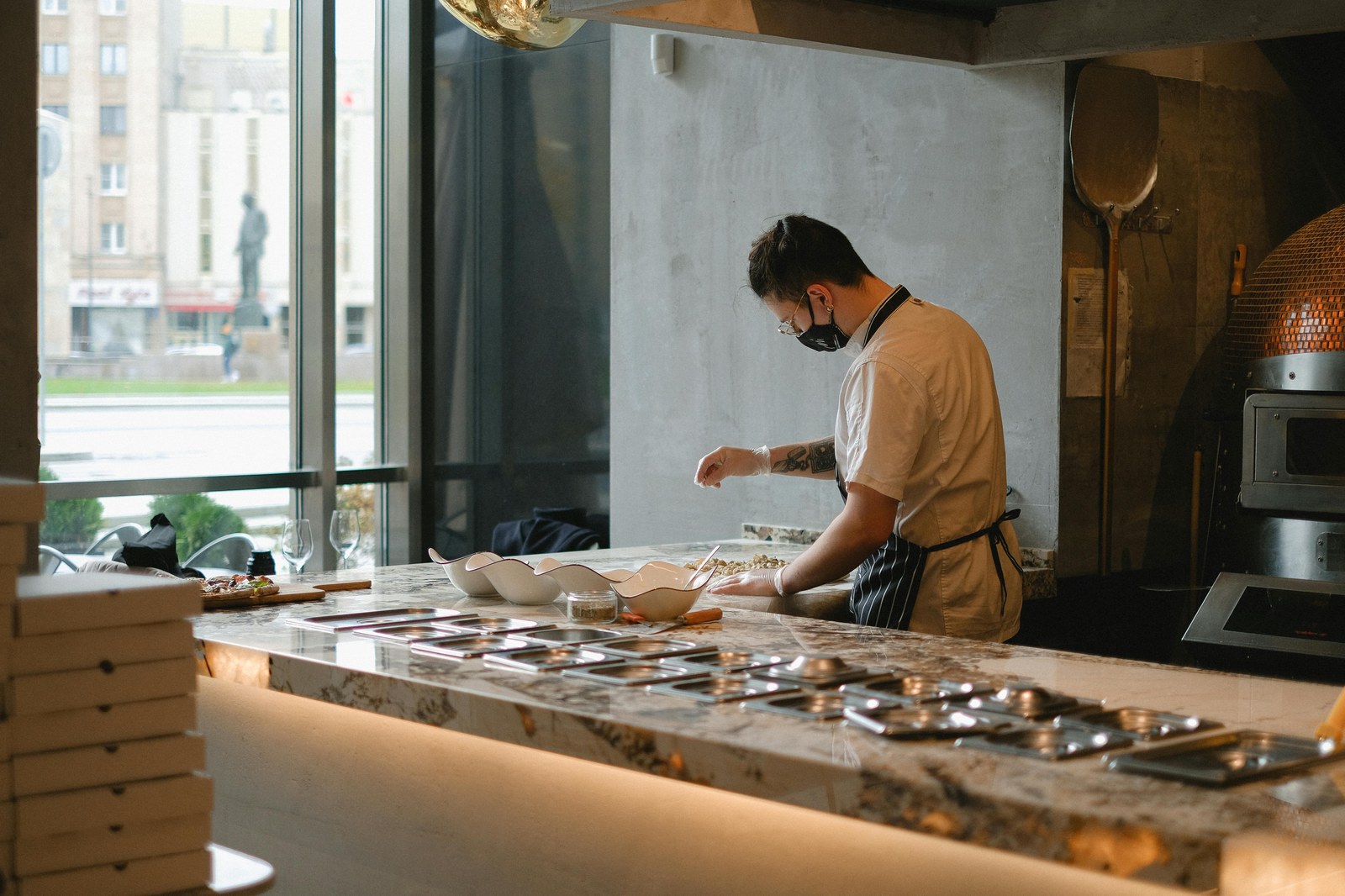
The algorithm notices when a room hasn't changed in fifteen years and the food is still right.
The rooms that feed the same families for fifteen years build a kind of trust that a new opening cannot purchase.
We test dishes so you don't have to. No spam — just the best food, neighborhood by neighborhood.