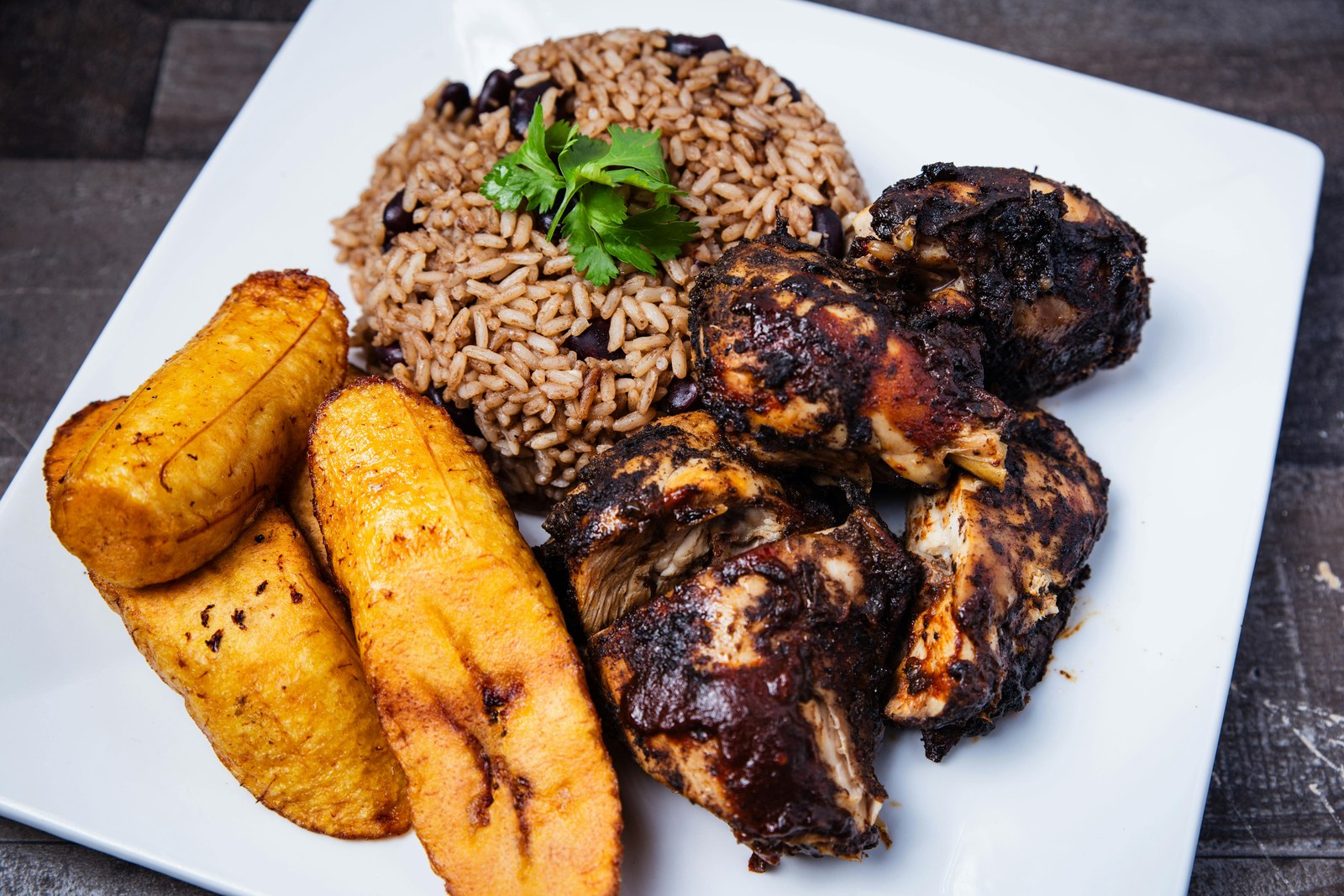
Philadelphia · Mt Airy
The tourist map of Philadelphia Caribbean food stops at West Philly and Northern Liberties. Germantown Ave in Mt Airy is where the corridor keeps going.
The Corridor the Press Skipped
The food press wrote about Caribbean food in Philadelphia and drew a map that had two points on it. West Philly and Northern Liberties got the coverage. Mt Airy got the regulars. Those are not the same thing, and the gap between them is where the most consistent cooking in the city's Caribbean corridor has been happening for the better part of three decades.
Germantown Ave in Mt Airy runs through a neighborhood that absorbed Caribbean immigration in waves — Jamaican families in the 1970s, Trinidadian and Guyanese households through the 1980s and into the 1990s — and the storefronts those communities built on the avenue between Gowen and Sedgwick have not moved. The names have changed in a few cases. The cooking has not.
The result is a stretch that does not operate on restaurant logic. It operates on neighborhood logic. The counter closes when the food is gone. The menu changes when the season changes. The prices reflect what the people who live within six blocks can pay, not what a reservation app will bear. You can find Caribbean food Northern Liberties Philadelphia at a higher average check. You will not find it cooked for a different audience.
What the Food Actually Is
The oxtail at Niambe Island Kitchen braises for hours. This is not a selling point; it is a fact about how oxtail works. The collagen in the joint requires time and low heat to break down into the gelatinous gravy that makes the dish what it is. Shortcuts produce a different dish. Niambe does not take shortcuts. The bones come clean and the reduction underneath the rice and peas is built from the braise liquid, not added separately. It scores in the high eighties overall; the flavor attributes are higher than that.
Across the block, Roti Palace makes its dhal puri on the premises. The roti is not a wrapper for the curry; it is the point as much as the filling is. The dhal inside the flatbread is yellow split pea, cooked and dried and ground before it goes in, which gives the bread a texture that a plain roti does not have. The curry goat is the order. The pepper sauce on the counter is house-made and its heat is not decorative. Golden Pot and Pepper Pot Kitchen, two blocks north, run a similar Trinidadian register with doubles on the weekend and a stewed chicken that the regulars will leave if it drops.
The plantain at Tropic Taste is fried to order, which matters more than it sounds. Plantain held under a lamp goes slack. Fried to order it has a char on the outside and a soft interior that the held version cannot reproduce. The jerk chicken here is the dry-rub version, not the wet-marinated style that the chains produce — the smoke comes from the wood, not from a liquid approximation of it. The algorithm noticed the consistency gap between this and what gets reviewed downtown.
The Economics of the Avenue
The economics work like this. Rent on Germantown Ave in Mt Airy is not Center City rent. The operators who have been here longest own the buildings or have held long leases, which means the margin pressure that kills small Caribbean restaurants in other neighborhoods has not landed here the same way. A full plate at Niambe Island Kitchen — oxtail, rice and peas, fried plantain, and a small cup of sorrel — tracks under sixteen dollars. A comparable plate in Northern Liberties is closer to twenty-four. The food is not a compromise version. It is the same food at the price point the neighborhood set in 1993.
The BYOB structure that defines so much of Philadelphia's independent restaurant ecosystem is present here too, though it operates differently than the Fishtown version — see ForkFox on Fishtown BYOB for that comparison. On the avenue, BYOB is not a design choice or a cost-saving marketing angle; it is what these restaurants have always been. The Caribbean establishments on Germantown Ave were BYOB before the term became a dining-scene talking point. The regulars bring Carib or Red Stripe or nothing at all, and the counters don't track it either way.
The value scoring across the corridor is the highest we have logged in this city outside the Ethiopian food West Philadelphia stretch on Baltimore Ave. The pattern is the same: immigrant-founded restaurants, long-held locations, a customer base that is the community rather than the discovery crowd, and a cooking standard maintained because the regulars will notice the moment it drops. The algorithm can see the structural similarity. The mechanism behind it is the same in both cases.
What Gets Missed and Why
The food press in Philadelphia has a gravitational center. It is roughly 20th Street and it pulls coverage south and east. Mt Airy is northwest, and the distance is not only geographic. The avenue does not have a PR firm. Roti Palace does not have an Instagram account with a consistent posting schedule. Sunshine Caribbean Bakery has a hand-lettered sign and a parking situation that is not resolved by a valet. These are not defects. They are accurate descriptions of how the corridor operates.
The consequence is that the coverage gap is self-reinforcing. Outlets that cover food in Philadelphia write about what other outlets have written about. The Caribbean food on Germantown Ave in Mt Airy has not been written about, so it does not get written about, so the data sets that food media uses to decide what to write about next do not reflect it. Our scoring data does not have this problem. Yardie Spot, Golden Pot, and Pepper Pot Kitchen score in the same tier as restaurants in this city that have Inquirer reviews. The coverage does not reflect the performance.
This is the case the algorithm makes for the corridor. Not that it is undiscovered — the people on the avenue know exactly where to eat — but that the external record is wrong. The cooking has been consistent for thirty years on a specific stretch of a specific street in a specific Philadelphia neighborhood. The press missed it. The data did not.
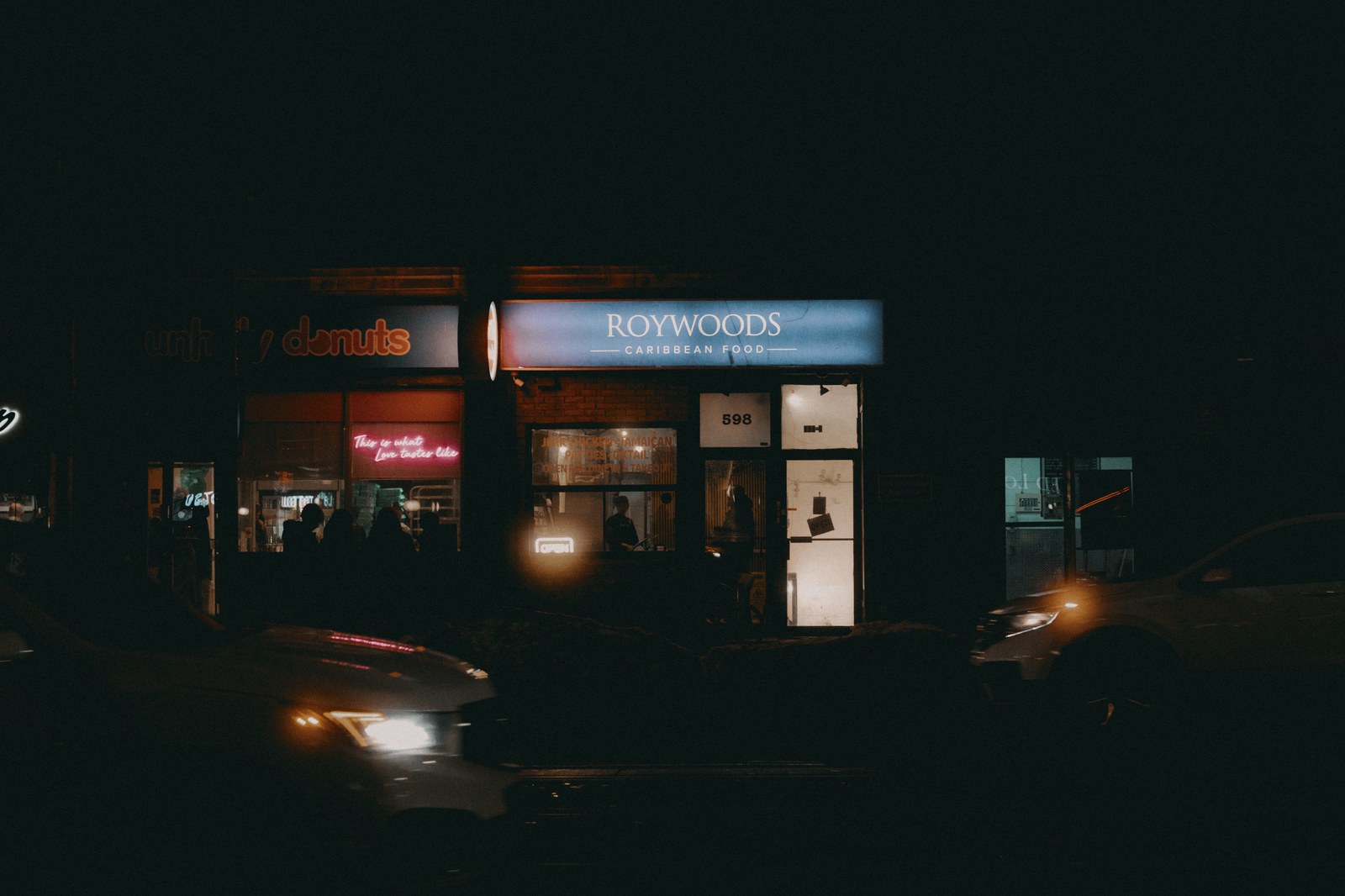
Mt Airy doesn't need a press cycle. The regulars have known for years.
The restaurants that don't need to be discovered are usually the ones most worth finding.
We test dishes so you don't have to. No spam — just the best food, neighborhood by neighborhood.