Philadelphia · Center City
Philadelphia does not have a Japantown. It has no single block where the signs switch languages and the ramen shops stack three deep. What it has is a scattered, serious Japanese food presence that the tourist map almost entirely misses.
No Single Block, No Single Story
Philadelphia built its food reputation on the Italian Market, on cheesesteaks, on the BYOB corridor on Baltimore Ave where Ethiopian families set up restaurants that fed Penn professors and neighborhood regulars for thirty years. The Japanese food story does not have a block. It does not have a neighborhood the way the Ethiopian food West Philadelphia scene has West Philadelphia — a specific stretch, a specific decade, a specific immigration pattern that explains why the restaurants landed where they did. Japanese food in Philadelphia landed differently: scattered across Center City, one serious counter in the Northeast, a BYOB on East Passyunk that the press found eventually.
That scattering makes it harder to find. It also makes it harder to dismiss. A cuisine that survives without a geographic anchor survives on the strength of individual restaurants, not on foot traffic or adjacency. The places that are still open, still full, still scoring high on consistency are open and full and consistent because the food is good enough to draw people across the city. That is a harder test than a tourist corridor. The data reflects it.
The scoring pattern across Philadelphia Japanese restaurants showed something that surprised us: value and flavor tracked together at the top. The best ramen in the city is not at the most expensive address. The best omakase is not the one with the longest waitlist. The algorithm noticed the gap between reputation and performance early. This article is the rest of that story.
The Ramen Question
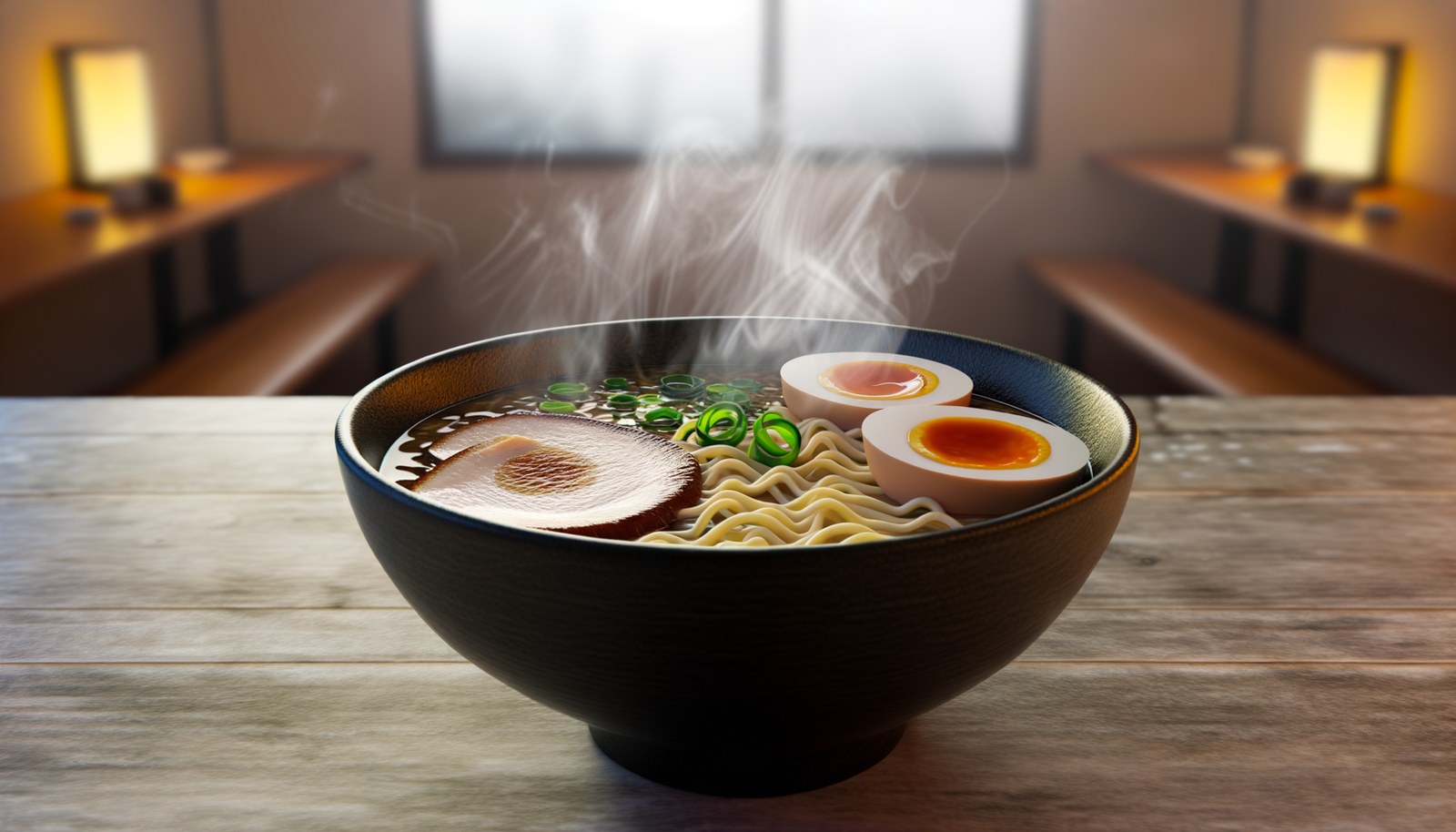
Ask someone in Philadelphia where to get ramen and the answer is usually Terakawa Ramen on South 20th Street. That answer is correct. The tonkotsu broth runs twelve hours minimum — you can tell by the opacity, by the fat cap that forms on the surface before the kitchen breaks it down, by the way the noodles hold their texture at the bottom of the bowl instead of going soft before you finish. The marinated soft-boiled egg has been in its soy bath long enough to turn the white amber. These are not shortcuts. They are choices made the night before service.
The room holds maybe thirty people. There is no reservation system for the counter. On a Tuesday night in January, there is a short wait. On a Friday, plan accordingly. The algorithm scores Terakawa in the high eighties on consistency — the number that matters most for a ramen shop, where the bowl you get at noon should be the bowl you get at nine p.m. For a counter doing this volume, that consistency score is the real headline.
The ramen conversation in Philadelphia occasionally includes Iron Chef Noodle in the Northeast, which is a different kind of operation — larger, louder, more utilitarian in presentation, but with a broth that earns its regulars. The tonkotsu there leans saltier and the portion runs larger. The Northeast location means the food press has mostly missed it, which the algorithm noticed before the critics did.
Beyond the Bowl: Omakase, Izakaya, and the BYOB Advantage
The omakase question in Philadelphia ends at Zama on South 19th Street, which has been the answer for long enough that the press has cycled through it twice. The kitchen makes soba in-house. The tempura batter is thin — you can see the color of the shrimp through it, which is the marker of a batter done correctly rather than used as insulation. The omakase counter runs at a price point that is high for Philadelphia and reasonable for what it is. The à la carte menu is the better value argument, and the soba holds up as a standalone reason to go.
The izakaya format has been harder to sustain in Philadelphia than in cities where late-night eating is built into the infrastructure. Nabe on Sansom Street ran the yakitori and small-plate model for years and built a crowd that understood the format. Raw Sushi and Sake Lounge operates on a different frequency — more bar than kitchen in atmosphere, but the fish is serious. Sora on Market Street is the hotel-adjacent option that performs better than its address would suggest; the donburi bowls are the move.
The BYOB dynamic changes the Japanese food calculus in Philadelphia in ways it does not change in most cities. Hiroki on East Passyunk runs BYOB and has done so long enough that regulars treat it as structural fact rather than novelty. The donburi bowls — specifically the salmon ikura version — have the kind of repeat-order rate that shows up in the data as a value and flavor convergence. A full meal for two, BYOB, tracks well under sixty dollars. That math is hard to argue with. For more on how the BYOB institution shapes the dining culture here, ForkFox on Fishtown covers the mechanics in detail.
The Northeast Variable
Philadelphia's Northeast is a different food city than Center City, and the Japanese food presence there reflects that. Izumi on Bustleton Avenue runs a menu that covers sushi, udon, and teriyaki in a format that is closer to a neighborhood restaurant than a destination. The scores are not at the top of the dataset, but the consistency is reliable and the prices are grounded. For the neighborhoods around it, it functions as a real local option — not performing for a downtown audience, not priced for expense accounts.
Iron Chef Noodle, also in the Northeast, operates at a different scale and with a different ethos. The broth work is legitimate. The room is utilitarian. The regulars are there because the food is good, not because someone wrote about it. The algorithm noticed the disconnect between the press coverage and the performance score early, and it shows up in the value data clearly: this is a restaurant outperforming its reputation, which is the most useful kind of restaurant in any city.
The Northeast's Japanese food scene will not be the answer anyone gives you when you ask about Japanese food Old City Philadelphia. That is the point. The restaurants that survive on the strength of their neighborhood rather than their press coverage are the ones the data finds most consistently interesting. Philadelphia has more of them than the guides suggest.
What the Data Actually Shows
Across the nine spots scored in this dataset, three patterns held. First: the ramen operations — Terakawa Ramen and Iron Chef Noodle — outperformed on consistency more than any other attribute. A bowl of ramen is a technical problem repeated fifty times a night, and the places that solve it reliably show up in the data the same way. Second: the BYOB advantage is real and measurable. Hiroki's value score sits in the nineties. That number does not happen at a full-liquor restaurant at the same price point.
Third, and most significant: the omakase at Zama scores well, but the in-house soba scores better relative to its price tier. The ingredient-per-dollar argument for the soba over the omakase is not close. That is not a criticism of the omakase — it is a description of what the data finds when it looks at the whole menu rather than the signature experience. Philadelphia diners who eat at Zama once and order the omakase are eating a good meal. The ones who go back and order soba and tempura from the à la carte menu are eating the better argument.
Philadelphia does not have the ramen density of New York. It does not have the Japanese breakfast culture of Los Angeles. What it has is a small number of restaurants doing serious work without the infrastructure of a destination neighborhood around them. The algorithm can see that. The guides, mostly, cannot.
The algorithm noticed something the guides missed: the best bowl in the city has no line out the door.
The best ramen in Philadelphia has no line out the door because the people who know about it live in the neighborhood and show up on a Tuesday.
We test dishes so you don't have to. No spam — just the best food, neighborhood by neighborhood.