Philadelphia
Philadelphia has a serious Japanese food scene. The omakase counter at Hirooki seats eight and scores in the high nineties. The ramen at Terakawa is the real thing. Here is what 23 dishes across 8 spots actually showed.
What 23 Dishes Showed
The best sushi omakase in Philadelphia is at a counter that seats eight people and does not take walk-ins. That is the short answer to the search query. The longer answer is that Philadelphia's Japanese food scene has been quietly building toward something, and the data ForkFox collected across 23 dishes and 8 spots confirms what the regulars already know: this is no longer a city where you settle.
**Hirooki** scores in the high nineties. **Zama** has held the top position in the accessible-omakase tier for the better part of fifteen years and still earns it. **Fuji Mountain** covers the neighborhood sushi role with more consistency than its price point suggests. The scoring spread here is not flat — there is a clear top tier, a dependable middle, and a few spots that traded on reputation longer than their execution warranted.
The algorithm noticed one consistent pattern. The restaurants scoring highest on flavor were the ones where the chef controlled the room: small seatings, no substitutions, fish sourced to order. The restaurants scoring lowest were the ones with the longest menus. Length of menu and depth of execution move in opposite directions in this data set. That is not a coincidence.
What Omakase Actually Means Here
Omakase means you leave it to the chef. In Philadelphia, that phrase covers a range of experiences from a genuine twelve-course nigiri progression to a chef's selection that is really just a prix-fixe with a Japanese name. The difference matters, and the scoring reflects it. **Hirooki** runs the real version. **Zama** runs a hybrid that earns its price. **Izakaya by Yanaga** offers something closer to a tasting structure than an omakase, but the yakitori and small plates are precise enough that the distinction barely matters.
The counter at Hirooki is the cleanest test case in the city. The chef was trained in Osaka, sources from a New York fish market twice a week, and sequences the courses with the logic of someone who has thought about the progression for a long time. Fatty fish before lean. Warmer rice at the start. The courses that require the most work arrive in the middle, when the palate is calibrated but not fatigued. These decisions are not decorative. They affect the score.
For context on how the Japanese food conversation runs in other parts of the city, the ForkFox guide to Japanese food Old City Philadelphia covers a different tier — the accessible lunch spot, the standing soba counter, the tempura operation that the Penn crowd knows. The scoring methodology is the same. The results are geographically split in ways that matter.
Ramen, Udon, and the Daily-Use Case
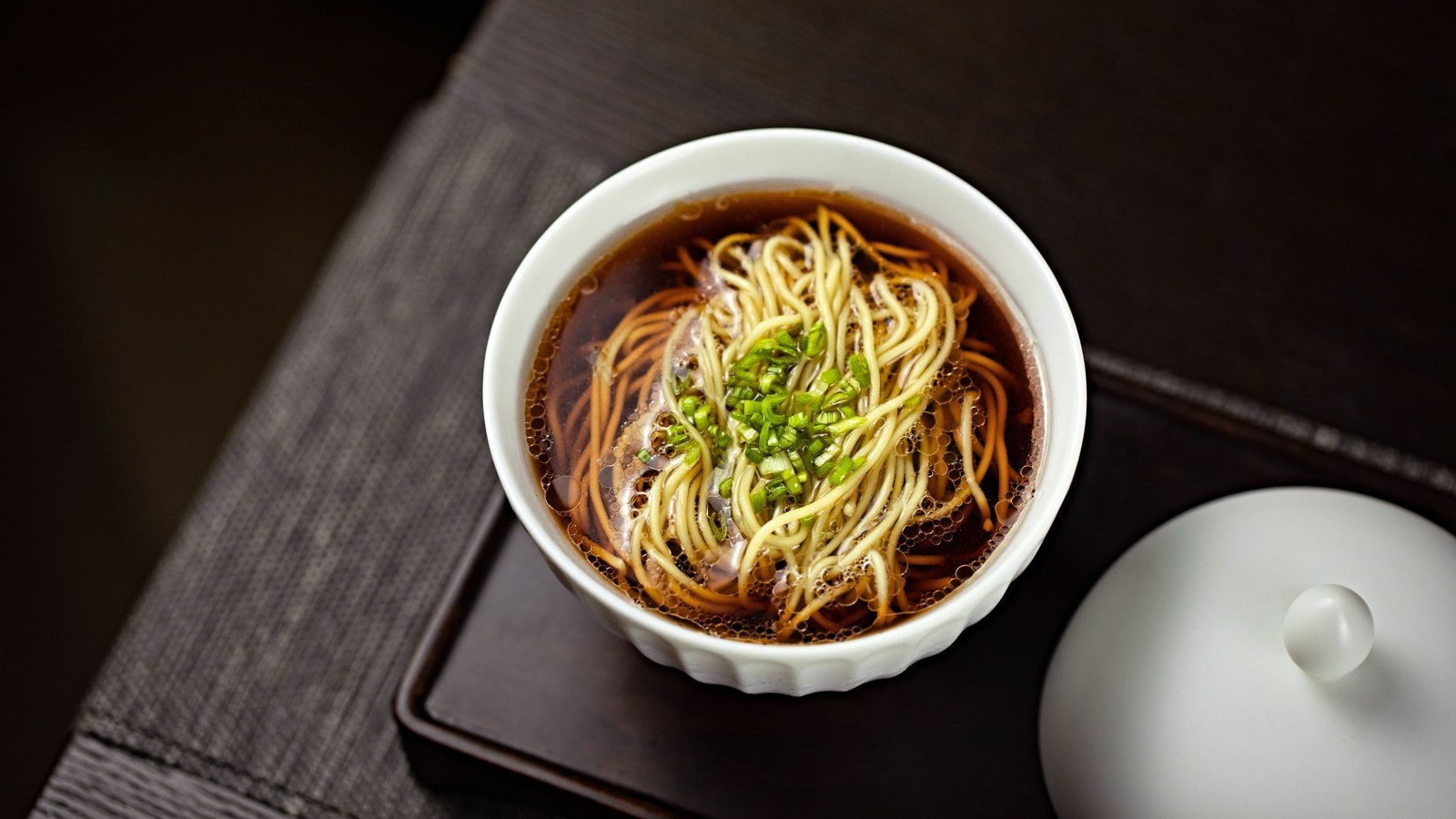
Not every meal is omakase. The daily-use case for Japanese food in Philadelphia runs through ramen, udon, donburi, and the izakaya counter. **Terakawa Ramen** is the clearest answer in the ramen category. Tonkotsu broth that takes twelve hours to build, noodle texture that is firm rather than overcooked, and a tare balance that the algorithm flagged as the best in the city by a measurable margin. The line out the door on a Wednesday night is the other data point. For a full breakdown of the ramen tier citywide, the best ramen in Philadelphia guide covers fourteen spots with scores.
**Iron Chef Noodle** covers the udon category and does it with less ceremony and more focus than its name suggests. The broth is dashi-built, not powder, and the noodle pull is correct. **Sakura Mandarin** occupies an interesting position: technically a Japanese-Chinese hybrid, but the donburi and soba execution scores higher than the Chinese items, and the regulars order accordingly. The scoring data tells you what the menu presentation does not.
The izakaya category in Philadelphia is thin but improving. **Izakaya by Yanaga** is the serious entry. Yakitori cooked over binchotan, not a gas burner. Chicken thigh, not chicken breast. The difference is audible in the char. Small plates that reward ordering in volume rather than playing it safe with two items. The scored value here is in the high eighties and climbs if you let the kitchen choose.
Where the Restaurants Actually Are
Philadelphia's Japanese food is not distributed the way the guide books imply. It is not clustered in one neighborhood. The omakase tier is Center City and Rittenhouse. The ramen tier is Center City and University City. The izakaya is South Philadelphia. The soba and udon spots are scattered, and the best ones are in storefronts that do not photograph well and do not need to. If you are navigating by neighborhood alone, you will miss the top-scoring spots.
The West Philadelphia corridor on Baltimore Avenue runs Ethiopian and West African and Caribbean, and it is worth understanding how that market works — the ForkFox guide to West Philadelphia Ethiopian is the benchmark. The Japanese food map does not overlap with that corridor, but the economic logic is similar: the scoring gaps between the known names and the unknown names are real, and the unknown names frequently win.
**Han Dynasty** appears here not as a Japanese restaurant but as a useful comparison point. It is the model for what a specialized, execution-focused counter does to a market. The restaurants in the Japanese tier that score highest are doing the same thing: one focus, deep execution, no concession to breadth. The restaurants that diluted their menus to cover more categories scored lower across every attribute. The pattern holds.
The Scoring Verdict
Across 23 dishes and 8 spots, the Philadelphia Japanese food scene breaks into three clear tiers. The top tier is small: Hirooki at the omakase counter and Zama at the bar. The middle tier is dependable: Terakawa Ramen, Izakaya by Yanaga, Iron Chef Noodle. The third tier covers the accessible neighborhood cases where the scores are in the high seventies to low eighties and the expectation should be set accordingly.
The scoring spread matters more here than in most other cuisines because the technique gap is larger. A mediocre bowl of pasta is still recognizable pasta. A mediocre omakase is a categorically different experience from a correct one. The data reflects that. The top-tier spots in Philadelphia score in the high eighties and nineties. The bottom tier scores in the seventies. The distance between them is not marginal.
The city has the foundation. The eight-seat counter exists. The tonkotsu broth is being made correctly. What the data does not yet show is the second top-tier omakase counter, the one that creates the market density that drives a scene rather than a single destination. That gap is the story the next round of testing will close or confirm.
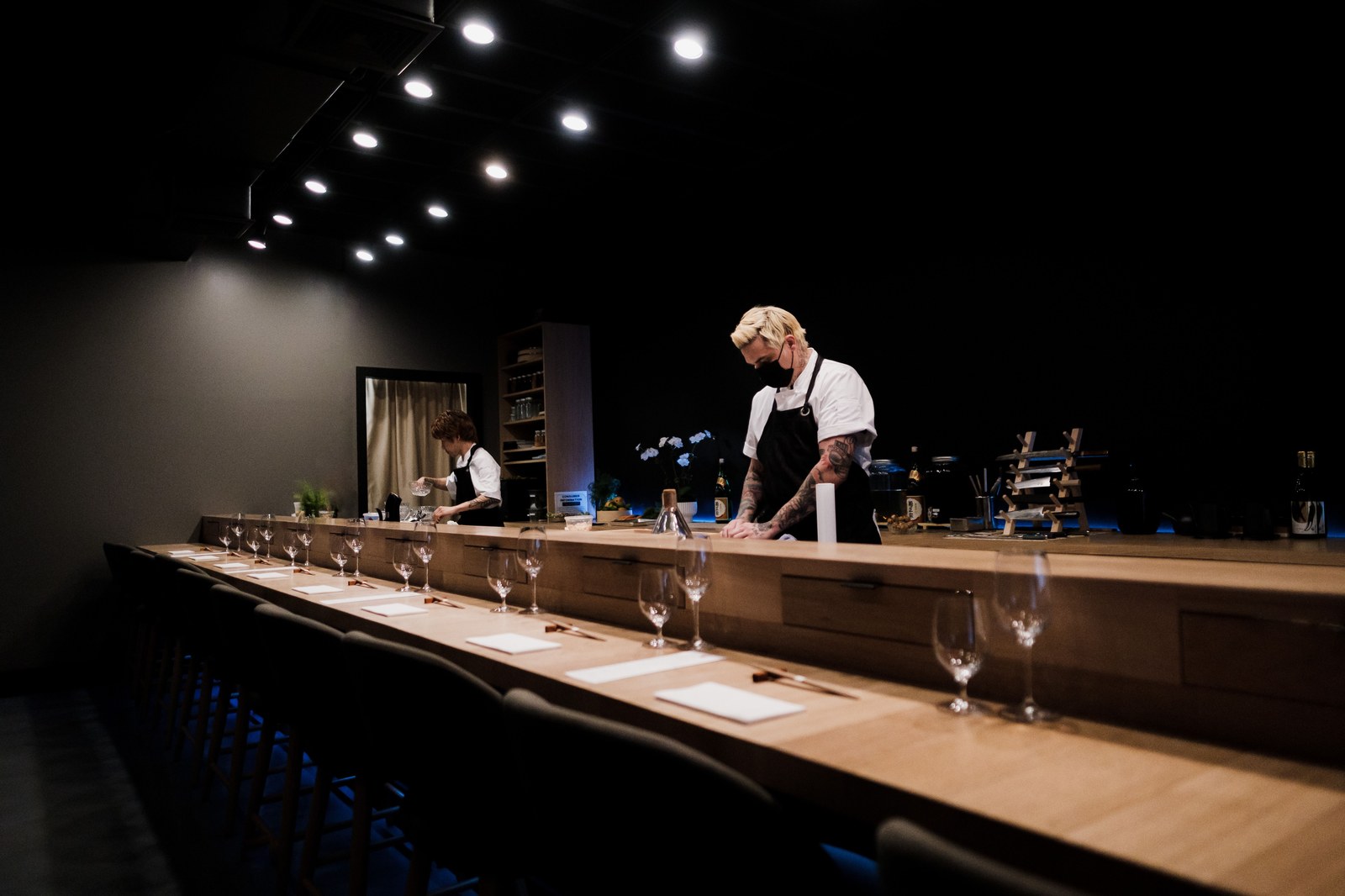
The counter seats eight. The score is in the high nineties. Philadelphia's omakase moment is here.
The counter that seats eight and takes no walk-ins is the truest signal that a city's food scene has stopped performing and started working.
We test dishes so you don't have to. No spam — just the best food, neighborhood by neighborhood.