Philadelphia · University City
University City has a plant-based food corridor that runs deeper than the campus cafeteria. The data makes a case the press hasn't.
The Corridor the Cheesesteak Tourists Don't Find
The standard read on University City food is Penn dining halls plus a handful of fast-casual chains that colonize any campus perimeter. That read is wrong and expensive. The Walnut-to-Chestnut corridor between 38th and 42nd Streets has accumulated, over the last fifteen years, a plant-based food infrastructure that is dense, cheap, and — in three or four cases — genuinely serious. The data does not look like a campus food scene.
The driver is not ideology. It is demographics plus real estate. University City absorbed a large South Asian graduate population through the 1990s and 2000s, and the blocks around Chestnut Street filled with restaurants that treated vegetarian food as a default rather than a concession. That foundation did not disappear when the next wave of tenants arrived. The kitchens changed; the expectation stayed. What you find now on 40th Street is a generation of operators who assumed plant-based demand before plant-based was a marketing term.
The press coverage has concentrated on two or three names and missed the rest. This article covers what scores highest, not what gets photographed the most.
The Counter Is the Point
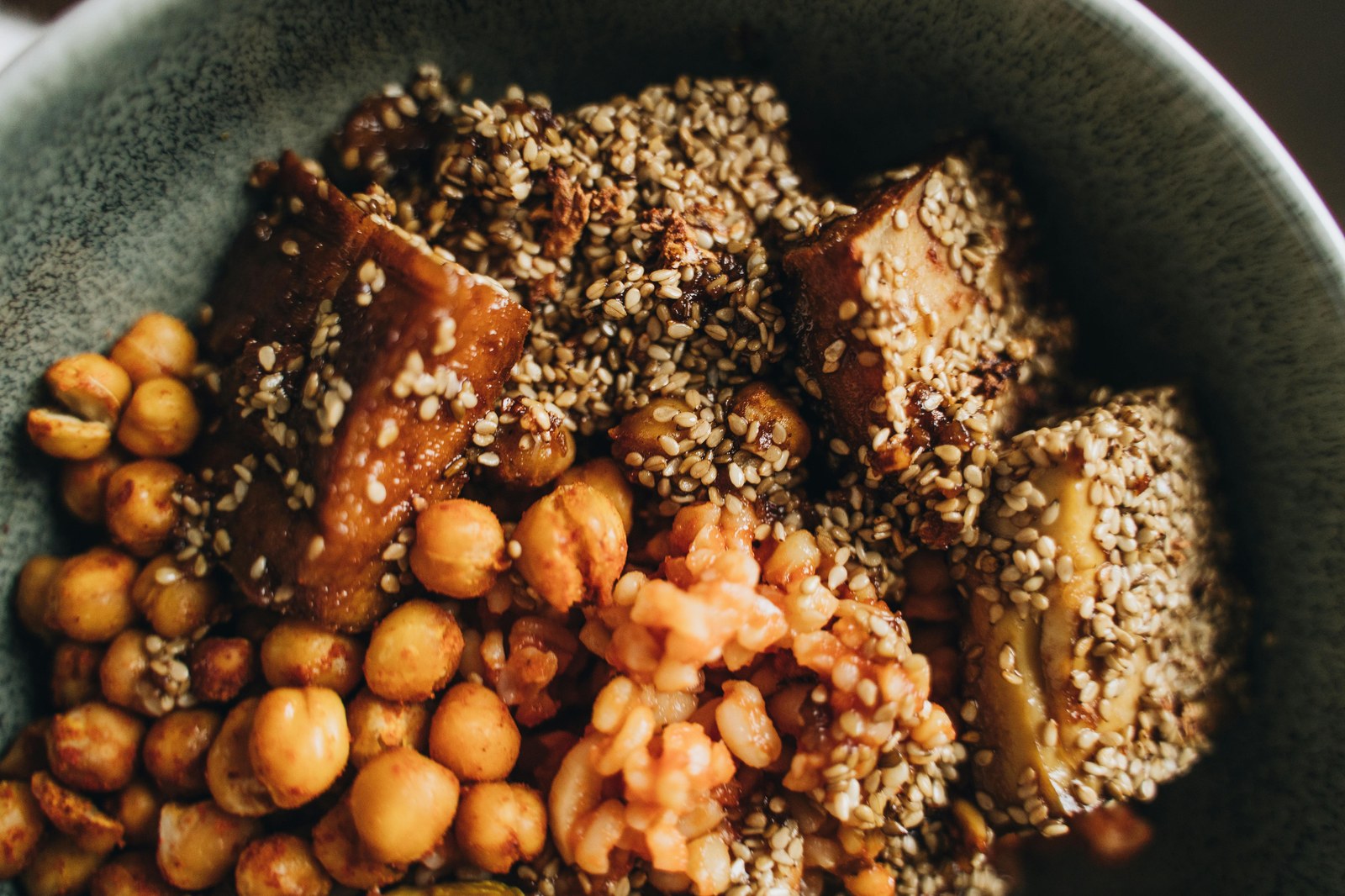
**Goldie** is a Michael Solomonov project and carries his reputation, which means it is held to a higher standard and earns it. The Walnut Street counter opened in 2017 with a menu that is, in its entirety, falafel and tehina. The falafel is fully vegan. The tehina shakes — made with raw sesame, date syrup, and banana — are also vegan, which surprises people who assume a dessert drink requires dairy. Nothing here requires dairy. The counter seats twelve. On a Thursday at noon it moves forty covers an hour.
The scores on flavor are in the low nineties. The scores on value are in the mid-eighties, which is lower than its neighbors — Goldie costs more than a campus counter should. But specialization has a price, and the price here is honest. You are paying for the technique: the falafel is made fresh, fried to order, and has a specific herbed interior that you do not find at the $6 falafel cart two blocks east. The algorithm noticed the gap.
**HipCityVeg** is the opposite model. The 40th Street location runs a full fast-casual operation — sandwiches, bowls, salads — at prices that pencil out for a daily lunch. The crispy chickin sandwich is built on a seasoned seitan cutlet, pickled cabbage, and house sauce on a soft roll. It costs under $12. The value score is in the high nineties. For what it is and what it costs, the algorithm has not found a better plant-based fast-casual score in the city.
The Best Vegan Food Is Not at the Vegan Restaurant
**Poi Dog** is a Hawaiian plate lunch counter on Chestnut Street. It is not a vegan restaurant. The menu runs kalua pork and garlic shrimp alongside its plant-based plates. The plant-based plate — braised greens, purple sweet potato rice, seasonal vegetable protein, and a drizzle of the house tamari-ginger sauce — is the item the data flags. It scores in the high eighties on flavor and consistently pulls the highest value mark on the block. Plate lunch logic is inherently generous: large portions, low prices, no theater. The vegan plate at Poi Dog is $13.
**White Dog Cafe** on Sansom has operated since 1983, which makes it older than most of the graduate students eating there. The menu is not plant-based, but the kitchen has run dedicated vegan plates since the early 2000s — longer than most dedicated vegan restaurants in the city have existed. The seasonal vegetable entrée rotates with the farmers market. In our data it scores in the mid-eighties on flavor, which is mid-tier for the neighborhood, but the consistency over multiple visits is what the algorithm tracks. It does not drop.
**Marigold Kitchen** on 45th is the outlier: a BYOB tasting menu format where the vegetable tasting option is chef-driven and genuinely composed. It is not cheap — the vegetable tasting runs $75 before wine — and it is not a daily option. But for the neighborhood's ceiling on plant-based cooking, Marigold Kitchen is where the data sends you. The algorithm can see the gap between this and everything else in a five-block radius.
The Halal Corridor and Why It Matters
**Saad's Halal Restaurant** on 40th Street is a Lebanese counter that has been on the same block since 1997. The falafel and the hummus are both vegan. The falafel plate runs $8. The hummus is made fresh and has a specific texture — dense, barely smooth, finished with a pool of olive oil — that reads as Lebanese rather than as the generic dip that fills most restaurant hummus crocks. Saad's is not in the vegan press coverage because it has never marketed itself as vegan. The algorithm notices anyway.
The connection between halal food and plant-based eating in University City is structural, not incidental. A significant portion of the neighborhood's Muslim student population eats halal by requirement. The kitchens that serve them — Lebanese, South Asian, East African — have always run large vegetarian and vegan sections as a matter of course, not as a trend response. This is the same dynamic that makes Ethiopian food in West Philadelphia one of the strongest plant-based food corridors in the city without a single dedicated vegan restaurant in the group.
**Green Aisle Grocery** on Baltimore Avenue is the retail anchor for the neighborhood's plant-based infrastructure. It stocks local produce, vegan prepared foods, and a hot bar that changes daily. The prepared food scores are mid-tier — grab-and-go has a ceiling — but the grocery's role as a supply node for the corridor is real. Several of the restaurants on this list source through it.
What the Data Actually Shows
Across 27 dishes and 9 spots, the University City vegan corridor scores higher on value than on flavor — which is the opposite of what you find in Center City's plant-based operations. The ceiling on flavor here is Marigold Kitchen, which is a different price tier. Below that ceiling, the value scores are remarkably compressed: six of the nine spots score within five points of each other on value, meaning the $8 falafel plate and the $13 plate lunch are trading near-identical value math. That compression is unusual. The algorithm flagged it.
The press story on University City vegan food has been **Goldie** and **HipCityVeg** and not much else. The data story is that **Poi Dog**, **Saad's Halal Restaurant**, and **Marigold Kitchen** round out a corridor that is more complete than the two-name narrative suggests. This is not a campus food scene with a vegan section. It is a neighborhood food scene where plant-based eating is distributed across cuisines, price points, and formats. That is harder to photograph. It is easier to score.
For the city's other plant-based corridors, ForkFox on South Philadelphia Vietnamese covers a different geography where the vegan options inside non-vegan kitchens follow the same pattern: scored high, rarely labeled, consistently underreported.
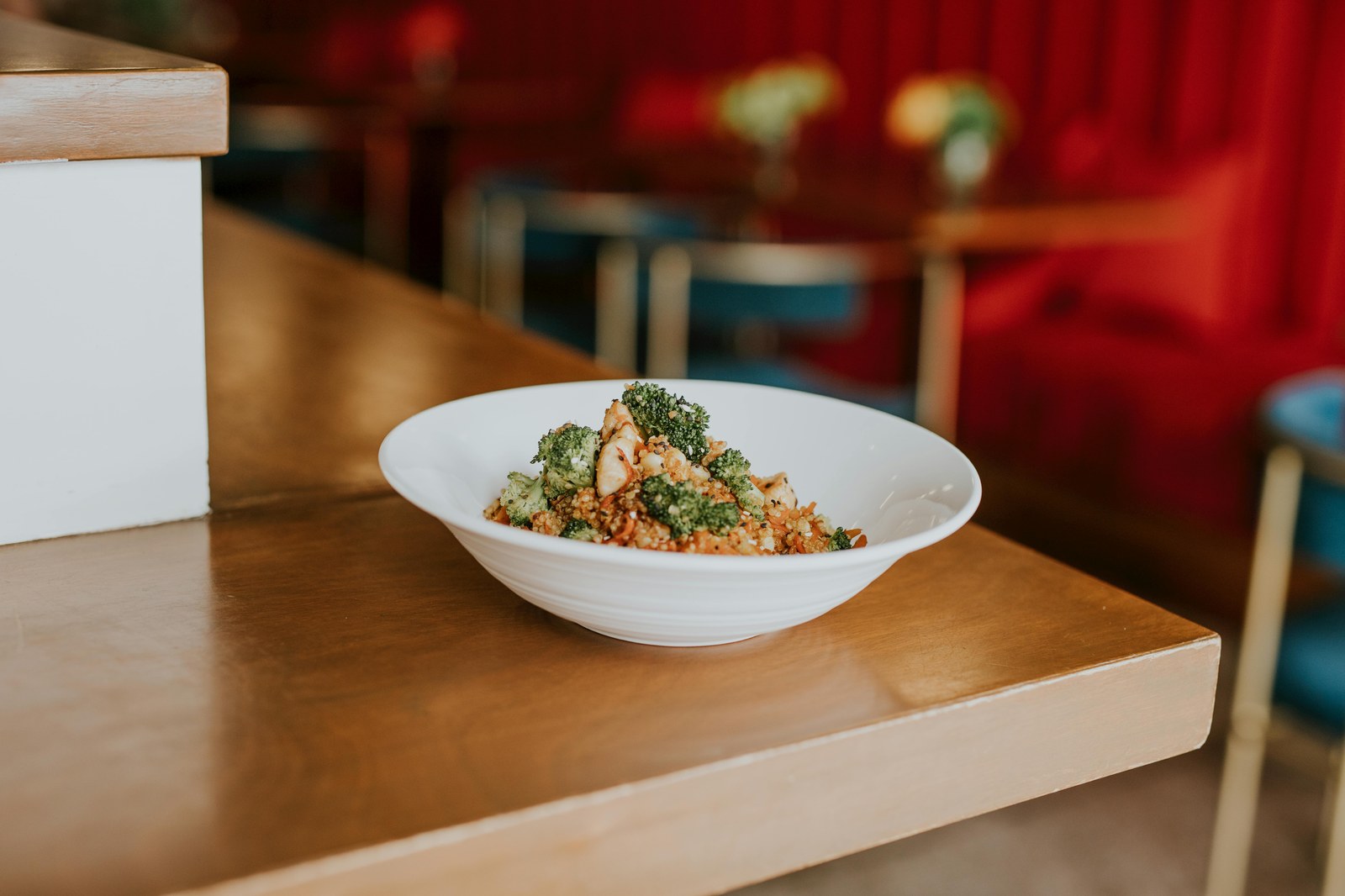
The algorithm noticed what the Yelp page didn't: the best vegan food here isn't at the vegan restaurant.
The best plant-based food in a neighborhood is almost never at the place with 'vegan' in the name.
We test dishes so you don't have to. No spam — just the best food, neighborhood by neighborhood.