San Francisco · Dogpatch
Dogpatch built its food identity on warehouse bones and working-class memory. The bar food caught up with both.
What Dogpatch Actually Is
Dogpatch is the neighborhood the city built its industrial century on and then left alone for forty years. The blocks between Mariposa and 25th Street, anchored by 3rd and 22nd, still carry the physical logic of a working waterfront: wide streets, loading dock proportions, buildings that were designed for machinery and now hold breweries, wine bars, and the occasional breakfast counter. The food scene did not arrive with a concept. It arrived because people who worked in the neighborhood needed to eat.
That history matters for the bar food. A gastropub in Hayes Valley is selling an aesthetic. A bar on 3rd Street in Dogpatch is selling a meal to people who came by T-Third or by bicycle and want something real before they get back on it. The economics are different. The expectations are different. The algorithm noticed the gap between what gets written about this neighborhood and what actually scores well here, and the gap is significant.
The American bar food format — charcuterie boards, small plates, seasonal menus built around what the farms have this week — lands differently in Dogpatch than it does two miles north. There is less performance. The farm-to-table framing does not need to be announced. You can see the sourcing in the ingredient count and the restraint in the preparation. That restraint is not a posture. It is what the neighborhood asks for.
The Charcuterie and Small Plates Question
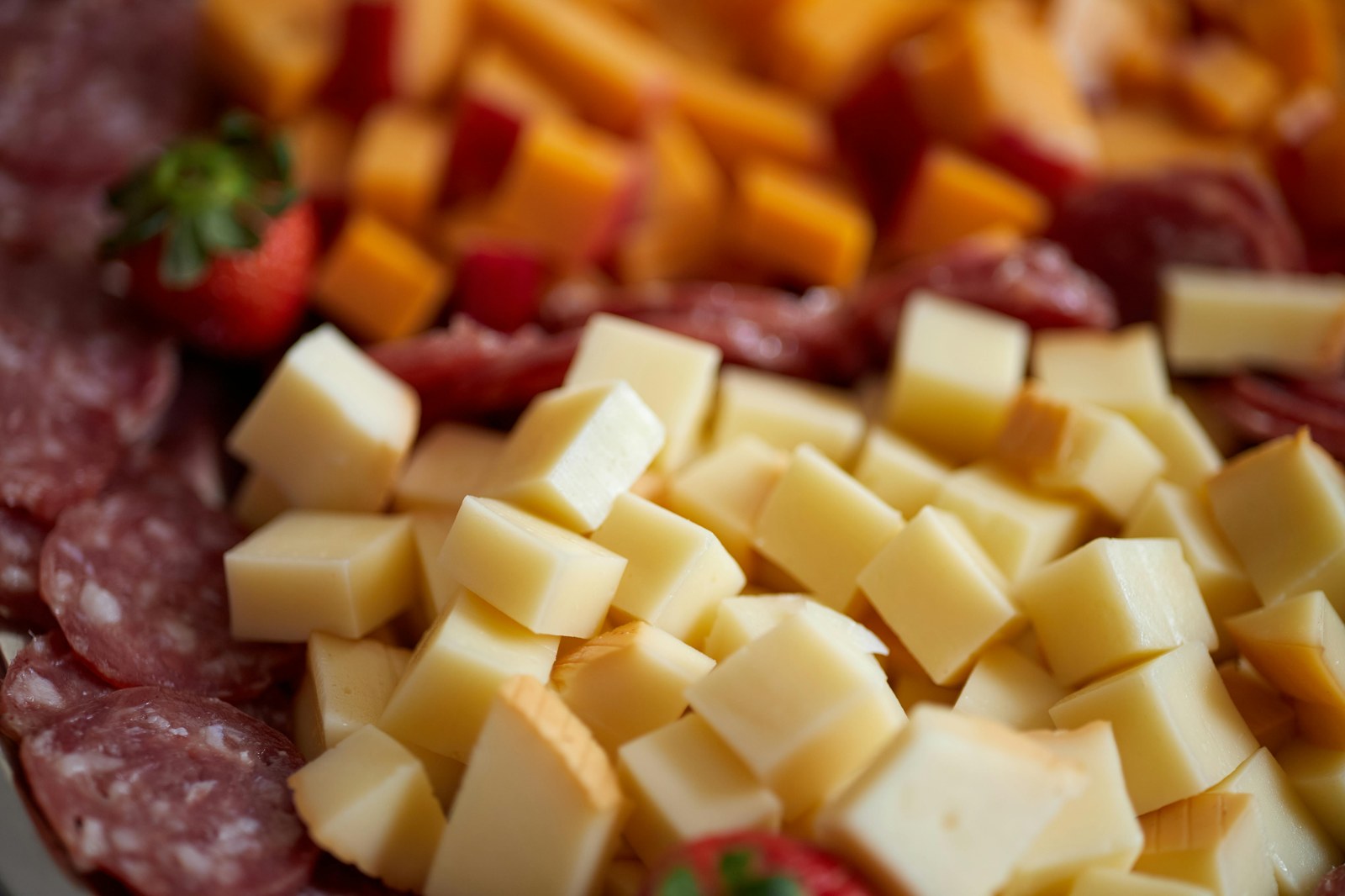
**Yield Wine Bar** has been on 3rd Street since 2004. That is before the condos, before the brewery conversions, before the design firms moved into the old Union Iron Works corridor. What Yield built in that pre-gentrification window is a wine bar that serves food the way a wine bar should: charcuterie boards calibrated to what is open by the glass that night, small plates that do not try to be dinner, a room that expects you to stay for a while. The scores in the high eighties for flavor. The value attribute is higher still.
**Piccino** runs a slightly more composed operation a few blocks south — wood-fired pizza, a seasonal menu that changes with enough frequency to reward regulars, and a charcuterie program that sources from the same Bay Area suppliers the bigger restaurants use and charges less for the access. The craft beer pairing is not on the menu; it is on the list at **Harmonic Brewing** two streets over. The neighborhood expects you to move between rooms. That is how the economics of a small dining district work.
The small plates format in Dogpatch is not borrowed from the Mission or from Hayes Valley. It developed out of necessity: buildings this size, with rent structures shaped by industrial zoning, do not support large kitchen brigades and hundred-dollar tasting menus. What they support is a tight menu, a good draft list, and food that justifies a second round. That is the format. The algorithm scores it well when the kitchen honors it and scores it poorly when the kitchen tries to be something the room cannot support.
The Bar Side of Bar Food
**Dogpatch Saloon** is the neighborhood's oldest continuous bar. It is not a gastropub. It does not have a seasonal menu or a farm-to-table sourcing statement. What it has is a pool table, a jukebox, and food that costs eight dollars and tastes like it was made by someone who has been making it for twenty years. The scores are mid-range and the value score is near the top of the data set. The algorithm notices when a room is not lying to you about what it is.
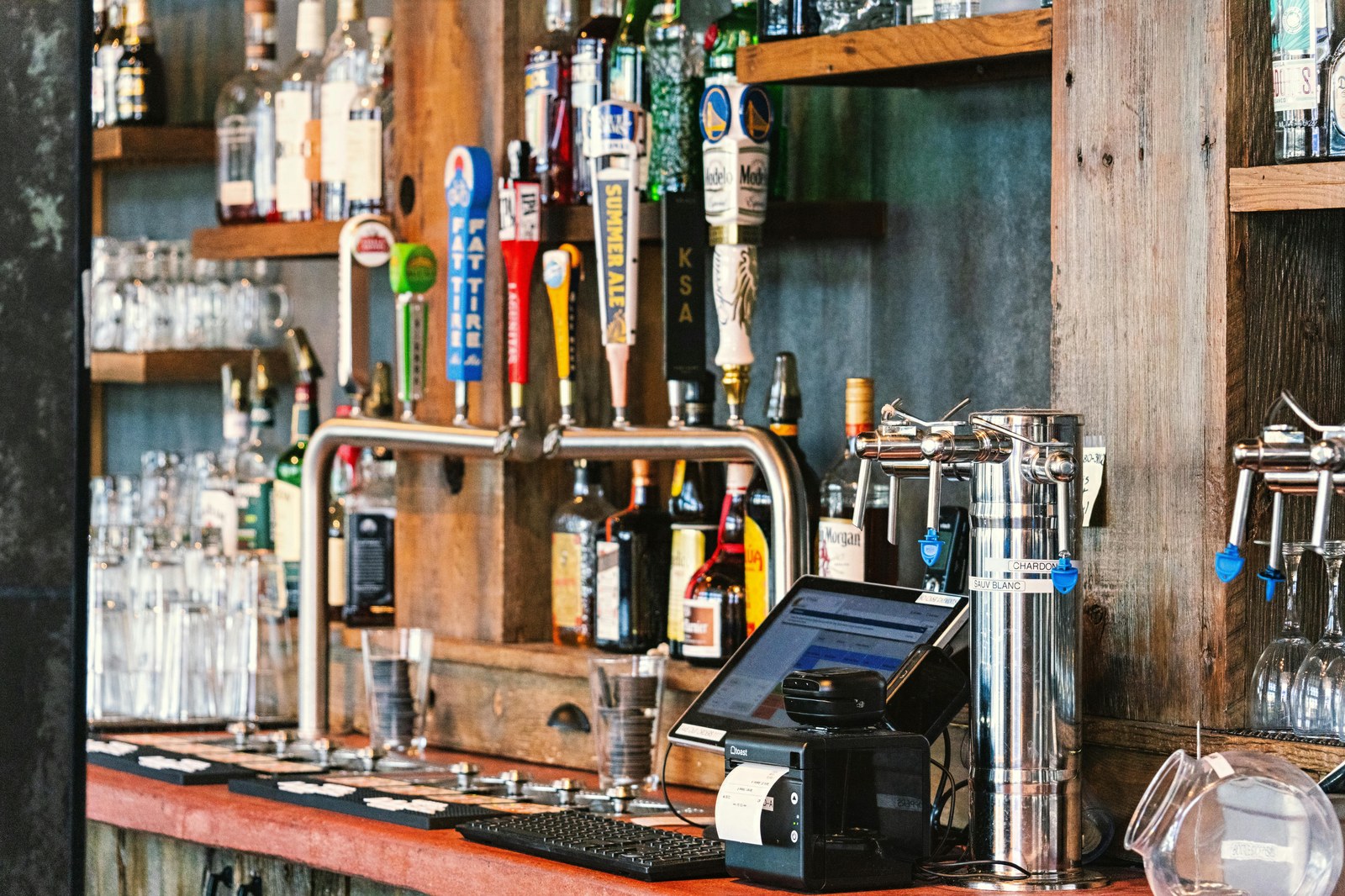
**Third Rail** sits a block off the main corridor and serves a bar menu that is more considered than the room suggests. The kitchen runs a short list — five or six items, rotated every few weeks — and executes them consistently. The craft beer list skews local. The bar food here does not need to be explained to you, which is the highest compliment available in this format.
**Magnolia Brewing Dogpatch**, which houses **Smokestack** in the same industrial building, runs the most complete version of the gastropub formula in the neighborhood. Brewery in back, dining room in front, a smoked meat program that requires a real commitment of equipment and time. The brisket scores in the high eighties. The brewery's flagship IPA is brewed on-site and costs less than nine dollars a pint. That math — a ninety-something on flavor, a full plate under twenty-two dollars, beer that was made in the same building — does not replicate easily.
What the Data Actually Shows
The pattern across Dogpatch bar food is consistency over ambition. The rooms that score well are the rooms that have decided what they are and do not waver. **Yield Wine Bar** has been the same wine bar for twenty years. **Harmonic Brewing** brews the same core beers and serves the same short bar menu. **Smokestack** runs the offset smoker the same way every service. That repetition is not stagnation. It is the condition that produces a high execution score.
The comparison to the rest of the city is instructive. The new American restaurants in Hayes Valley — see new American restaurants Hayes Valley San Francisco — are running a different format: higher price points, more composed plates, a room designed to signal ambition. The Dogpatch version of American food runs the opposite direction. Fewer ingredients. Lower price points. A room that does not ask you to notice it. The algorithm scores both. The Dogpatch rooms hold their value scores better.
The South Indian counters the city built in the Tenderloin — see our coverage of South Indian food in the Tenderloin — follow the same structural logic: a narrow menu, deep repetition, value that does not require justification. Dogpatch bar food is a different cuisine and a different neighborhood, but the scoring pattern rhymes. Specialization produces scores that generalism does not. The data is consistent on this point across every neighborhood we have covered.
Who This Neighborhood Is For
Dogpatch does not need a profile. It does not need a travel piece or a list of the ten places to eat before you die. What it needs is accurate scoring and honest description, because the neighborhood has already done the work. The bar food here is the bar food of a working district that got serious about ingredients without getting precious about format. That is a specific and difficult thing to achieve.
**Plow**, on the breakfast end of the spectrum, runs a morning counter that scores in the upper tier for the neighborhood — eggs and toast built on the same sourcing philosophy as the dinner spots, at prices that make the value math obvious. The seasonal menu rotates with the farms, not with the food press. The line out the door on weekends is not marketing. It is the product of doing the same thing correctly for long enough that word travels without help.
The 3rd Street corridor between 20th and 25th is a short walk from the T-Third platform at 22nd Street. Every room on it is reachable by transit, affordable by city standards, and consistent by the metric that matters most: the regulars come back. The algorithm can see what the regulars already know. The bar food in Dogpatch is not a destination proposition. It is a neighborhood proposition. Those two things score differently, and the neighborhood scores better.
The algorithm noticed Dogpatch before the reservations list did.
The rooms that have decided what they are and do not waver are the rooms the algorithm keeps finding.
We test dishes so you don't have to. No spam — just the best food, neighborhood by neighborhood.