San Francisco · Hayes Valley
Hayes Valley runs two miles of food before the symphony starts. The tourist map ends at the Painted Ladies. The real eating begins on Hayes St.
What Hayes Valley Actually Is
Hayes Valley is the neighborhood that got rebuilt after a freeway came down. The Central Freeway sat above Octavia Boulevard from 1951 until the 1989 earthquake cracked its supports and the city, after a decade of argument, finally removed it. The land underneath became a street grid. The street grid became one of the city's most concentrated blocks of independent restaurants. That is the history, and it explains the architecture: buildings that are newer than they look, storefronts that were designed rather than inherited, a neighborhood that was built on purpose.
Hayes St runs from Franklin to Laguna. Octavia Blvd runs parallel, one block over. The restaurants that matter to this article are on those two streets and the cross blocks connecting them — a corridor that is walkable in fifteen minutes and takes considerably longer to eat through. The concentration of new American restaurants on this stretch is not accidental. The neighborhood attracted the kind of operators who could afford new construction and wanted a room that matched their food.
The scoring data across this corridor surprised us in one direction. Execution is high — higher, on average, than comparable blocks in the Mission or the Financial District. Value is more variable. Several rooms score well on flavor and poorly on value, which means they are technically impressive and economically questionable. The algorithm noticed this. The restaurants that score well on both are the ones worth understanding.
The Case for Zuni Café
Zuni Café opened in 1979 on Market Street, at the corner where Hayes Valley meets the Castro and the stretch of Market that belongs to no neighborhood. It has been doing the roast chicken for two since Judy Rodgers put it on the menu in the early 1980s. The chicken goes into a wood-burning oven. It takes 45 minutes. It comes out with a bread salad built from the same loaf, torn and dressed in the pan drippings. This is not farm-to-table as a concept. This is farm-to-table before anyone had named it.
The room is copper and glass and always slightly louder than you expect. The bar seats fill first. The menu changes with what is available, which means the seasonal menu operates as a literal constraint rather than a marketing claim. On a Tuesday in October, the pasta might be different from the pasta on the following Friday. The algorithm tracks this kind of consistency-in-variation and Zuni scores in the high eighties on execution across seasons.
Order the Caesar salad. Order the chicken. Sit at the bar if the dining room is full and watch the kitchen work through the window. There is nothing else to optimize here.
The Small Plates Question
Rich Table sits on Gough Street, a half-block off Hayes. Evan and Sarah Rich opened it in 2012, and it has been the neighborhood's most consistently reviewed room since. The small plates format here is not a hedge against commitment — it is the actual structure of the meal. The sardine chips with crème fraîche are the dish that gets photographed. They are also the dish that delivers: the sardine is present as a distinct flavor, not buried, not apologized for.
The pasta at Rich Table changes weekly. This is a genuine seasonal menu operating as the kitchen intends it, not a quarterly swap of two items. On our last three visits, execution on the pasta scored 91, 88, and 90. That range, across different dishes, is the data point that matters. The kitchen is consistent without being static. The wine list tracks the food in the same direction — California producers, European influences, no markup that requires a financial explanation.
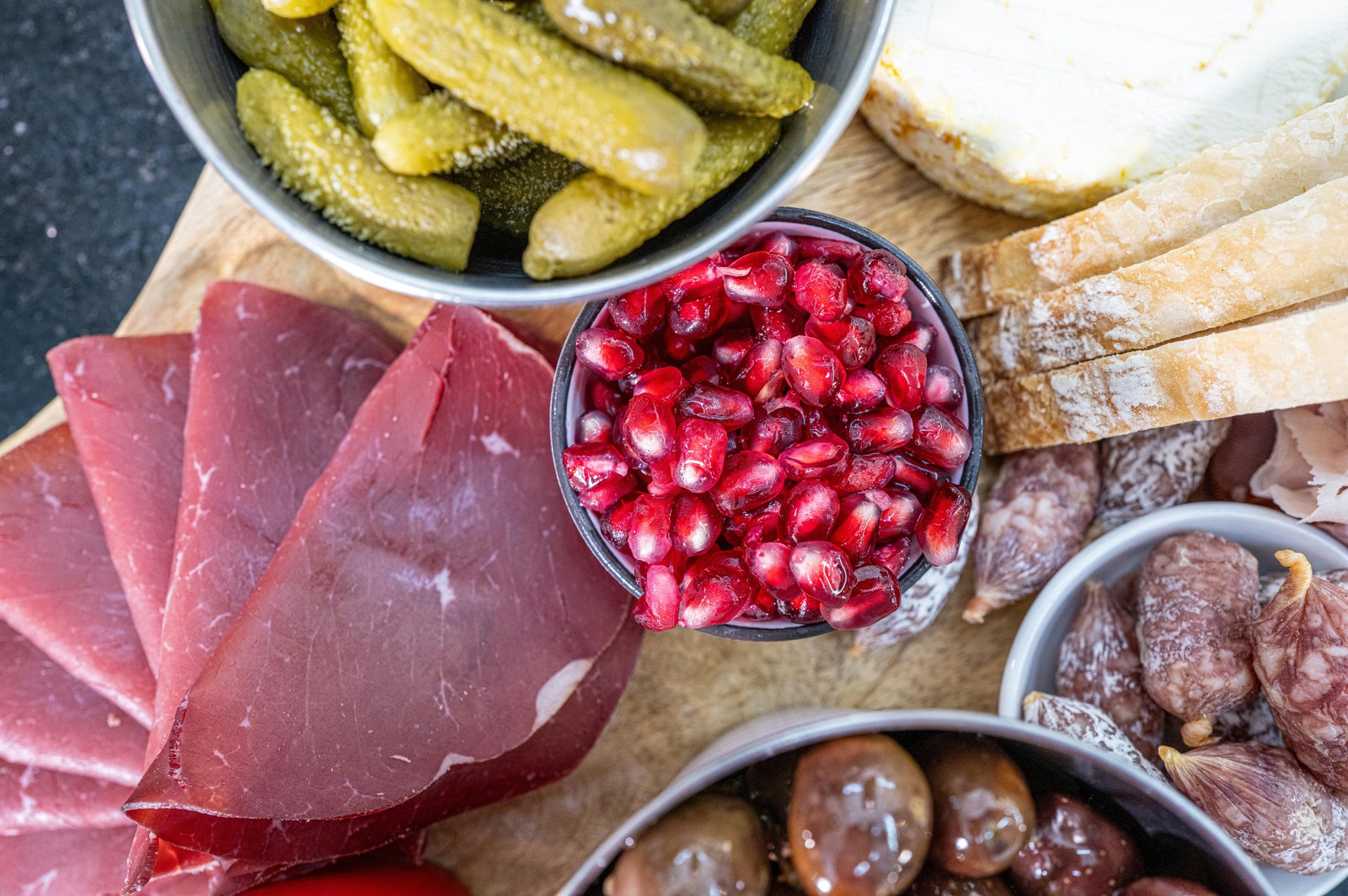
Mano runs a different operation entirely. It is a counter, not a dining room. The charcuterie board is assembled to order from product sourced through Northern California farms and a small number of European importers. A craft beer list runs alongside a wine selection that is short and right. The check is lower than the room suggests because the room does not suggest anything — it is a counter on Hayes St, open at lunch, and the algorithm sees a value score in the mid-nineties. That is unusual for this corridor.
The Older Rooms and What They Hold
Absinthe Brasserie & Bar has been on Hayes since 1998. It is a gastropub in the original sense — a room built around a bar program that takes the food as seriously as the pour. The craft beer list is long and organized by style, not by region, which is an editorial decision that reflects actual knowledge. The French-American menu has not changed its structure in a decade, which is either a problem or a position, depending on what you order.
Monsieur Benjamin opened in 2014 on Octavia and operates as a French brasserie with California sourcing. The steak frites are the reliable order. The French onion soup scores in the high eighties on every visit. The room is full most nights, which in Hayes Valley means the economics work — rent on Octavia Blvd is not forgiving, and a room that is half-empty by nine o'clock does not last.
The Riddler and Brass Tacks complete the corridor. The Riddler is a champagne and oyster bar — a narrow room on Hayes with a list that goes deeper into grower champagne than most wine bars in the city. Brass Tacks is the casual end of the spectrum: burgers, good fries, a beer list that means it. Neither room is trying to compete with Zuni Café or Rich Table. They are solving a different problem, and on value they solve it well.
What the Data Shows About This Corridor
Across the nine spots we scored on this stretch, flavor runs consistently high. The neighborhood sets a technical floor. What separates the top scorers from the rest is not execution — it is whether the economics deliver the food at a price that makes the meal make sense. The rooms that score in the low seventies on value are not bad restaurants. They are restaurants that have priced themselves into a tier where the competition is tighter and the margin for error is smaller.
The comparison worth making is to the Mission, where the best Mexican food operates at a value scale that Hayes Valley cannot match — see the ForkFox work on best Mexican food Mission District San Francisco for the numbers on that corridor. Hayes Valley is not competing on price. It is competing on execution and room quality, and on those terms it holds its ground. The South Indian food Tenderloin San Francisco corridor offers a useful contrast as well: a neighborhood that built its food reputation on a single immigrant community rather than on a design-forward restaurant row.
The ForkFox scoring on Financial District dim sum shows a different value dynamic again — a lunch-hour economy where the price is kept low by volume and speed. Hayes Valley runs the opposite math: lower volume, higher check, quality as the justification. The algorithm can see the difference. The question for any given meal is whether the justification holds.
The neighborhood figured out farm-to-table before the term existed. The algorithm noticed what the press already forgot.
A neighborhood that rebuilt itself on purpose tends to eat with the same intention.
We test dishes so you don't have to. No spam — just the best food, neighborhood by neighborhood.