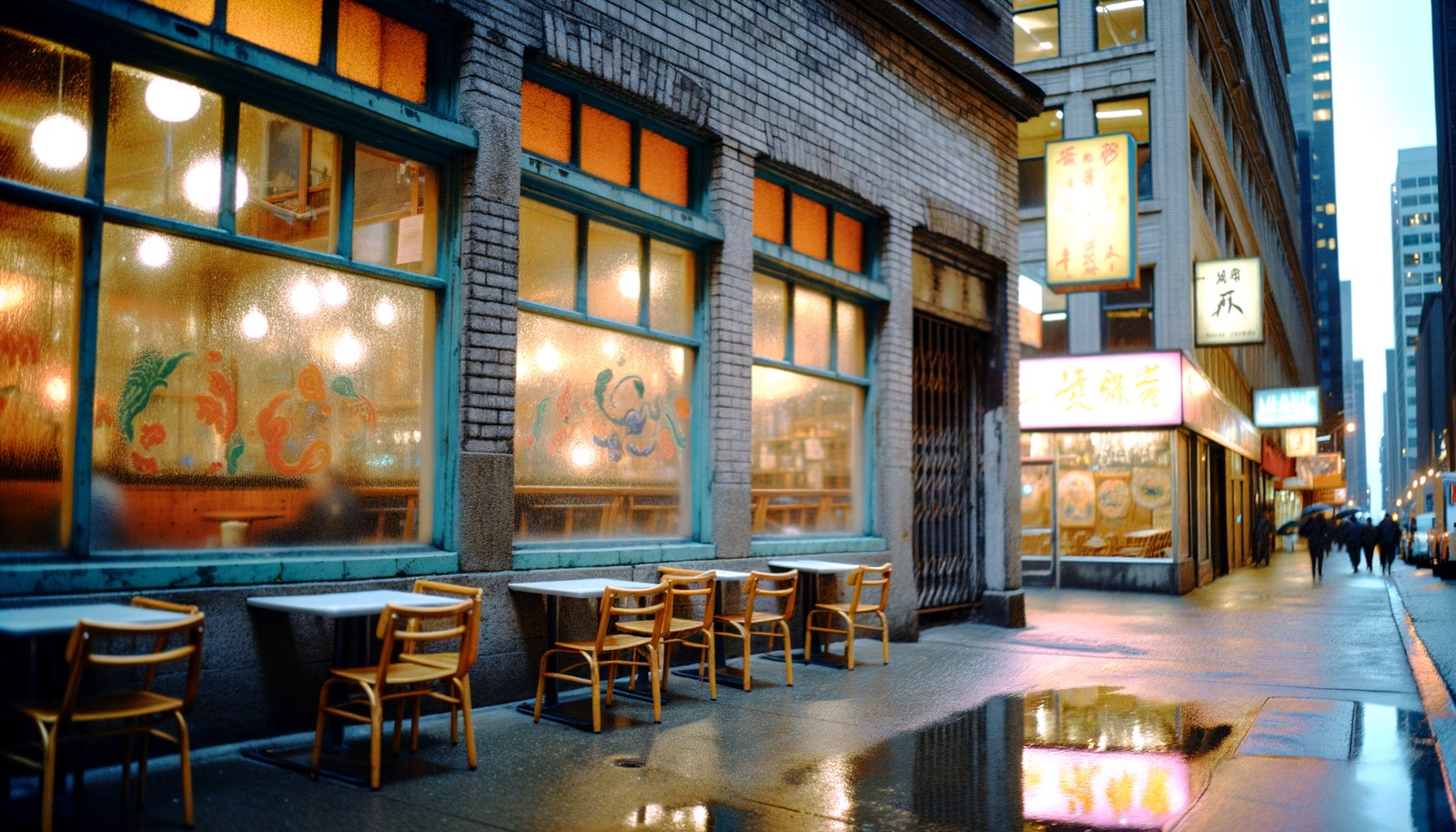
San Francisco · Financial District
The Financial District runs on coffee and power lunches. The dim sum running underneath that story is older, cheaper, and considerably more interesting.
What the Financial District Actually Runs On
Montgomery Street gets the profiles. The Ferry Building gets the weekend foot traffic and the artisan butter and the forty-dollar brunch plates. The Embarcadero gets photographed. None of this is wrong, exactly — it is just the surface layer of a food district that has a deeper story running underneath it, one that starts before the office towers were built and has not stopped since.
Dim sum in the Financial District is not a novelty for tourists who walked over from the Ferry Building. It is a working food system. It has been feeding Chinatown families, city clerks, and traders in the blocks between Kearny and Stockton since the late nineteenth century. The restaurants that do it well are not operating as attractions. They are operating as infrastructure.
The geography matters here. Stevenson Street and the alleys that run parallel to Market on the south side of the district are one layer. The Commercial Street corridor, which cuts from Kearny toward the Embarcadero, is another. Chinatown starts at Columbus and Broadway and has no clean edge — it bleeds south and east into what the city officially calls the Financial District, and the dim sum bleeds with it. A ten-minute walk from the base of the Transamerica Pyramid will get you into rooms that have no Yelp presence worth discussing and no queue of people staring at their phones.
Cart Service as a Civic Institution
Cart dim sum is a different proposition from order-sheet dim sum. The cart system requires a room big enough to move in, a kitchen fast enough to keep the carts loaded, and a staff that has memorized the choreography. Very few rooms in San Francisco still run it correctly. Two of them are within reasonable walking distance of Montgomery Street.
Gold Mountain on Broadway runs the largest cart operation left in the city. The room holds a few hundred people on weekend mornings. The har gow come in steamer baskets that are stacked on the cart six high. The siu mai has pork and shrimp and is finished with a dot of orange roe that is not decorative — it is a flavor component. The lo mai gai, sticky rice in lotus leaf, is the item that separates a serious dim sum room from a performed one. Gold Mountain's version is dense and properly seasoned and arrives hot. The turnip cake, pan-fried until the exterior is hard and the interior is soft, scores in the high eighties in our data. The value scores are higher.
City View Restaurant on Commercial Street is the other anchor. The room is smaller, the crowd at lunch on a weekday is a specific cross-section of the city — city workers, attorneys from the nearby courthouses, older Cantonese families who have been coming since the 1980s — and the cart service is more compressed, which means the food moves faster and arrives hotter. The cheung fun here, rice noodle rolls filled with shrimp or beef, is the dish to anchor your order around. The egg tart comes out of the kitchen in a visible rhythm; you can watch the sheet pans through the window that faces the kitchen and time your order accordingly.
Hang Ah and the Logic of Staying Put
Hang Ah Tea Room has been on Pagoda Place — one of the short alleys that runs off Sacramento Street in Chinatown's southern grid — since 1920. The building is the same. The format is the same. The siu mai is the same in all the ways that matter: pork, a little fat, a wrapper that holds its shape. The room seats maybe forty people. On weekend mornings there is a line that extends onto the alley and folds back toward Sacramento Street.
A restaurant that has been doing the same thing for over a hundred years is not a museum piece. It is proof that the thing works. Hang Ah's survival through every cycle of San Francisco real estate pressure — the redevelopment of the 1960s, the dot-com displacement of the late 1990s, the tech money of the 2010s — is a structural fact about the neighborhood, not a feel-good story. The economics work because the food is right, the rent is controlled by a building that predates the argument, and the regulars do not leave as long as the siu mai stays consistent.
The broader Chinatown-to-Financial-District corridor has the same logic operating at scale. Lai Hong Lounge on Kearny runs a focused dim sum operation that attracts a lunch crowd that has no interest in the Ferry Building price point. Great Eastern Restaurant on Jackson Street, which is technically Chinatown but walks to the Financial District in seven minutes, has the char siu bao — both baked and steamed — that the cart rooms use as a benchmark. These are not rooms that need a profile. They are rooms that need to be on your list before you walk south on Montgomery thinking the food story starts at the Ferry Building.
Yank Sing and the Case for the Premium Room
Yank Sing on Stevenson Street is the Financial District's premium dim sum room, and it is worth being precise about what that means. The ingredient sourcing is different. The XO sauce on the cheung fun is made in-house. The har gow skins are thinner than anything you will find in a cart room, and the shrimp filling is larger and cleaner. The room is designed to hold a corporate lunch. All of this is real.
What is also real is that Yank Sing's scores in our data are high on execution and lower on value than any other room in the corridor. The algorithm noticed the gap. A $95 dim sum lunch for two is a different proposition than a $38 dim sum lunch for two, and the question is whether the execution differential justifies the price differential. For most orders, on most days, the answer is not obvious. The char siu bao at Yank Sing is better than the char siu bao at Gold Mountain. It is not more than twice as good, which is what the price requires.
The honest answer is that both rooms belong in a complete picture of dim sum in the Financial District. Yank Sing is the room for a client lunch or a special occasion where the bill does not matter. The cart rooms and Hang Ah are the rooms for understanding what dim sum actually is as a daily food practice. The city has tried to consolidate its food reputation around the premium end for twenty years. Palette Tea House in the Richmond and Dragon Beaux in the Outer Richmond represent the modernist extension of that premium logic, with har gow in natural colors and plating that reads as fine dining. They are worth knowing. They are not the story of dim sum in the Financial District. The story of dim sum in the Financial District is older and considerably less expensive.
How This Fits the City's Food Geography
San Francisco's food geography is a set of overlapping corridors, each with its own logic. The Mission runs Mexican at a depth that the tourist circuit only skims — the best Mexican food Mission District San Francisco has to offer is on blocks that don't appear in the food magazine features. The Tenderloin has the South Indian food Tenderloin San Francisco built over decades of Gujarati and Tamil settlement on 6th Street and Larkin. The Financial District has this: a dim sum corridor that runs from the base of Chinatown through Commercial Street to the alleys off Market, operating at multiple price points, multiple decades of history, and a consistent level of execution that the Michelin model has no framework for evaluating.
The Ferry Building is the postcard. The cart at Gold Mountain arriving at your table loaded with har gow and lo mai gai at 10:45 on a Tuesday morning is the city. Both exist. One of them has been here longer, feeds more people, and charges less. The algorithm can see what the brunch profile misses: the Financial District's real food story does not start when the offices open. It started in 1920 on Pagoda Place and has not stopped.
The practical note is this. The dim sum corridor in the Financial District and adjacent Chinatown is accessible on foot from the Embarcadero BART station, from the base of Market Street, and from the bottom of Montgomery Street. The rooms are open by 10 a.m. on weekdays and by 9 a.m. on weekends. The carts at Gold Mountain start moving at 10:30. City View's egg tarts come out of the oven in the first hour of service. Hang Ah fills up by 10 a.m. on Saturdays. The information you need is a starting time, not a reservation.
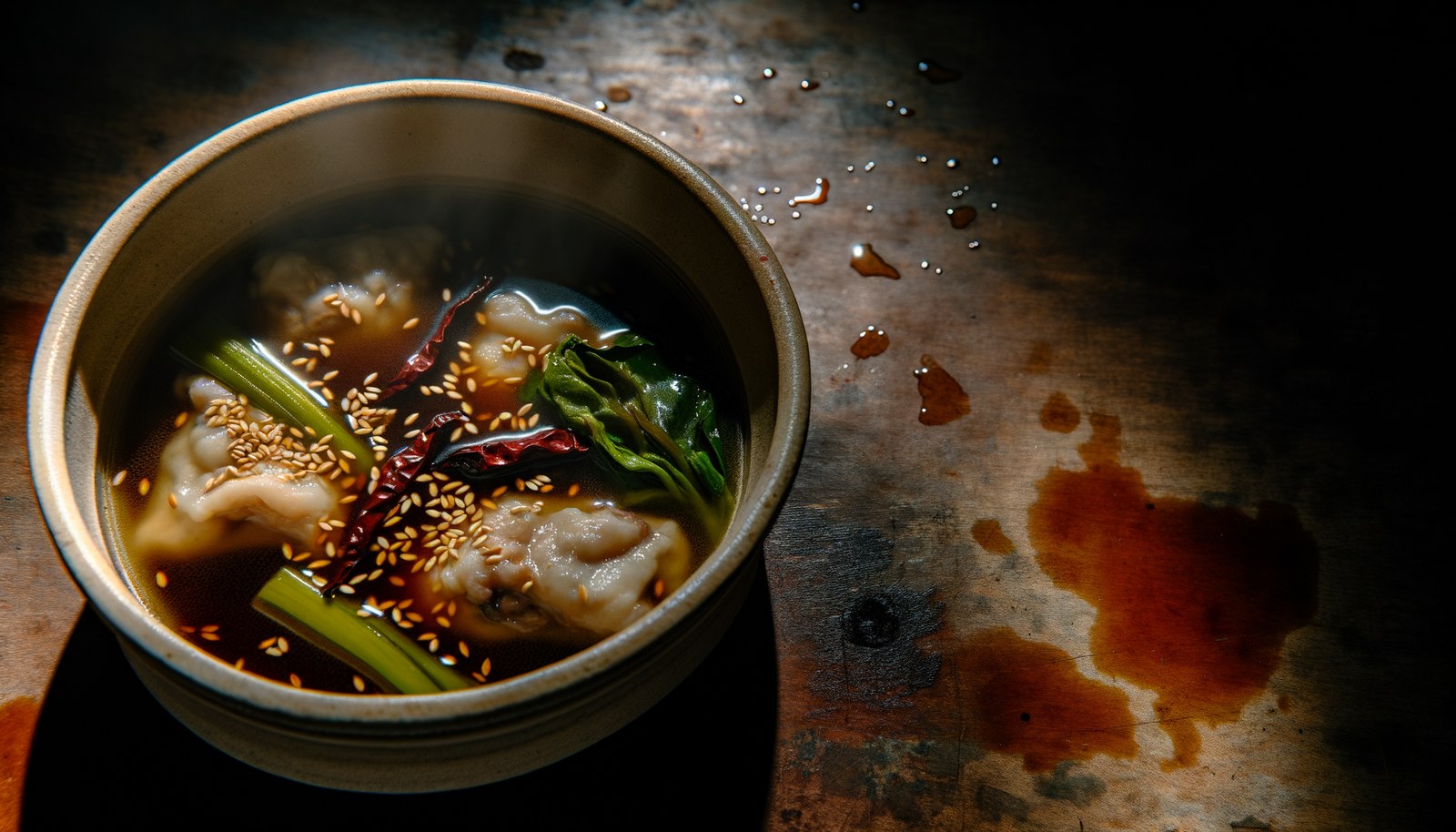
The algorithm noticed something the guides missed: the highest scores in the district are on streets that don't appear in any hotel concierge binder.
A food corridor is not defined by its most expensive room — it is defined by its oldest one, and what that room has refused to change.
We test dishes so you don't have to. No spam — just the best food, neighborhood by neighborhood.