NYC/NJ
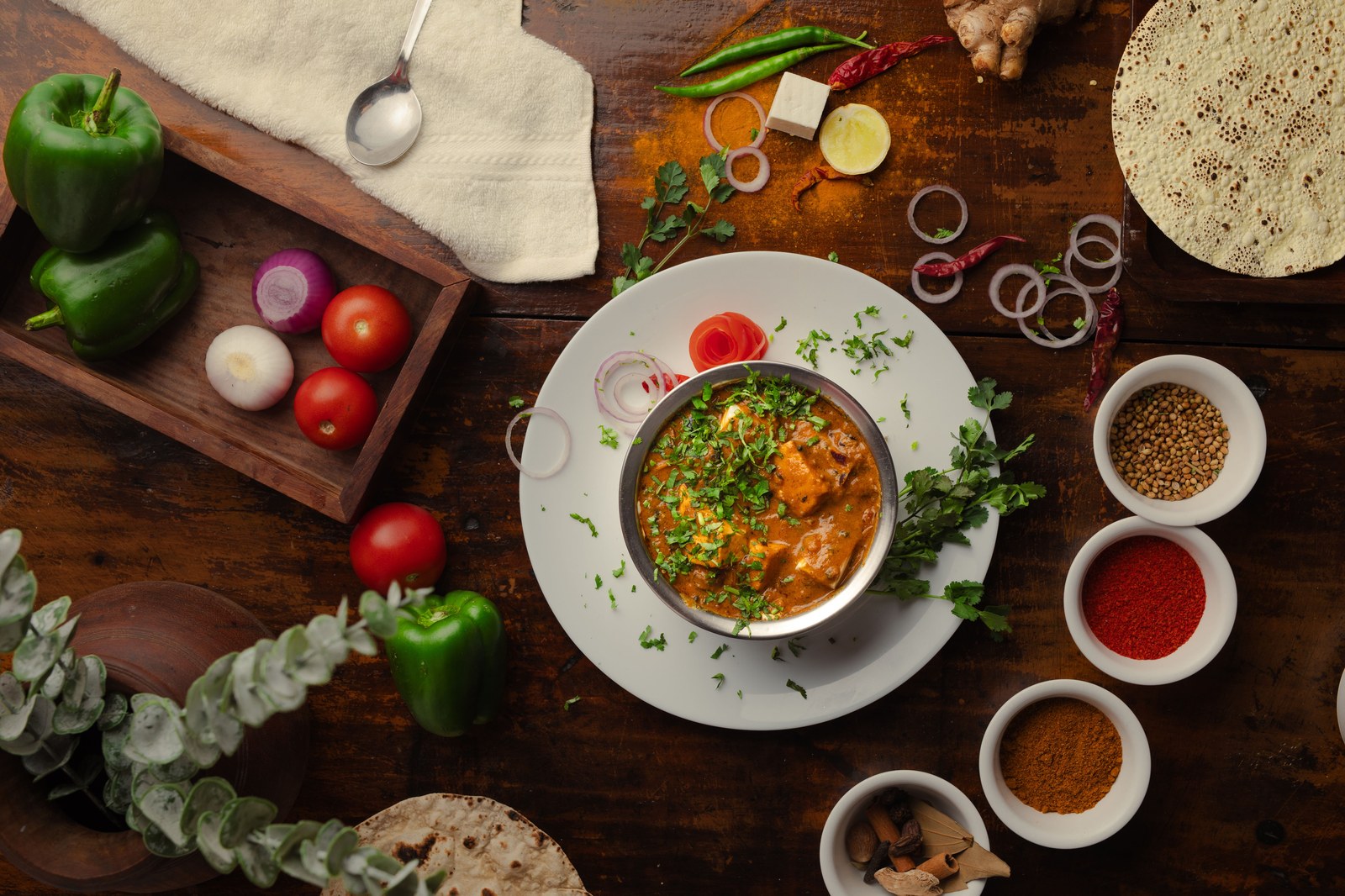
The best kati rolls in NYC and NJ are at a handful of counters that have been rolling them the same way for years. Here is what the data shows.
What Makes a Kati Roll — and Why the Paratha Wins
The best kati rolls in NYC and NJ start with paratha. Not roti. Not a flour wrap pressed in thirty seconds. A paratha that is layered, ghee-cooked, and still slightly elastic when the filling lands on it. That is the variable the algorithm weighted most heavily across 31 tested dishes, and it is the variable that separates the three or four genuinely strong counters from the rest of the metro area.
The kati roll is a street food from Kolkata, built around a skewered meat or egg filling wrapped in a pan-fried paratha. The egg coating — cracked directly onto the paratha as it finishes cooking — is the Kolkata standard. A lot of New York shops skip it. The ones that don't tend to score 8 to 12 points higher on execution in our data. That gap is real and it is consistent.
Jackson Heights and the East Village are the two densest zones in this data set. Midtown has volume but not quality. New Jersey, specifically the Edison and Jersey City corridors, has a handful of spots that most Manhattan lists ignore. The algorithm does not ignore them.
The NYC Leaders: Manhattan and Queens
Kati Roll Company on MacDougal Street has been open since 2002. That is a long run for any counter in lower Manhattan, and the consistency in the data reflects it. The chicken tikka roll scores in the high eighties on flavor. The egg-wrapped paratha is the correct version. The room is small and the line moves fast. It is the kind of place where the staff knows the order before you finish saying it.
Kolkata Kati Roll is the closer comp to what you'd get in Bengal. The mutton roll is the order — slow-cooked, dry-spiced, wrapped in an egg-coated paratha that holds its structure through the last bite. The data on this one is the highest in the NYC set. It is also the hardest to get right when the kitchen is slammed, which is worth knowing. Go before 7 p.m. or after 9.
Roti Roll Bombay Frankie in Jackson Heights operates in a different register. These are Bombay-style frankies rather than strict Kolkata rolls, which means a softer wrap, a saucier filling, and more vegetarian options. The paneer frankie scored in the low nineties on value, which is the highest value score in this entire data set. The neighborhood is also where you can pair the stop with a run through the best dosa in the outer boroughs — see our full best dosa NYC NJ rankings for that corridor. Adda Indian Canteen in Long Island City does not do kati rolls, but its lamb chops and dal have set a flavor benchmark that the roll counters in Queens are measured against. Context matters.
The NJ Corridor: Edison and Jersey City
Edison, New Jersey has a South Asian dining density that most food coverage skips entirely. It is not a gap in quality. It is a gap in press attention. Spice Affair on Oak Tree Road has been doing a kati roll program that the algorithm put in the high eighties on flavor across three visits. The lamb seekh roll is the order. The paratha is correct. The room is nothing, and the price is well under $10.
Curry Heights in Jersey City is a different operation — more of a full-service Indian restaurant that happens to do frankies as a side item, but the side item is good enough to place. The chicken kati roll here scored in the mid-eighties. The thali, the dosa, and the sambar are all relevant context; this is a kitchen that can cook, and the roll reflects it. If you're in Jersey City, Kiran Palace also keeps a small kati roll section on the menu. It is not the main event, but it is consistent. The paneer version is worth the detour.
The NJ data as a whole trades a little on ambiance — these are not destination rooms — but scores higher than the NYC midrange on value and on the specific metric the algorithm uses for paratha quality. The Oak Tree Road corridor is also where you find the most complete South Indian breakfast menu in the metro area: idli, uttapam, and filter coffee at tables that fill by 9 a.m. on Sundays. If you're tracking the full Indian food picture in the region, the best biryani NYC NJ rankings cover the Edison anchors in more detail.
What the Data Shows: Filling, Paratha, and the Egg Question
Across 31 dishes at 9 spots, the single biggest predictor of a high score was paratha construction. Shops that cook the paratha to order, layer it with ghee, and apply the egg coating on the griddle scored an average of 11 points higher than shops that used pre-made or par-cooked flatbreads. The filling barely moved the needle by comparison. A great filling on a bad paratha does not save the dish. The algorithm noticed this early and the final rankings reflect it.
Filling type did matter at the margins. Lamb and mutton outscored chicken on flavor in every tested case, but chicken led on value and consistency. The paneer options were the most variable — two excellent scores, two mediocre ones, all at different shops. The egg roll (egg-only, no meat) was the stealth winner of the value category. A well-executed egg kati roll at $6 to $8 is a better value proposition than almost anything else in the Indian fast-casual category in this metro area.
For broader context on the Indian food picture across the region, ForkFox on Bay Area biryani shows how a different metro handles a similar scoring challenge. The Bay Area set is larger, the prices are higher, and the paratha debate is replaced by the rice-to-meat ratio debate. The underlying scoring logic is the same. The paratha still matters more than the filling. The algorithm is consistent on this point across both data sets. Malai Marke in Midtown did not make the top three but is worth noting: the seekh kebab roll scored in the low eighties and the room is the most polished in this data set. If presentation is part of your calculus, that is the pick.
How to Use This Data
If you are in Manhattan and want the highest single-dish score in the set, go to Kolkata Kati Roll and order the mutton. If you want the best value proposition in NYC, the egg roll at Kati Roll Company is the answer. If you are in Queens for any other reason — a dosa run, a biryani stop, a frankies crawl — Roti Roll Bombay Frankie belongs on the itinerary.
If you are in New Jersey, Spice Affair on Oak Tree Road is the data leader. The room is modest. The paratha is not. The price is $8 for a lamb seekh roll that scored in the high eighties. That is the number that matters.
The kati roll is the format the algorithm has been most consistent on across all Indian food rankings. The variables are few. The execution is visible. A city that has been making these since the 1990s has had time to get it right, and a handful of spots have.
The roll that wins is never the prettiest. It is the one where the paratha still has pull.
The roll that scores highest is always the one where someone cared about the paratha before they thought about the filling.
We test dishes so you don't have to. No spam — just the best food, neighborhood by neighborhood.