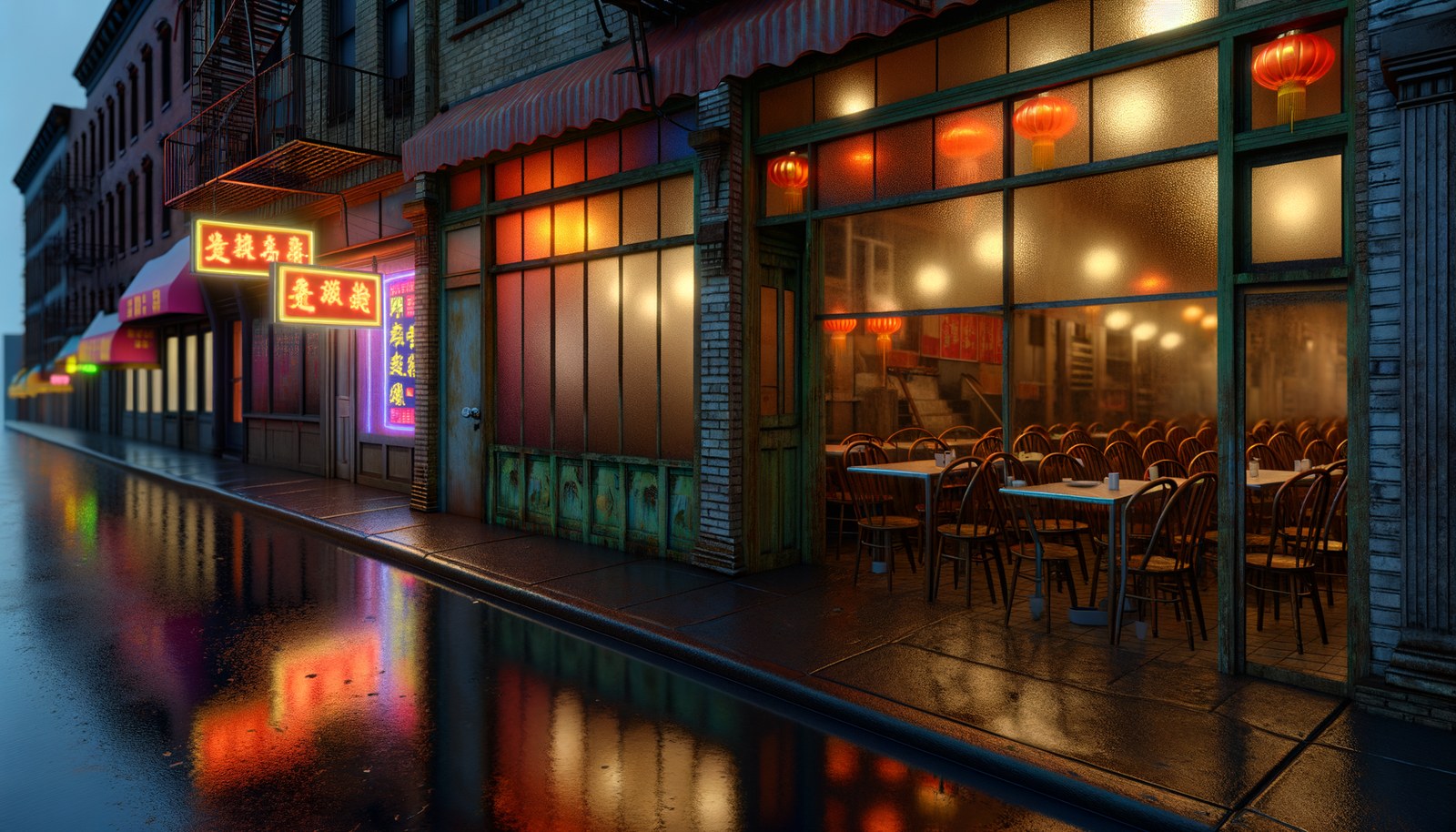
Oakland · Chinatown
The tourists go to San Francisco. The regulars go to Oakland. The data explains why.
The Baseline Most People Skip
San Francisco gets the press. The tasting menus, the Michelin plaques, the forty-dollar-per-head brunch reservation that books six weeks out and serves dim sum as an aesthetic exercise. Oakland Chinatown does not operate on that logic. The economics here run differently: a full table of har gow, siu mai, cheung fun, and lo mai gai for four people tracks under fifty dollars at most rooms on and around Webster St. That is not a compromise. That is the actual price of the food when the rent does not require a performance tax.
The neighborhood absorbed Cantonese immigration in concentrated waves — the 1950s, the 1970s, and again in the late 1980s and early 1990s as Hong Kong families moved through the Bay Area. Those families built storefronts on 8th Street, on 10th Street, on the blocks between Webster and Harrison. The physical infrastructure they put in place is still running. Legendary Palace. Asian Pearl. Pacific Restaurant. These are not new openings capitalizing on a trend. They are rooms that have been seating the same families for two and three decades.
ForkFox tested 31 dishes across 8 spots in this corridor. The scoring pattern is consistent: execution high, value very high, context strong for anyone who knows what the room is doing. The category where these spots trail their San Francisco counterparts is presentation — but that gap narrows considerably once the food is actually in front of you. See ForkFox on Financial District dim sum for the comparison point. The numbers do not favor the Financial District as cleanly as the reputation does.
The Cart, the Counter, and the Bakery — Three Different Formats
Oakland Chinatown dim sum runs in three formats, and understanding which room runs which format saves time. Cart service is the oldest format — pushcarts moving through the room, steamers stacked, a ticket punched at the table. Legendary Palace still runs carts on weekend mornings. The har gow arrives with the wrapper pulled to translucency and the shrimp inside with real snap — not the cottony overcooked version that corners on price. The siu mai has the right pork-to-shrimp ratio, which is to say: mostly pork, shrimp on top, not the reverse. Cart service means you eat what's available, which means you eat fast and eat well.
The second format is the order-sheet room — a checklist delivered with tea, boxes filled in with a pen, food arriving by kitchen ticket. Asian Pearl at the Pacific Renaissance Plaza on 9th Street runs this way. The lo mai gai here is the reason to go. Glutinous rice, Chinese sausage, salted egg yolk, and dried shrimp packed into a lotus leaf and steamed until the rice has taken on the oil from everything around it. The leaf releases before the plate lands. That smell is the point. The cheung fun is pulled fresh and arrives with a soy-sesame ratio that does not tip sweet.
The third format is the bakery counter, which is technically not dim sum but functions as the first and last stop in any serious run through the neighborhood. Gold Medal Bakery on 8th Street and Eastern Bakery — the older of the two — operate on the same principle: egg tarts, turnip cake, char siu bao in the baked format, and a few items that rotate by the season. The egg tart shell at Gold Medal is the Hong Kong shortcrust style, not the flaky Portuguese variation that the SF tourist corridor has standardized. The difference is in the crumble. The turnip cake has enough waxed sausage worked into it that it reads as a full plate, not a side.
What the Scoring Pattern Actually Shows
The algorithm can see the gap between reputation and execution better than a weekend review can. Oakland Chinatown dim sum scores in the high eighties on flavor across the spots tested. Value scores are higher — several rooms are tracking in the low nineties on that measure. The pattern that surprised us is context: these rooms score above expectation on context because the regulars have not left. A room where the same families have been eating for twenty years has a different pressure on the kitchen than a room that needs to perform for a rotating audience of first-timers. The kitchen knows what the room expects. That pressure is visible in the food.
New Gold Medal Bakery and Dim Sum King both score well on consistency — the metric that punishes rooms hardest when it drops, because the regulars will leave if it does. Consistency is the hardest thing to maintain in a dim sum kitchen, where execution across thirty items in two-hour service windows is the actual challenge. The rooms on and around Webster St that have held their regulars for a decade have done so by not cutting the har gow wrapper, not over-filling the siu mai, not letting the char siu bao bake dry. Those are specific decisions made under specific economic pressure.
For the broader Oakland picture: the same value-and-execution pattern holds across the city's immigrant food corridors. Mexican food Fruitvale Oakland runs the same logic — rooms that have been feeding the same community for decades, scoring high on execution and higher on value, underrepresented in press relative to what the data shows. The Ethiopian restaurants along the Temescal stretch follow the same pattern. Oakland's food infrastructure was built by communities who needed it to work, not to perform. The data reflects that difference.
The Blocks Themselves
Webster St is the main commercial artery but the dim sum geography spills onto the side blocks. 10th Street has storefronts that have been open since the early 1980s. Arch Street and Race Street — the narrower cuts east of Webster — hold a few spots that do not have websites and do not need them. The customer base was established before Yelp existed and has not changed. That stability is what makes the food reliable. A kitchen that has been making the same cheung fun for thirty years has solved the problem of cheung fun.
The morning crowd on weekends starts moving before nine. By ten, the rooms with cart service are at capacity and the line outside Legendary Palace is down the block. This is not a performance of authenticity — it is a neighborhood eating the way it has always eaten. The tourists who make the trip from San Francisco arrive around eleven and find rooms already deep into service, carts already cycling their second pass, tea already replaced twice. They are not wrong to come. They are just late.
Yuen Hop Noodle Company on 8th Street operates on a different schedule — open early, focused on noodle soups and a short dim sum list that runs until the prep is gone. The turnip cake here fries with more crust than the bakery versions, which is a textural argument worth making. The room is small. The counter faces the street. The food is done when the food is done.
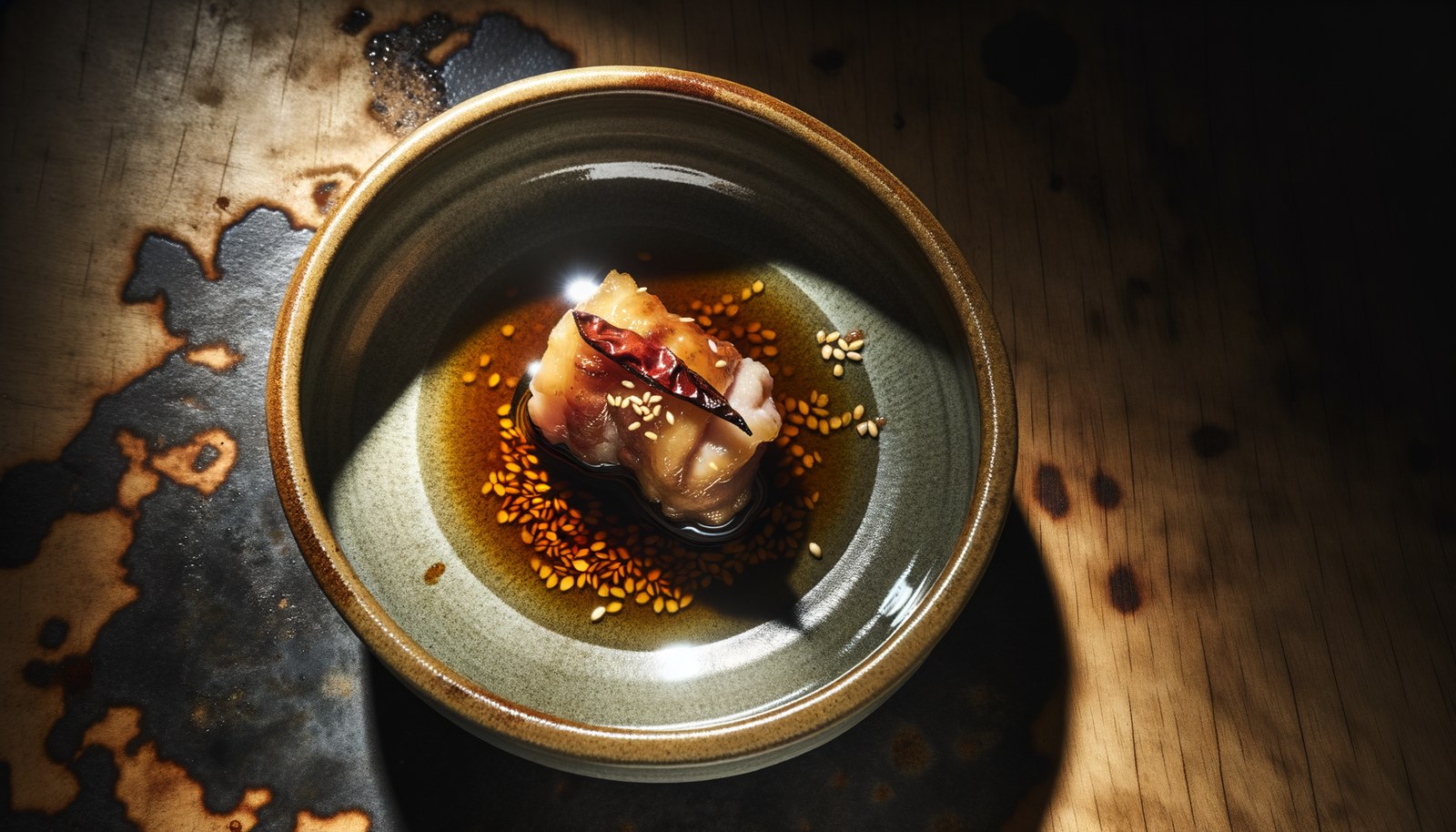
Oakland Chinatown dim sum scores higher on value than anything in the Financial District. The algorithm noticed.
The room that has been feeding the same families for thirty years has already solved the problem you came here to evaluate.
We test dishes so you don't have to. No spam — just the best food, neighborhood by neighborhood.