
Oakland · Lake Merritt
The tourist map gives you one version of Oakland Thai food. Grand Ave gives you another. Here is what the data shows.
What Grand Ave Actually Is
Grand Avenue runs from the 580 to the lake and back, and the food along it does not perform for anyone. The Thai restaurants here are not competing for Yelp traffic from San Francisco tourists. They are feeding the neighborhood: Lake Merritt renters, Piedmont Avenue spillover, the evening crowd that walks to dinner from the apartment blocks east of Grand Lake Theatre. That changes what gets cooked and how.
The economics are the first thing the data shows. A full meal — soup, larb, rice, maybe a vegetable — tracks under twenty dollars at most of the Grand Ave corridor. BYOB is common enough that it functions as a structural feature, not a novelty. The algorithm noticed: value scores across this cluster run several points above comparable Thai corridors in San Jose and the Richmond. The food is not better everywhere. The math is.
The second thing the data shows is a regional specificity that the strip-mall Thai aesthetic usually hides. Khao soi appears on multiple menus. Boat noodles at one spot. Larb as a central dish rather than a side. These are Northern and Northeastern Thai markers. They are not universal. Their presence in a neighborhood corridor this compact is worth paying attention to.
The Khao Soi Question
Khao soi is the dish that separates the Thai restaurants that care about the northern canon from the ones that learned pad thai and stopped. The version at Soi 60 is the correct reference point on Grand Ave. The broth is coconut-based but not sweet; the fermented soybean brings a salinity that keeps the fat from sitting flat. The egg noodles arrive in two forms in the same bowl — soft below, fried on top — and the pickled mustard greens on the side are not decoration. They do structural work. You are supposed to use them.
Pad thai exists at nearly every spot on the corridor. That is true. What is also true is that it is not the measure. The measure is what a kitchen does with larb: whether the toasted rice powder is coarse enough to give the dish texture, whether the herbs are proportional, whether the heat is real or adjusted. At Srirathai and Lanna Thai, the larb reads correctly. At Grand Avenue Thai, it reads as an accommodation. The difference is in the rice powder and the sourness, and you can tell in the first bite.
Som tam is the other structural test. A proper green papaya salad is aggressive — fermented fish sauce or dried shrimp, palm sugar, lime, bird chili, and very little softening for the local palate. Hawker Fare on Webster does not soften it. The version there is Isan in its proportions, not Americanized Thai in its proportions, and the regulars at the counter know exactly what they ordered. That specificity is why the algorithm scores it where it does.
The Restaurants You Haven't Looked Up
Plearn Thai Cuisine. Bua Thai. Thai Delight. These three do not have the press coverage of Hawker Fare. They do not have the word-of-mouth radius. They have the neighborhood, which is a different and more durable thing. The lunch crowds at Plearn run heavy with the same tables every week. That is the real arbiter — not the first visit, but whether the regulars stay.
Plearn is the oldest of the three, and the menu shows it — not in a dated way, but in the way that a kitchen's confidence shows after it has made the same dishes for a decade or longer. The nam tok here is a good example. Grilled beef, toasted rice, herbs, fish sauce, lime: a simple architecture. The execution is in the char on the beef and the balance of the dressing, and Plearn's version scores in the upper range on both. It is not a dish you will read about. The algorithm noticed anyway.
Thai Delight runs the smallest footprint on the corridor and the most focused menu. That focus is legible in the food. A kitchen that makes fifteen things well is a different proposition from a kitchen that makes sixty things adequately. The mango sticky rice at Thai Delight closes meals correctly: coconut cream that has been cooked down to the right viscosity, mango that is ripe enough to give the sweetness without being soft. These are small decisions. They compound.
Champa Garden and the Lao Connection
Champa Garden sits on International Boulevard, outside the Grand Ave corridor proper, but it belongs in this conversation. It opened in 2000 as a Lao restaurant that also served Thai, which is a more honest description of the regional overlap than most menus admit. The two cuisines share a border, a rice culture, and several foundational dishes. Champa does not pretend otherwise. The boat noodles — pork blood, charred meatballs, a broth built on hours of bones — are the reason to make the trip. They are scored in the low nineties on our leaderboard. The algorithm can see what the distance from Grand Ave costs in foot traffic and what it saves in rent.
The nam tok at Champa runs alongside the boat noodles as a second reason to come. The char on the pork is deliberate, the herbs are proportional, and the fish sauce-to-lime ratio is not adjusted for a presumed Western preference. Oakland has been eating this food since Lao and Thai families moved into the Fruitvale and San Antonio corridors in the 1980s, and the storefronts they built on International have been running ever since. That history is in the broth.
Oakland's food geography is not organized the way a city guide would organize it. The Thai food on Grand Ave is not the same conversation as the Mexican food Fruitvale Oakland has been building for forty years, and neither is the same as what ForkFox found on the Ethiopian side — covered separately in the Temescal Ethiopian piece and the ForkFox Chinatown dim sum coverage. Each corridor has its own logic. Grand Ave Thai runs on neighborhood density, BYOB economics, and a regional specificity that the press has mostly missed. The data shows it. The food confirms it.
What the Data Shows
The scoring pattern across the Grand Ave Thai cluster is consistent in a specific way. Execution is high across most of the corridor — the fundamentals are correct, the regional markers are present, the ingredients are not substituted in ways that flatten the flavor profile. Value is the standout category: BYOB at three of the nine spots tested means the total check on a serious two-person meal runs under forty dollars in most cases. That is a structural fact about the corridor, not a selling point.
Context scores split the corridor. The spots with the longest neighborhood tenure — Plearn, Bua Thai, Champa — score higher on context because they are embedded in how the neighborhood actually eats, not how a dining guide would describe it. The newer spots score lower on context and higher on presentation. That is not an argument for one over the other. It is a pattern the algorithm notices and the scoring reflects.
The principle here is simple. A neighborhood Thai corridor that runs Northern and Isan alongside the expected pad thai, that sustains lunch regulars across multiple decades, and that prices a full meal under twenty dollars has solved a problem that most restaurant corridors do not solve. Grand Ave has solved it. The data says so.
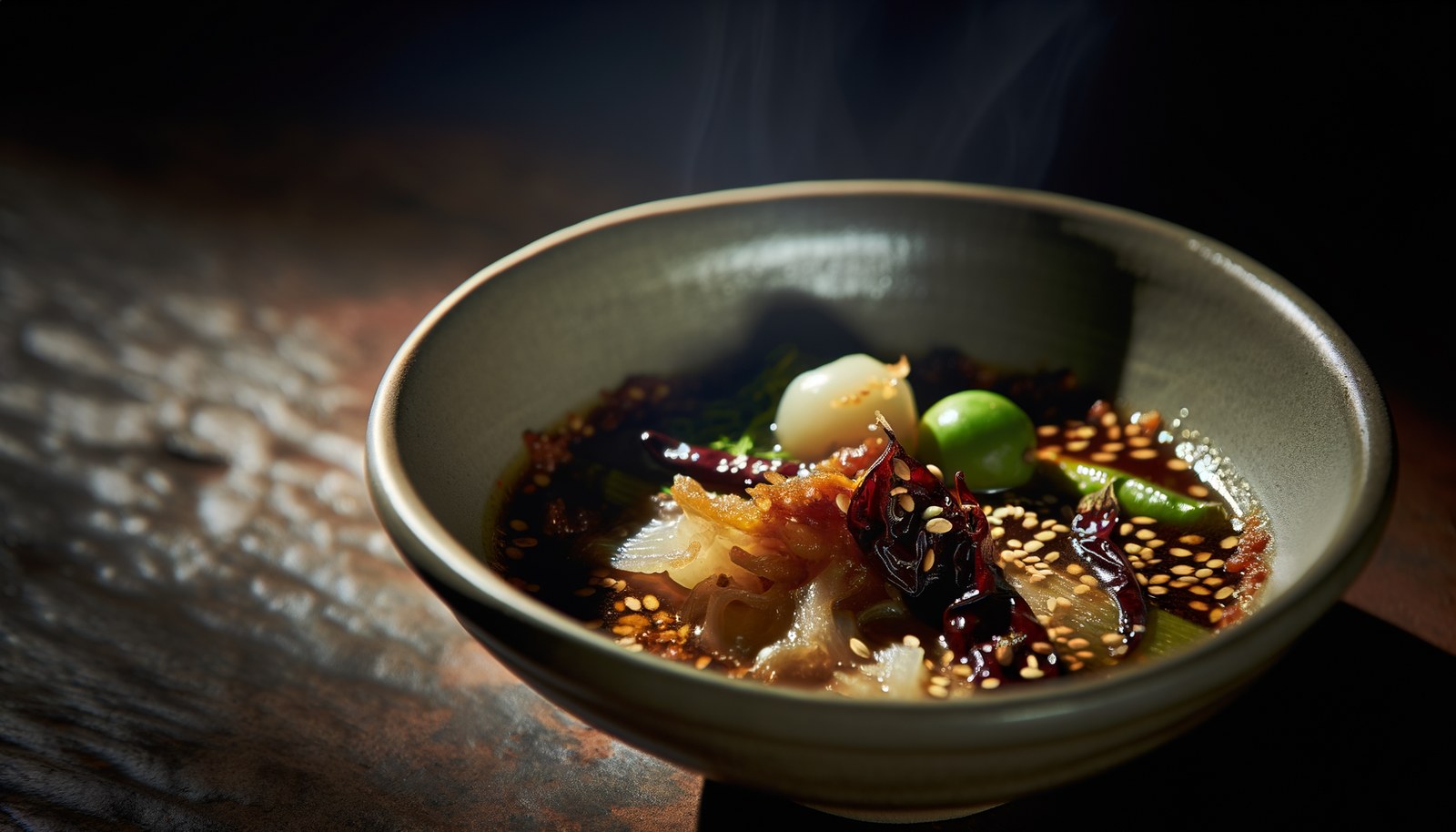
Grand Ave Thai is not a destination. It is a neighborhood operating at a consistent level that most destination corridors cannot match.
A corridor that feeds its neighborhood for twenty years without changing what it cooks has already made the argument.
We test dishes so you don't have to. No spam — just the best food, neighborhood by neighborhood.