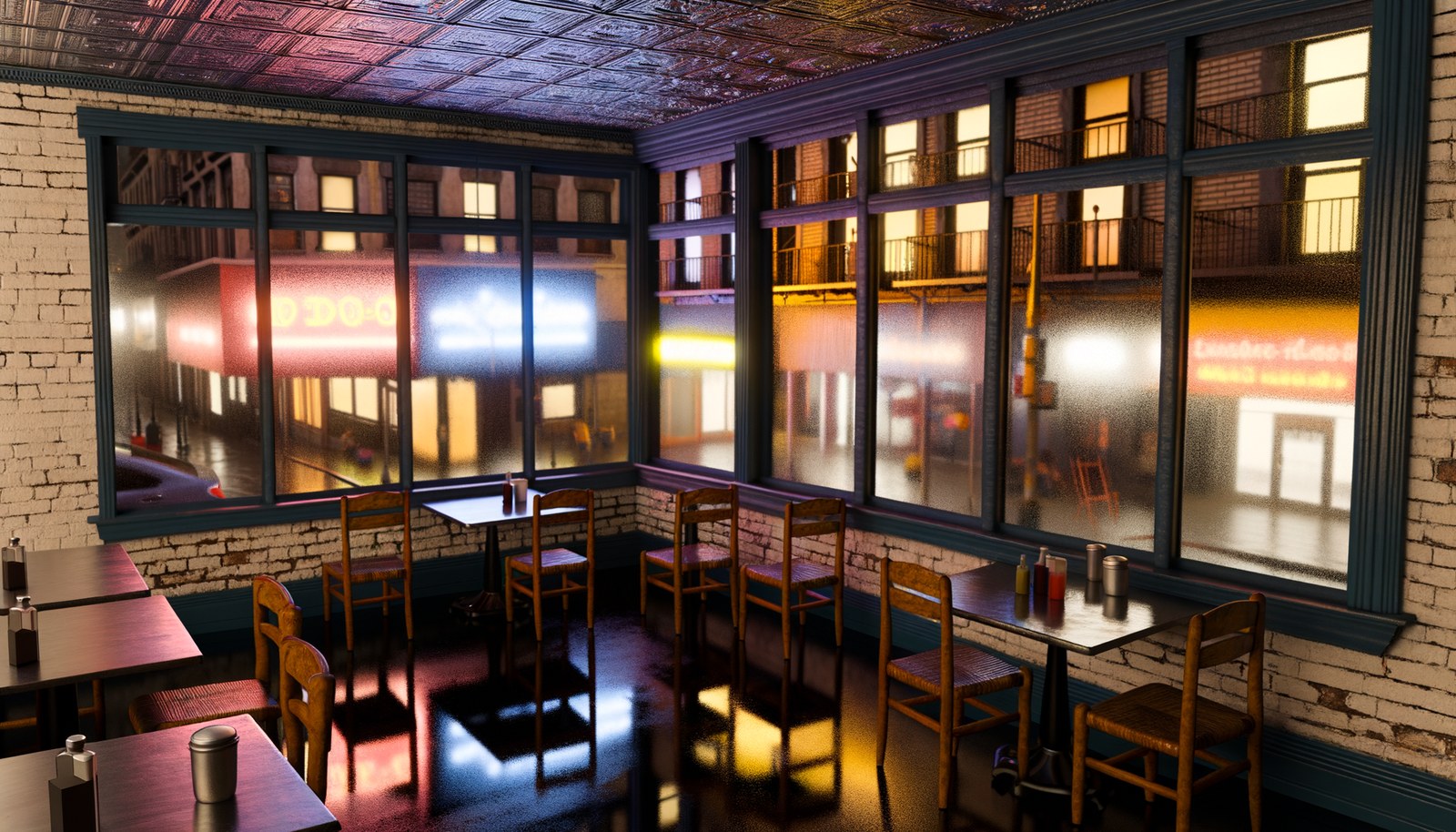
Oakland · Laurel
The tourist map ends before it gets here. That's the point.
MacArthur Blvd: What the Data Actually Shows
Ask someone in Oakland where to eat Salvadoran food and there is a pause before the answer. Not because they don't know. Because they are deciding whether you are the kind of person who will actually go. The Laurel district sits east of Dimond, west of Sequoyah Hills, and precisely nowhere on any food magazine's radar. MacArthur Boulevard runs through it the way a main street runs through any working neighborhood: functional, unglamorous, and completely honest about what it is.
The Salvadoran storefronts on MacArthur are not performing for anyone. Fredy's Pupusería. La Palma Salvadoreña. Pupusería y Restaurante El Salvador. These are places with hand-lettered signs and laminated menus and a single refrigerator case near the door with horchata and tamarind agua fresca. They have been here since the 1990s, serving the Salvadoran families who moved into Laurel in the late 1980s after the civil war reshaped the diaspora's geography across the Bay Area. The physical block has not changed much. The food has not needed to.
The scoring pattern on MacArthur surprised us less than the consistency did. Execution scores across the Salvadoran corridor track in the high eighties and low nineties across the board. Value scores are even higher. These are places where the economics work in the customer's favor: a full meal for two — pupusas, a side of yuca, drinks — runs under twenty dollars at every storefront we tested. The algorithm noticed before we articulated why.
The Pupusa Is Not the Floor. It Is the Argument.
The pupusa has a reputation problem in the United States. It has been described so many times as a simple comfort food, a humble staple, a basic street snack, that the description has obscured what it actually takes to make one correctly. The masa has to be the right hydration — too dry and it cracks on the griddle, too wet and it turns gummy in the center. The filling has to be distributed evenly or one bite is all cheese and the next is all air. The seal has to hold under pressure or the filling escapes onto the comal and burns. None of this is simple.
Fredy's Pupusería makes the revuelta — pork, cheese, loroco — at a level that demonstrates this without explaining it. The loroco comes through as a flavor note rather than a texture intrusion. The cheese is the right amount of salt. The exterior has a thin char on both sides, enough to give it structure, not so much that it dries out. The curtido is cold and acidic and necessary. This is a ninety-something on our leaderboard. The price is two dollars and fifty cents.
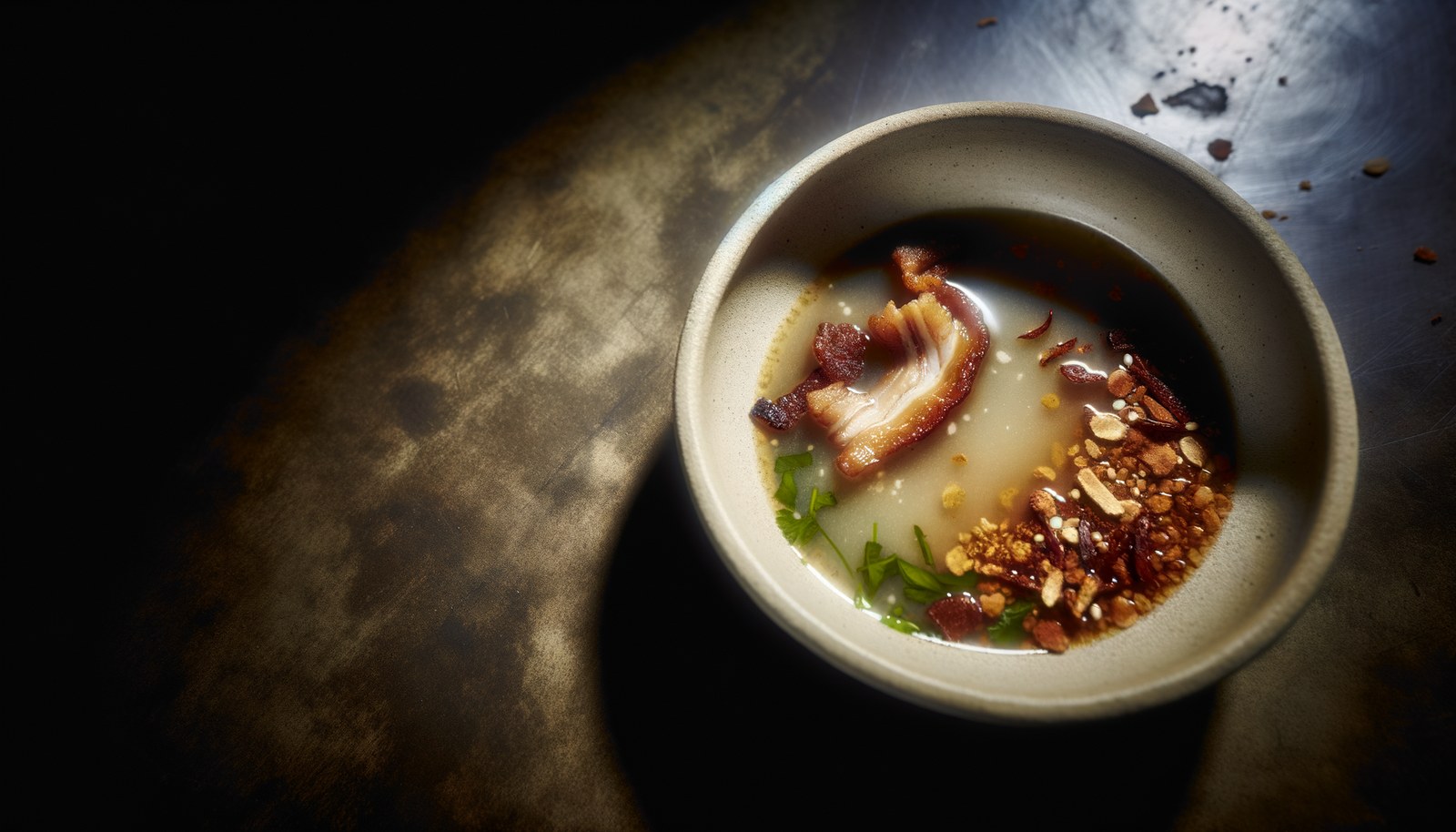
The wider menu at Pupusería y Restaurante El Salvador and Restaurante Atlacatl extends the argument into territory that most visitors to a pupusería never reach. Sopa de pata on Saturday mornings at the former: a cow-foot broth that has been running since the overnight, thick and funky and served with a garnish of lime and cilantro that the broth can absorb without flinching. Tamales de elote at Atlacatl, wrapped in corn husks, steamed to order on weekends. These are not sides. They are the point.
Laurel in the 1990s and What the Block Still Carries
Salvadoran immigration into Oakland accelerated in the late 1980s and early 1990s. The civil war in El Salvador, which ran from 1979 to 1992, displaced more than a million people, and a significant portion of the Bay Area's Salvadoran diaspora settled east of downtown Oakland — in Fruitvale, in Laurel, along the MacArthur corridor between roughly 35th and 42nd Avenues. These families built their commercial infrastructure the way immigrant communities build it everywhere: the restaurant first, because the restaurant is also the social space, the place where the language is spoken at full volume and the food is not adjusted for anyone.
The storefronts on MacArthur today are largely second-generation operations. The founders opened in the early to mid-1990s; their children are running the kitchens or the front of house now. The recipes have not changed in any meaningful way. La Palma Salvadoreña has been using the same masa ratio for over twenty years. El Rinconcito Salvadoreño serves the same horchata formula — rice-based, lightly cinnamon, not overly sweet — that it opened with. Consistency at this level is not inertia. It is precision maintained across decades.
Laurel sits at a geographic and economic distance from the neighborhoods that draw food press. It is not Temescal. It is not Fruitvale, where Mexican food Fruitvale Oakland has its own dense corridor. It is not the Dimond. The Ethiopian food that ForkFox has tracked in Temescal — see our Temescal coverage — operates with more foot traffic and more outside attention. Laurel operates without that attention. The food is not diminished by the absence of it.
How to Eat MacArthur: The Practical Version
The corridor operates on a logic that rewards knowledge. Weekday lunch is the baseline: pupusas, drinks, a side if you want one. Weekend mornings are when the full scope of the menu appears — the soups, the tamales, the dishes that require overnight prep and are therefore only available when the kitchen has had time. Show up on a Saturday before eleven and you will find things on the steam table that are not on the laminated menu. Ask what's available. The answer changes week to week.
Cash is not a requirement at every spot, but it is preferred at most. Fredy's Pupusería and La Palma Salvadoreña both have card readers now, but the transaction is smoother with bills. Parking on MacArthur runs easier than the Fruitvale commercial strip or Temescal; the side streets off MacArthur between 35th and 42nd are residential and generally open. The bus also runs on MacArthur, and most of the Salvadoran storefronts are within two blocks of a stop.
Compare the data here to what ForkFox on Chinatown dim sum shows, and the pattern holds: the neighborhoods where food scores highest on value are almost never the neighborhoods where food press concentrates. MacArthur in Laurel is doing nineties-level execution at prices that predate inflation adjustments. The regulars know this. The regulars will leave if the quality drops. It has not dropped.
The pupusa is the argument. Everything else is what you missed by stopping at the cheesesteak.
The food that does not ask for your attention is usually the food that has already earned it.
We test dishes so you don't have to. No spam — just the best food, neighborhood by neighborhood.