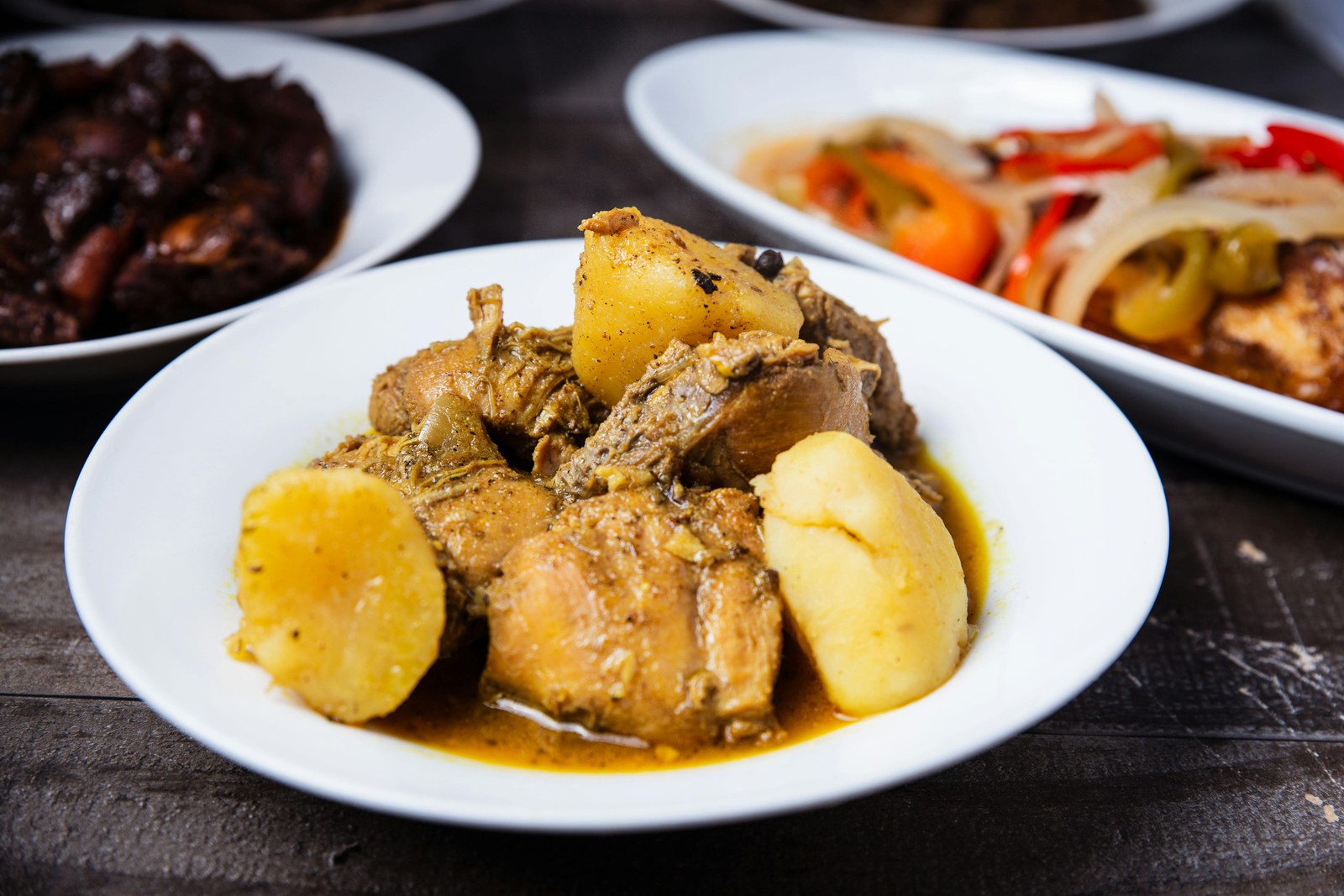
Philadelphia · Brewerytown
The press gave Brewerytown a brewery story. The neighborhood has been running a different one for decades.
Brewerytown Before the Breweries Got the Coverage
Brewerytown got renamed twice. Once in the nineteenth century, when the lager industry moved in along the Schuylkill and the block count of production facilities exceeded any other neighborhood in the city. Once again in the last fifteen years, when the same name got picked up by real estate listings and applied to a narrative about craft beer, renovation, and incoming capital. Neither story is wrong. Neither story is the whole thing.
The neighborhood that absorbed a sustained wave of Black families moving north and west through Philadelphia in the postwar decades — from South Philly, from the South, from the blocks that were being cleared for the Vine Street Expressway — is the same neighborhood that has been running soul food counters and takeout operations on Girard Ave since the 1970s. That history did not make the rebranding brochure. The restaurants are still there.
The stretch of Girard from 27th to 33rd runs six blocks without a single restaurant that has been reviewed in a publication with national distribution. That is not an accident of quality. The algorithm can see what a six-block corridor with scores in the high eighties looks like. It looks like a neighborhood that feeds itself.
What the Data Shows on Girard Ave 27th–33rd
Execution on this corridor is not what you would expect from a neighborhood that the food press treats as a destination for its tap rooms. The smothered proteins at Aunt Berta's Kitchen have been braising long enough that the sauce has structural integrity. The fried chicken at OG Soul Kitchen has seasoning in the meat, not on the skin. Big Brothers Bar-B-Q is running hickory smoke on whole slabs, cut to order, on a weekend schedule that runs out before the afternoon does. These are not approximations of the food. They are the food.
Value scores across the corridor track high — higher, in several cases, than the full-service soul food operations that get written about in Center City and University City. A full plate with two sides at most of these spots runs under fourteen dollars. The economics of the neighborhood demand it and the operators have not used that constraint as an excuse to cut corners. Cousin's Restaurant and The Crib both hold the line on portion size and side quality in a way that the data reflects clearly.
The comparison that keeps surfacing in the scoring: this corridor performs closer to the West Philadelphia Ethiopian belt on Baltimore Ave — covered in our piece on Ethiopian food West Philadelphia — than it does to the weekend-destination food blocks that get the press. Both corridors are neighborhood infrastructure, not restaurant scenes. The distinction matters when you are reading a number.
The BYOB Parallel and What It Tells You About Coverage
Philadelphia has a BYOB culture that is structural, not incidental. The licensing economics of the city pushed operators toward it decades ago and the neighborhoods that absorbed those operators without the benefit of press coverage are the neighborhoods that now run the longest track records. The model is similar to what you find documented in the BYOB scene covered in our reporting on BYOB dining in Fishtown — the difference is that Fishtown got the food media and Girard Ave did not.
None of the operations on this corridor are running a BYOB format, but the underlying dynamic is the same: operators building a sustainable business on thin margins, in a neighborhood that is their own, with a customer base that is not going anywhere. Miss Rachel's Pantry ran this way for years before it moved operations. The soul food counters on Girard are in the same structural position. The regulars are the ones keeping the standard honest.
The food press tends to find a neighborhood when the infrastructure of a different customer base — higher income, more transient — has already arrived. By that point the original operations are either gone or have adapted to serve a room they did not build for. On this stretch of Girard, that transition has not happened. The food is still priced and seasoned and portioned for the people who live two blocks away.
What to Order and When to Show Up
The fried chicken is the baseline on this corridor, the way the cheesesteak is the baseline for every tourist-facing Philly conversation. At OG Soul Kitchen, Wednesday is the day the oxtail appears on the rotation. Show up after one in the afternoon and the supply question is already open. At Big Brothers Bar-B-Q, the slab situation works similarly — weekend service, hickory smoke, and a sell-through that happens by early afternoon on a good Saturday. These are not soft limitations. They are the schedule.
The sides at Aunt Berta's Kitchen run by the season more than by the menu board. The candied yams are consistent. The collard greens have been cooked with smoked meat and the pot likker is not drained. The cornbread is a brick, not a muffin. These are specific facts about how the kitchen is operating, not descriptions of an atmosphere. The room fits twenty people and the counter fits four. Come before noon if you want a seat.
For context on how Philadelphia's other neighborhood food corridors compare — specifically the Vietnamese operations in South Philly that run a similar dynamic of high execution and low press coverage — see ForkFox on South Philadelphia's Vietnamese corridor. The pattern is consistent: the neighborhoods that do not perform for the camera tend to perform better for the data.
What the Corridor Is Not
Girard Ave from 27th to 33rd is not a destination block in the way that Fishtown or East Passyunk are destination blocks. There is no concentration of press-friendly signage, no weekend foot traffic from out-of-neighborhood, no reservation system at any of the operating spots. Girard Grille and Brewerytown Eats both run without reservation infrastructure because their customer base does not use it. The logistics reflect the actual relationship between the restaurant and the neighborhood.
The algorithm noticed something specific about this corridor that is worth stating plainly: the gap between execution score and press coverage is larger here than on almost any other food block in the city we have scored. High eighties on flavor, high nineties on value in several cases, and a press footprint that is effectively zero. That gap is data. It is telling you something about who the food press is writing for.
Soul food in Brewerytown is not waiting to be discovered. It has been operating on Girard Ave since the 1970s, through the manufacturing decline of the eighties, through the population shifts of the nineties, through the current renovation cycle that has rebranded the neighborhood name without touching the food. The corridor is not a scene in transition. The corridor is a settled fact.
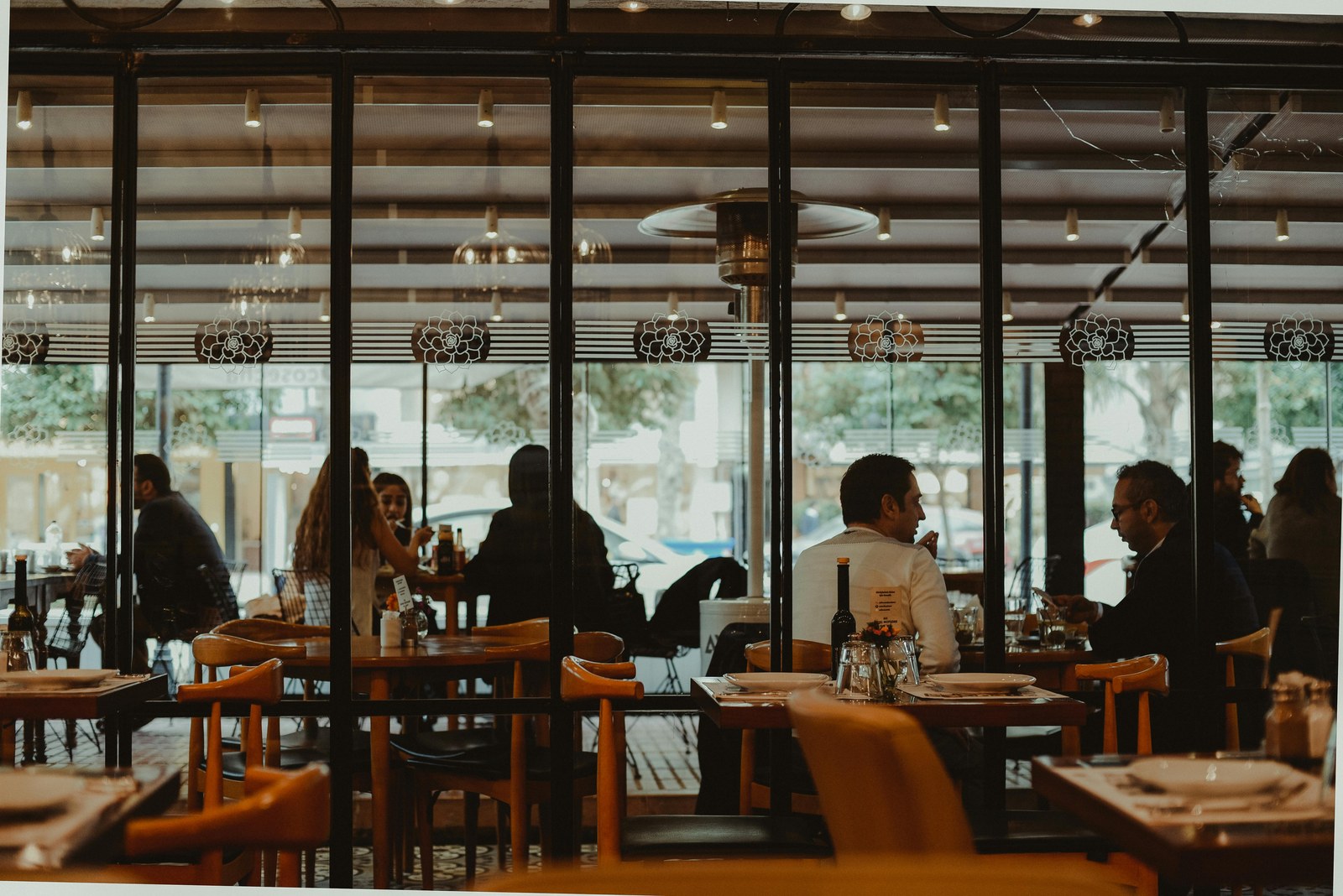
The block between 27th and 33rd on Girard is not a scene. It is a supply chain for people who live there.
A food corridor that feeds the same people it has always fed is not undiscovered — it is just undercovered.
We test dishes so you don't have to. No spam — just the best food, neighborhood by neighborhood.