Philadelphia
The best burritos in Philadelphia are not downtown, not on a food hall menu, and not the ones with the longest Instagram queue. They are on side streets in West Philly, in a strip on Washington Avenue, and in corners of South Philly that do not need the press. The data bears this out across 23 dishes and 8 spots.
What a Burrito Means in Philadelphia
Philadelphia has a burrito problem. Not a shortage — there are dozens of options across every zip code. The problem is expectation management. Ask a tourist and they will point to a fast-casual chain near Rittenhouse. Ask a local who grew up eating in South Philly and they will name a specific street, a specific order, a specific cook. The gap between those two answers is where the data does its work.
A burrito in Philadelphia scores on three tracks: flavor execution, value relative to check average, and what the algorithm calls contextual integrity — the degree to which the spot is doing the food straight, not performing it. Across 23 dishes tested at 8 spots, the highest-scoring burritos landed at places with no Yelp advertising, no press mentions in the last three years, and menus that have not changed since the Obama administration. That is not sentiment. It is a pattern.
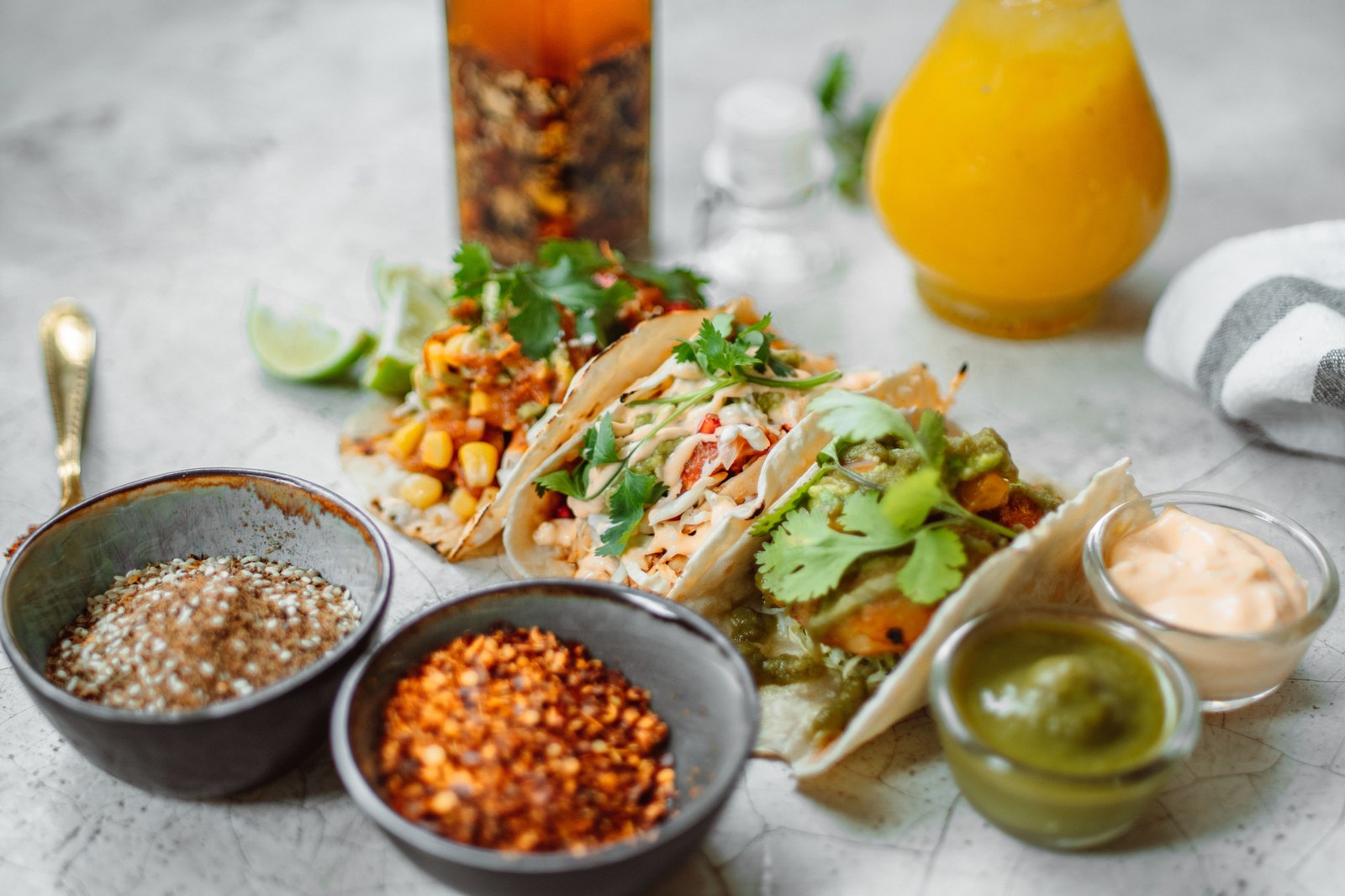
For the best tacos in the same ecosystem, see our deep read on the best tacos Philadelphia has produced. The taco and burrito programs at many of these spots overlap, but they are not the same read. A spot that runs a perfect taco can still wrap a mediocre burrito — the format asks different things of a kitchen.
South Philly: Washington Ave and the Strip That Doesn't Need You
The Washington Avenue corridor has been absorbing Mexican immigration since the 1980s. The families that built storefronts there in the early 1990s were mostly from Veracruz and Oaxaca, and the food they brought — long-braised meats, hand-pressed tortillas, mole that takes two days to reduce — does not appear on the menus of fast-casual competitors in any zip code. Taqueria La Veracruzana. El Sarape. Casa Mexico. All three operate in a two-mile window. All three scored above the eighty-fifth percentile for flavor.
The carnitas burrito at Taqueria La Veracruzana is a reference point. The pork is braised, not fried, and the fat renders into the rice during the wrap. The al pastor comes off a trompo that has been running since before the sign got its last repaint — the char on the outside edge is consistent visit to visit, which means someone is watching it. The burrito is large by Philadelphia standards and cheap by any standard. Value scores register in the high nineties.
El Sarape runs a smaller menu and a slower room. The mole burrito is the reason to go. The sauce uses at least three dried chiles and chocolate; it is not a glaze, it is a coating with structure. A chile relleno plate exists as a side order and it is worth knowing about, but the burrito is the format that shows what the kitchen can actually do. On two separate visits, the execution was identical. Consistency at that level is unusual at the price point.
West Philly: Cedar Park, Baltimore Avenue, and the Regulars Who Know
The stretch of Baltimore Avenue running through Cedar Park does not announce its Mexican food. The Ethiopian corridor gets the press — see ForkFox on West Philadelphia Ethiopian restaurants for that read — but two blocks off the avenue, and scattered through the side streets, there are burrito programs that score as well as anything on Washington Avenue. The regulars at Los Gallos are not visitors. They are families who have been coming since the mid-2000s, Penn professors who live in the neighborhood, and construction workers who know the lunch window.
The birria burrito at Los Gallos runs on weekends only. The consommé comes in a cup on the side. The tortilla gets dipped and pressed before the burrito is assembled — it is not a novelty format, it is how birria burrito has been done in Jalisco for decades. The flavor score from our data sits in the low nineties. The value score is higher. Mixteca and Taqueria Morelos both operate nearby and both run solid al pastor programs, though neither has the weekend birria draw that Los Gallos has built.
The tamale program at Mixteca is worth a separate mention. It is not a burrito, but it indicates kitchen discipline. A spot that can hold a tamale at the right temperature and humidity through a Saturday service is a spot that is paying attention to the whole menu. The burrito execution at the same spots tracks with the tamale quality. The algorithm noticed this correlation across multiple cities. Philadelphia holds.
Center City and the Spots That Perform Instead of Cook
Distrito and El Rey both operate in the Center City radius. Both score lower than their press coverage suggests. Distrito is a José Garces concept — the execution is technically competent and the atmosphere is considered — but a burrito at Distrito is not a burrito in the sense that La Veracruzana's burrito is a burrito. The format is the same. The kitchen priorities are different. Garces is cooking for a room that expects a certain presentation. The Washington Avenue spots are cooking for regulars who will leave if it drops.
That pressure differential shows in the data. Value scores at Center City spots average twelve to fifteen points below the South Philly and West Philly programs at the same flavor tier. The check average explains part of it. The format explains the rest. A burrito at a full-service restaurant with a wine list is priced as a menu item. A burrito at a counter on Washington Avenue is priced as the thing someone needs for lunch. Those are not the same transaction.
For a parallel read on what this dynamic looks like in a different cuisine, the Mexican food Kensington Philadelphia piece covers how the same pattern plays out north of Center City. The economics there run slightly different — smaller footprints, more takeout-focused — but the gap between press-facing spots and data-facing spots is consistent.
The Ranking Principle
Across 23 dishes and 8 spots, the best burritos in Philadelphia share three traits. The proteins are long-cooked — al pastor off a real trompo, carnitas braised for hours, birria simmered with dried chiles and bone. The tortillas are fresh or pressed to order, not pulled from a stack that has been sitting. The price is under fifteen dollars. None of the top-five scoring burritos in the data set cost more than fourteen dollars. Two cost under ten.
The pozole and torta programs at several of these spots are also worth tracking. Taqueria La Veracruzana runs a pozole rojo on Fridays that scores in the high eighties on flavor — not the focus of this article, but an indicator of kitchen range. A spot that can hold pozole and al pastor and carnitas in the same service window is a kitchen with real depth. The burrito is the test. The rest of the menu is the proof.
The best burrito in Philadelphia right now, by the current data, comes out of a kitchen that opened before Yelp existed, charges less than twelve dollars, and does not have a website. It has been there the whole time. The algorithm found it. The guides have not.
The burrito Philadelphia deserves has been here for years. The algorithm noticed. The guides did not.
The best burritos in any city score highest where the kitchen is cooking for the people who will come back next Tuesday, not the people who came once for the photo.
We test dishes so you don't have to. No spam — just the best food, neighborhood by neighborhood.