Philadelphia
The best tacos in Philadelphia are not where the food press points. After testing 31 dishes across 11 spots, the scores cluster in Kensington, South Philly, and the blocks around Cedar Park — not the restaurants with the press coverage.
The Cheesesteak Problem, Applied to Tacos
The best tacos in Philadelphia are not in the restaurant that a national magazine profiled last spring. That spot scores in the low seventies on value. It scores well on atmosphere, which is a different thing from scoring well on food. The press cycle rewards narrative. The data rewards the tortilla.
Philadelphia has a Mexican food problem that is not really a food problem. It is a visibility problem. The city's Mexican population is concentrated in Kensington, in pockets of South Philly along Washington Avenue and Oregon Avenue, and in the blocks around Cedar Park in West Philly. The restaurants those communities built and sustained for thirty years are not the restaurants that appear in the round-up articles. This is not a new pattern. It is the same pattern that kept West Philly's Ethiopian corridor invisible to the broader food press for most of a decade — the same corridor covered in depth in our piece on Ethiopian food in West Philadelphia.
The working assumption of this article is that the food press has been looking in the wrong direction. Our scoring across 31 dishes and 11 spots suggests that assumption is correct.
South Philly: Washington Ave and the Trompo Corridor
The anchor of Philadelphia's Mexican food map is Washington Avenue in South Philly, which has been running family-operated taquerias since the mid-1980s. The immigration wave that built this corridor came primarily from Puebla and Veracruz, and you can still read that geography in the menus. Mole here is dark and patient. Tamales are masa-heavy in the Pueblan style. Chile relleno shows up stuffed with picadillo, not cheese, which is the tell that you are in a room that is cooking for its own community rather than translating.
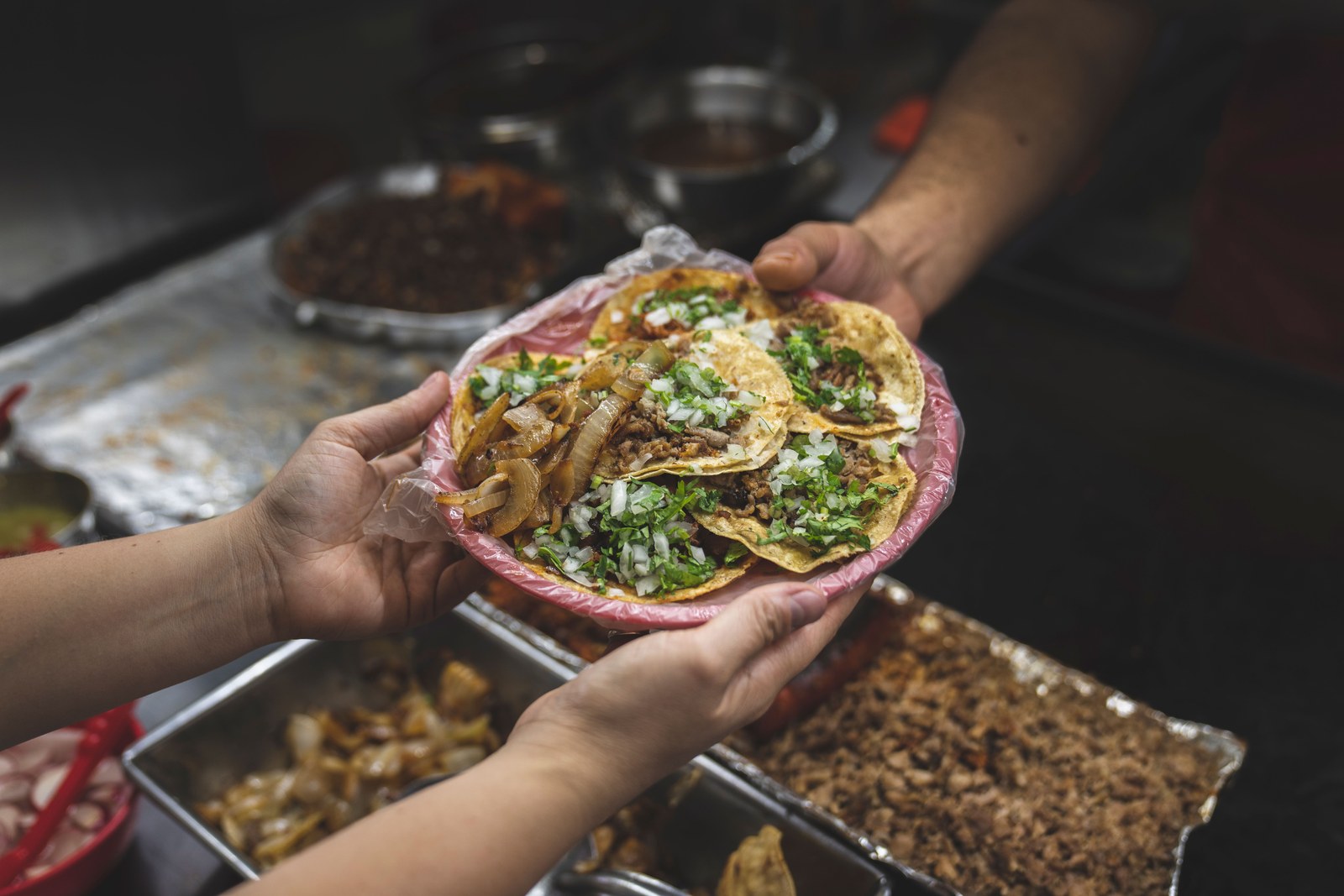
Taqueria La Veracruzana. El Jarocho. La Lupe. These three have been on Washington Avenue and its side streets for fifteen to thirty years. The al pastor at Taqueria La Veracruzana scores in the high eighties for flavor and into the nineties for value. The trompo is the real thing, not a flat-top approximation. The tortilla is pressed that morning. None of this is announced on a chalkboard menu designed to look hand-lettered. It is just the thing the kitchen does.
The torta at La Lupe deserves its own paragraph. It is a milanesa torta: thin-pounded pork, breaded and fried, layered with avocado, pickled jalapeño, and a crema that is not sour cream with a Mexican label. The bread is a proper telera. The construction holds. It costs less than eleven dollars. The algorithm noticed.
Kensington: The Counter You Pass Without Stopping
Kensington's Mexican food has been underscored by every metric except the one that matters, which is whether people who grew up eating this food choose to eat it here. They do. The neighborhood's Mexican population settled along Kensington Avenue and the surrounding blocks through the 1990s and 2000s, and the storefronts they built run small: counter seating, cash preferred, menus that change with what came in that morning.
Taqueria El Rinconcito. Taco Riendo. Las Bugambilias. These are not the spots you find in a weekend round-up. The birria at Taqueria El Rinconcito is the proof case. It is a proper consommé-based braise, beef and chile ancho, served with the broth for dipping. The scored range on that dish sits in the low nineties for flavor. The pozole, red and deep, scores higher. The room seats fourteen people. There is no website.
For a deeper look at how Kensington's Mexican corridor scores against the rest of the city, see our full breakdown of Mexican food in Kensington Philadelphia. The short version: execution is consistently higher than the press attention suggests, and value scores are the highest in the city across any Mexican cuisine cluster.
Cedar Park and Baltimore Ave: Where the Scores Surprised Us
Baltimore Avenue between 43rd and 52nd Streets is better known as the address of West Philly's Ethiopian corridor, and for good reason. But in the blocks around Cedar Park, a handful of Mexican spots have been operating long enough to develop a regular base that is not made up of Penn students or weekend visitors from Center City. That base is the real quality signal. Regulars leave when something drops. These regulars have not left.
South Philly Barbacoa is technically in South Philly, not Cedar Park, but it functions as the regional benchmark. Isabel Coss built a weekend-only lamb barbacoa operation at 11th and Morris that became, in our scoring, the highest single-dish score in the Philadelphia Mexican data set: a ninety-four on flavor for the barbacoa taco, a ninety-three on the consommé. The line on Saturdays forms before eight in the morning. The food runs out. That is not a marketing tactic. It is a supply constraint.
The comparison point matters. Tlahco Mexican Kitchen in Old City scores well on presentation and context. El Vez and Cantina Los Caballitos score in the high sixties on value, which is where most of the press-covered spots land. The gap between those scores and what a counter in Kensington or a weekend-only South Philly operation delivers is not a gap in quality. It is a gap in visibility. The algorithm can see it clearly.
What the Scores Actually Show
Across 31 tested dishes and 11 spots, the pattern is consistent. Flavor scores are highest in community-facing spots: the counter in Kensington, the weekend-only South Philly operation, the thirty-year Washington Avenue taqueria. Value scores follow the same map. Context scores, which measure whether a restaurant is cooking the food on its own terms rather than for a perceived outside audience, are highest in spots with no website, cash-preferred operations, and rooms that seat fewer than twenty people.
The spots with the most press coverage score highest on atmosphere and lowest on value. That is not a coincidence. It is the economics of a room that has been built to attract a certain kind of attention rather than to feed a community. Both are valid businesses. They are not equally good tacos.
Philadelphia's Mexican food story is not finished being written. Kensington is changing fast, and several of the storefronts that score highest in our data are in blocks that are under development pressure. What exists now, at these addresses, cooking this food at these prices, will not exist in this form indefinitely. That is reason enough to find it now. For context on how BYOB culture shapes the value equation across Philly neighborhoods, see the ForkFox guide to Fishtown BYOBs — the same economics apply to Mexican spots that have held their prices by staying unlicensed.
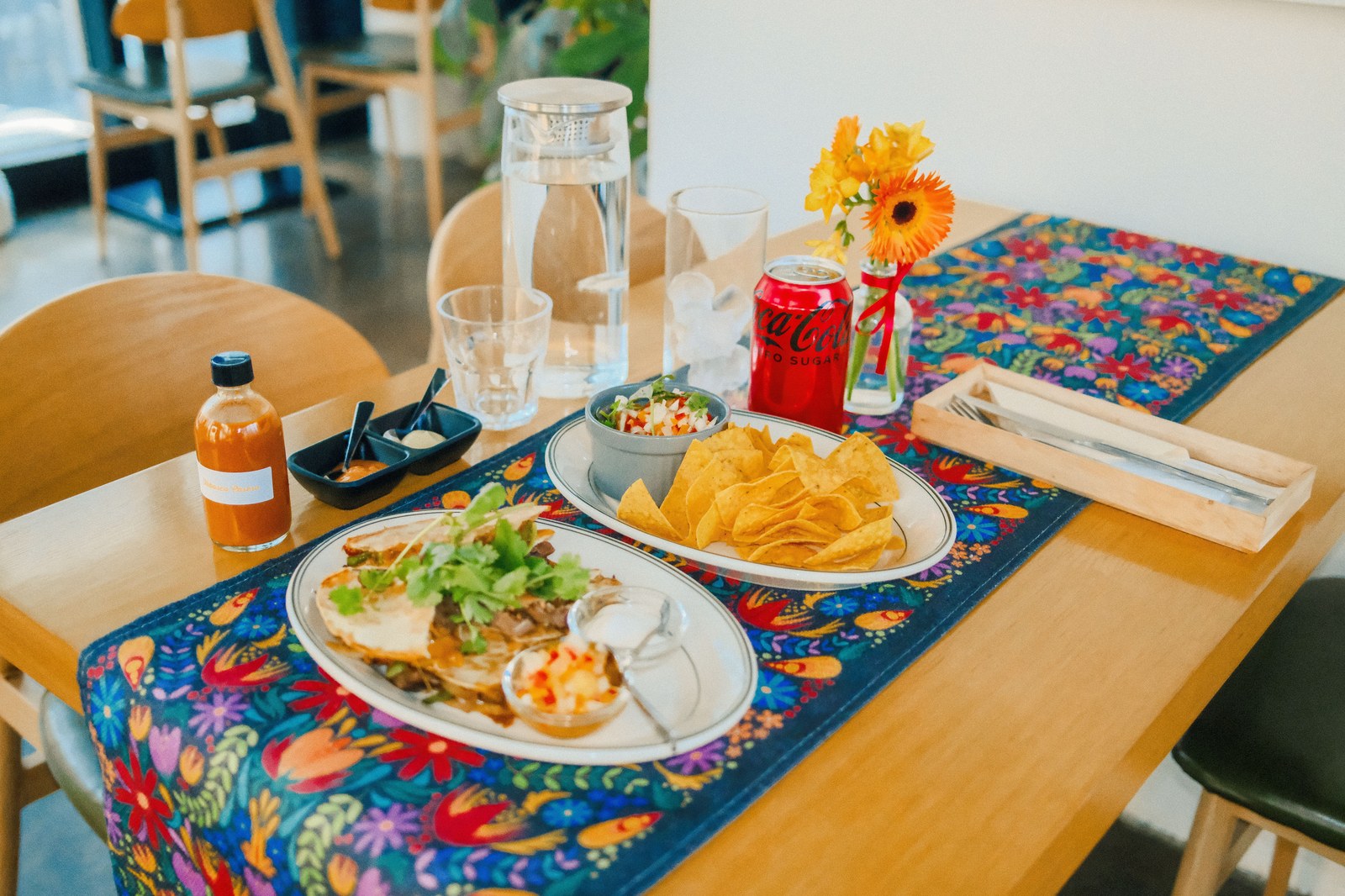
The taco worth finding in Philadelphia is the one with no sign, no Instagram, and a tortilla pressed today.
The best taco in Philadelphia is the one cooking for the neighborhood that built it, not the one that made the round-up.
We test dishes so you don't have to. No spam — just the best food, neighborhood by neighborhood.