Philadelphia · Center City
The expense account rooms get the press. The data tells a different story about which tables on Walnut Street are actually worth sitting at.
The Block and What It Is Actually Selling
Walnut Street between 15th and 19th runs through the part of Philadelphia that Philadelphia has decided represents it to the rest of the country. The shops are national. The hotels are international. The restaurants, at this tier, are selling a version of the city that the city built for out-of-towners with expense accounts. Steakhouses are the native species of this habitat. They are here because the business dinner requires them, the Rittenhouse Square address justifies the check, and the cut of beef does not require a narrative the way a tasting menu does.
What the data shows — across nine spots and twenty-seven dishes tested — is that the gap between the top and bottom of this block is smaller than the price spread suggests. The best rooms are genuinely excellent. The worst rooms are charging for an experience that the kitchen cannot sustain. Three or four spots in the middle are doing competent work at prices that require you to decide whether the room is worth it, because the beef alone is not the differentiator.
The steakhouse is the format that most honestly reveals whether a restaurant believes in itself. There is no composed dish to hide behind. The sauce is simple or it is not. The sear is right or it is wrong. The aging was handled properly or the cut tastes like the refrigerator it sat in. On Walnut Street and the blocks around Rittenhouse Square, that standard holds.
The Two Rooms That Are Actually About the Food
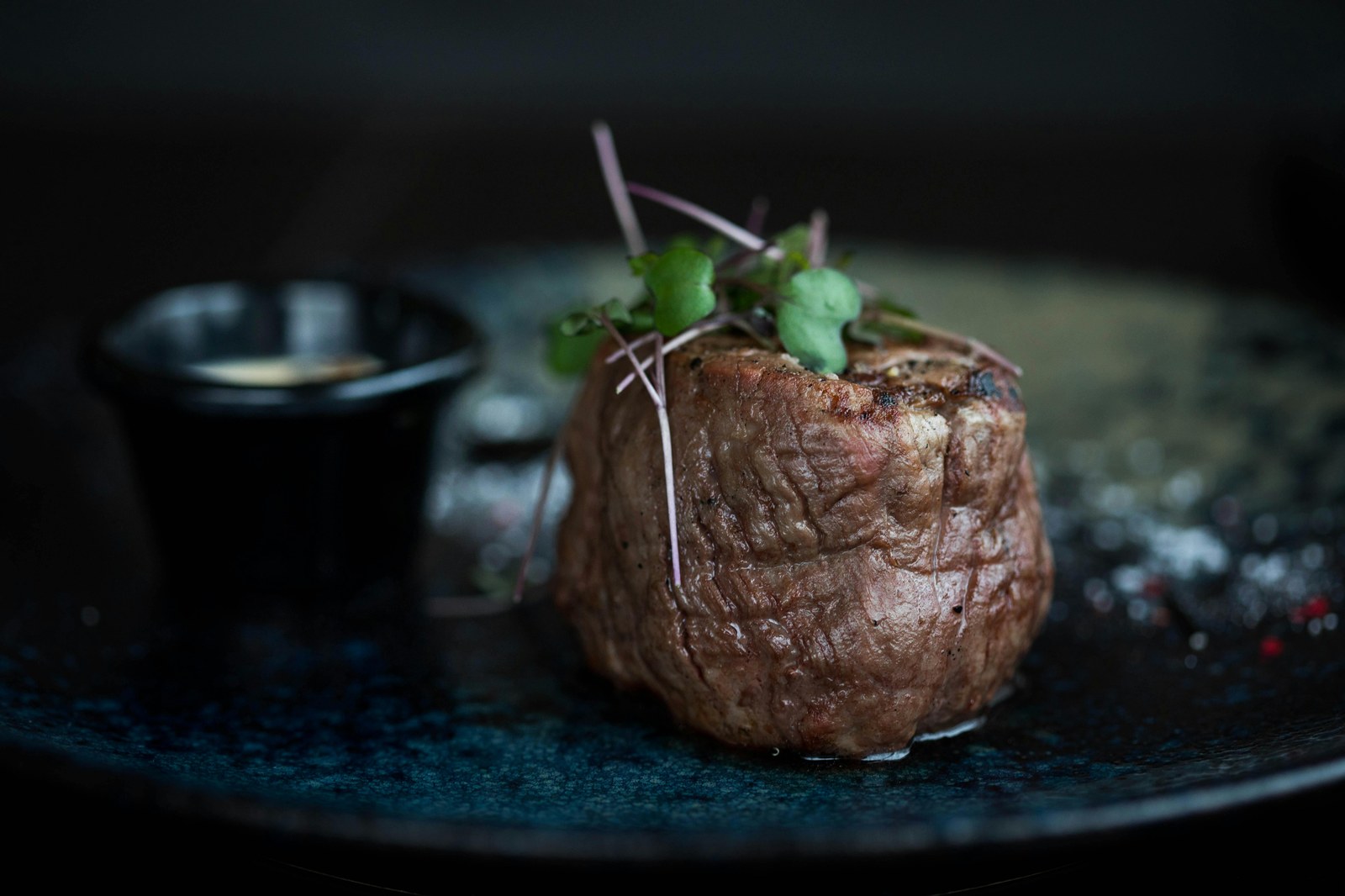
Barclay Prime, on South 18th a half-block off Rittenhouse Square, is Stephen Starr at the register he takes most seriously. The restaurant opened in 2004 in what was previously a private club, and the footprint has not changed — small, dim, a row of banquettes that forces the room into intimacy whether you want it or not. The cheesesteak, a wagyu version that costs more than a ribeye at most of its neighbors, is the menu's public argument. The actual argument is the wagyu ribeye proper, which scores in the high eighties on the leaderboard and earns that position on execution alone. The room is not performing luxury. It has decided what luxury is and it charges accordingly.
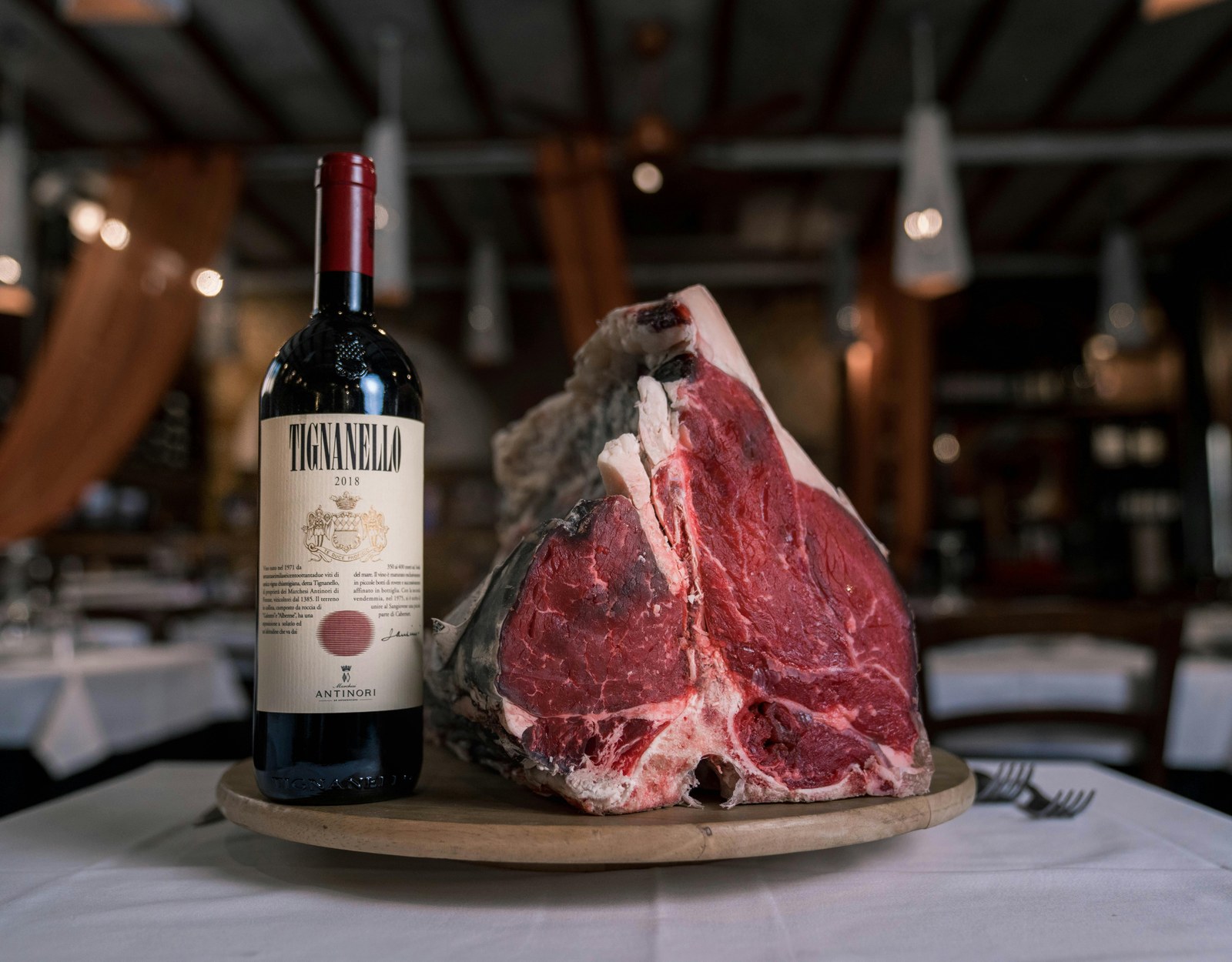
Butcher & Singer at 1500 Walnut is the other serious room. The building was a brokerage house in 1928, and the architects who converted it in 2007 had enough sense to leave the marble columns, the coffered ceiling, and the general impression that financial decisions were once made here with consequences attached. The bone-in ribeye is the dish. It arrives with a crust that requires a hot pan held at temperature long enough to matter, which is a longer time than most kitchens are willing to sustain. The algorithm noticed the consistency score — this kitchen produces the same result on a Tuesday at 6pm that it produces on a Saturday at 9pm, which is rarer than it should be.
These two rooms share a theory: the steakhouse is about the room as much as the steak, and if the room is right, the steak has to be right too, or the whole thing collapses. Both kitchens have made good on that theory. The prices are high. They are the correct prices for what is being offered.
The National Chains and the Case For Them
There is a tendency in food writing to dismiss the national chain. Del Frisco's Double Eagle on Chestnut and The Capital Grille on Broad are national chains. They are also operating at a standard that would be competitive against any independent room in the city. The Capital Grille's dry-aged bone-in New York strip tracks in the high eighties. Del Frisco's porterhouse does the same. The supply chains that national steakhouse brands use are, in several cases, better than what an independent restaurant can negotiate — USDA Prime with reliable aging specifications, delivered with the kind of consistency that a single-location kitchen struggles to match.
The value argument lands hardest at Del Frisco's. The bar program runs a happy hour that discounts the bar menu by thirty to forty percent, and the bar menu includes a porterhouse. The algorithm noticed this. A ninety-something steak at sixty percent of dinner-menu pricing is the most efficient table in Center City steakhouses, and almost nobody talks about it because it requires sitting at the bar instead of a booth.
What the chains cannot offer is what the independent rooms have by default: the sense that someone made a decision specific to this city and this block. The Capital Grille could be anywhere. That is not a small thing to give up. But if the question is whether the beef is good, the answer at both national rooms is yes.
What the Scoring Actually Reveals About This Block
The range across nine spots is tighter than the price range. The floor of the block — the worst-performing room in our data — still scores in the mid-seventies on execution. The ceiling is the high eighties, with one dish at Barclay Prime crossing ninety. What separates the rooms at that compressed range is not the beef. Every room on this block is sourcing USDA Prime or equivalent. The separating variable is the side dishes, the sauce work, and whether the kitchen treats the supporting cast as seriously as the center cut.
The creamed spinach at Butcher & Singer scores higher than the creamed spinach at every other room on the block. That sounds like a small thing. It is not a small thing. A steakhouse that cannot make creamed spinach correctly is a steakhouse that is not paying attention to the parts of the meal that don't photograph. The algorithm can see what the guide misses: the table that orders one steak and four sides is often eating a better meal than the table that orders four steaks and no sides.
The neighborhood itself creates a pressure on these rooms that the data reflects. Rittenhouse Square is not a neighborhood that forgives mediocrity quietly — the clientele is local and repeat, not tourist and one-time. Parc and Tredici Enoteca, which are not steakhouses but operate in the same dining tier one block away, are the rooms that Walnut Street steakhouses are implicitly competing with every night. The regulars at this price point have options. The rooms that score highest are the ones the regulars keep coming back to.
Center City Steakhouses in the Larger Philadelphia Picture
The steakhouse block on Walnut Street is the most legible part of Philadelphia's dining economy. The prices are posted. The format is fixed. The comparison is clean. What it does not represent is Philadelphia food at its most interesting. The BYOB rooms in Fishtown — see our piece on BYOB restaurants in Fishtown, Philadelphia — are doing more adventurous cooking at lower prices and with less room to hide behind the format. The Ethiopian food in West Philadelphia is operating on a value-per-dollar equation that no Walnut Street steakhouse can match. And as ForkFox on South Philadelphia's Vietnamese corridor documents, the most consistent high-execution cooking in the city is not happening under coffered ceilings.
None of that diminishes what the best rooms on Walnut Street are doing. Barclay Prime and Butcher & Singer are serious restaurants. The data supports them. The format they operate in — white tablecloth, dry-aged beef, a wine list priced for the room — is not a lesser form of cooking. It is a different set of constraints, and the kitchens that succeed under those constraints are working as hard as any kitchen in the city.
The steakhouse is the format that most cities use to define their dining ceiling. Philadelphia, which spent forty years being defined by a sandwich, has built a legitimate high-end steakhouse block. The ceiling is real. The question is whether you want to pay for it, and that question has a different answer depending on who is picking up the check.
A great steakhouse is not about the cut. It is about whether the room earns the price of the room.
The room that earns its price is the room that would still be worth sitting in if somebody else were paying.
We test dishes so you don't have to. No spam — just the best food, neighborhood by neighborhood.