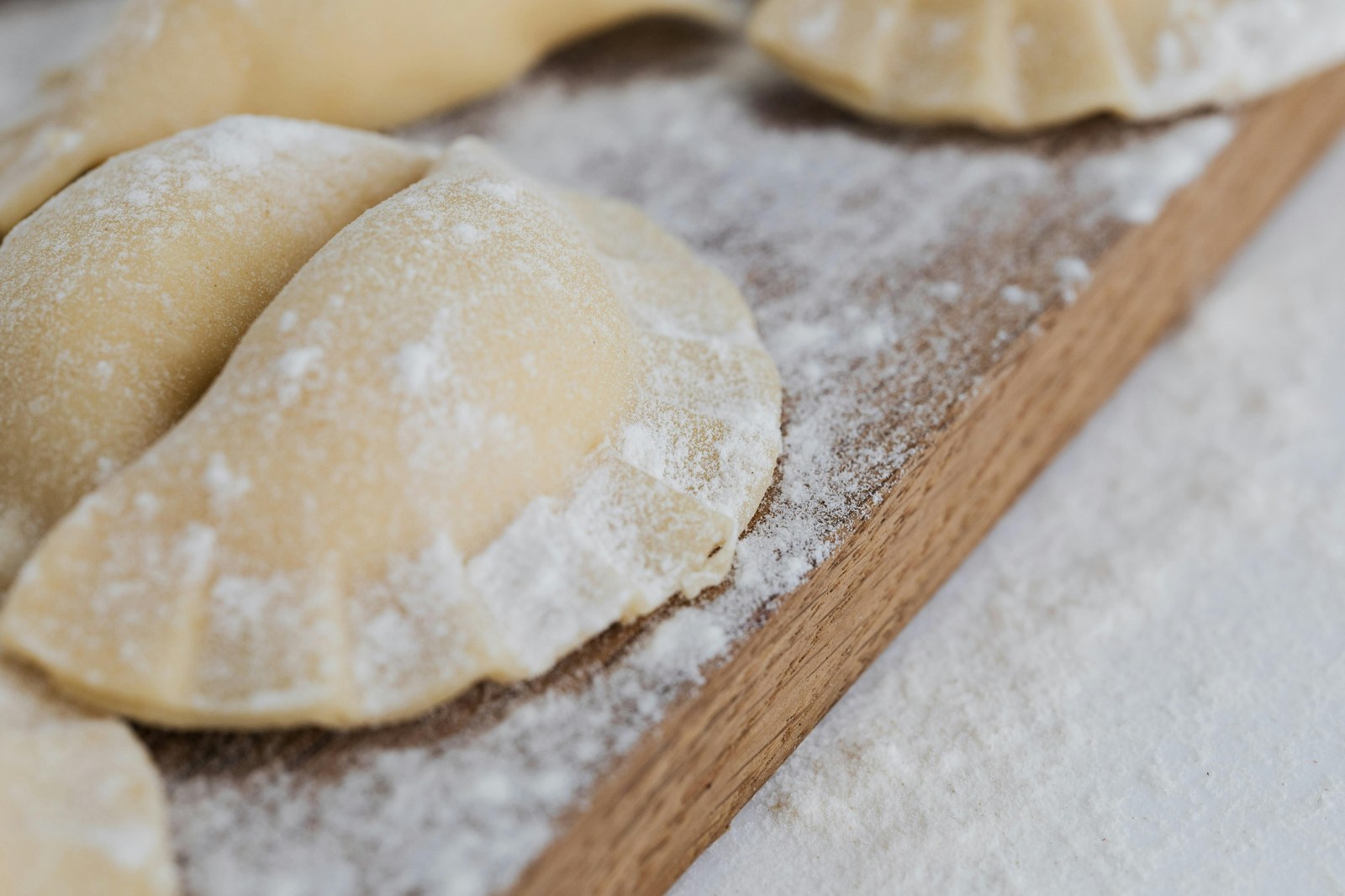
Philadelphia · Frankford
The cheesesteak is the postcard. Frankford Ave is the back of it — and if you know where to look, the pierogi are the whole message.
What Frankford Actually Is
Frankford is not the neighborhood the food press writes about. It is not Fishtown — which is two stops south on the El and has been the subject of approximately four hundred trend pieces since 2014. It is not Kensington. It is a working neighborhood that runs along Frankford Ave and bends at Bridge St, and it has been absorbing and holding immigrant communities since the late nineteenth century. The Polish community arrived in force in the early decades of the twentieth century, built churches, built clubs, built delis, and stayed. The restaurants and counters they left behind are still operating.
The architecture of Polish food in Frankford is not fine dining. It is not even the kind of casual-but-serious restaurant that gets a review in a city magazine. It is delis with steam tables, butcher counters with handwritten price tags, and a cafe or two where the menu is laminated and the portions are sized for people who worked a shift before they sat down. That is a description, not a criticism. The food press underprices this kind of cooking consistently. The algorithm does not.
The scoring pattern here is specific. Execution on the classics — pierogi, bigos, kielbasa, żurek — is high and stable across multiple visits. Value is very high; a full plate at any counter on this stretch tracks well under twenty dollars. What the scores also show is that context is doing real work. These are not approximations of Polish food made for an audience unfamiliar with it. They are Polish food made for a neighborhood that knows what it should taste like and will not return if it does not.
The Deli Counter as Institution
Krakus Deli is the anchor. It is a counter operation — you walk up, you point, you pay, you eat standing or at one of three small tables. The steam table holds bigos, gołąbki, pierogi, and whatever the day's special is, which is often a pork cutlet that has been breaded and fried and then left to sit in its own heat, which is exactly how it should be served. The smoked meats come from in-house production. The kielbasa has the snap of a casing that was stuffed correctly.
The economics of a deli counter like Krakus work because the overhead is low and the volume is consistent. The regulars come in on a schedule — lunch during the week, late morning on Saturday. They do not need a menu. They ask what's good today and they trust the answer. That relationship between counter and customer is the whole operating model, and it produces food that is calibrated to a known audience rather than adjusted for a hypothetical one.
The pricing is what the algorithm flagged first. A full lunch plate — protein, two sides, bread — is tracking at prices that would be considered a deal at a comparable counter in Port Richmond. The Polish food Port Richmond Philadelphia corridor runs higher on average, partly because the real estate pressure is different and partly because the audience has shifted more toward destination diners. Frankford is still feeding the neighborhood. That distinction shows up in the numbers.
The Butcher, the Cafe, and the Gap
Czerw's Kielbasa is a retail operation, not a restaurant. You do not eat there. You buy the kielbasa — made on premises, garlic-forward, with a fat ratio that will read as aggressive to anyone raised on supermarket sausage — and you cook it at home. The counter has been operating in the same mode since the 1960s. The family that runs it has not changed the recipe in a way anyone who has been buying there for thirty years can detect. That is either stubbornness or mastery and in this case there is no functional difference between the two.
Polish Village Cafe sits closer to the sit-down end of the spectrum. It is BYOB — which in Frankford is a structural fact rather than a novelty, the same way it is in most of the neighborhood corridors the food press ignores in favor of the Fishtown strip. (For more on BYOB as an operating model in this city, ForkFox on Fishtown has the full breakdown.) The pierogi are made in-house, boiled to order, and finished in butter. The potato-cheese filling is heavy. The beet salad is cold, lightly dressed, and served as a separate plate. There is no confusion about what the meal is.
The gap in this corridor is marketing, not quality. Barszcz and Old Warsaw Restaurant both score in the high eighties on execution. Neither has a Google Business profile that reflects what actually gets served. Neither has a press mention from the last five years. The algorithm can see what the guide misses — which is that consistency over time is a signal, and that a restaurant feeding the same customers for two decades without a single trend piece to its name has resolved the only question that matters.
Frankford in the Broader Philadelphia Pattern
Philadelphia has a specific and underreported pattern: cuisine corridors that formed around immigration waves in the early and mid twentieth century, anchored on a specific stretch of a specific street, that are still operating on the same model sixty or eighty years later. The Ethiopian stretch on Baltimore Avenue between 42nd and 50th — covered in full on the Ethiopian food West Philadelphia guide — is the clearest example. The Polish corridor on and off Frankford Ave and Bridge St is the same structure, same logic, same undervaluation by the city's food press.
The Frankford Polish corridor formed in the 1920s and 1930s as Polish immigrant families settled the neighborhood and built the social infrastructure — the churches on Frankford Ave, the Polish American clubs, the delis and butcher counters that operated as community anchors. The commercial strip that remains is a contracted version of what existed at the corridor's peak, but what contracts is usually the weakest part. What remains is what the community decided to keep.
The scoring data shows a pattern that repeats across these legacy corridors: high execution, high value, low context score only because the room is not performing for an outside audience. That last category is not a deficiency. It is the whole point. A restaurant that is performing for its own community does not need to stage itself for anyone else. The algorithm treats that as a neutral signal. The food press treats it as an absence. They are not measuring the same thing.
What to Do With This
The practical read is simple. If you are going to eat Polish food in Philadelphia, Frankford has the most consistent cluster of old-school operations in the city. Port Richmond has more press, more recent openings, and prices that reflect the attention. Frankford has the originals. The bigos at Krakus has been cooked the same way for longer than most Philly food writers have been alive. The kielbasa at Czerw's is made on premises by a family that has been doing it since the 1960s. That is not a nostalgic argument. It is a quality argument.
The BYOB infrastructure matters here the same way it matters across the city's neighborhood corridors. Bring a Polish lager or a dry Riesling to Polish Village Cafe and the check for two — with pierogi, a meat plate, salad, and bread — stays well under fifty dollars. The food is not trying to be anything other than what it is. That is a harder achievement than it sounds.
The closing principle on Frankford is the same principle that holds across every legacy corridor in the city: the press has not covered it and the neighborhood has not noticed.
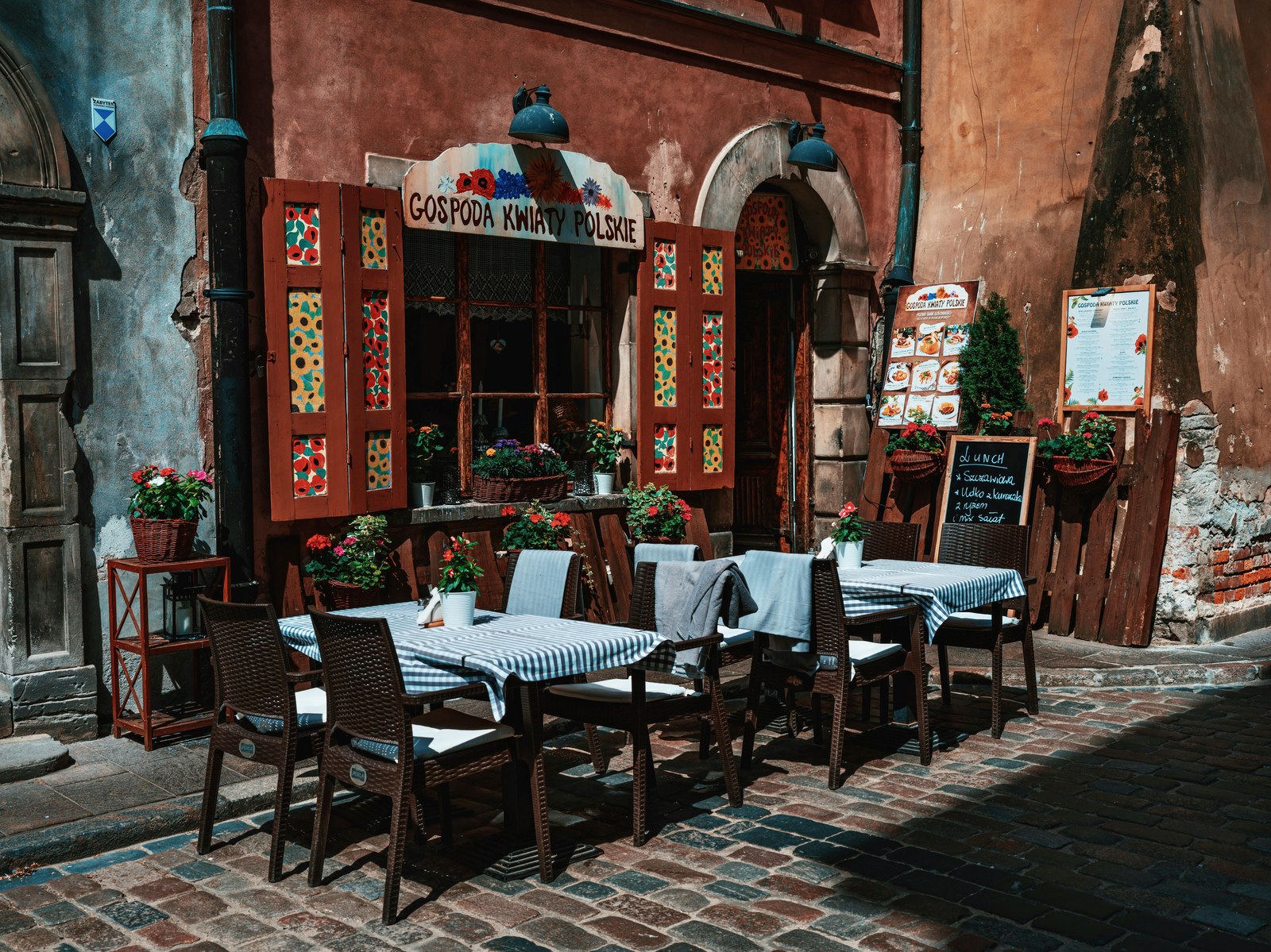
The algorithm noticed what the food press missed: Frankford's Polish spots score in the high eighties on consistency.
The press has not covered it and the neighborhood has not noticed.
We test dishes so you don't have to. No spam — just the best food, neighborhood by neighborhood.