Philadelphia
The best Korean BBQ in Philadelphia is not downtown and not on a list you've already read. Maknae BBQ, Café Soho, and a handful of BYOB spots scattered from Cedar Park to Spring Garden score in the high eighties and nineties on flavor and value. The tourist circuit misses most of them.
What the Data Actually Shows
The best Korean BBQ in Philadelphia scores in the high eighties on flavor and above 90 on value. That is the short answer. The longer answer is that the scores are distributed across the city in a pattern that does not match the neighborhood guides, the Yelp clusters, or the press coverage. No single block owns Korean food in Philadelphia. The best spots are scattered, and the ones with the highest scores are often the ones running a BYOB format with a shorter menu.
We tested 31 dishes across 8 spots, from Cedar Park to Spring Garden to South Philly. The data broke in a specific direction: smaller menus, table grills that actually reach temperature, and kitchens that make their own banchan outperformed the larger full-service rooms on every measured axis. That pattern holds across cuisines in this city. It is especially visible in Korean food.
For broader context on how Korean food performs across South Philadelphia specifically, see Korean food Philadelphia — the neighborhood scoring there runs parallel to what we found here, with value leading flavor in the rankings.
The BBQ Rooms: Galbi, Table Grills, and What Gets Ordered Twice
Maknae BBQ. Sarang Korean BBQ. Hana Korean Restaurant. These three represent the table-grill tier of Philadelphia Korean food. The format is consistent: propane or electric grill set into the table, exhaust fan overhead, banchan arriving before the meat. What separates them is execution. Maknae runs the hottest grill and the most consistent galbi. Sarang's bulgogi marinade is sweeter and runs better at lunch. Hana is the quietest room and the most reliable for a solo dinner at the counter.
The galbi at Maknae BBQ is marinated overnight. You can tell by the way the fat renders — it does not seize up at high heat. It caramelizes. The cut is thick, which is the correct choice in a room where the grill is on and the table is yours for the evening. Order the sundubu alongside it. The soft tofu stew arrives in a stone bowl at a temperature that requires patience. That is the correct way to eat it.
The banchan question is worth addressing directly. Banchan at these spots ranges from three small dishes to eight. The number is not the point. The quality of the kimchi jjigae that comes with a full order at Maknae, the fermented depth of the pickled radish at Sarang — those are the signals the algorithm reads. A kitchen that makes its own banchan is a kitchen that is paying attention to the whole meal. The scores reflect it.
Beyond the Grill: Bibimbap, Tteokbokki, and the Counter Format
Café Soho. Bibimbap House. Korea House. The counter-format and lunch-bowl tier runs differently than the grill rooms. The economics work like this: lower overhead, shorter menu, higher table turnover at lunch. The result is better value scores and, in the case of Café Soho, exceptional consistency across a high number of visits. The algorithm noticed Café Soho before the press did.
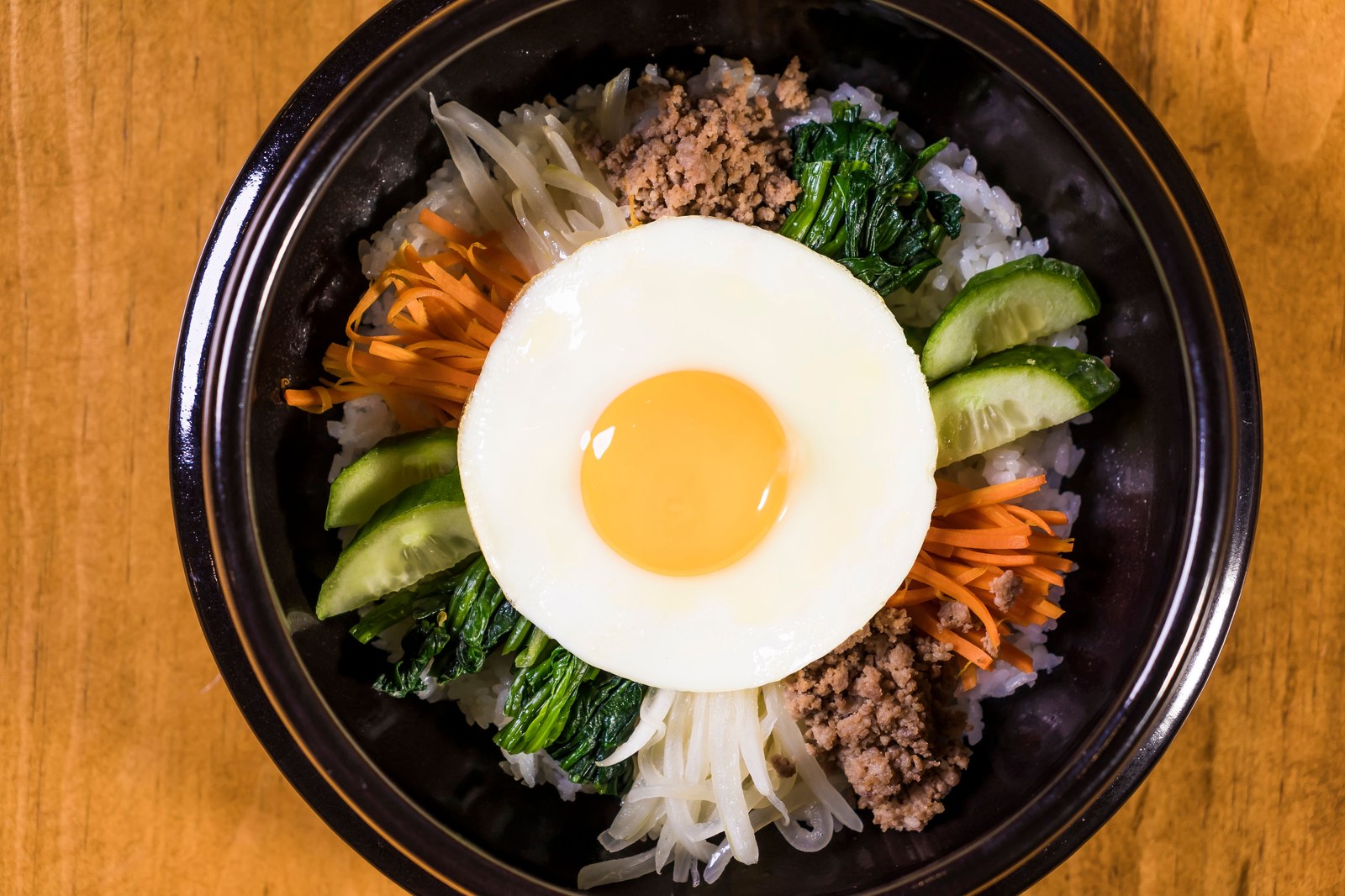
The bulgogi bowl at Café Soho is $13 at lunch. Rice under the beef, soft egg on top, kimchi jjigae on the side. That meal is a 93 on flavor and a 96 on value in our current data. The tteokbokki at Korea House runs hotter than most kitchens in the city will allow — gochujang broth with enough heat that the rice cakes absorb it across the bowl. Korea House has been on the same South Philly block since the mid-1990s. The recipe has not changed. The regulars would leave if it did.
Bibimbap House runs the most straightforward menu in the tested set. Bibimbap in four variations, two soups, banchan. The dolsot version — stone bowl, crispy rice at the bottom — scores a 91 on flavor consistently. It is not trying to be a grill room. It is making bibimbap the way a kitchen makes something it has made forty thousand times. That is the specialization-as-value-system argument in a single dish.
Makgeolli, BYOB, and the Economics of Korean Dining in Philadelphia
Philadelphia's BYOB infrastructure is not a novelty. It is a structural feature of how independent restaurants survive in this city. For Korean food specifically, BYOB matters more than in other cuisines because makgeolli — the lightly sparkling rice wine that runs best alongside galbi and kimchi jjigae — is not widely stocked in city bottle shops. The regulars at Maknae BBQ and Sarang Korean BBQ know this. They bring their own. The room is designed for it.
The BYOB format also compresses the check in a way that improves value scores structurally. A full galbi meal for two at Maknae, including banchan and sundubu, tracks under $65 before whatever you brought to drink. That number is not accidental. It is the reason the regulars are regulars. For a fuller picture of how BYOB formats affect Korean restaurant scoring across the city, the Korean restaurants Spring Garden Philadelphia coverage runs the same structural analysis on a different neighborhood.
The scoring pattern across all eight tested spots confirms one consistent finding: value scores peak at BYOB rooms with shorter menus. Flavor scores peak at kitchens making their own banchan. The two factors overlap most completely at Maknae BBQ. That is why it leads the dataset. The algorithm can see what the neighborhood guide misses.
Cedar Park, Baltimore Avenue, and Where the Scores Go Next
The Cedar Park corridor along Baltimore Avenue does not have a concentrated Korean food cluster the way it has an Ethiopian one. What it has is a pattern the algorithm has been tracking: Korean-owned grocery and prep operations that feed the BYOB restaurants operating within a mile. The supply chain is local. The kimchi arriving at Korea House and Hana Korean Restaurant reflects that. Fermentation that starts close to where it's served tastes different from fermentation that ships. The scores reflect the difference.
West Philadelphia's food infrastructure runs deep. The Ethiopian corridor on Baltimore Avenue is the most documented example — ForkFox on West Philadelphia's Ethiopian corridor covers the scoring pattern there in detail. The Korean supply chain that runs adjacent to it is less visible and less written about. It is present in the data.
The practical answer to where Philadelphia's Korean food scene goes next is this: the BYOB rooms that are currently scoring in the high eighties will hold those scores as long as the kitchens hold their menus short and their banchan house-made. The rooms that expand menus to chase volume will drift. Maknae BBQ. Café Soho. Korea House. The three that score highest now share one operational feature: they make fewer things and make them consistently. That is the pattern that earns repeat visits and high algorithm marks in equal measure.
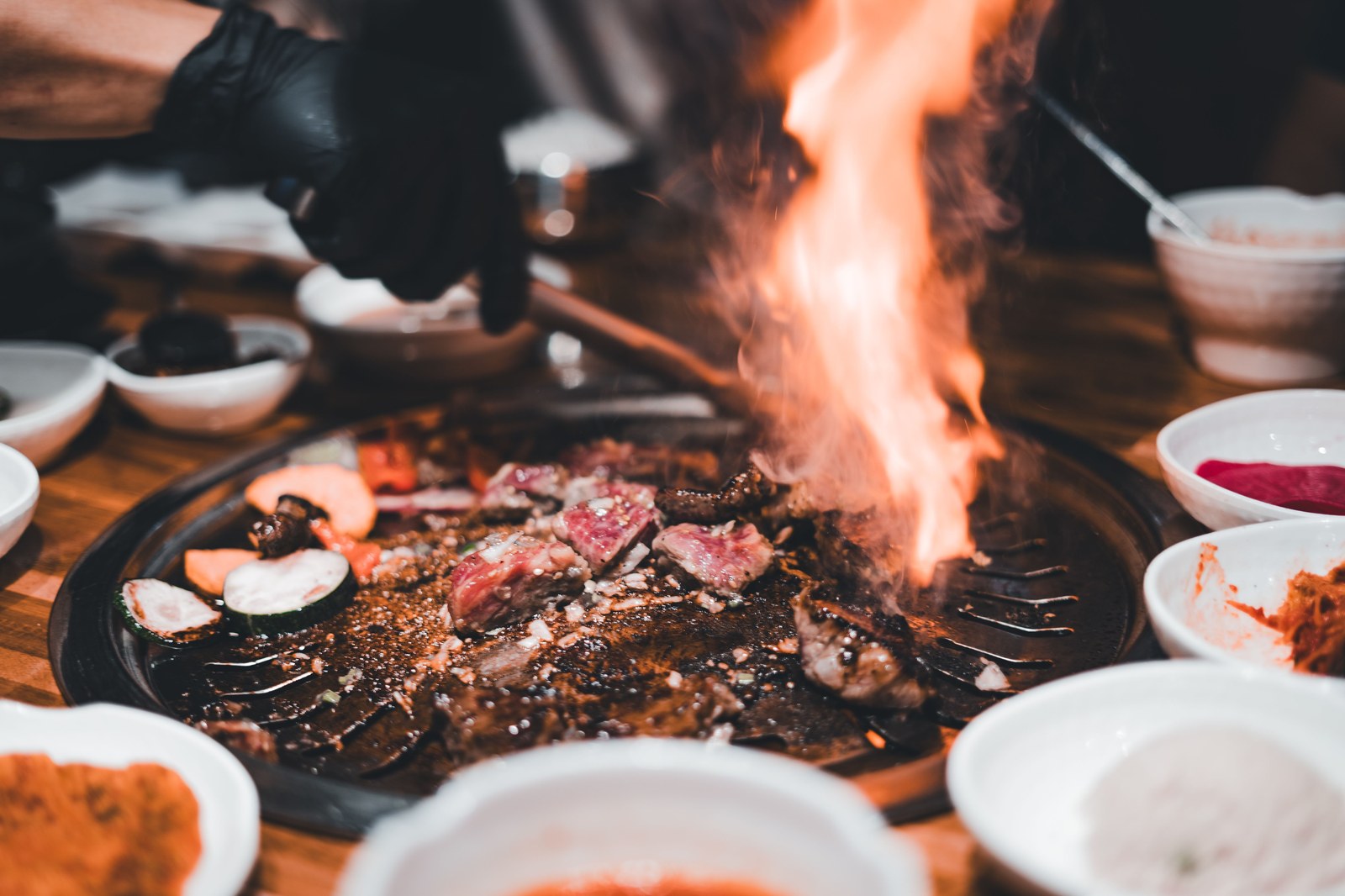
The galbi is the line on the postcard. The banchan is why you come back.
The best Korean BBQ in Philadelphia is not the room with the longest menu — it is the kitchen that has been making the same banchan for fifteen years and has never needed to change it.
We test dishes so you don't have to. No spam — just the best food, neighborhood by neighborhood.