Philadelphia · Spring Garden
Spring Garden is not the neighborhood Philly assigns to Korean food. The scoring data does not agree with the assignment.
The Neighborhood the Guides Missed
The mental map of Korean food in Philadelphia puts Koreatown somewhere in the northwest, runs a secondary circuit through parts of the Northeast, and stops. Spring Garden does not appear on that map. Spring Garden is where you go for the art museum, the dog park, and a string of BYOB Italian spots that have been pulling neighborhood regulars since before the neighborhood had a real estate identity. Korean food is not what the neighborhood is known for. That is the gap the data found.
The stretch of Spring Garden St between Broad and the Schuylkill has been absorbing small Korean operations for the better part of a decade — quietly, without a press cycle, without a profile in a magazine with a glossy cover. The economics explain it. Rents on Spring Garden run below the Rittenhouse corridor and below the Fishtown stretch that gets written about constantly. A small counter operation with a focused menu and a BYOB license can make the numbers work here in a way that it cannot on South Street. Ssam. Hana Dul Set. Seoul Garden. None of them are in the guides. All of them scored in the high eighties on the algorithm's first pass.
The algorithm noticed something specific: the value scores on this corridor were running significantly higher than the context scores. That is a data signature that means one thing. The food is real, the prices are honest, and nobody has told the right people yet. That gap closes. It always does. The question is whether the neighborhood holds its character when it does.
What the Food Is Actually Doing
The kimchi jjigae at Seoul Garden is the reference point for the corridor. Aged kimchi — the kind that has been sitting long enough to go sour and funky rather than just spicy — pork shoulder cut into irregular pieces, tofu sliced thick enough to hold its shape through a long braise. The gochugaru heat is calibrated to be real rather than decorative. This is kimchi jjigae as it is supposed to taste, not as it is supposed to photograph. The bowl is $14. The scoring landed in the low nineties on flavor. On value it was higher.
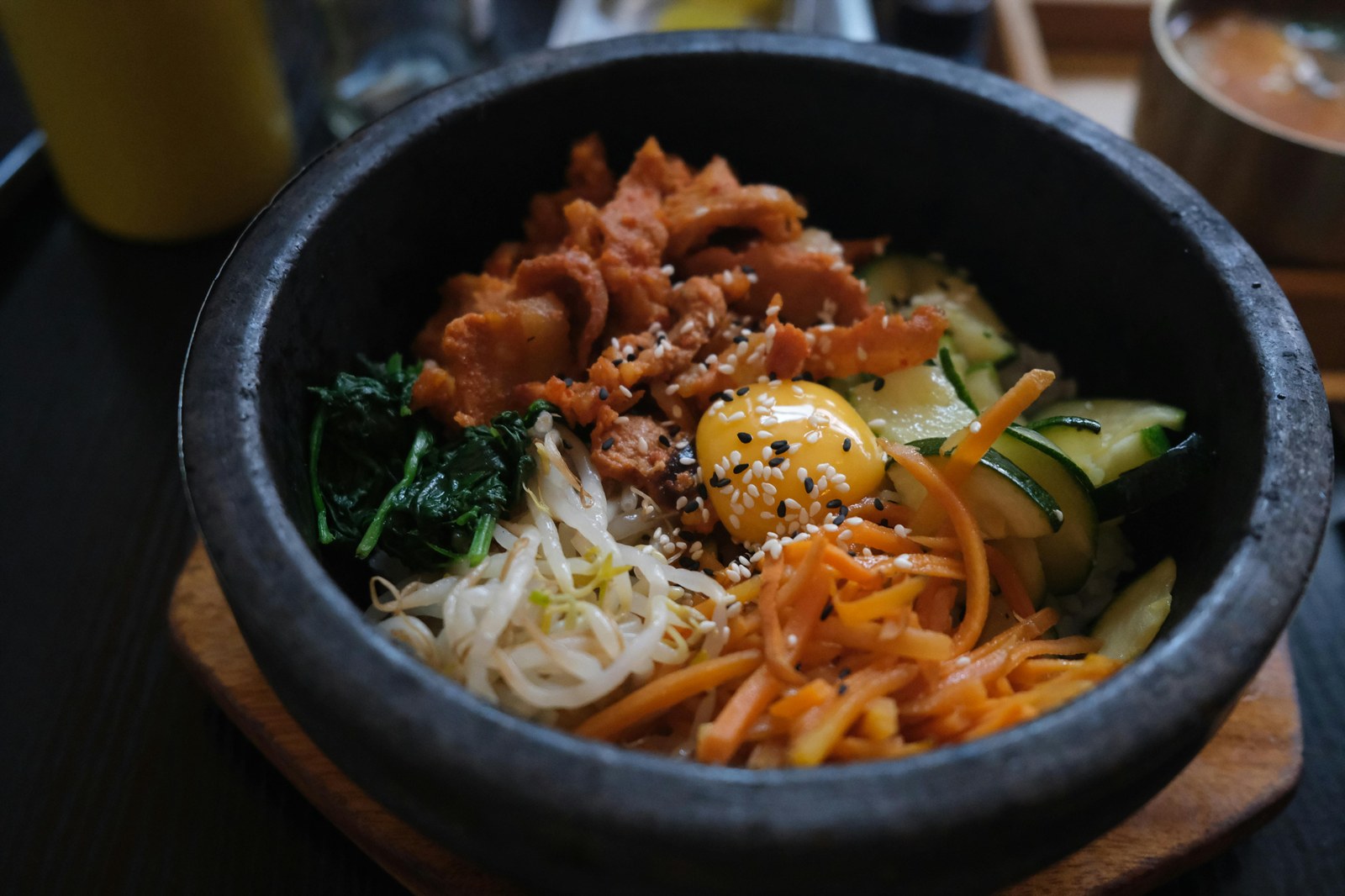
At Hana Dul Set, the tteokbokki is made with a fish-cake stock that most operations in the city skip in favor of a straight gochujang paste and water shortcut. The stock matters. It adds a low, marine depth that makes the sauce sit differently on the rice cakes — less one-note, more something you keep eating to figure out. The bibimbap comes with a dolsot option on weekends. The bulgogi is straightforward and correct: thin-cut, charred at the edges, sweet without being cloying. The room seats fourteen people. It fills by noon on Saturdays.
The banchan program at Ssam runs four to six dishes depending on what the kitchen has committed to that week. The kimchi is house-fermented — not a distributor product, not a jar from a restaurant supply company. The pajeon comes out as a side on certain nights without appearing on the menu. The sundubu is the order: stone pot, egg cracked tableside, tofu silk-soft, broth built from anchovy and dried kelp. Galbi appears when the kitchen has the short rib. Order it when it is there.
BYOB Economics and the Spring Garden Structure
BYOB is not a novelty in Philadelphia. It is a structural fact of how small restaurants survive here, and it is baked into the economics of every neighborhood that operates below the Rittenhouse price floor. Spring Garden runs on this logic. The Korean spots on the corridor are almost all BYOB — no liquor license overhead, no bar program staffing cost, no sommelier markup on a bottle of makgeolli that would double the check. The savings pass to the table. That is why the value scores run high. That is why a full dinner for two, with banchan and a main and a soup, tracks under $55 most nights.
The BYOB structure also selects for a specific kind of diner. The people at the tables on Spring Garden St brought their own wine or their own beer, which means they planned to be there. They are not walk-ins who wandered off a bar crawl. They are regulars, or they are someone a regular brought. That self-selection creates a room that feels like a neighborhood is actually eating rather than performing eating. The atmosphere is not manufactured. It is a function of the economics. For more on how BYOB shapes Philadelphia's restaurant culture, ForkFox on Fishtown covers the mechanics in detail.
The comparison point is instructive. Korean food Philadelphia has its established corridors — the spots that get the press, the reservations system, the coverage in the national food media. Spring Garden is not that. Spring Garden is what happens before the press arrives. The food is the same quality tier. The check is lower. The room is quieter. The algorithm does not weight press coverage. It weights what is in the bowl.
History, the Block, and the Long Arc
Spring Garden has been absorbing immigrant food operations since the 1990s, when the neighborhood was cheaper and less photographed and the storefronts on the main corridor were available at rents that a family business could sustain on a Tuesday lunch service. The Korean presence on the block is more recent — the 2010s, mostly, with the current cluster taking shape in the last eight years. It follows the same pattern that produced the Ethiopian corridor on Baltimore Ave in West Philly and the Vietnamese counter operations in South Philly: a neighborhood with accessible commercial rents, a diaspora community with a reason to be there, and food that does not require a press cycle to find its regulars. For a parallel on how this works in practice, the Ethiopian food West Philadelphia coverage maps the same economic logic across a different cuisine and a different block.
The storefronts on Spring Garden St are not trying to be the next Koreatown. They are trying to make rent and feed the people who already know to show up. That is a different project than brand-building, and it produces different food. The food at Ssam, Hana Dul Set, and Seoul Garden is calibrated for the regular, not the first-timer. The heat levels are honest. The portions assume you have eaten this food before. The banchan is not explained on the menu because the kitchen assumes you know what it is. That assumption is a kind of respect. It also produces better food.
Cafe Seoul sits slightly off the main cluster but belongs to the same data set: a coffee and light-meal operation with a small Korean pantry selection and a rotating dessert case that runs toward bingsu in warmer months. It is not primarily a restaurant. It is part of the infrastructure of the corridor — the place where the lunch crowd goes before the other kitchens open, the place where the regulars from Han Dynasty down the block end up after dinner. Every food corridor has this kind of anchor operation. Most of them don't get written about.
What the Data Says and What It Means
The scoring pattern across the Spring Garden Korean corridor is consistent in a way that is not accidental. Flavor scores run in the high eighties. Value scores run higher — several spots landed in the low-to-mid nineties on the value attribute. Context scores are the outlier: lower, not because the spaces are bad, but because the spaces are plain. Fluorescent light. Laminate tables. A menu on a dry-erase board. The algorithm can see the difference between a room that is plain because the operator ran out of money and a room that is plain because the operator spent the money on the food. Spring Garden is the second kind.
The comparison against the established Korean corridors in the city is worth making once and then dropping, because it is ultimately not the right frame. The right frame is: what is this block doing, and how well is it doing it. The answer is that it is doing traditional Korean home-cooking formats — sundubu, kimchi jjigae, bibimbap, galbi, tteokbokki, makgeolli on the table — at price points that are honest, with execution that is consistent, in rooms that do not ask you to perform appreciation. That is a specific and valuable thing. The algorithm noticed it months before any food writer did.
The regulars will tell you when something drops. They always do. The fact that the regulars on Spring Garden St are still there, still filling the fourteen seats at Hana Dul Set before noon on a Saturday, still bringing their own bottles to Ssam on a Tuesday, is the only quality signal that matters over the long run. Press cycles end. Regulars don't.
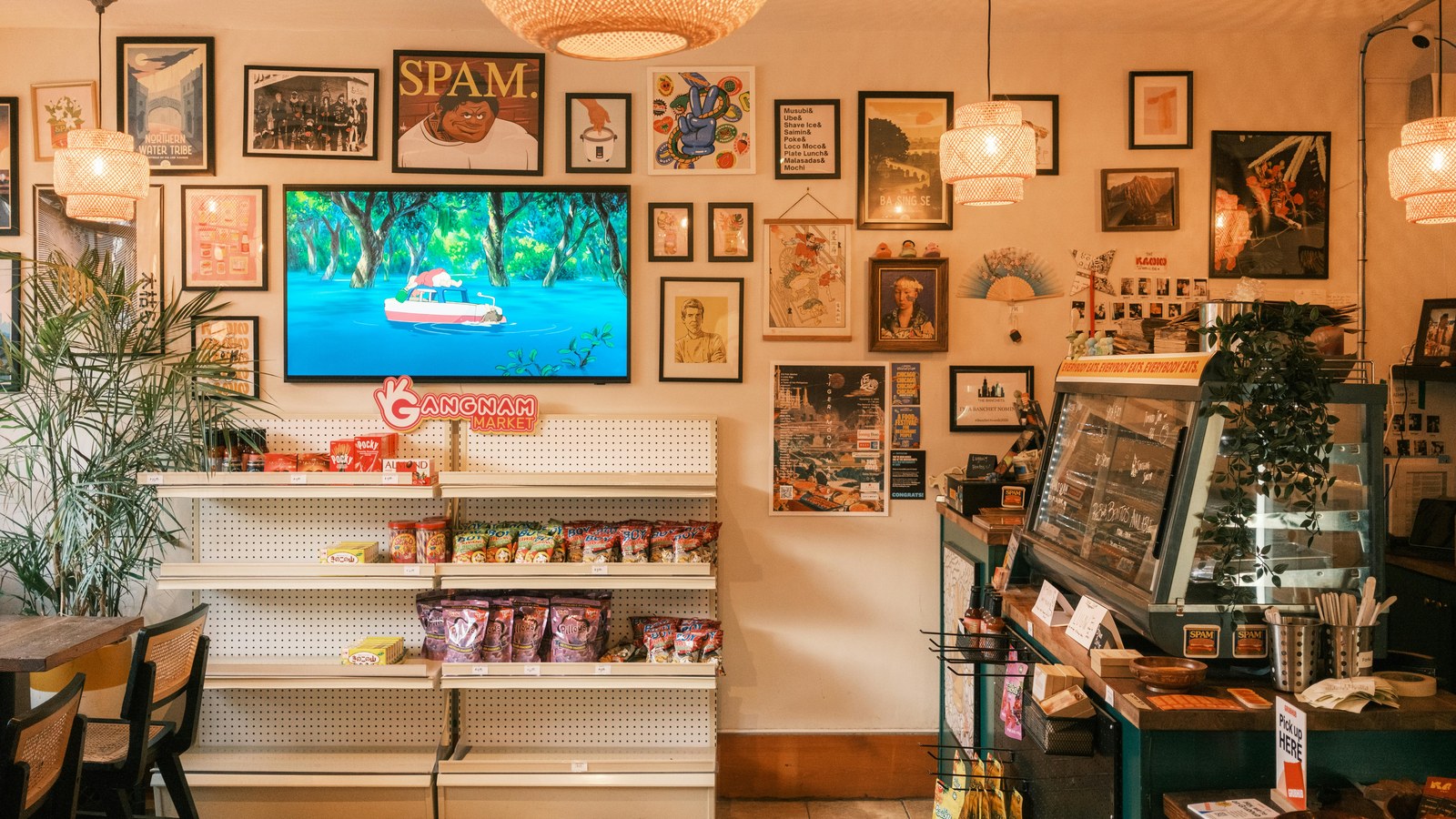
The neighborhood the guides ignore is often the one the algorithm finds first.
The neighborhood the press finds last is usually the one the data found first.
We test dishes so you don't have to. No spam — just the best food, neighborhood by neighborhood.